Anhui Feichun Special Cable Co.,Ltd


Why Fire‑Resistant Cables Are Important in Indonesian Oil Refineries: Pertamina Case Studies and Technical Guide
Learn why fire‑resistant cables are crucial in Pertamina Oil Refineries and the Indonesian oil & gas industry. This article presents the 2025 Dumai fire and Cilacap incidents as case studies, explains IEC 60331 and BS 6387 standards, LSZH technical requirements, a complete selection guide for power/control/instrumentation cables, and practical tips for engineers, technicians, and procurement decision makers. A comprehensive technical guide to enhance oil refinery safety systems.
Li Wang
3/27/202612 min read
Introduction
Indonesia stands as one of Southeast Asia’s largest energy producers, with PT Pertamina (Persero) serving as the backbone of the nation’s oil and gas industry, operating major refineries across Dumai, Cilacap, Balikpapan, and other strategic locations. These facilities process millions of barrels of crude oil daily, operating in environments filled with flammable hydrocarbons, high temperatures, pressure vessels, and complex process systems. In such high-risk settings, every component of the infrastructure must be designed to withstand extreme conditions—and electrical cables are no exception. Often referred to as the “nervous system” of a refinery, cables deliver power, transmit control signals, and feed critical data to safety, monitoring, and emergency systems. When a fire breaks out, standard cables fail rapidly, melting, short-circuiting, or releasing toxic fumes, which can disable emergency shutdown systems, fire alarms, gas detectors, and communication networks—turning a manageable incident into a catastrophic disaster.
This guide explains why fire-resistant cables are not just an option but a mandatory requirement for Pertamina and Indonesia’s entire oil and gas sector. It draws on real-world incidents, including the 2025 Dumai refinery fire and Cilacap operational accident, breaks down key international standards such as IEC 60331 and BS 6387, details Low Smoke Zero Halogen (LSZH) material specifications, and provides a complete selection framework for power, control, and instrumentation cables. It is written for engineers, procurement specialists, and facility managers who need practical, technically sound guidance to enhance safety, compliance, and operational reliability in Indonesian refineries.
The Unique Risk Profile of Indonesian Refineries
Indonesia’s geographical and operational conditions create challenges that make fire safety even more demanding than in many other regions. Most refineries are located in coastal or industrial zones, with high humidity, elevated ambient temperatures, and exposure to corrosive chemicals and salt-laden air. Facilities are often built in compact layouts, with dense piping networks, storage tanks, and processing units close together—meaning fire can spread rapidly across interconnected areas. Furthermore, many installations have been operating for decades, with older infrastructure that requires careful upgrades to meet modern safety benchmarks.
In oil refineries, fire hazards are constant. Crude oil, gasoline, diesel, naphtha, and liquefied petroleum gas (LPG) are all highly flammable; even small leaks or electrical faults can ignite vapor clouds, leading to fires or explosions. Temperatures in a refinery fire can reach 750°C to 1,000°C within minutes—far exceeding the melting point of standard PVC or polyethylene cables, which typically fail above 200°C to 300°C. When cables fail, the consequences extend far beyond electrical disruption: emergency shutdown valves cannot close, pressure relief systems stop working, fire suppression systems lose power, and operators lose visibility and control of the process. In enclosed areas, burning cables release thick black smoke and toxic gases such as hydrogen chloride, carbon monoxide, and cyanide—impairing evacuation, damaging sensitive electronics, and causing long-term health risks.
For Pertamina, these risks carry additional weight: as a state-owned enterprise, it is responsible for national energy security, public safety, and environmental protection. Any major incident leads to production losses, regulatory penalties, damage to reputation, and potential harm to workers and nearby communities. This is why fire-resistant cabling has become a core element of the company’s safety and modernization strategy.
Case Studies: Lessons from Dumai and Cilacap
2025 Dumai Refinery Fire
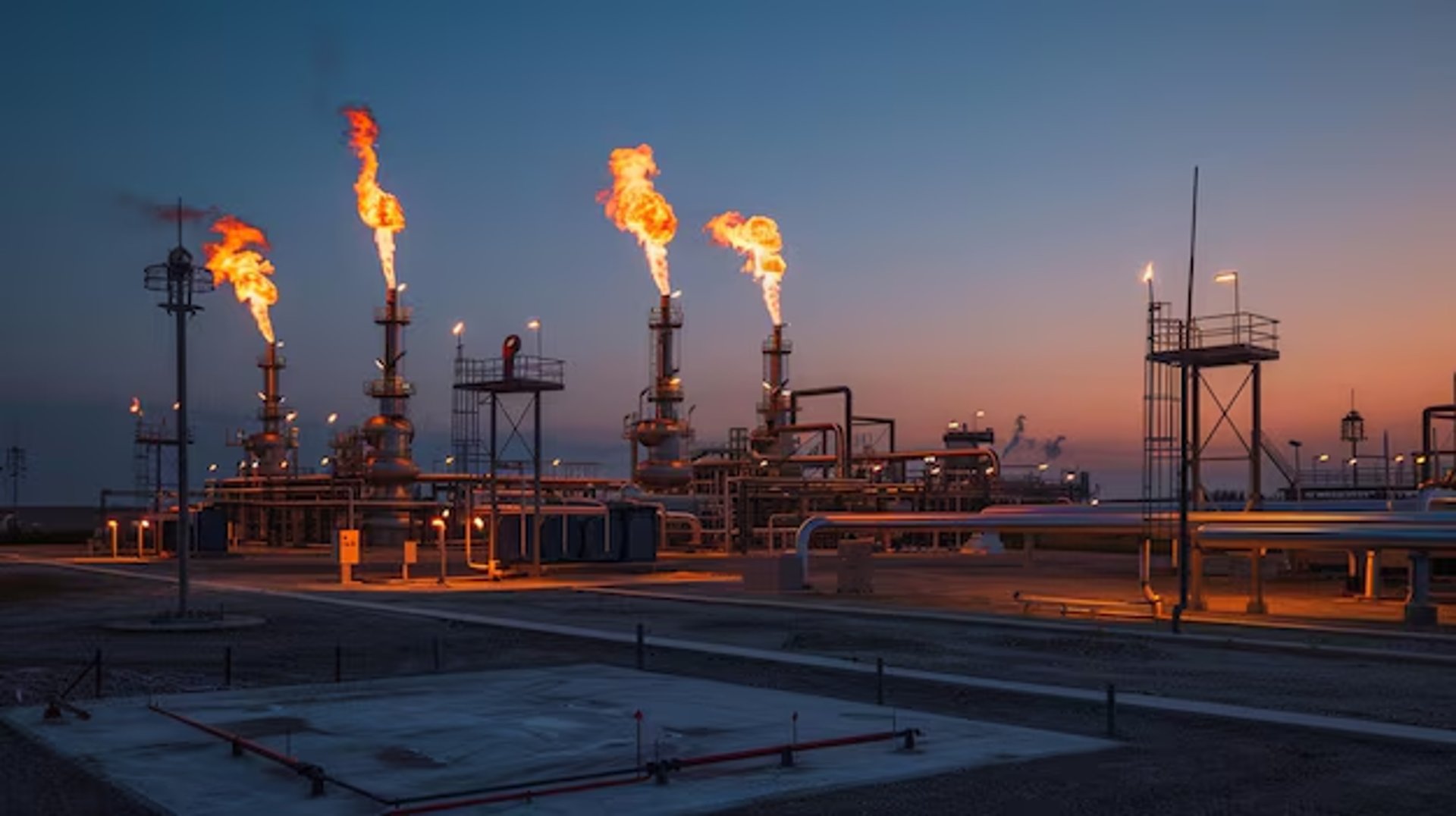
On 1 October 2025, a serious fire broke out at Pertamina Refinery Unit II in Dumai, Riau Province, one of Indonesia’s oldest and largest refining complexes, processing over 170,000 barrels per day. The incident began with a loud explosion heard kilometers away, followed by flames rising from a gas compression unit undergoing maintenance work. Emergency teams from Pertamina, local fire services, and regional support units responded immediately, deploying 10 fire trucks and isolating the area to prevent spread. The fire was controlled within three hours, and thankfully no lives were lost, but investigations revealed critical insights about cable performance.
Post-incident analysis showed that several sections of standard power and control cables failed within 15 to 20 minutes of exposure to heat and flames. While the primary fire was contained, the failure of cabling in adjacent zones temporarily disabled two critical safety systems: the gas detection network and part of the emergency shutdown loop. Operators had to rely on manual interventions, which slowed response time and increased risk. Investigators confirmed that if fire-resistant cables had been installed in these circuits, they would have maintained functionality for at least 90 minutes—enough time to complete isolation, activate suppression systems, and ensure safe evacuation. The report explicitly noted that the use of non-compliant or insufficiently rated cables was a contributing factor to the escalation of the incident and recommended immediate upgrades across all high-risk areas.
Cilacap Refinery Operational Accident
Earlier in 2025, at Pertamina Refinery Unit IV in Cilacap, Central Java, a separate incident highlighted the risks of inadequate cable specification in instrumentation and control systems. A small electrical fault in a control cabinet triggered a localized fire; while the fire itself was quickly extinguished, standard PVC-insulated cables melted and released dense smoke and corrosive gases. This smoke spread through cable trays into adjacent control rooms, damaging sensitive transmitters, analyzers, and communication equipment. The resulting downtime lasted four days, costing billions of rupiah in lost production and equipment replacement.
Technical assessments found that the cables used did not meet LSZH requirements. When burned, they emitted high levels of halogen acid gases, which corroded circuit boards and metal components even in areas not directly touched by flames. Had LSZH, fire-resistant cables been installed, smoke density would have been reduced by over 70%, and no corrosive gases would have been released—limiting damage to only the immediate fire zone and allowing rapid restoration of operations. These two cases clearly demonstrate that fire-resistant cables are not just about surviving fire; they are about preserving functionality, limiting damage, and enabling safe, effective response.
Understanding Fire-Resistant vs. Flame-Retardant Cables
A common source of confusion in refinery design and procurement is the difference between fire-resistant and flame-retardant cables—two terms often used interchangeably but with fundamentally different performance characteristics.
Flame-retardant cables are designed to slow or stop the spread of fire. They use additives in insulation and sheathing that prevent flames from traveling along the cable length and self-extinguish once the ignition source is removed. However, they do not guarantee that the cable will continue working during a fire. At high temperatures, their insulation breaks down, conductors short-circuit, and circuits fail. These are suitable for general wiring, lighting, or systems that do not need to operate during emergencies.
Fire-resistant cables, by contrast, are engineered to maintain electrical circuit integrity while exposed to fire, for a specified duration—typically 30, 60, 90, or 120 minutes. Their construction includes multiple layers of thermal protection, most commonly mica tape, ceramic silicone, or mineral insulation, which insulate conductors and prevent heat from reaching the core even at temperatures above 950°C. Even when the outer sheath burns away, the inner layers remain intact, keeping the electrical path continuous and functional. This is the critical difference: flame-retardant cables protect the building; fire-resistant cables protect the systems that keep people safe and operations controlled.
In Pertamina refineries, all safety-critical systems—emergency shutdown, fire alarm, gas detection, emergency lighting, communication, and critical instrumentation—must use fire-resistant cables. Flame-retardant types are only permitted for non-essential circuits.
Key Standards: IEC 60331 and BS 6387
To ensure consistent performance, all fire-resistant cables must be tested and certified against internationally recognized standards. Two frameworks are most widely adopted in Indonesia and by Pertamina: IEC 60331 and BS 6387.
IEC 60331
Published by the International Electrotechnical Commission, IEC 60331 is the global standard for testing circuit integrity under fire conditions. It defines test methods where cables are exposed to flames at 750°C, 830°C, or 950°C for durations ranging from 30 to 180 minutes, while voltage is applied. The cable passes only if it continues to conduct electricity without short-circuiting or insulation breakdown throughout the test period. Different parts of the standard cover low, medium, and high-voltage cables, as well as control and instrumentation types. For refineries, the most common requirement is IEC 60331-21, covering cables up to 1 kV, with 90-minute performance at 750°C as the minimum baseline for safety systems.
BS 6387
Developed by the British Standards Institution, BS 6387 is widely regarded as the most rigorous test standard, as it simulates real-world fire conditions more accurately. It includes three distinct test categories, often referred to as CWZ:
Category C: Resistance to fire alone at 950°C for 180 minutes.
Category W: Fire at 650°C combined with water spray, simulating firefighting operations—critical because water can cause rapid cooling and thermal shock that breaks down weaker cables.
Category Z: Fire at 950°C combined with mechanical shock, representing falling debris, explosions, or structural movement during a fire.
A cable certified to BS 6387 CWZ meets all three conditions, making it ideal for refineries where fires are often accompanied by water use and physical impact. Pertamina now specifies BS 6387 CWZ for all cables installed in process units, tank farms, and control buildings, recognizing that survival in fire alone is not enough; cables must also withstand the actions taken to extinguish the fire.
Complementary Standards
Additional standards apply to material and emission performance:
IEC 60754: Measures halogen content and acidity of gases released during burning. LSZH cables must meet IEC 60754-1 (zero halogen) and IEC 60754-2 (low acidity/corrosivity).
IEC 61034: Determines smoke density; LSZH cables must produce less than 40% light reduction, compared to over 80% for standard PVC cables.
IEC 60332: Covers flame spread properties, ensuring cables do not propagate fire along cable trays or racks.
All certifications must be issued by independent, accredited laboratories, and test reports must be available for verification during procurement and installation.
Low Smoke Zero Halogen (LSZH) Technology: Why It Is Non-Negotiable
One of the most important specifications in Indonesian refineries is the use of Low Smoke Zero Halogen (LSZH) materials for insulation and sheathing. Traditional cables use PVC, which contains chlorine—a halogen element. When PVC burns, it releases hydrogen chloride gas, which forms hydrochloric acid when mixed with moisture. This gas is highly corrosive, damaging metal structures, electrical equipment, and electronics, and is toxic to humans, causing respiratory damage and eye irritation. Furthermore, PVC produces dense, black smoke that blocks visibility, making escape and rescue extremely difficult.
LSZH materials are made from polyolefin-based compounds—polyethylene, ethylene propylene rubber, or cross-linked polymers—with no halogen elements. When exposed to fire, they:
Emit almost no smoke, maintaining visibility above 60% even in enclosed spaces.
Release no toxic or corrosive gases, protecting people and equipment.
Produce only small amounts of carbon dioxide and water vapor, with minimal environmental impact.
For refineries, the benefits are clear: in the Cilacap incident, LSZH cables would have prevented the corrosion that caused extensive damage. In the Dumai fire, they would have allowed operators to navigate safely through smoke-filled areas. Additionally, LSZH materials are resistant to oil, chemicals, and UV radiation, making them ideal for the harsh outdoor and industrial environments found across Indonesia.
Pertamina’s current technical specifications mandate LSZH for all cables used in refineries, terminals, and offshore installations. This requirement aligns with international best practices and national regulations, including Indonesia’s SNI standards for electrical installations in hazardous areas.
Engineering Principles and Material Science Behind Fire-Resistant Cables
To understand how these cables work, it helps to look at their construction and the science behind their performance. A typical fire-resistant cable has multiple layers, each serving a specific function:
Conductor: Usually tinned copper or aluminum, chosen for high conductivity and resistance to oxidation at high temperatures. Tinning prevents the copper from reacting with insulation materials when heated.
Fire-Resistant Barrier: The core technology—most commonly mica tape, wrapped tightly around each conductor. Mica is a naturally occurring mineral that is stable up to 1,000°C, does not burn, and forms a rigid, insulating layer that stays in place even if outer materials are destroyed. Some advanced designs use ceramic-filled polymers, which harden into a ceramic shell when heated, creating a permanent thermal shield.
Insulation: Cross-linked polyethylene (XLPE) or ethylene propylene rubber (EPR). These materials have high melting points, excellent electrical properties, and do not degrade rapidly under heat. Unlike PVC, they do not release harmful substances when burned.
Inner Sheath: Provides mechanical protection and holds insulated cores together. Also made from LSZH compounds.
Armoring: Steel wire or tape armor, essential in refineries to protect against crushing, impact, rodent damage, and abrasion. Armor is also coated or made from corrosion-resistant materials to withstand Indonesia’s humid and salty conditions.
Outer Sheath: Thick, durable LSZH compound, formulated to resist oil, chemicals, UV radiation, and weathering. It is the first line of defense against environmental damage and fire.
The key principle is that each layer works together. The outer sheath slows heat penetration; the insulation maintains electrical separation; and the mica barrier ensures the conductor remains electrically isolated and functional even when everything else is burned away. This multi-layered design is what allows the cable to pass IEC 60331 and BS 6387 tests, and it is why cutting corners on material quality or construction leads to failure in real conditions.
For instrumentation and control cables, additional features include individual and overall shielding to prevent electromagnetic interference (EMI) from motors, transformers, and high-voltage lines—critical for accurate signal transmission. These cables must also be flexible enough to install in tight spaces while retaining fire resistance.
Complete Selection Guide: Power, Control, and Instrumentation Cables
Choosing the right cable requires matching technical specifications to the exact application, hazardous zone classification, and performance requirements. Below is a structured guide tailored to Pertamina and Indonesian refinery standards.
Step 1: Classify the Circuit and Hazardous Area
First, define whether the circuit is safety-critical or standard, and identify the hazardous zone per IEC/ATEX classification:
Zone 0: Explosive atmosphere present continuously or for long periods.
Zone 1: Explosive atmosphere likely to occur during normal operation.
Zone 2: Explosive atmosphere not likely to occur, and if it does, only briefly.
All safety systems—emergency shutdown, fire detection, gas monitoring, emergency power, and communication—are classified as critical and require fire-resistant, LSZH, armored cables. Zone 0 and 1 require the highest performance levels, typically BS 6387 CWZ and IEC 60331 for 120 minutes. Zone 2 and non-hazardous areas may use 90-minute ratings, but still must be fire-resistant and LSZH.
Step 2: Select Cable Type by Application
Power Cables
Used for motors, pumps, compressors, heaters, and distribution boards.
Voltage rating: 0.6/1 kV is standard for most plant systems; 3.6/6 kV and higher for large machinery and main distribution.
Fire performance: IEC 60331 (90–120 min) or BS 6387 CWZ.
Material: XLPE insulation, LSZH sheath, steel wire armor (SWA) or steel tape armor (STA) for mechanical protection.
Conductor size: Sized according to load current, voltage drop, and short-circuit capacity.
Special features: Oil-resistant, UV-stabilized, and suitable for installation in air, trays, ducts, or underground.
Recommended for Pertamina: BS 6387 CWZ, IEC 60331-21, LSZH, armored, tinned copper conductors.
Control Cables
Used for switching, interlocking, and control signals between equipment and panels.
Core count: 2 to 61 cores, usually 1.5 mm² or 2.5 mm² conductor size.
Fire performance: Same as power cables—circuit integrity is essential to keep control loops active during fire.
Shielding: Individual or overall copper tape or braid shielding to prevent interference.
Construction: Stranded conductors for flexibility, LSZH insulation and sheath, armor for mechanical protection.
Standards: IEC 60331, BS 6387, IEC 60754, IEC 61034.
Recommended for Pertamina: Multi-core, shielded, armored, LSZH, fire-resistant to BS 6387 CWZ.
Instrumentation Cables
Used for analog and digital signals from sensors, transmitters, analyzers, and field devices—where signal accuracy is vital.
Types: Pair, triple, or quad construction, often with individual and overall screens.
Conductors: 0.5 mm² to 1.5 mm², solid or stranded, tinned copper.
Fire performance: Critical—loss of data means loss of process visibility. Must meet IEC 60331 and BS 6387.
Emission: Strict LSZH compliance to avoid smoke and gas damage.
Special requirements: Low capacitance and inductance to ensure signal integrity over long distances; resistance to oil, chemicals, and temperature variations.
Standards: BS 5308, IEC 60332, IEC 60754, IEC 61034, plus circuit integrity standards.
Recommended for Pertamina: Fire-resistant, LSZH, double-shielded, armored, suitable for up to 120 minutes fire survival.
Step 3: Verify Compliance and Certification
Before purchasing, always request:
Third-party test reports from accredited laboratories (e.g., KEMA, SGS, Intertek) confirming compliance with IEC 60331, BS 6387, IEC 60754, and IEC 61034.
Material declarations confirming LSZH composition, no halogen content, and oil/chemical resistance.
Traceability documentation linking each batch to test results and manufacturing standards.
Compliance with Indonesian SNI standards where applicable.
Step 4: Installation and Maintenance Considerations
Even the best cable performs poorly if installed incorrectly. Follow these guidelines:
Use cable trays, racks, or conduits designed for industrial use, with adequate spacing to prevent heat buildup.
Separate power, control, and instrumentation cables to avoid interference.
Ensure proper bending radii—too tight a bend damages insulation and barrier layers.
Use only fire-resistant, LSZH accessories: glands, connectors, and junction boxes, matching the cable’s performance.
Avoid running cables through areas with high mechanical stress or chemical exposure without additional protection.
During maintenance, inspect regularly for damage, corrosion, or degradation, and replace any cable that shows signs of wear.
Practical Advice for Engineers and Procurement Teams
Based on experience across Pertamina facilities, here are key recommendations to ensure safe, compliant, and cost-effective decisions:
Do not compromise on performance: The initial cost of fire-resistant cables is 20–40% higher than standard types, but this is negligible compared to the cost of downtime, repairs, or safety incidents. In the long run, they reduce risk, lower insurance premiums, and extend service life.
Specify the full standard: Never just say “fire-resistant.” Clearly state:
Circuit integrity: IEC 60331-21, 90 minutes at 750°C
Full fire performance: BS 6387 CWZ
Emission: LSZH, IEC 60754-1/2, IEC 61034
Mechanical protection: Armored, oil-resistant, UV-stabilized
Hazardous area suitability: IECEx or ATEX certification
Standardize across projects: Create a company-wide specification for all refineries, so every site uses the same proven products and standards. This simplifies procurement, training, and maintenance.
Train installation teams: Many failures happen because installers do not understand how to handle fire-resistant cables—especially bending limits, termination methods, and correct gland selection. Proper training ensures the cable performs as designed.
Plan for upgrades: Older refineries often have outdated cabling. Use maintenance turnarounds or expansion projects to replace non-compliant cables in critical circuits. Start with emergency systems, then move to control and power networks.
Work with qualified suppliers: Choose manufacturers with proven track records in oil and gas, who can provide full technical support, documentation, and after-sales service. Avoid low-cost alternatives that cannot provide valid test reports.
Conclusion
For Indonesia’s oil refineries, and particularly for Pertamina, fire-resistant cables are far more than a technical requirement—they are a fundamental investment in safety, reliability, and national energy security. The incidents in Dumai and Cilacap make it clear that when fire strikes, the ability of systems to keep working is what separates a controlled event from a disaster. By adhering to standards like IEC 60331 and BS 6387, adopting LSZH materials, and applying rigorous selection and installation practices, engineers and decision-makers can create infrastructure that survives fire, protects people, and preserves operations.
This guide has covered the risks, the science, the standards, and the practical steps needed to make the right choices. As Indonesia continues to expand and modernize its energy sector, ensuring that every cable installed meets the highest fire safety standards will remain one of the most important responsibilities of everyone involved. Safety is not optional—and in refineries, the right cable is the first line of defense.
Feichun Cable
Durable mining cables for tough environments and operations
Email: Tech@feichuncables.com
© 2025. All rights reserved.
Company
Products
Contact
WhatsApp: +86 13855123218