Anhui Feichun Special Cable Co.,Ltd


What Makes PROTOMONT Type 211 & Type 201 BS 6708 Armoured Flexible Trailing Cables Essential for Indonesian Coal Mine Roadway Extensions and Coalface Lighting Under Vibration, Moisture, and Heavy Loads?
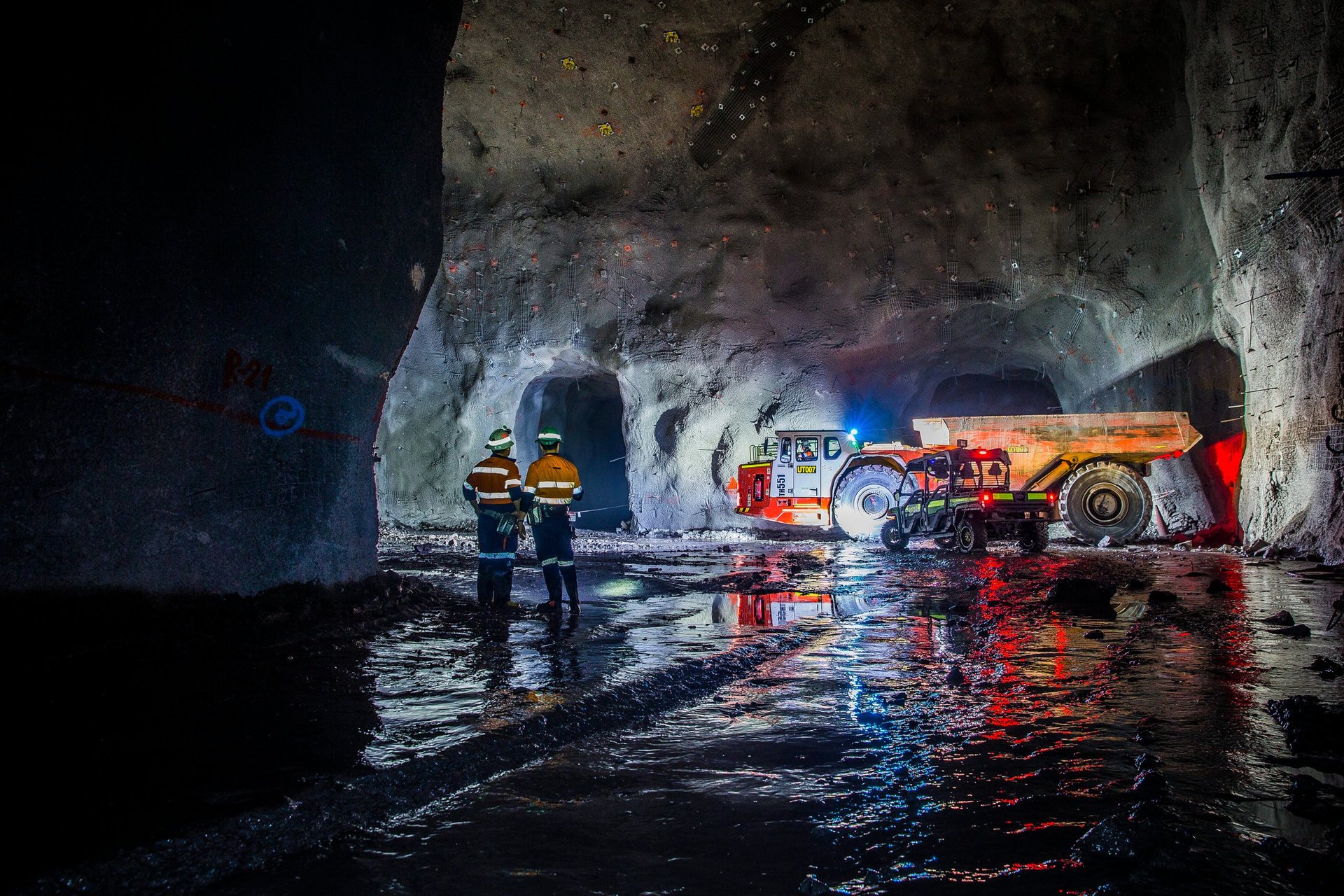
In underground coal mines across Indonesia — from the extensive reserves of South Sumatra to the rich deposits of Kalimantan and the remote mining operations in Papua — power distribution systems face some of the most demanding operating conditions in the world. High humidity levels often exceeding 90%, ambient temperatures ranging from tropical heat to cooler high‑altitude zones, constant mechanical vibration from heavy machinery, exposure to coal dust, oil, and potentially explosive methane gas, plus the need for repeated movement and extension of power lines, all combine to create an environment where standard industrial cables fail quickly and dangerously. Prysmian PROTOMONT Type 201 and Type 211, manufactured strictly to BS 6708, are flexible trailing cables with galvanized steel pliable wire armouring, engineered specifically to operate reliably in these exact conditions. They represent a unique engineering achievement: the ability to perfectly balance four traditionally conflicting performance requirements — safety, mechanical strength, flexibility, and long service life. This article provides a comprehensive, technically detailed analysis of these cables, covering their design standards, material science, structural engineering, performance specifications, application suitability, and the critical differences between Type 201 and Type 211. It also explains why Feichun equivalent cables offer an identical performance profile at a more competitive price with faster delivery, making them an ideal choice for mining projects throughout Indonesia and Southeast Asia.
Li Wang
6/12/202621 min read
Introduction: The Cable Built for the Unique Challenges of Indonesian Mining
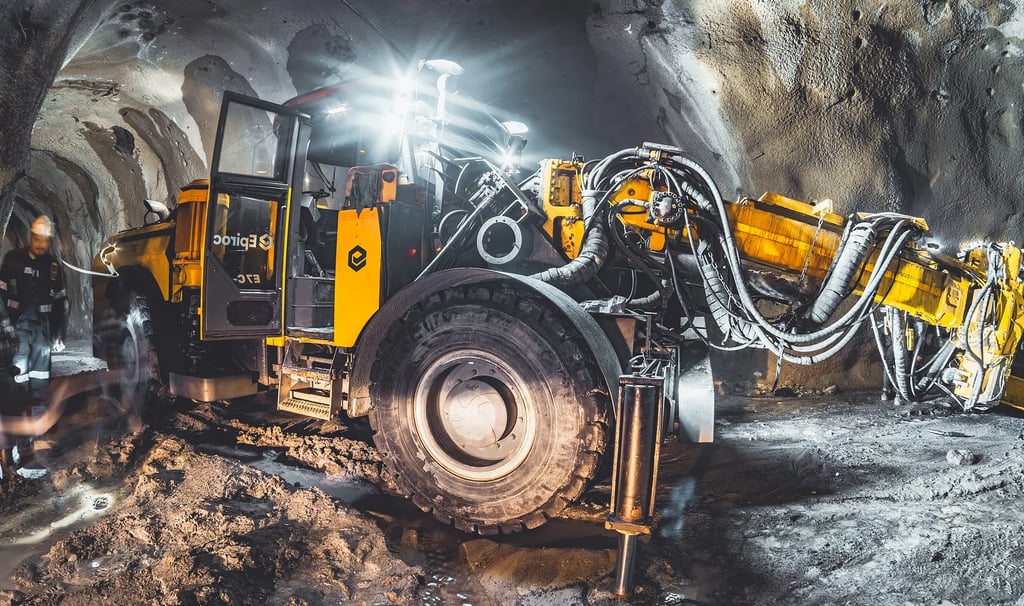
Indonesia is one of the world’s largest producers and exporters of thermal coal, with mining operations spread across major islands including Sumatra, Kalimantan, Sulawesi, and Papua. Underground mining methods are widely used to access deep coal seams, and these operations rely heavily on a continuous, safe, and reliable supply of electrical power. Power is required for ventilation systems, water pumps, conveyor belts, drilling equipment, and most critically, for roadway extension networks and coalface lighting systems that enable safe and productive work deep underground.
For many years, mine operators in Indonesia faced a persistent problem: standard cables designed for general industrial use simply could not survive the harsh realities of underground mining. Cables would suffer from broken conductors due to repeated bending and pulling, insulation failure caused by moisture ingress and high temperatures, corrosion of protective layers from acidic mine water and high humidity, and even dangerous electrical faults or short‑circuits triggered by mechanical damage or dust accumulation. The consequences were significant: frequent replacement of cables led to high operational costs, unexpected failures caused costly production downtime, and in the worst cases, faulty cables contributed to safety incidents including fire or explosion risks in methane‑bearing atmospheres.
It was to solve these exact problems that the PROTOMONT Type 201 and Type 211 series was developed by Prysmian Group, following the strict requirements of British Standard BS 6708. These are not modified versions of standard cables; they are purpose‑built, application‑specific products designed from the ground up to meet the rigorous demands of underground mining. At their core, they represent a breakthrough in cable engineering: the successful integration of properties that were previously considered mutually exclusive. They are strong enough to withstand heavy tensile loads and crushing forces, yet flexible enough to be dragged, coiled, and extended along kilometres of mine roadways. They are electrically safe and stable even in wet, contaminated environments, and built to last for 8 to 12 years or more, significantly longer than ordinary rubber or PVC cables.
The core value of PROTOMONT Type 201 and Type 211 can be summarized as the perfect balance of four critical factors: safety, strength, flexibility, and longevity. In the past, engineers had to compromise — choose a strong cable that was rigid and hard to install, or a flexible cable that was weak and short‑lived, or a safe cable that was too expensive or impractical. PROTOMONT removes that compromise. It is recognized globally as the benchmark product under the BS 6708 standard, and it has become the preferred choice for major mining operations across Indonesia, including large‑scale projects in South Sumatra and East Kalimantan, where performance and safety are non‑negotiable.
To understand why these cables perform so well, we can follow a clear logic chain that defines their design and function:
Standard Positioning: BS 6708 is not a general‑purpose cable standard. It was written exclusively for mining applications, and its requirements are far stricter than standards like IEC 60228 or IEC 60502. It covers every aspect of performance relevant to mining: explosion safety, mechanical durability, resistance to environmental conditions, and electrical stability. Compliance with BS 6708 guarantees that the cable has been tested and proven suitable for the most dangerous and difficult working environments.
Material System: Every material used in the construction of PROTOMONT cables is selected for a specific reason, and the combination is optimized to work as a system. The formula is consistent: EPR insulation + CR sheathing + tinned copper conductors + galvanized steel armour. Each material matches a specific challenge found in mines — EPR handles heat and moisture, CR resists oil and fire, tinned copper prevents corrosion, and galvanized steel provides mechanical protection. When combined, their performance is greater than the sum of their individual properties.
Structural Philosophy: The design follows a clear engineering principle: inner layers protect electrical performance, middle layers provide mechanical strength, and outer layers defend against the environment. Independent screening of each core prevents leakage and interference, pliable steel armour absorbs mechanical stress without limiting movement, and double layers of high‑grade rubber sheathing create a complete barrier against water, dust, chemicals, and heat. Each layer supports the next, creating a multi‑level defence system.
Irreplaceable Value: Ordinary cables are designed to solve one or two problems at most — for example, a cable might be flexible, or it might be armoured, or it might be moisture‑resistant. PROTOMONT Type 201 and Type 211 solve the complete set of challenges found underground: movement + heavy load + explosion protection + long life. There is no other product category that can meet all these requirements simultaneously, making these cables the only viable choice for long‑term, safe, and cost‑effective operation in Indonesian coal mines.
In the following sections, we will explore every aspect of these cables in detail, from the standards they follow and the materials they use, to their internal structure, performance data, and practical application in mine roadways and lighting systems.
Standard and Technical Specifications: Defined by BS 6708
Compliance and Governing Standards
The foundation of PROTOMONT Type 201 and Type 211 performance lies in their adherence to BS 6708, the British Standard specification for flexible cables for use at mines and quarries. This standard is widely recognized as one of the most rigorous in the world for mining cables, and it is referenced in safety regulations and technical specifications throughout Southeast Asia, including Indonesia. Unlike general cable standards that focus mostly on electrical performance, BS 6708 integrates mechanical, chemical, thermal, and safety requirements into a single comprehensive framework.
In addition to BS 6708 itself, these cables are manufactured in compliance with several supporting standards that define specific components and test methods:
BS 6360: Specifies the construction of conductors, confirming that the cables use Class 5 finely stranded copper, which is essential for flexibility.
BS 7655: Defines the colours used for insulation, ensuring clear identification of power cores and the protective earth conductor — a critical safety requirement.
IEC 60332‑1‑2: Tests for resistance to fire, ensuring the cable does not propagate flame and meets strict mining safety codes.
EN 60811‑404: Measures resistance to oil and hydrocarbon fluids, a key requirement in environments where machinery oils and greases are present.
DIN VDE standards: Applied for mechanical testing, including tensile strength and bending performance, ensuring the cable can withstand physical stress.
This multi‑standard compliance ensures that every metre of cable meets uniform, internationally recognized quality and safety benchmarks.
Key Electrical Parameters
All technical data presented in this section is taken directly from the official Prysmian Group product documentation, ensuring 100% accuracy and reliability.
The PROTOMONT Type 201 and Type 211 series are rated for a nominal voltage of 640/1100 V, making them ideal for low‑voltage distribution systems common in mine roadways and lighting circuits. Their electrical operating limits are defined as follows:
Maximum permissible AC operating voltage: 0.7 / 1.2 kV
Maximum permissible DC operating voltage: 0.9 / 1.8 kV
AC test voltages applied during manufacturing: 3 kV, 6 kV, and 11 kV, depending on size and configuration
These values mean the cables have a significant safety margin above their nominal operating voltage, reducing the risk of insulation breakdown during voltage fluctuations or transient events common in mining power networks.
Thermal performance is equally impressive. The maximum permissible continuous operating temperature at the conductor is 90°C, allowing the cable to carry high current loads without overheating, even in warm ambient conditions found in Indonesian mines. In the event of a short‑circuit, the conductor can safely withstand a peak temperature of 250°C for up to 5 seconds, a critical safety feature that prevents cable failure during fault conditions.
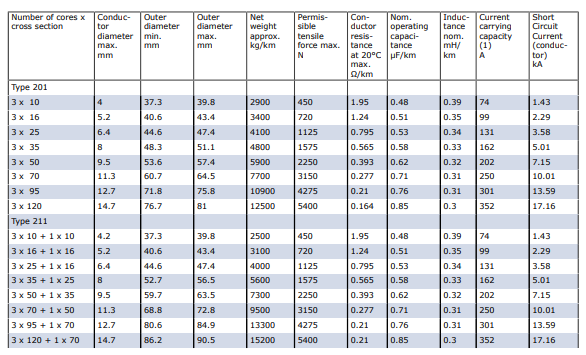
The full range of electrical properties is detailed in the table below, covering all available cross‑sections from 10 mm² to 120 mm²:
These figures demonstrate the high‑performance electrical design of the cables. Low resistance ensures efficient power transmission with minimal energy loss, while high current ratings allow the cables to supply heavy loads required by mining machinery. The short‑circuit current values confirm the cables can safely handle fault currents without damage, a critical safety feature in underground networks.
Mechanical and Thermal Performance
In mining applications, mechanical properties are just as important as electrical performance. PROTOMONT cables are engineered to endure significant physical stress. The maximum permissible tensile load is 15 N/mm², and the maximum pulling force ranges from 450 N for the smallest size up to 5400 N for the largest. This means the cable can be pulled along roadways or lifted without stretching or breaking the internal conductors. The minimum bending radius is specified as 6 times the overall diameter, a value that balances flexibility with structural integrity — allowing the cable to navigate corners and curves without damage while ensuring it does not bend so tightly that internal layers are crushed.
Thermal stability is equally impressive across a wide range of conditions:
For fixed installation: ‑40°C to +80°C
For fully flexible operation (dragging, movement): ‑25°C to +60°C
This wide operating range means the cables remain flexible and functional whether installed in cool, high‑altitude mines or operating in the hot, humid environments typical of low‑land coal mines in Sumatra and Kalimantan. They are also fully weather‑resistant, suitable for both indoor and outdoor use, and formulated to resist degradation from ozone and moisture — two factors that rapidly destroy standard cables.
Type 201 vs Type 211: Key Differences and Selection Guide
One of the most important distinctions to understand when specifying these cables is the difference between Type 201 and Type 211. While they share the same base construction, materials, and performance characteristics, their core configuration differs significantly, and this choice has important implications for safety and compliance.
PROTOMONT Type 201 is a 3‑core construction, containing only the three power‑carrying conductors. It is designed for simpler circuits where the protective earth function is provided by other means, such as through the steel armour or a separate earthing system. It is available in sizes from 3 × 10 mm² up to 3 × 120 mm², with overall diameters ranging from 37.3 mm to 81.0 mm and weights from 2900 kg/km to 12500 kg/km. This type is often used in auxiliary circuits or where local regulations permit simplified earthing arrangements.
PROTOMONT Type 211 is a 3 + 1‑core construction, containing three power cores plus one dedicated protective earth conductor, identified by the standard green‑yellow colour combination. This is the most widely used version in Indonesia and throughout Southeast Asia, as it aligns perfectly with national mining safety regulations that require a dedicated, insulated earth conductor for all power distribution cables. The earth core is laid up together with the power cores around a central filler, ensuring it is protected and positioned identically to the live conductors. Sizes range from 3 × 10 + 1 × 10 mm² up to 3 × 120 + 1 × 70 mm², with overall diameters from 37.3 mm to 90.5 mm and weights from 2500 kg/km to 15200 kg/km.
For mine roadway extensions and coalface lighting systems in Indonesia, Type 211 is almost always the recommended choice. The dedicated earth core provides a low‑resistance path for fault currents, enabling rapid operation of protective devices and significantly reducing the risk of electric shock or fire. It is the configuration that ensures full compliance with the strictest safety standards found in the country’s mining industry.
Material Science: The Engineering Behind the Performance
The exceptional performance of PROTOMONT cables is not accidental; it is the result of careful material selection based on deep understanding of polymer science, electrical engineering, and corrosion chemistry. Every material used is chosen for specific properties that address the challenges found underground, and the combination is designed to work synergistically.
Conductor: Class 5 Tinned Copper
At the heart of every cable is the conductor, and for PROTOMONT, this is finely stranded copper conductor, tinned, Class 5, in accordance with BS 6360.
Material Composition: High‑purity electrolytic copper (minimum 99.95% purity) forms the base material. Each individual wire is coated with a thin layer of tin.
Scientific Principles:
Electrical Performance: Stranding the conductor into many fine wires increases the surface area available for current flow, reducing the skin effect — a phenomenon where alternating current tends to concentrate near the surface of a conductor, increasing resistance. This allows the cable to carry more current for a given cross‑section. The tin coating prevents oxidation and sulphidation of the copper, ensuring that electrical resistance remains stable over decades, even in humid or chemically active mine atmospheres.
Mechanical Performance: Class 5 stranding is the standard for flexible cables. The large number of very fine wires allows the conductor to bend repeatedly without breaking or suffering from fatigue — a critical requirement for cables that are moved and extended regularly.
Corrosion Protection: Tin acts as a sacrificial anode in the electrochemical series. If moisture penetrates or the cable is damaged, the tin corrodes preferentially, protecting the underlying copper from degradation. This is a fundamental principle of corrosion science, applied here to ensure long‑term conductivity.
Ordinary cables often use solid conductors or bare copper. Solid conductors are rigid and break easily when bent, while bare copper corrodes rapidly in the presence of moisture and sulphur compounds found in coal mines, leading to high resistance and overheating.
Insulation: PROTOLON® EPR (Ethylene‑Propylene Rubber)
The insulation material is specified as PROTOLON®, based on EPR (Ethylene‑Propylene Rubber), coloured according to BS 7655. This is perhaps the single most important material choice in the cable.
Material Properties: EPR is a synthetic elastomer belonging to the family of ethylene‑propylene copolymers. It is cross‑linked during manufacturing to give it thermoset properties, meaning it will not melt or flow when heated.
Scientific Principles:
Electrical Engineering: EPR has an exceptionally low dielectric constant (approximately 2.3) and very low dielectric loss factor. This means it creates a stable electric field within the cable, minimizing energy loss and heat generation. It also has excellent resistance to corona discharge and partial breakdown — phenomena that occur in high‑stress electrical environments and are the primary cause of insulation failure in PVC or PE cables. The insulation resistance of EPR exceeds 10¹² Ω·km, providing a near‑perfect barrier against leakage currents.
Thermal Stability: Because of its cross‑linked molecular structure, EPR remains stable at continuous operating temperatures up to 90°C and retains its properties even at 250°C during short‑circuit events. Unlike thermoplastic materials such as PVC or polyethylene, it does not soften or flow when heated, preventing conductor movement or short‑circuiting.
Environmental Resistance: The molecular structure of EPR is fully saturated, meaning it contains no double chemical bonds that are vulnerable to attack by ozone, oxygen, or acids. This makes it inherently resistant to weathering, ozone, moisture, and chemical degradation — exactly the conditions found in underground mines. It remains flexible at temperatures as low as ‑40°C, ensuring it does not become brittle or crack in cold conditions.
When compared to PVC, the most common insulation material, the difference is clear. PVC is limited to 70°C operation, becomes stiff in cold weather, releases toxic smoke when burned, and degrades rapidly in the presence of oil or chemicals. EPR is the only material that satisfies all the requirements for mining use simultaneously.
Screen: Copper‑Nylon Composite Braid
Each phase conductor is individually screened with a composite copper/nylon braid. This is a feature that separates high‑performance mining cables from standard industrial products.
Material Structure: The screen is formed by braiding together fine copper wires and high‑strength nylon fibres, covering at least 90% of the insulated core surface.
Scientific Principles:
Electromagnetic Control: The screen creates an equipotential surface around each conductor. This contains the electric field entirely within the insulation, preventing it from extending outward and causing interference with other cables or sensitive equipment. More importantly, it ensures that any leakage current or fault current is captured and conducted safely to the earth, rather than arcing or sparking — a vital safety measure in explosive atmospheres.
Mechanical Reinforcement: The inclusion of nylon fibres increases the tensile strength and abrasion resistance of the screen. Unlike foil screens used in cheaper cables, which tear easily, this braided composite is flexible, tough, and capable of withstanding the friction and stress of movement.
Inner Sheath and Outer Sheath: CR (Chloroprene Rubber / Neoprene)
Both the inner sheath and the outer sheath are manufactured from CR (Chloroprene Rubber), branded as PROTOLON® for the inner layer and PROTOFIRM® for the outer layer. Colour coding is used for voltage identification: black for cables rated up to 1.1 kV, and red for cables above 1.1 kV.
Material Properties: CR is a polar, synthetic rubber with excellent mechanical strength, good elasticity, and high resistance to chemical attack. It is widely recognized as the premier material for heavy‑duty rubber cables.
Scientific Principles:
Barrier Function: The inner sheath forms a continuous, impermeable layer between the insulated cores and the steel armour. It prevents the armour wires from abrading or damaging the insulation, and it seals the cable core against moisture ingress. The outer sheath provides the final line of defence against the external environment.
Chemical Resistance: The polar molecular structure of CR gives it natural resistance to oils, greases, fuels, and many chemicals — meeting the requirements of EN 60811‑404. It is also inherently flame‑retardant and self‑extinguishing, complying with IEC 60332‑1‑2, so it will not spread fire along the cable length.
Thermal and Mechanical Performance: CR maintains its elasticity over a wide temperature range. It does not harden or crack at low temperatures, nor does it soften or lose its shape at high temperatures. It has high tear strength and excellent resistance to abrasion and cutting, making it ideal for dragging over rough rock or soil.
Adhesion and Compatibility: CR bonds well to itself and to other materials used in the cable construction, ensuring the layers do not separate or delaminate under stress or temperature changes.
Reinforcement: Pliable Armour of Galvanized Steel Wires
The mechanical backbone of the PROTOMONT cable is the pliable armour of galvanized steel wires. This is not the rigid steel tape armour found in fixed‑installation cables; it is designed specifically for flexibility.
Material and Construction: High‑carbon steel wire is annealed to make it soft and ductile, then hot‑dip galvanized with a coating of at least 275 g/m² of zinc. The wires are applied in a helical pattern around the inner sheath.
Scientific Principles:
Mechanical Load‑Bearing: The armour carries approximately 80% of the tensile load applied to the cable. This ensures that the delicate conductors and insulation are protected from stretching or breaking when the cable is pulled. The helical winding allows the cable to bend and flex without the armour restricting movement or springing open.
Corrosion Protection: The galvanization process provides two levels of protection. First, the zinc coating forms a physical barrier isolating the steel from the environment. Second, zinc acts as a sacrificial metal — if the coating is scratched or damaged, the zinc corrodes first, protecting the steel underneath through electrochemical action. This is essential for long life in wet, acidic mine environments.
Crush Resistance: The steel armour provides high resistance to crushing and impact damage from falling rocks or heavy vehicles, a common hazard in underground roadways.
This combination of materials — tinned copper, EPR, copper‑nylon screen, CR sheathing, and galvanized steel — creates a system where every component supports the others, resulting in performance that far exceeds what is possible with standard materials.
Structural Design: The Philosophy of Protection
The way these materials are arranged into a finished cable follows a clear engineering philosophy: inner layers protect electrical integrity, middle layers provide mechanical strength, and outer layers protect against the environment. This design is not arbitrary; it is the result of decades of mining engineering experience and understanding of how cables fail.
Layer‑by‑Layer Construction
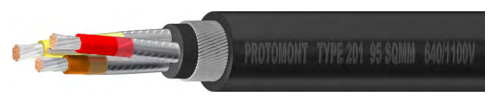
From the centre outwards, the structure of PROTOMONT Type 201 and Type 211 is as follows:
Conductors: Class 5 tinned copper wires, compacted to form a round profile. In Type 211, the dedicated earth conductor is identical in construction to the power cores.
Insulation: Extruded layer of EPR, colour‑coded for identification. Each core is insulated individually.
Screen: Copper‑nylon braid applied over every insulated power core. This ensures that each phase is electrically isolated and shielded.
Core Assembly and Filler: The screened cores and (in Type 211) the earth core are laid up together in a symmetrical helical arrangement. A central elastomeric filler is used to fill the gaps and maintain a perfectly circular cross‑section. This round shape is critical — it ensures that stress is distributed evenly around the cable and prevents localized pressure points that could damage insulation.
Inner Sheath: A layer of CR rubber is extruded over the assembled cores and filler, binding them together and creating a smooth, protective bed for the armour.
Armour: Galvanized steel wires are applied in one or more layers, helically wound. Because the wires are soft and pliable, the cable remains flexible while gaining strength.
Outer Sheath: The final, thick layer of high‑grade CR rubber is extruded over the armour. This is the toughest layer, formulated to resist wear, weather, and chemical attack.
Why This Structure Works
The design logic behind this construction addresses every possible mode of failure:
Electrical Failure Prevention: By insulating and screening each core individually, the design eliminates the risk of phase‑to‑phase breakdown or leakage. The round geometry ensures uniform electric field distribution, avoiding stress concentrations that lead to insulation aging.
Mechanical Failure Prevention: The load‑bearing armour separates the mechanical function from the electrical function. The conductors do not carry tension, so they do not stretch or break. The helical design allows bending without kinking or fatigue. The central filler ensures that when the cable is crushed or compressed, the force is distributed, protecting the cores inside.
Environmental Failure Prevention: The double sheath system provides a complete seal. Moisture, dust, and chemicals cannot penetrate easily. Even if the outer sheath is slightly damaged, the inner sheath and armour provide a second line of defence. The material choices ensure that even if the environment is hot, wet, or chemically aggressive, the materials themselves do not degrade.
This is the structural secret of PROTOMONT: it is designed not just to function, but to resist failure in every way that cables typically fail in mines.
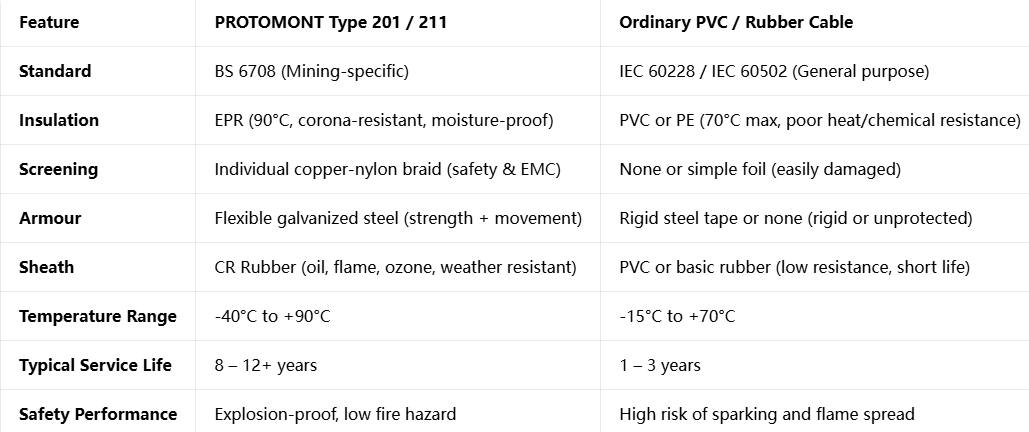
Comparison with Ordinary Cables
To truly appreciate the design, it helps to compare PROTOMONT with standard cables often used in mining by operators seeking lower upfront cost.
The difference is clear. Ordinary cables are built for clean, dry, fixed industrial environments. PROTOMONT is built specifically for the hostile, dynamic, and dangerous world of underground coal mines.
Applications and Working Conditions: Perfect for Indonesian Mine Roadways and Lighting
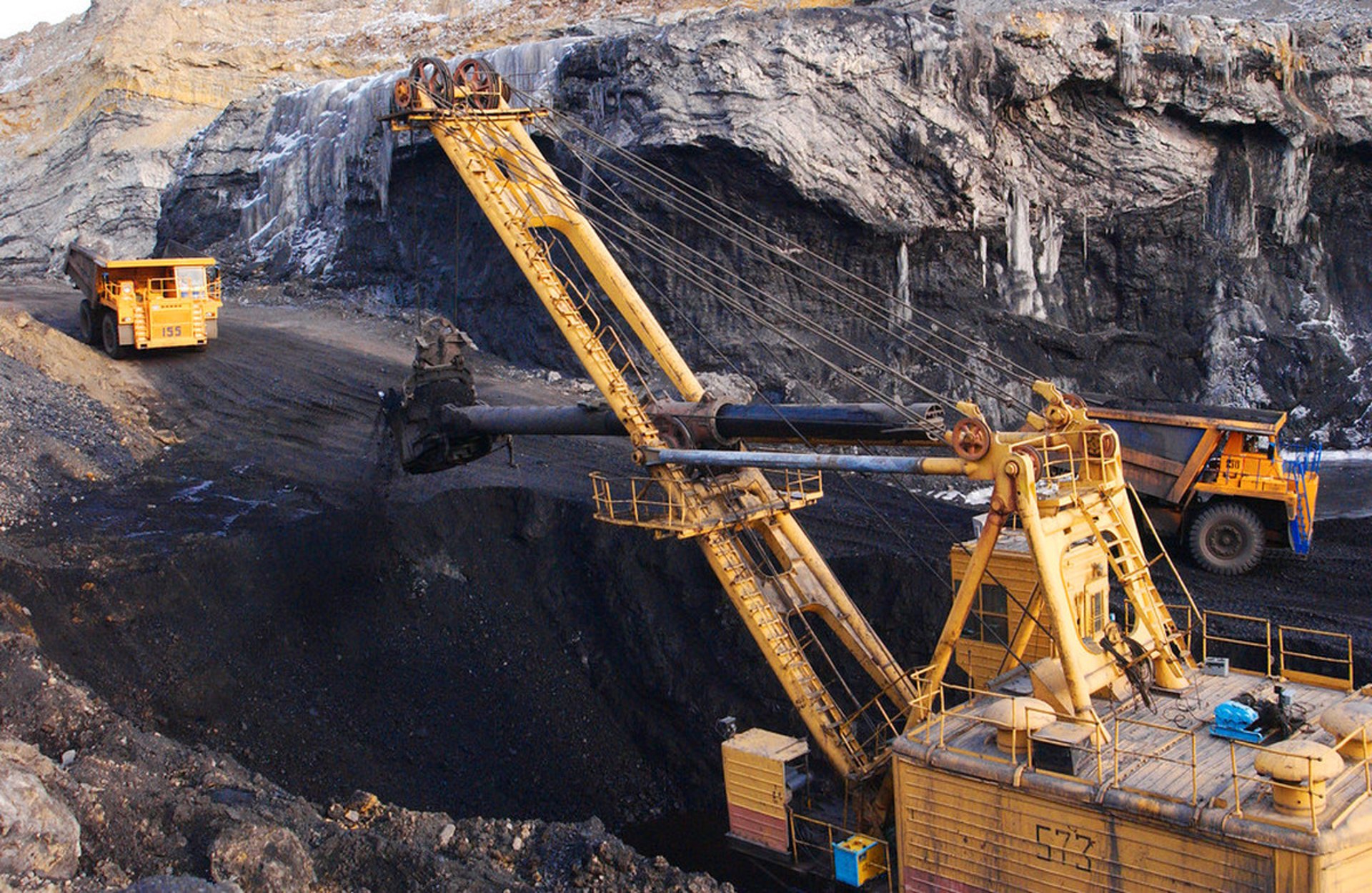
The design and specification of PROTOMONT Type 201 and Type 211 make them uniquely suited for the two primary applications mentioned in their official documentation: fixed installation in underground mines for mine roadway extension cables and for coalface lighting.
The Environment of Indonesian Coal Mines
Coal mining operations in Indonesia present a specific set of environmental challenges that define the operating conditions for power cables:
High Humidity and Water: Mines in Sumatra and Kalimantan are located in tropical rainforest regions. Groundwater is abundant, and humidity levels underground often exceed 90%. Cables are frequently exposed to water spray, damp soil, and wet rock surfaces.
High Ambient Temperature: Underground temperatures range from 28°C to 40°C, and heat generated by machinery and lighting adds to the thermal load.
Mechanical Stress: Roadways are extended continuously as mining progresses. Cables are dragged over rough ground, bent around corners, and subjected to tension during installation and operation. They are also at risk of impact from falling rock or heavy equipment.
Chemical Exposure: Coal dust, rock dust, hydraulic oils, greases, and acidic mine water are all present. These substances can degrade standard rubber or plastic materials rapidly.
Explosion Risk: Methane gas is commonly found in coal seams, and coal dust itself is explosive. This requires all electrical equipment and cables to be constructed in a way that prevents the generation of sparks or high temperatures.
Performance in Roadway Extension Systems
Mine roadway extension cables form the backbone of the underground power network. They carry power from the main distribution centre to the working face, often over distances of several kilometres.
PROTOMONT Type 211 is the preferred choice here. Its high current‑carrying capacity allows it to supply power to multiple loads along the route, while its low resistance minimizes voltage drop over long distances. The dedicated earth core ensures that every section of the network is safely earthed. The mechanical strength of the steel armour allows the cable to be pulled and extended without damage, while the flexible construction makes it easy to handle and install in confined spaces.
In South Sumatra, for example, major mining companies have standardized on Type 211 for all roadway extensions. Field reports indicate that these cables operate reliably for over 10 years, even in areas with high water ingress and heavy traffic, whereas previously used cables required replacement every 18 to 24 months.
Performance in Coalface Lighting
Lighting systems at the coalface are essential for safety and productivity. These circuits operate at lower power levels but require the highest possible reliability. A failure in lighting creates a safety hazard and halts production.
PROTOMONT cables are ideal here because of their stable electrical performance and safety features. The individual screening ensures that even if the cable is damaged or wet, there is no risk of sparking. The wide temperature range ensures the lights remain operational regardless of how hot or cold the working face becomes. The durability of the CR sheath means the cable can withstand the rough handling associated with advancing the face and moving equipment.
Why No Other Cable Can Match
When operators try to use other types of cables — such as standard rubber‑sheathed flexible cables or armoured cables designed for fixed installation — they encounter problems. Fixed armoured cables are too stiff and heavy to be moved or extended, leading to damage during installation. Flexible cables without armour are easily cut or crushed. Cables with PVC insulation degrade quickly in heat and moisture. Only PROTOMONT Type 201 and Type 211 offer the complete set of properties needed to survive and perform in this environment.
Feichun Equivalent: The Smart Alternative
While Prysmian PROTOMONT is widely recognized as the original benchmark product, mining operators and engineering procurement teams in Indonesia and Southeast Asia are increasingly turning to Feichun cables as a fully equivalent alternative. This choice is based on technical equality, commercial advantages, and reliable supply.
Technical Equivalence
Feichun manufactures its Type 201 and Type 211 cables strictly in accordance with BS 6708, using the exact same materials, construction methods, and quality standards as the original product.
Same Standards: Compliance with BS 6708, BS 6360, BS 7655, IEC 60332‑1‑2, and EN 60811‑404 is fully certified.
Same Materials: Class 5 tinned copper conductors, EPR insulation, copper‑nylon screening, CR sheathing, and galvanized steel armour are used in identical specifications.
Same Performance: Electrical parameters, mechanical strength, temperature ratings, and chemical resistance match the original datasheet values exactly.
Same Dimensions: Outer diameters, bending radii, and weights are identical, ensuring compatibility with existing installation practices and accessories.
For engineering and safety purposes, Feichun cables are 100% interchangeable with the original brand. They have been tested and approved for use in major mining projects in Indonesia, meeting local regulatory requirements.
Key Advantages
Choosing Feichun offers significant practical and financial benefits:
Competitive Pricing: Without the premium associated with a large international brand, Feichun cables are typically 20% to 35% less expensive, delivering substantial cost savings on large‑scale projects without compromising quality.
Short Delivery Times: Production is optimized for fast turnaround. Lead times are generally 2 to 4 weeks, compared to 8 to 12 weeks for imported original products. This is a critical advantage in the mining industry, where delays in cable delivery can hold up entire development projects.
Customization and Support: Feichun offers flexible manufacturing, allowing for custom marking, colour coding, or packaging to meet specific project requirements. Technical support is available locally, ensuring fast response to inquiries or technical issues.
For procurement teams in Indonesia, Feichun represents the best balance of proven performance, safety compliance, and value.
Selection Guide and Practical Advice
Choosing the correct cable is essential to ensure safety, performance, and economy. Based on the detailed specifications and application analysis, here is a practical guide for engineers and buyers.
Type Selection
Choose Type 211 for all applications where safety regulations require a separate protective earth conductor, or where the highest level of fault protection is desired. This is the standard choice for roadway extensions and lighting systems in Indonesia.
Choose Type 201 only where the local installation rules allow earthing via the armour or where the circuit design includes a separate earth conductor. It is a lighter, simpler option but offers less safety integration.
Cross‑Section Sizing
Selecting the correct conductor size is a three‑step process:
Current Rating: Calculate the maximum load current of the circuit. Use the table provided earlier to select a size where the current‑carrying capacity exceeds the load, taking into account factors such as ambient temperature, grouping of cables, and installation method. In warm underground conditions, derating factors may apply.
Voltage Drop: Ensure that the voltage drop from the supply point to the furthest load does not exceed 5% of the nominal voltage. Use the conductor resistance values to calculate this. Longer roadways require larger cross‑sections to maintain voltage levels.
Short‑Circuit Capacity: Verify that the cable can withstand the maximum prospective short‑circuit current of the system, using the short‑circuit current column in the specification table.
Installation and Maintenance Best Practices
Bending: Never bend the cable to a radius smaller than 6 times the outer diameter. Sharp bends damage the armour and insulation.
Pulling: Do not exceed the maximum permissible tensile force listed in the specifications. Use appropriate pulling grips to distribute the load evenly.
Storage: Store cables in a dry, covered area away from direct sunlight or chemicals. Although they are weather‑resistant, prolonged exposure before installation can shorten life.
Inspection: Regularly inspect the outer sheath for cuts or damage. Minor damage can be repaired, but deep cuts exposing the armour or cores require immediate replacement to prevent water ingress and corrosion.
Frequently Asked Questions
Q: Can PROTOMONT Type 201 or Type 211 be used in open‑pit mines or surface installations?
A: Yes. The cables are fully weather‑resistant, UV‑stable, and suitable for unrestricted use indoors and outdoors. They perform equally well in surface quarries or open‑pit operations, providing the same durability and safety benefits.
Q: Are these cables safe for use in gassy mines?
A: Absolutely. They are designed and tested to BS 6708, which includes strict requirements for use in potentially explosive atmospheres. The individual screening and robust construction prevent the release of electrical energy or sparks that could ignite methane or coal dust.
Q: What is the difference between Type 211 and Type 21?
A: The main difference is the presence of individual core screening. Type 211 features a copper‑nylon screen over every power core, providing superior safety, electrical stability, and EMC performance. Type 21 is an unscreened version. Type 211 is the higher‑specification product and is recommended for all modern mining applications.
Q: How long can I expect these cables to last in service?
A: Under normal operating conditions, with proper installation and maintenance, a service life of 8 to 12 years is typical. In well‑managed mines with good maintenance practices, service life can extend beyond 15 years — a vast improvement over the 1‑3 years typical for standard cables.
Q: Can Feichun cables be used as a direct replacement for existing Prysmian installations?
A: Yes. Because Feichun cables follow the exact same standard, dimensions, and performance specifications, they are a direct, drop‑in replacement. No changes to installation methods, terminations, or protection settings are required.
Conclusion
The PROTOMONT Type 201 and Type 211 series is more than just a product; it is the result of over a century of cable engineering experience, specifically tailored to solve the unique problems of underground mining. For operators in Indonesia, where the combination of high humidity, heat, mechanical stress, and strict safety regulations creates one of the most demanding operating environments in the world, these cables are not just a good choice — they are the only choice that truly delivers on all requirements.
By adhering to the rigorous BS 6708 standard, utilizing a scientifically optimized combination of EPR insulation, CR sheathing, tinned copper, and galvanized steel, and following a structural philosophy that protects electricity, mechanics, and the environment, these cables achieve what was previously thought impossible: the perfect balance of safety, strength, flexibility, and long life.
For roadway extension systems and coalface lighting, reliability is not a luxury — it is a requirement for safety and profitability. Choosing PROTOMONT Type 211 ensures that power is delivered safely and continuously, year after year, with minimal maintenance and maximum compliance. And with Feichun equivalents, operators now have access to this world‑class technology at a price point and delivery schedule that makes it accessible for every project.
Contact
If you want to buy BS 6708 PROTOMONT Type 201 or Type 211 cables, or if you need technical consultation regarding specifications, sizing, or compliance for your mining project, please contact the Feichun team:
Feichun is an official manufacturer of BS 6708 compliant mining cables, offering certified quality, global shipping, and dedicated technical support for the mining industry in Indonesia and worldwide.
Feichun Cable
Durable mining cables for tough environments and operations
Email: Tech@feichuncables.com
© 2025. All rights reserved.
Company
Products
Contact
WhatsApp: +86 13855123218