Anhui Feichun Special Cable Co.,Ltd


Unlocking High‑Speed Reeling: R‑(N)TSCGEWÖU + FO Flexible Fiber Optic Cable – EPR Rubber, Anti‑Torsion Braid & VDE Standards for Indonesian Nickel & Coal Mining
For mining operators across Kalimantan, Sumatra, Sulawesi, and Papua: discover how R‑(N)TSCGEWÖU + FO medium‑voltage reeling cables solve twisting, abrasion, and moisture issues. Built to DIN VDE 0250‑813, with EPR insulation and integrated optical fibers, they deliver four to six times longer life than standard rubber cables, reduce costly downtime, and enable smart mine automation in Indonesia’s harshest environments.
Li.Wang
7/13/202612 min read
Introduction: The Hidden Bottleneck in Modern Mining
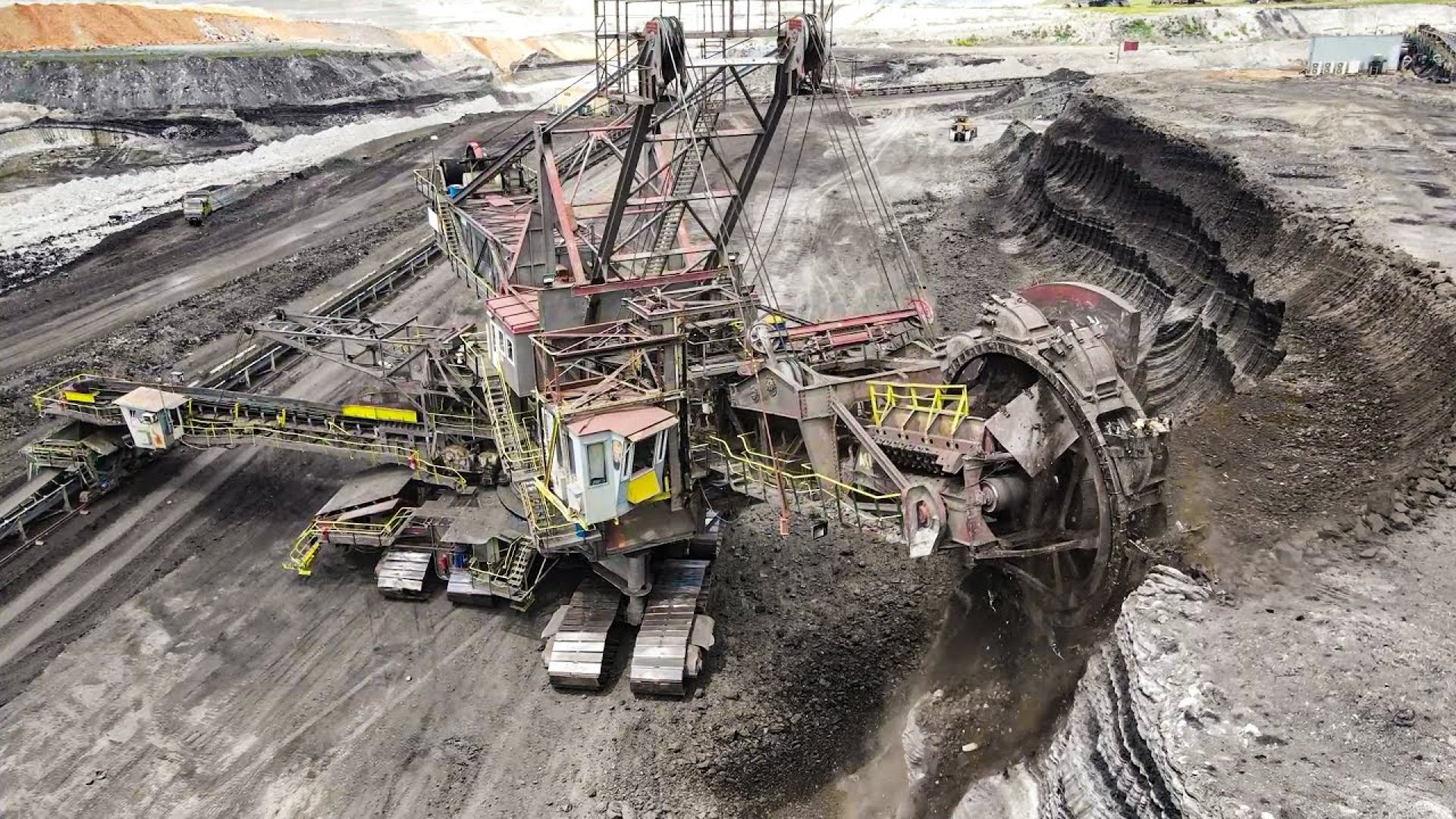
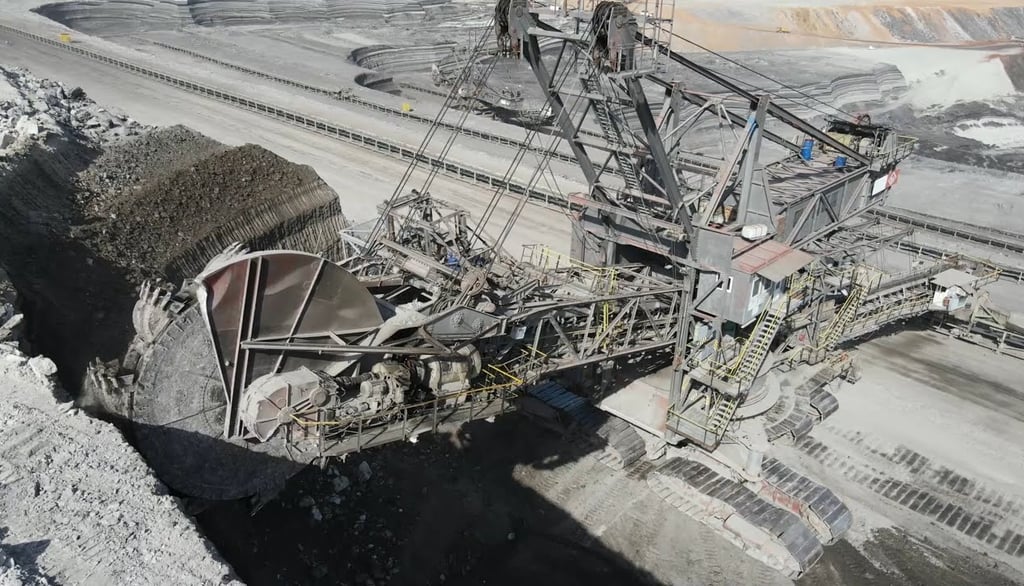
Indonesia stands as one of the world’s largest producers of thermal coal, laterite nickel, copper, and gold. Its mining regions span the archipelago: vast open‑pit coal mines in Kalimantan, rain‑drenched coalfields in Sumatra, rapidly expanding nickel operations in Sulawesi, and remote high‑altitude copper‑gold deposits in Papua. Across these sites, heavy machinery—bucket‑wheel excavators, rope shovels, mobile crushers, overland conveyors, and haul trucks—must operate around the clock. These machines rely on medium‑voltage cables that move continuously, winding and unwinding from reels, bending around pulleys, and twisting with every shift in position.
Yet, in these same operations, cable failure is one of the most common causes of unplanned stoppage. Data from the Indonesian Mining Association shows that roughly 25 % of production downtime can be traced back to electrical cable damage. A single failure can halt an excavator for 8 to 12 hours, costing hundreds of thousands of dollars in lost output, labor, and emergency repairs. The root causes are well‑known: ordinary rubber cables cannot withstand sustained torsion, high reeling speeds, abrasion against rock and steel, or the combined effects of tropical heat, humidity, ultraviolet radiation, and chemical exposure.
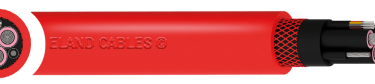
This is where R‑(N)TSCGEWÖU + FO Cable enters the picture. Manufactured by Eland Cables and available as a fully equivalent alternative from Feichun Cables, this is a medium‑voltage flexible reeling and trailing cable designed specifically for extreme mechanical stress. It follows the German standard DIN VDE 0250‑813, belongs to the premium class of European mining cables, and integrates optical fiber modules alongside power conductors. Its core purpose is to solve four persistent problems of conventional cables: breaking under repeated winding, delamination from torsion, rapid sheath wear, and the need to run separate power and communication lines.
Through advanced materials—EPDM/EPR rubber insulation, polyamide anti‑torsion braids, and specially formulated thermoset sheaths—and a layered engineering design, this cable delivers stable electrical performance, exceptional mechanical fatigue resistance, and combined power‑and‑data transmission in one compact footprint. In Indonesia’s mines, it has proven to last four to six times longer than standard alternatives, cutting maintenance costs and supporting the transition to automated, digitally connected operations.
Technical Profile & Key Specifications
To understand how this cable performs under extreme conditions, it is necessary to review its full set of electrical, thermal, mechanical, and dimensional specifications, all verified against independent laboratory standards.
Voltage & Electrical Ratings
The cable is designed for medium‑voltage distribution, with four standard operating voltage classes:
3.6/6 kV (7.2 kV max) – test voltage 11 kV
6/10 kV (12 kV max) – test voltage 17 kV
8.7/15 kV (18 kV max) – test voltage 24 kV
12/20 kV (24 kV max) – test voltage 29 kV
The insulation system is rated for continuous operation at +90 °C conductor temperature, withstanding short‑circuit peaks up to +250 °C for a few seconds without permanent damage. This provides a safety margin well above the operating temperatures seen in tropical mines, where ambient air often reaches 35 °C to 45 °C.
For installation flexibility, the minimum ambient temperature is ‑40 °C for fixed runs and ‑25 °C for moving applications, ensuring performance even during cooler nights or in higher‑elevation mines.
Construction & Dimensions
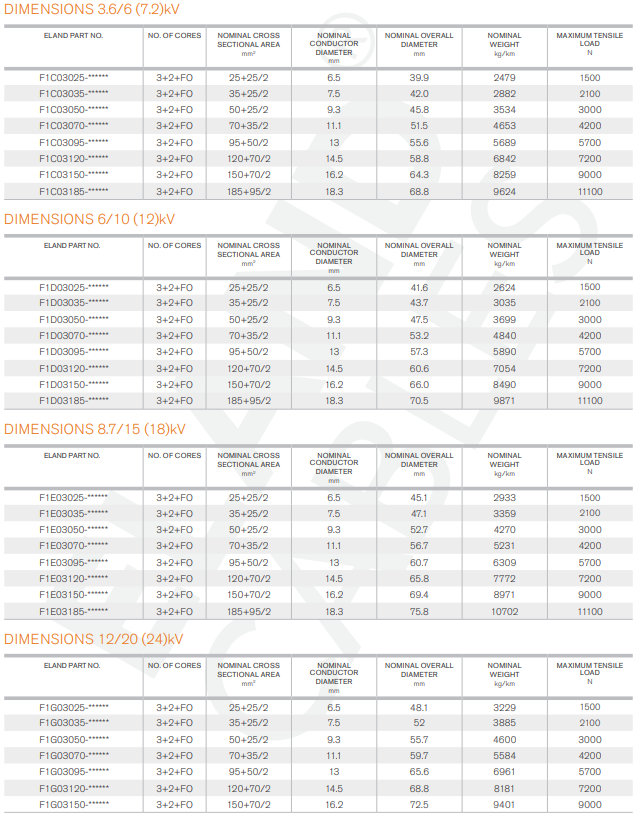
The standard configuration is 3 + 2 + FO: three power cores, two redundant earth cores, and one fiber‑optic module. Conductor cross‑sections range from 25 mm² to 185 mm² for power, with earth cores sized from 25 mm² to 95 mm² to match fault‑current requirements.
The fiber module is type A‑D(ZN)13Y, available with 6, 12, 18, or 24 fibers in three grades:
G50/125 μm multimode – high bandwidth for short‑range control
G62.5/125 μm multimode – general‑purpose data and video
E9/125 μm single‑mode – long‑distance, low‑loss transmission for remote monitoring
Overall outer diameter varies from 39.9 mm to 75.8 mm, and weight ranges from 2,479 kg/km up to 10,702 kg/km, depending on voltage and conductor size. Maximum tensile load reaches 1,500 N to 11,100 N, supporting reeling speeds as high as 180 m/min and torsion up to ±100° per meter without degradation.
Bending & Installation Parameters
Minimum bending radii are defined according to the operating mode:
Fixed installation: 6 × outer diameter
Wound on storage drum: 12 × outer diameter
Running over deflection pulleys: 15 × outer diameter
Free‑move trailing: 10 × outer diameter
These values are larger than those for stationary cables but smaller than many competing heavy‑duty reeling cables, allowing use in compact reel housings common on modern mining equipment.
Compliance & Certifications
The design follows a comprehensive set of international standards:
DIN VDE 0250‑813 – construction and performance for mining reeling cables
IEC 60228 – conductor dimensions and resistance
IEC 60502‑2 – medium‑voltage insulation systems
IEC 60332‑1‑2 – flame propagation resistance
IEC 60811‑404 – resistance to mineral oils and hydraulic fluids
ISO 4892‑2 / UL 2556 – resistance to ultraviolet radiation
ISO 1431‑1 – resistance to ozone aging
It also meets RoHS 2015/65/EU and REACH EC 1907/2006 for environmental compliance, and is certified for use in Zone 2 explosion‑risk areas as defined by IEC 60079‑14.
Layer‑by‑Layer Construction & Material Science
The outstanding performance of R‑(N)TSCGEWÖU + FO comes not from a single material, but from a carefully engineered sequence of layers, each chosen for a specific electrical, mechanical, or environmental purpose.
Conductor & Separator
At the core lie Class 5 annealed flexible copper conductors, either bare or tinned, per IEC 60228. Class 5 means the copper is stranded into very fine wires, allowing the conductor to bend and twist repeatedly without work‑hardening or breaking. Tinning adds a thin barrier against oxidation and electrolytic corrosion, critical in humid, muddy, or slightly acidic environments.
Directly over the conductor is a semi‑conductive non‑woven tape. Its function is to fill gaps between the strands, creating a smooth cylindrical surface. This eliminates sharp points that could concentrate electric field stress and trigger partial discharge, the primary cause of insulation aging in medium‑voltage cables.
Insulation & Shielding System
Next comes the conductor screen, a homogeneous layer of semi‑conductive rubber, followed by the main insulation: special EPDM/EPR rubber. EPDM is chosen because it is a fully saturated polymer, meaning it has no reactive double bonds in its molecular structure. This makes it inherently resistant to ozone, UV, oxidation, and hydrolysis—key factors in tropical degradation. It retains its elasticity from ‑40 °C to +120 °C, well above the continuous operating temperature.
After insulation, a strippable semi‑conductive screen completes the triple co‑extrusion system. This ensures the electric field is distributed evenly in a cylindrical pattern, with no air gaps between layers. The result is partial discharge levels below 10 pC at 1.73 × U₀, a benchmark for long‑term insulation life.
Earth Conductors & Fiber‑Optic Module
Two Class 5 copper earth conductors run parallel to the power cores, each enclosed in its own semi‑conductive rubber jacket. This redundant design ensures fast fault‑current dissipation, keeps touch voltages low, and improves safety in wet or explosive atmospheres.
The fiber‑optic unit A‑D(ZN)13Y uses a loose‑tube construction with water‑blocking gel inside. This design allows the glass fibers to slide slightly within the tube when the cable stretches or bends, preventing micro‑bending that would increase signal loss. Attenuation remains stable: ≤0.21 dB/km at 1550 nm for single‑mode, and ≤2.5 dB/km at 850 nm for multimode.
Inner Sheath & Anti‑Torsion Braid
Over the assembled cores lies the inner sheath, made of thermosetting compound type 5GM3. It acts as a cushion, separating the power cores from the fiber unit, reducing mechanical interaction, and providing a second barrier against moisture ingress.
Wrapped helically around the inner sheath is the anti‑torsion braid, formed from high‑modulus polyamide (nylon) threads. This is the key innovation for reeling applications. When a cable is wound onto a monospiral drum, it naturally tends to twist. The nylon braid works like a composite reinforcement: it resists rotation, converts twisting force into circumferential tension, and limits internal shear stress. This raises the cable’s safe torsion limit from around ±30°/m for ordinary cables to ±100°/m without structural damage.
Outer Sheath
The final layer is the outer sheath, type 5GM5 thermosetting rubber, colored bright red for visibility on mine sites. It is cross‑linked during manufacturing, meaning it will not melt or flow under heat, unlike thermoplastic materials. The compound has a hardness of 75–80 Shore A, tear strength above 20 kN/m, and abrasion resistance exceeding 10,000 cycles in standard tests. It resists diesel, hydraulic oil, mine chemicals, and fungal growth, remaining flexible and tough even after years of exposure.
Engineering Principles: Why This Design Works
Every choice in construction follows clear scientific principles, balancing electrical function, mechanical durability, and environmental stability.
Electrical Design
Medium‑voltage cables require strict control of electric fields. The triple co‑extrusion of semi‑conductive screens and EPDM insulation creates a geometry where voltage stress is distributed uniformly. This avoids the localized high‑field regions that would otherwise degrade insulation over time. The low dielectric constant of EPDM (≈2.5) reduces reactive losses, while its high thermal conductivity (≈0.35 W/m·K) helps dissipate heat from the conductor, allowing the cable to carry up to 10–15 % more current than equivalent XLPE‑insulated cables under the same ambient conditions.
Mechanical Design
Dynamic loading is the biggest enemy of reeling cables. The design uses a principle of strain partitioning: flexible strands take bending, the EPDM insulation absorbs minor deformation, the nylon braid controls torsion, and the tough outer sheath resists external forces. This layered system ensures that no single component bears the full load. Laboratory tests show the cable survives more than 100,000 bending cycles at 10 × diameter, with elasticity recovery above 95 % after repeated flexing.
Environmental Adaptation
Indonesia’s mines present a unique combination of stressors: high ambient heat, constant humidity, heavy rainfall, intense sunlight, and exposure to oils and acids. EPDM’s saturated molecular backbone resists hydrolysis and ozone cracking, while the cross‑linked sheath does not become brittle at low temperatures or soft at high temperatures. The design meets fungus‑resistance standards and short‑term immersion requirements, making it suitable even during the rainy season when ground water levels rise.
Fiber‑Power Integration
Combining power and data into one cable follows the principle of system simplification. In conventional layouts, separate power, control, and communication cables must be routed and terminated, multiplying the number of connections and failure points. The FO integration reduces installation material and labor costs by roughly 30 %, cuts routing space, and eliminates electromagnetic interference between power and low‑voltage signals, since light carries the data.
Performance Advantages vs. Ordinary Mining Cables
To fully appreciate the value of R‑(N)TSCGEWÖU + FO, it is helpful to compare it directly with the standard rubber reeling cables commonly used in Indonesia.
Four Common Failures of Standard Cables
Most mine operators are familiar with these recurring issues:
Torsion failure: Ordinary cables can withstand only ±25° to ±30° per meter. After a few thousand winding cycles, internal layers slip, conductors twist, and insulation cracks.
Sheath wear: Conventional rubber compounds lose thickness rapidly when dragged over steel or rock, often requiring replacement in 8 to 12 months.
Thermal‑mechanical aging: Materials like natural rubber or PVC harden in heat and become brittle in cooler nights, leading to cracking and water ingress.
Separate cabling: Running power, control, and fiber as separate lines means more reels, more weight, and more maintenance points.
Differentiators of R‑(N)TSCGEWÖU + FO
Longer service life: Proven in Indonesian mines to last 4 to 6 times longer, reducing replacement frequency from annual to every 4–5 years.
Compact dimensions: Smaller outer diameter than older designs means more cable fits on the same reel, less bending stress, and lower friction.
Superior torsion control: ±100°/m rating allows operation on monospiral reels without fatigue.
Integrated communication: Enables SCADA, PLC, and condition‑monitoring data transmission, supporting predictive maintenance.
Lower total cost of ownership: Higher upfront cost is offset by fewer replacements, less labor, and fewer production stoppages.
Application & Case Studies in Indonesia
Indonesia’s mining regions each present distinct operating conditions, and R‑(N)TSCGEWÖU + FO has been deployed successfully across all of them.
Kalimantan Coal Mines
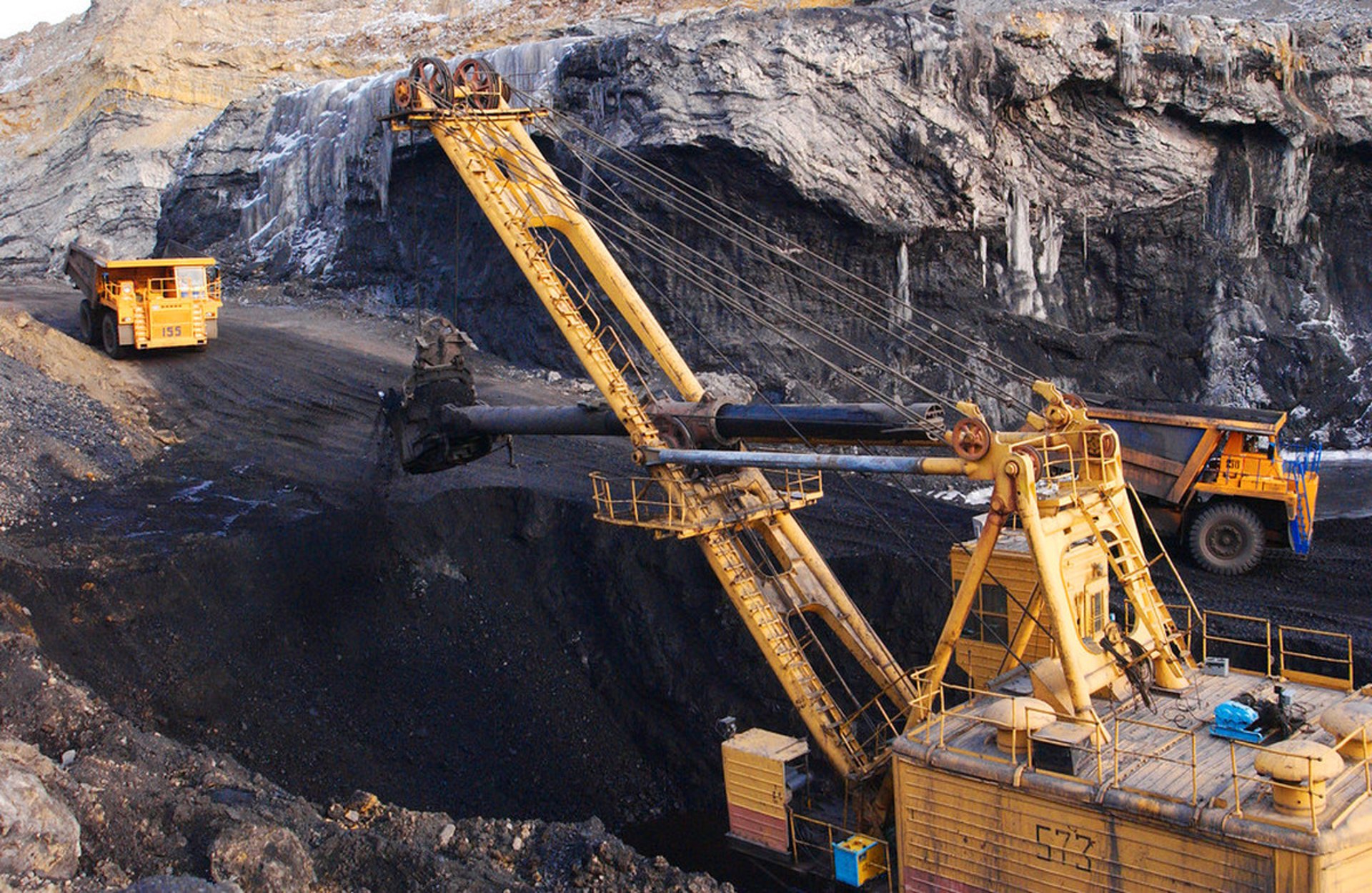
Kalimantan hosts the largest open‑pit coal mines in Southeast Asia. Bucket‑wheel excavators and large shovels operate continuously, with cables winding and unwinding 20 to 30 times per day on reels up to 3.5 m in diameter. Temperatures often exceed 40 °C, and dust and coal particles act as abrasives.
A typical installation uses F1E03095‑12SM09 (8.7/15 kV, 95 mm² power, 12‑core single‑mode fiber). Over five years of operation, inspections recorded sheath wear of only 1.2 mm, no fiber signal loss, and no electrical faults. The mine reported a 75 % reduction in annual cable spending and 40 % fewer production interruptions compared to the previous cable type.
Sumatra Coal Fields
Sumatra’s mines face high rainfall, humidity above 90 %, and standing water in low‑lying areas. This environment accelerates corrosion, mold growth, and water‑treeing in insulation. The cable’s sealed construction, semi‑conductive layers, and EPDM insulation prevent moisture penetration and maintain insulation resistance even after years of exposure. Operators here have noted that it continues to perform reliably where standard cables failed within 10 months due to water‑induced degradation.
Sulawesi Nickel Mines
Sulawesi’s laterite nickel mines are expanding rapidly to meet global demand. They use continuous conveyor systems, mobile crushers, and automated stackers. Here, the integrated fiber‑optic module becomes a major advantage. Operators monitor motor temperature, vibration, and belt tension in real time, adjusting operations before faults occur. One mine in Morowali Industrial Park reported reducing unplanned stops by 70 % after switching to this cable, directly supporting their smart‑mining goals.
Papua Copper‑Gold Operations
In the high‑altitude, remote mines of Papua, logistics and maintenance are expensive and difficult. The cable’s long life and reliability reduce the need for frequent site visits. The fiber link carries data over long distances, connecting equipment to central control rooms without additional signal wiring. Its suitability for Zone 2 hazardous areas also simplifies compliance with local mining safety regulations.
Equivalent Alternative: Feichun R‑(N)TSCGEWÖU + FO
While Eland Cables is the original manufacturer, Feichun Special Cable offers a fully equivalent alternative that meets the same technical specifications and standards.
Compliance & Interchangeability
Feichun’s version follows DIN VDE 0250‑813, IEC 60228, IEC 60811, and all related test methods. It uses the same construction: Class 5 copper conductors, triple semi‑conductive shielding, EPDM insulation, dual earth cores, A‑D(ZN)13Y fiber modules, polyamide anti‑torsion braid, and 5GM5‑equivalent outer sheath. Electrical resistance, tensile strength, bending radius, and temperature ratings are identical to the original, allowing direct replacement without design changes.
Competitive Benefits
Cost efficiency: Typically 20–30 % lower in price than European‑sourced equivalents.
Shorter lead times: 15–30 days for standard sizes, compared to 8–12 weeks for imported cables.
Full documentation: Factory test reports, compliance certificates, and technical drawings are available for all projects.
Local support: Engineering assistance available in English and Bahasa Indonesia, simplifying specification and installation in Southeast Asia.
Selection, Installation & Maintenance
Choosing and installing the cable correctly ensures maximum performance and service life.
Selection Guide
Voltage rating: 3.6/6 kV for small machines; 6/10 kV or 8.7/15 kV for main power circuits; 12/20 kV for long‑distance feeds.
Conductor size: 25–70 mm² for light‑to‑medium loads; 95–185 mm² for large excavators and crushers.
Fiber type: G50/125 for short‑range control; G62.5/125 for general use; E9/125 for long‑distance monitoring.
Installation Best Practices
Maintain minimum drum/pulley diameters to avoid excessive bending stress.
Use swivel joints to prevent over‑twisting at connection points.
Limit tension to 20 N/mm² of conductor cross‑section.
Follow manufacturer guidelines for medium‑voltage terminations and fiber‑optic splicing.
Routine Maintenance
Measure sheath thickness annually; replace if remaining thickness falls below 70 % of nominal.
Check for swelling, cuts, or oil‑induced softening.
Monitor fiber attenuation to detect gradual damage.
Use thermal imaging at connections to identify loose or overheated joints.
Frequently Asked Questions
Q: Is this cable safe for use in explosive atmospheres?
A: Yes. It meets IEC 60079‑14 requirements for Zone 2 hazardous areas, with flame‑retardant materials and no exposed metallic parts that could create sparks.
Q: Can it be permanently submerged in water?
A: While not designed for continuous subsea service, it resists temporary immersion and operates reliably in wet, muddy, or flooded conditions.
Q: How does it compare to NSSHOEU cables?
A: NSSHOEU is a general‑purpose mining cable. R‑(N)TSCGEWÖU + FO has a more compact design, better torsion resistance, and integrated fiber optics, making it far more suitable for high‑speed reeling.
Q: Can I use it without the fiber‑optic module?
A: Yes. Non‑FO versions are available with the same mechanical and electrical characteristics.
Conclusion
R‑(N)TSCGEWÖU + FO Cable represents a clear evolution in medium‑voltage reeling technology. It solves the four critical failure modes of conventional cables: breaking under torsion, wearing out too quickly, degrading in heat and moisture, and requiring separate power and data lines.
Its design follows sound engineering principles: uniform electric‑field control, layered mechanical reinforcement, material selection matched to environmental conditions, and integrated functionality. In Indonesia’s coal, nickel, copper, and gold mines, it has proven that it can deliver 4 to 6 times longer life, reduce maintenance costs, and support the shift toward automated, data‑driven operations.
For project engineers, procurement teams, and mine managers, this cable offers a straightforward path to improved uptime, lower total cost of ownership, and greater operational safety.
If you are specifying reeling cables for mines, ports, or heavy‑material handling projects across Indonesia or Southeast Asia, contact the Feichun Special Cables team for detailed technical data, pricing, and lead times.
Email: Li.wang@feichuncables.com

Feichun Cable
Durable mining cables for tough environments and operations
Email: Tech@feichuncables.com
© 2025. All rights reserved.
Company
Products
Contact
WhatsApp: +86 13855123218