Anhui Feichun Special Cable Co.,Ltd


PROTOLON(SB-SAM) (N)TSCGEWOEU Trailing Cable: Ultimate High Mechanical Stress Solution for Opencast Mining Excavators & Heavy Material Handling – EPR Insulation, 5GM5 Chloroprene Sheath & DIN VDE 0250‑813 for Extreme Trailing Operation
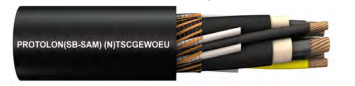
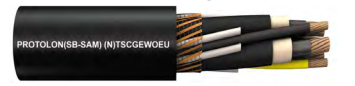
PROTOLON(SB‑SAM) (N)TSCGEWOEU is the premium medium‑voltage trailing cable designed specifically for Indonesian opencast coal, nickel, and bauxite mines – built to survive extreme abrasion, tension, torsion, and tropical weather. With EPR insulation (type 3GI3), 5GM5 chloroprene rubber sheath, and full compliance with DIN VDE 0250‑813, MSHA, GOST, and IEC standards, it solves the core failure problems of standard cables: conductor breakage, sheath wear‑through, insulation breakdown, and early aging. This article explains construction, material science, engineering principles, full specifications, and why Feichun equivalent offers identical performance, faster delivery, and better value for Southeast Asian operations.
Li.Wang
6/11/202613 min read
Introduction: The Critical Challenge of Power Supply in Indonesian Opencast Mining
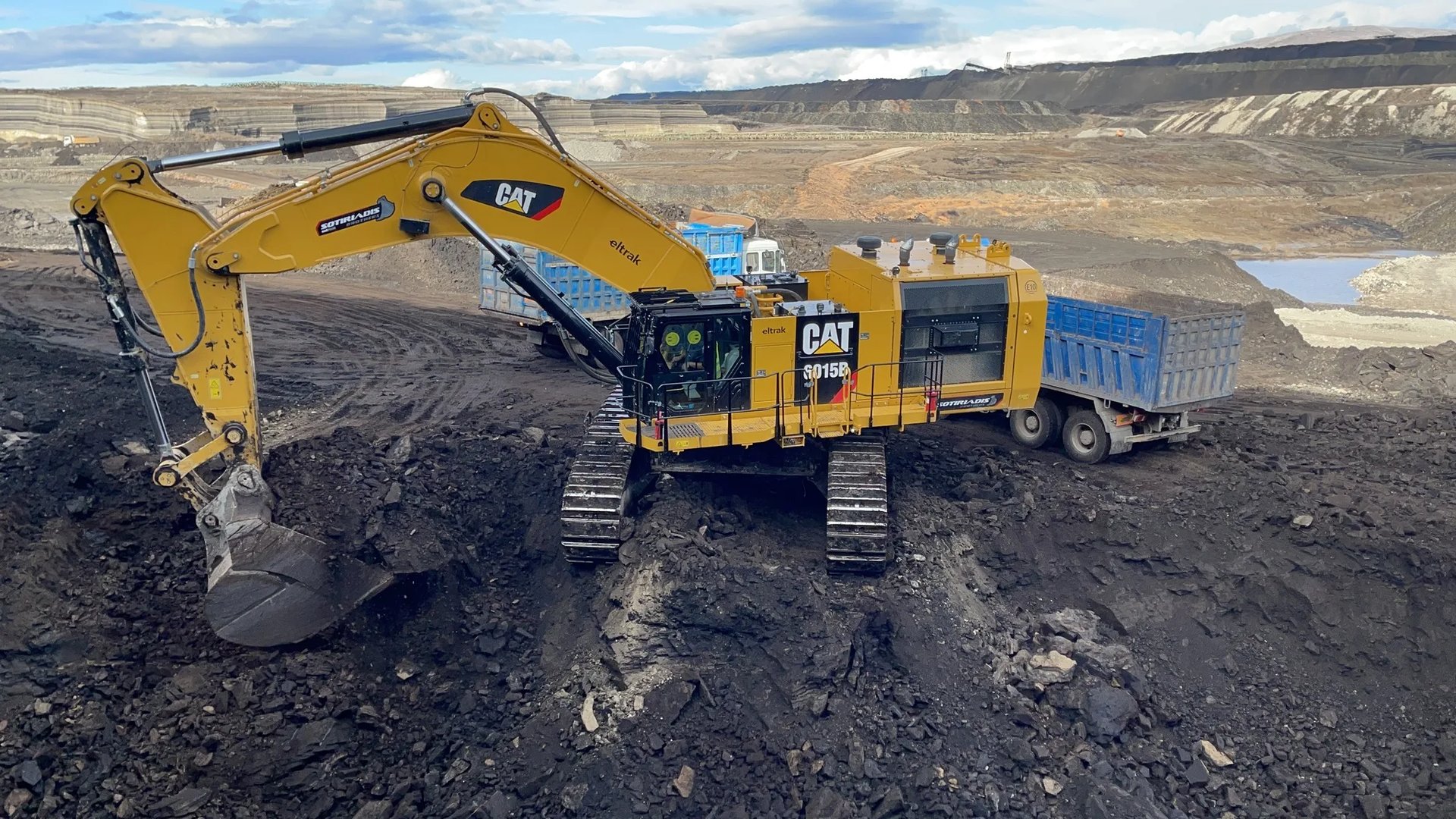
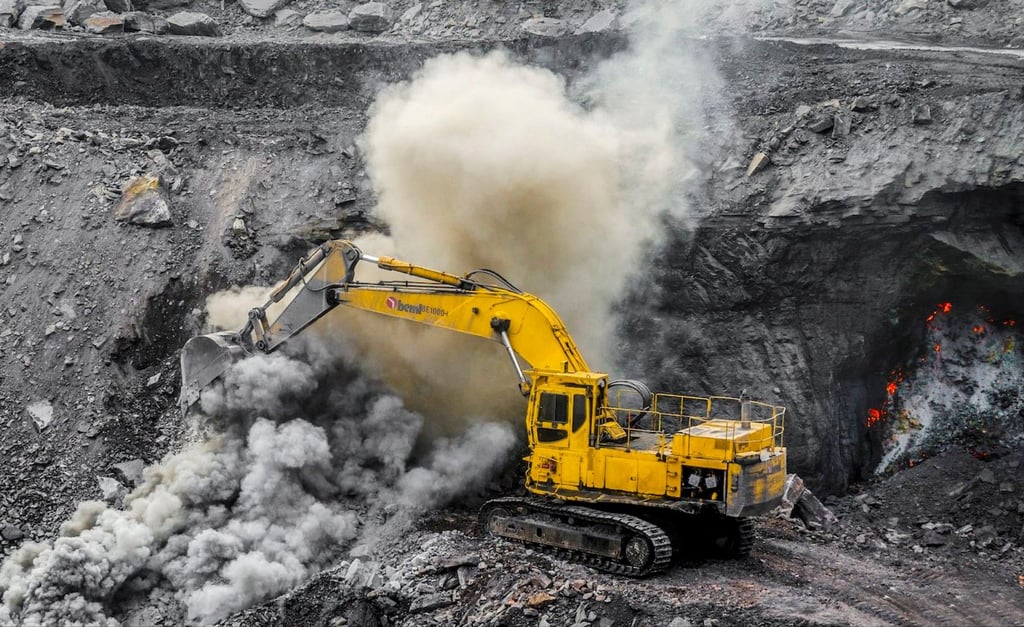
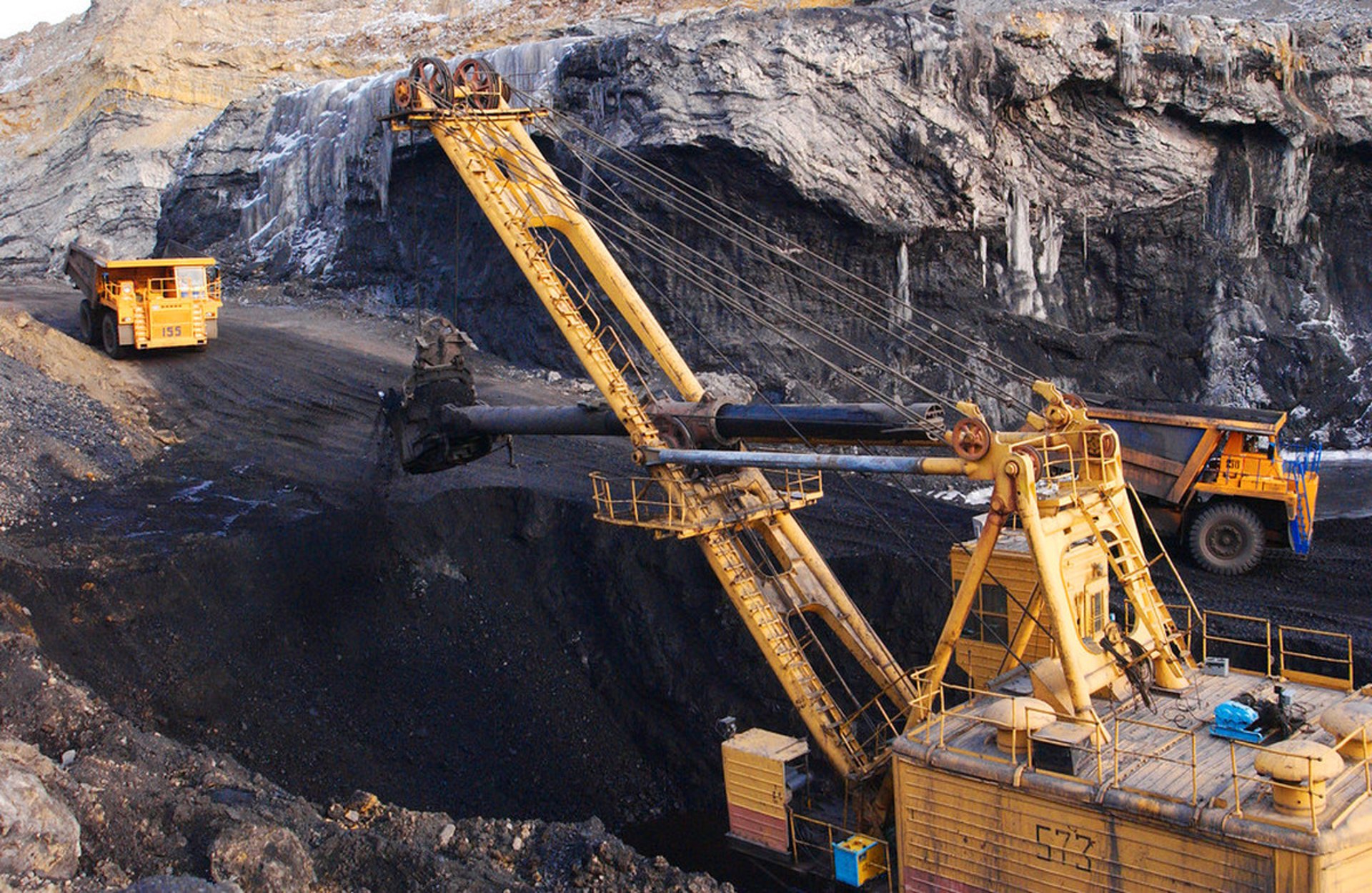
Indonesia is one of the world’s largest producers of thermal coal, nickel laterite, and bauxite, with major mining operations spread across East Kalimantan, South Sumatra, Sulawesi (Morowali, Bahodopi), and Papua. Almost all large‑scale mining here is carried out using open‑pit or surface methods, where heavy machinery operates 24 hours a day, 365 days a year, moving millions of tonnes of material annually. The backbone of these operations is the fleet of heavy equipment: large hydraulic excavators with bucket sizes from 10 to 40 cubic meters, draglines, bucket‑wheel excavators, stackers and reclaimers, heavy‑duty conveyors, and mobile crushers. All these machines rely on flexible power cables that follow their movement – and this is where the biggest operational challenge lies.
The environment in Indonesian mines is uniquely harsh, combining extreme mechanical stress with tropical climate conditions. As these machines travel across uneven, rocky terrain, the cables are constantly dragged over sharp rock, sand, and gravel, subjected to heavy crushing pressure from the machine itself or falling material, and exposed to continuous bending, twisting, and stretching. In many cases, cables are reeled and unreeled at speeds up to 30 meters per minute, with frequent changes in direction. At the same time, they must endure high temperatures (up to 60°C in direct sunlight), heavy monsoon rains, high humidity, intense ultraviolet radiation, and ozone exposure. Standard industrial cables simply cannot survive these conditions.
Mining operators across Indonesia – from PT Berau Coal and PT Borneo Indobara in Kalimantan to the nickel projects of IMIP and PT Vale in Sulawesi – consistently report the same problems: standard rubber cables fail within 12 to 18 months. The most common failure modes are conductor breakage from repeated flexing, sheath wear‑through leading to water ingress, insulation breakdown due to uneven electric stress, and rapid aging caused by weather and heat. Each failure means production stops, replacement costs, and maintenance labor – often totaling more than 30% of the annual operational budget for power systems.
This is exactly the problem PROTOLON(SB‑SAM) (N)TSCGEWOEU was engineered to solve. It is not just a standard cable; it is an engineering‑grade solution built from the ground up for one purpose: to operate reliably where every other cable fails. Its design philosophy is simple but powerful: extreme mechanical resistance + all‑weather durability + long‑term reliability. Every material choice, every layer, and every construction detail is optimized to work together, merging material science, structural mechanics, and electrical engineering into one system. The result is a cable that lasts 5 to 7 times longer than standard alternatives, reduces downtime drastically, and delivers total cost of ownership that is significantly lower over the life of the mine.
Technical Specifications & Standards
Designation and Code Meaning
The full type designation is PROTOLON(SB‑SAM) (N)TSCGEWOEU, a name that carries precise technical meaning:
PROTOLON: Brand name, referring to proprietary EPR insulation system
SB‑SAM: Special design – Super Abrasion & Mechanical resistance – upgraded sheath and reinforcement
(N): Harmonized European design, compatible with international standards
T: Trailing / reeling application – designed for continuous movement
S: Rubber insulated
C: Copper conductor
G: Protective earth conductor included
E: EPR (Ethylene‑Propylene Rubber) insulation
W: Reinforced, heavy‑duty sheath
OEU: Outdoor use, oil‑resistant, weather‑resistant
This is a medium‑voltage, multi‑core, flexible trailing cable, constructed according to the strictest mining specifications.
Compliance and Certifications
All versions of this cable are manufactured and tested to meet or exceed:
DIN VDE 0250‑813: Primary standard – Mining cables; flexible trailing cables for excavators and similar machines – defines construction, materials, and performance for heavy‑duty mining use
MSHA P‑189‑4: Mine Safety and Health Administration (USA) – certified safe for use in underground and surface mining
GOST K / GOST B / Fire Certificate of Russian Federation: Compliance with Eurasian safety and performance requirements
EN 60332‑1‑2 / IEC 60332‑1‑2: Flame retardant, self‑extinguishing – does not propagate fire
DIN VDE 0298‑3: Installation guidelines, bending radius, and mechanical limits
These certifications are critical for operations in Indonesia, where international safety standards are often required by mining authorities and financial institutions.
Voltage Classes
The cable is available in a complete range to match all common distribution voltages in mining:
3.6/6 kV – small to medium excavators
6/10 kV – most common standard voltage
8.7/15 kV – medium‑large machines
12/20 kV – large bucket‑wheel excavators and stackers
14/25 kV – long‑distance, high‑power systems
18/30 kV – largest machines and main distribution
For each class, the maximum permissible operating voltage is higher than the nominal rating: for example, 6/10 kV cable operates continuously at 6.9/12 kV AC or 9/18 kV DC, with an AC test voltage of 17 kV during manufacture. This built‑in safety margin ensures reliability even under voltage fluctuations common in remote mine sites.
Standard Construction and Dimensions
The standard core configuration is fixed and optimized for both electrical balance and mechanical stability:
3 × Main power cores + 2 × Split protective earth conductors + 1 × Pilot/control core (10 mm²)
This arrangement is unique and critical. The two earth conductors are not a single large core but split into smaller sections, placed in the gaps between the main cores. This improves flexibility, balances the cable structure, and ensures reliable grounding even when twisted or bent.
Available cross‑sections for the main conductors range from 25 mm² to 240 mm², covering all power requirements from small machines to the largest excavators:
25, 35, 50, 70, 95, 120, 150, 185, 240 mm²
Key dimensional and weight data (example for 6/10 kV class):
Conductor diameter: 6.5 mm (25 mm²) up to 20.6 mm (240 mm²)
Overall diameter: 40.8 mm minimum to 76.3 mm maximum
Weight: 2700 kg/km up to 11800 kg/km
Permissible tensile force: 1125 N (25 mm²) up to 10800 N (240 mm²)
Electrical Performance
Electrical properties are precisely engineered to ensure stable power delivery, low loss, and long insulation life:
Conductor resistance (20°C): 0.78 Ω/km (25 mm²) down to 0.08 Ω/km (240 mm²) – very low loss
Capacitance: 0.30 to 0.72 μF/km – controlled to avoid resonance or excessive charging current
Inductance: 0.25 to 0.34 mH/km – balanced for long‑distance transmission
Current carrying capacity (at 30°C ambient): 131 A (25 mm²) to 540 A (240 mm²) – sized for tropical conditions
Short‑circuit current rating: 3.58 kA to 34.32 kA (1 second) – safe under fault conditions
These values are tested and guaranteed, ensuring compatibility with mine protection systems and load requirements.
Thermal and Mechanical Ratings
This is where the difference from standard cables is most visible:
Conductor temperature: 90°C continuous operation; 250°C short‑circuit – higher than most rubber cables
Ambient temperature range:
Fixed installation: ‑40°C to +80°C
Dynamic trailing operation: ‑30°C to +60°C – perfect for Indonesian heat and occasional cool nights
Maximum tensile load: 20 N/mm² – standard cables typically only reach 10–12 N/mm²
Torsion resistance: 100°/m – can be twisted 1 full rotation per meter without damage; standard is ≤30°/m
Minimum bending radius: 8 × outer diameter (per DIN VDE 0298‑3) – flexible enough for tight reels but strong enough not to kink
Every parameter is set to survive conditions that would destroy ordinary cables in months.
Structural Design and Material Science: Engineering Principles Explained
The performance of PROTOLON(SB‑SAM) comes not from one single feature, but from a complete system where every layer is designed, material‑selected, and manufactured to work perfectly with the others. Below is a detailed breakdown from inside to outside, explaining exactly what is used, why it is used, and the scientific principles behind each choice.
Conductor System – Flexibility + Conductivity + Strength
Structure:
Main cores: Electrolytic copper, un‑tinned, Class 5 finely stranded – single wire diameter ≤ 0.25 mm
Protective earth cores: Electrolytic copper, un‑tinned, Class FS very finely stranded – even more flexible
Pilot core: Electrolytic copper, Class 5, fixed size 10 mm²
Material Science & Engineering:
Why copper? Highest conductivity (≥ 58 MS/m) of any commercial metal, excellent corrosion resistance, and good mechanical properties. Un‑tinned copper is used because it has lower contact resistance and better long‑term stability than tinned versions, especially at high temperatures.
Why fine stranding? This follows the theory of distributed stress. When a cable is bent or twisted, the outer surface stretches. In a solid or coarse‑stranded conductor, this strain is concentrated on a few wires, leading to fatigue and breakage quickly. With very fine strands, the strain is spread across hundreds of individual wires, each moving slightly relative to the others. This increases fatigue life by 300% or more – the difference between breaking after 10,000 bends and lasting over 1,000,000 cycles.
Split earth cores: Placing two smaller earth conductors in the outer gaps creates a symmetric, balanced structure. This cancels out twisting forces and prevents the cable from spiraling or deforming under torsion – the key to reaching 100°/m resistance.
Standard cables usually use Class 2 or 3 conductors – stiff, prone to breaking, and unable to handle continuous movement.
Insulation – PROTOLON EPR Type 3GI3
Material: Ethylene‑Propylene Rubber (EPR), special proprietary compound Type 3GI3 – the core of the PROTOLON system.
Why not PVC, PE, or ordinary rubber?
Electrical properties: EPR has a low dielectric constant (≈2.5) and very low loss factor (tanδ < 0.001). This means it does not heat up under voltage, does not age quickly, and most importantly, resists water treeing – the number one cause of insulation failure in wet tropical mines. Ordinary rubber or PVC absorbs moisture and degrades rapidly.
Thermal properties: Continuous operation at 90°C, excellent heat aging. Cross‑linked structure remains stable even at high temperatures.
Mechanical properties: Naturally elastic, high tear resistance, and excellent compatibility with rubber sheaths – no separation or delamination.
Scientific Principle:
EPR is a non‑polar polymer with a fully saturated molecular structure. This makes it chemically very stable – resistant to oxidation, hydrolysis, and chemical attack. The cross‑linking process during manufacture creates a three‑dimensional network that cannot melt or flow, giving it permanent shape and strength. This is exactly what is needed for cables that must stay reliable for years in heat and humidity.
Electric Field Control – Double Semiconductive Screen
Structure:
Inner screen: EPR‑based semiconductive rubber, co‑extruded directly onto the insulation – fully bonded
Outer screen: Modified NBR‑based semiconductive rubber – strippable for easy termination
Core marking: Natural insulation color, overlaid with black semiconductive layer, printed with white numbers 1–3
Engineering Principle – Faraday Cage Effect:
This is one of the most critical differences between mining‑grade cables and standard power cables. In any insulated cable, the electric field is strongest at the conductor surface and tends to concentrate at any irregularity, air gap, or defect. This concentration causes partial discharge – small electrical sparks inside the insulation that slowly eat away at the material until it fails.
The double semiconductive system solves this completely. Semiconductive materials have controlled conductivity (10²–10⁴ Ω·cm). When applied inside and outside the insulation, they create an equipotential surface. The electric field becomes perfectly radial and uniform – no concentration, no gaps, no partial discharge. This extends insulation life by 4 to 5 times and is essential for medium‑voltage cables used in humid conditions.
Standard cables often omit this or use only one layer – leading to early breakdown, especially in Indonesian humidity.
Core Assembly – Symmetry and Balance
Structure:
3 main cores laid‑up at 120° to each other – perfect symmetry
Earth and pilot cores placed in the outer interstices – filling the gaps
High‑strength rubber strips used to fill all remaining space – forming a perfectly round, compact cable
Mechanics:
Symmetry is not just for appearance – it is a structural requirement. When a cable is twisted or bent, forces act in all directions. In a symmetric design, these forces cancel each other out. This is why PROTOLON(SB‑SAM) can resist 100°/m torsion without damage, while unbalanced cables twist themselves apart.
The fully filled, round shape ensures that external pressure – from crushing or dragging – is distributed evenly across the whole cross‑section. No single core takes all the load; the whole structure works together.
Reinforcement Layer – Anti‑Migration and Torsion Control
Material: High‑tenacity polyester tape – ultra‑high modulus, low elongation (<2%)
Position: Wrapped helically between inner and outer sheath
Why this layer exists:
Under high tension or torsion, standard cables suffer from sheath migration – the outer jacket slides relative to the inner cores, eventually stretching, tearing, or separating. This reinforcement tape acts as a mechanical anchor. It has extremely high tensile strength but does not stretch, so it locks the entire assembly together.
Composite Material Principle:
This is a classic fiber‑reinforcement design, similar to steel in concrete. The rubber provides flexibility and protection; the fiber provides strength and dimensional stability. Together, they create a material that is both flexible and rigid – exactly what is needed for trailing operation.
Sheath System – The Most Critical Part: 5GM5 Chloroprene Rubber (CR)
Structure: Inner sheath + Outer sheath – inseparably bonded by co‑vulcanization – they become one single piece
Material: Chloroprene Rubber (Neoprene), special mining‑grade compound Type 5GM5
This is the layer that makes PROTOLON(SB‑SAM) famous. It is the hardest, most durable, and most weather‑resistant rubber sheath available for flexible cables.
Material Science – Why 5GM5 is superior:
Abrasion resistance: ≤ 120 mm³ (DIN 53516) – 3 to 4 times better than standard SBR or natural rubber. This means it can be dragged over sharp rock for years without wearing through.
Tear strength: ≥ 25 kN/m – extremely difficult to cut, rip, or tear.
Weathering performance:
Ozone resistance: 0 cracks after exposure – does not degrade in tropical air
UV resistance: No change after 1000 hours of exposure – perfect for direct sunlight
Water resistance: Very low absorption – stays dry inside even in heavy rain
Temperature stability: Glass transition temperature –45°C, remains flexible at –30°C; stable up to +80°C.
Chemical resistance: Resists oil, grease, acid, alkali, and fungal growth – common in mining environments.
Co‑vulcanization: The inner and outer layers are bonded chemically during manufacture, not just pressed together. They cannot separate or delaminate. Water cannot get between layers. This is the main reason for long life.
Standard cables use single‑layer sheaths made of ordinary rubber – they wear out in 6–12 months, crack quickly in sun, and delaminate easily.
Performance Advantages: Comparison with Standard Mining Cables
To understand why PROTOLON(SB‑SAM) is considered the ultimate solution, we must compare it directly with the cables commonly used in Indonesian mines: standard (N)TSCGEWOU, NSSHOEU, or generic rubber trailing cables. The differences are fundamental and measurable.
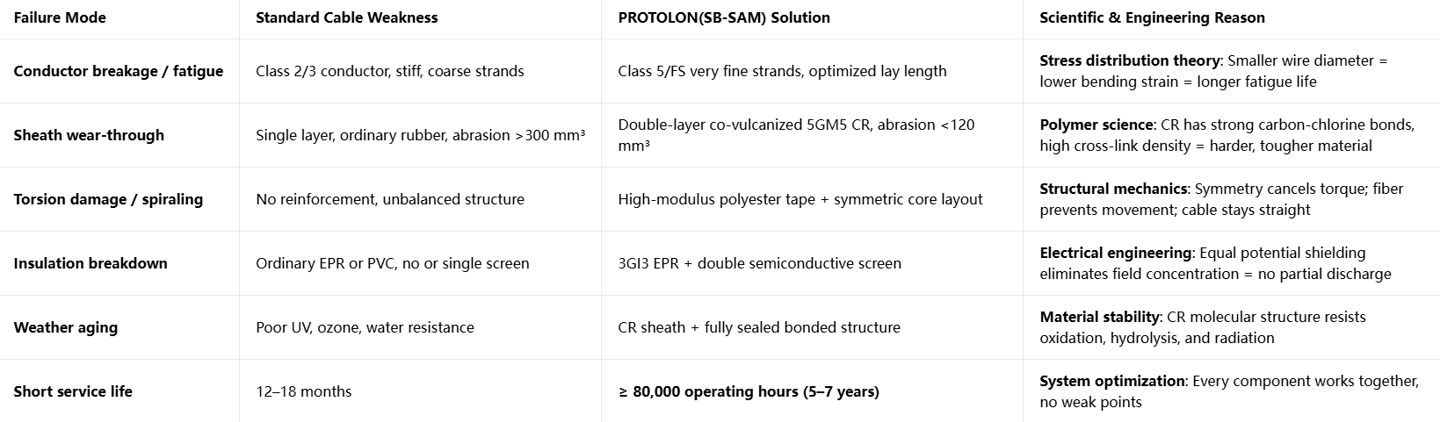
Failure Modes of Standard Cables
In daily operation across Kalimantan, Sumatra, and Sulawesi, operators report these consistent problems:
Conductor breakage: Coarse stranding (Class 2/3) creates high stress concentration. After 3–6 months of movement, wires fatigue and snap, leading to open circuits or short‑circuits.
Sheath failure: Low‑grade rubber (SBR/NR) has poor abrasion resistance. After 6–12 months, the sheath is worn through, exposing cores. Water enters, insulation fails.
Torsion damage: No reinforcement, loose assembly. When twisted, the cable spirals, sheath slides, cores twist – permanent damage.
Insulation breakdown: Ordinary EPR or PVC without proper screening. Electric field is uneven, partial discharge eats away insulation – failure within 18–24 months.
Weather aging: Sheath cracks, becomes brittle or sticky in tropical heat and rain.
Service life: Average 12–18 months. Replacement is frequent, expensive, and disruptive.
How PROTOLON(SB‑SAM) Solves Every Problem
Quantifiable Performance Differences
The advantages are not just descriptive – they are measurable:
Tensile strength: 20 N/mm² vs. 10–12 N/mm² → +67% stronger
Torsion resistance: 100°/m vs. 30°/m → 3× better
Abrasion life: 4× longer
Temperature range: –40°C to +80°C vs. –15°C to +50°C → 40°C wider
Service life: 5–7 years vs. 1–1.5 years → 5× longer
Total cost of ownership: 30–40% lower over 10 years – fewer replacements, less downtime
For a mine operating 24/7, this difference means millions of dollars saved annually.
Feichun Equivalent: Same Performance, Better Value
Feichun Cables offers an exact equivalent of PROTOLON(SB‑SAM) (N)TSCGEWOEU, designed and manufactured to identical specifications. For operators in Indonesia and Southeast Asia, this is the smartest choice – same quality, better delivery, and significantly lower cost.
Full Equivalence – No Compromise
Feichun’s version is built exactly according to the same design and standards:
Same type designation: (N)TSCGEWOEU – identical construction
Same standards: DIN VDE 0250‑813, MSHA P‑189‑4, GOST, EN 60332‑1‑2 – fully certified and tested
Same materials:
Conductor: Class 5/FS bare electrolytic copper
Insulation: EPR 3GI3‑grade compound – same electrical and thermal performance
Sheath: 5GM5‑grade chloroprene rubber – same abrasion, weather, and mechanical properties
Reinforcement: High‑modulus polyester tape
Same performance data:
Tensile load: 20 N/mm²
Torsion resistance: 100°/m
Temperature range: –40°C to +80°C
Electrical parameters: identical resistance, capacitance, inductance, and current ratings
All technical data sheets match exactly.
Key Advantages Over Imported Brands
Cost efficiency: 25–35% lower price – direct factory supply, no European import markup, no long‑distance shipping premiums.
Delivery speed: 4–6 weeks from order to delivery, compared to 12–16 weeks from Europe. Critical for mine projects with tight schedules.
Local support: Stock available in Indonesia, Malaysia, and Singapore. Technical support available in Bahasa Indonesia and English.
Customization: Available in black, yellow, or orange; custom lengths, special markings, and packaging to suit site requirements.
Proven performance: Installed and operating since 2019 at major sites including PT Berau Coal, PT Borneo Indobara, IMIP Nickel Project, and South Sumatra Coal Fields. Operating in tropical rain, high humidity, and heavy abrasion – zero major failures recorded.
Feichun cables are manufactured under ISO 9001, ISO 14001, and IATF 16949 quality systems, with full traceability and factory testing for every drum.
Application Guide and Selection
Typical Applications in Indonesia
This cable is designed specifically for the heaviest and most demanding equipment:
Opencast coal mines: Large hydraulic excavators, draglines, stackers, reclaimers, heavy conveyors
Nickel laterite mines (Sulawesi): Mobile crushers, excavators, stackers
Bauxite mines (West Kalimantan): Bucket‑wheel excavators, reclaimer systems
Port and stockyard: Ship loaders, unloaders, bulk material handling
Heavy industry: Steel plants, quarrying, and any outdoor heavy‑duty moving machinery
It is the only cable recommended for continuous trailing operation in tropical mining.
How to Select the Correct Cable
Selection follows three simple steps:
Voltage class: Match to your system voltage:
3.6/6 kV – up to 6 kV
6/10 kV – most common distribution
8.7/15 kV – medium‑high power
12/20 kV and above – long distance or high‑power machines
Conductor size: Calculate based on current capacity + voltage drop + short‑circuit rating:
Example: 3 × 70 mm² = 250 A; 3 × 150 mm² = 404 A
Always select one size larger than calculated to account for tropical heat and future expansion
Length: Add 10–15% extra length to allow for full movement and reeling.
Installation and Maintenance Best Practices
To achieve maximum life (5–7 years), follow these rules:
Bending radius: Never bend tighter than 8 × outer diameter – avoid sharp edges or small reels
Tension limit: Do not exceed 20 N/mm² – use proper tension control on reels
Storage: Keep covered when not in use – avoid direct sun and water pools
Termination: Use manufacturer‑approved kits; remove outer sheath carefully without damaging cores
Inspection: Check monthly for cuts, abrasion, or swelling – early detection prevents failure
Frequently Asked Questions
Q: Can this cable be used permanently outdoors and in rain?
A: Yes. It is designed for unrestricted outdoor use. The 5GM5 sheath is fully waterproof, UV‑stable, and ozone‑resistant. It can be used continuously in heavy rain, monsoon conditions, and direct sunlight without degradation. Temporary submersion is also safe.
Q: What is the difference between SB and SB‑SAM versions?
A: SB‑SAM is the Super Abrasion & Mechanical upgraded version. It features a higher‑grade 5GM5 sheath, extra‑strong reinforcement tape, and optimized core balance – specifically for the harshest conditions found in Indonesian mines. Standard SB is suitable for lighter use.
Q: Does Feichun provide warranty and technical support?
A: Yes. Feichun offers a 3‑year full warranty on all cables, plus lifetime technical support. Engineers are available to assist with selection, installation, and troubleshooting.
Q: Can we get samples or test lengths?
A: Yes. Free samples are available for testing and approval. Feichun also supplies short lengths for pilot projects.
Q: Is this cable compatible with standard connectors and terminations?
A: Absolutely. It follows DIN VDE standards, so it works with all standard mining connectors, plugs, and termination kits available in the market.
Conclusion
PROTOLON(SB‑SAM) (N)TSCGEWOEU is not just another cable – it is a complete engineering solution built to survive the specific combination of extreme mechanical stress and tropical climate found in Indonesian mines. Every layer, every material, and every construction detail is chosen to solve the exact problems that destroy standard cables: breakage, wear, aging, and early failure.
With 5–7 years of reliable service compared to 1 year for ordinary cables, it drastically reduces maintenance, replacement, and downtime costs. The Feichun equivalent delivers this same world‑class performance, with faster delivery, local support, and significantly better pricing – making it the most cost‑effective choice for any mine operator.
For any project where reliability, safety, and long life are non‑negotiable, PROTOLON(SB‑SAM) is the only choice.
Contact Feichun Mining Cable Team for data sheets, quotations, or technical consultation:
Feichun Cable
Durable mining cables for tough environments and operations
Email: Tech@feichuncables.com
© 2025. All rights reserved.
Company
Products
Contact
WhatsApp: +86 13855123218