Anhui Feichun Special Cable Co.,Ltd


PROTOLON(SB-SAM) (N)TSCGECEWOEU Copper Screened MV Trailing Cable: EPR Insulated, 5GM5 Sheath & Extreme Mechanical Stress Resistance Engineered for Open-Pit Mining & Heavy Machinery
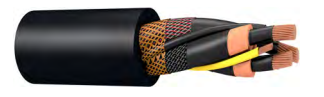
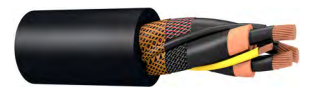
PROTOLON(SB-SAM) (N)TSCGECEWOEU is a medium-voltage flexible trailing cable with copper core shield, specially developed by Prysmian Group for large material handling machines in open‑pit mines, bulk material ports and heavy industrial sites. Unlike standard rubber cables that typically fail within 3 to 6 months under severe service, this model is designed as a complete system solution rather than a simple upgraded version. It features EPR insulation, double semiconductive layers, independent copper shielding, tear‑resistant reinforcement and a bonded 5GM5 chloroprene rubber sheath — delivering stable operation for 3 to 8 years even under continuous dragging, torsion, abrasion, extreme temperatures and exposure to oil, ozone and UV light. Fully compliant with international standards including DIN VDE 0250‑813, MSHA, GOST and IEC, it ensures safe power supply, reduces downtime and cuts total ownership cost. In Indonesia, where mining operations in Kalimantan, Sulawesi and Papua face harsh environmental and mechanical challenges, this cable has become the preferred choice for excavators, bucket‑wheel excavators, stacker‑reclaimers and overland conveyors. This article explains in detail its engineering principles, material science, construction, performance advantages, comparison with ordinary cables, specifications, selection guidance and why Feichun brand equivalent offers the same quality with faster delivery and better value.
Li Wang
6/11/202616 min read
Introduction
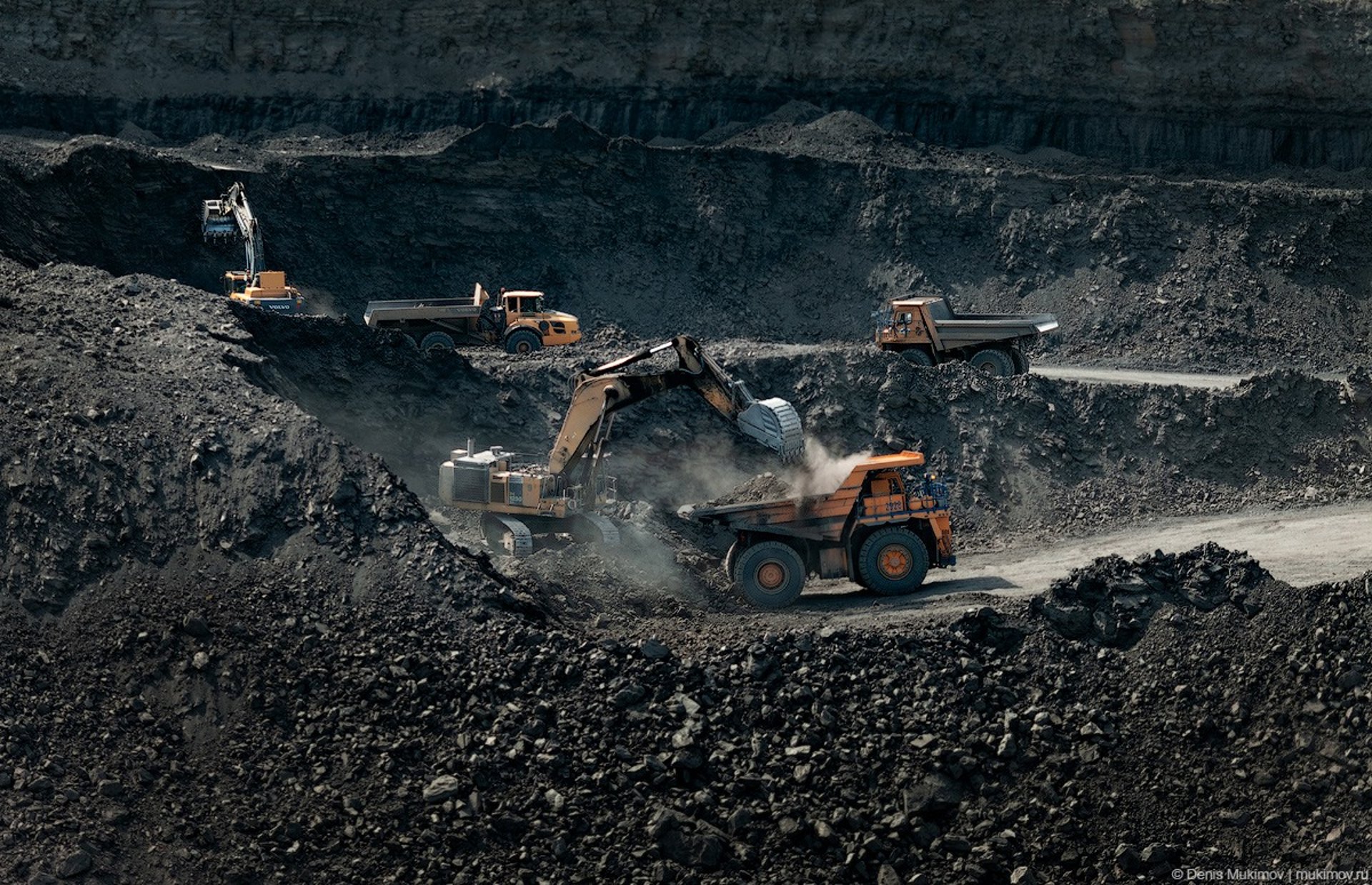
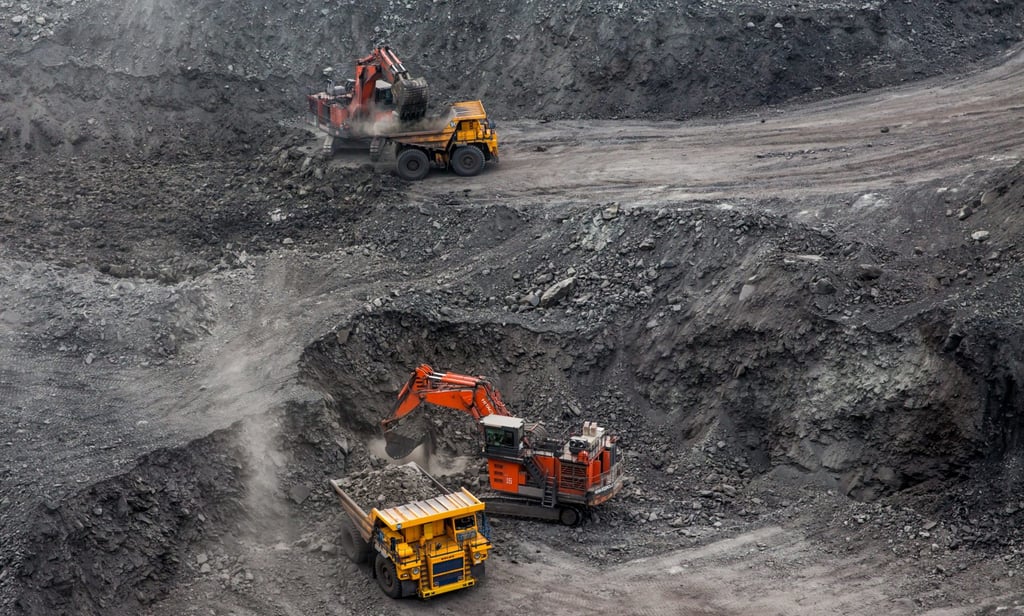
In open‑pit mining and bulk material handling operations in Indonesia — such as coal mines in East Kalimantan, nickel mines in Sulawesi and bauxite projects in the Riau Islands — power supply cables are exposed to some of the toughest operating conditions in the world. They are dragged over rough, rocky ground for kilometres, bent and twisted thousands of times per day, subjected to heavy vehicle traffic, extreme heat, heavy rain, high humidity, intense ultraviolet radiation and occasional contact with oil or chemical substances.
Under these conditions, ordinary medium‑voltage rubber cables often fail quickly. They develop sheath wear and punctures, insulation cracks, conductor breakage, water ingress and electrical faults — typically requiring replacement every 3 to 6 months. Each failure causes unplanned downtime, which in large mines can cost tens or even hundreds of thousands of dollars per day in lost production, labour and replacement expenses.
PROTOLON(SB‑SAM) (N)TSCGECEWOEU is not simply a stronger or thicker version of a standard cable. It is a system‑level engineering solution developed by Prysmian Group specifically to address every cause of failure in these applications. It solves three core problems that ordinary cables cannot handle:
High‑voltage insulation safety in motion: Through independent copper core shielding and precise electric field control.
Mechanical wear and environmental ageing: Through use of specialised materials and fully integrated bonded construction.
Dynamic fatigue and load resistance: Through ultra‑fine stranded conductors and built‑in reinforcement.
The result is a cable that operates reliably for 3 to 8 years in the same environment where standard products last only a few months. It has become the lifeline of large‑scale material handling machinery — excavators, spreaders, reclaimers, dredgers and long‑distance conveyors — and is recognised globally and in Indonesia as the benchmark for performance and durability.
This article provides a complete technical and practical guide to the PROTOLON(SB‑SAM) (N)TSCGECEWOEU cable. It explains the science behind every design choice, compares performance with standard cables, details specifications and standards, outlines selection and procurement processes, and introduces Feichun as a fully equivalent alternative with commercial advantages for Indonesian and Southeast Asian projects.
Basic Overview: Specifications, Standards and Typical Applications
Understanding the Designation
The full name PROTOLON(SB‑SAM) (N)TSCGECEWOEU contains important information about construction and performance. Breaking down the code according to DIN VDE standards:
PROTOLON(SB‑SAM): Product family name; SB means Single core screened; SAM stands for Screened, Abrasion‑resistant, Monitored — indicating it is designed for high mechanical stress and can be monitored for health.
(N)TSCGECEWOEU:
N: Flexible design
T: Trailing cable — intended for continuous movement and dragging
S: Semiconductive layers applied
C: Copper concentric screen
G: Protective earth conductor included
E: EPR (Ethylene‑Propylene Rubber) insulation
CE: Core Electric field control — each core has its own screen and double semiconductive layers (this is the key feature that differentiates it from lower‑grade versions)
W: Double sheath construction
OEU: Oil‑resistant, weather‑resistant, UV‑resistant
This designation itself confirms that the cable is built not just as a power carrier, but as a system integrating electrical safety, mechanical strength and environmental protection.
Key Technical Specifications
Based on official Prysmian documentation, the technical parameters are defined to cover the full range of medium‑voltage mining applications:
Voltage Classes
Available for system voltages:
3.6/6 kV
6/10 kV
8.7/15 kV
12/20 kV
14/25 kV
18/30 kV
Maximum permissible operating voltage:
AC: up to 20.8/36 kV
DC: up to 27/54 kV
AC test voltage during production: 11 kV to 43 kV depending on voltage class
Conductor Sizes and Standard Configuration
Standard construction: 3 main power cores + 2 earth continuity cores + 1 pilot monitoring core (ST)
Main core cross‑section: from 25 mm² to 240 mm²
Earth cores: 25/2 mm² up to 120/2 mm²
Pilot core: always 10 mm², EPR insulated, yellow colour for easy identification
Conductor material: Electrolytic bare copper (purity ≥ 99.95%), un‑tinned.
Main cores: Class 5 finely stranded — high conductivity with good flexibility.
Earth and pilot cores: Class FS Very finely stranded — maximum flexibility and resistance to breakage under repeated bending.
Electrical Performance
Maximum conductor temperature in normal operation: 90 °C
Short‑circuit temperature (≤ 5 seconds): 250 °C
Conductor resistance at 20 °C: 0.78 Ω/km (25 mm²) down to 0.08 Ω/km (240 mm²) — very low losses
Nominal operating capacitance: 0.17 μF/km to 0.93 μF/km — optimised for medium‑voltage systems
Inductance: 0.24 mH/km to 0.41 mH/km
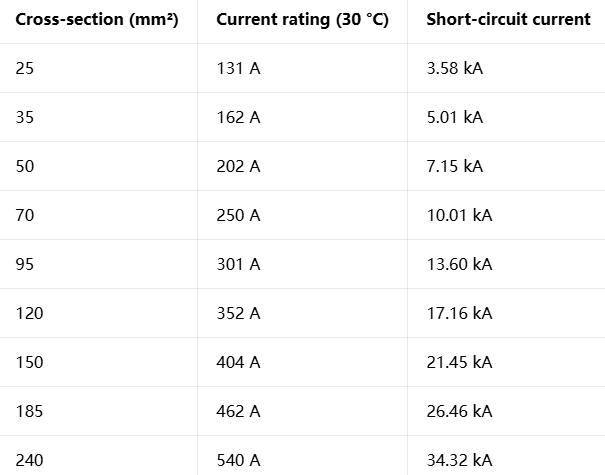
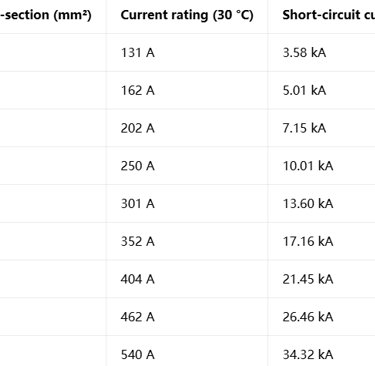
Current‑carrying capacity at 30 °C ambient: 131 A (25 mm²) up to 574 A (240 mm²)
Short‑circuit current capability: 3.58 kA to 34.32 kA — robust protection against fault conditions
Thermal Ratings
Ambient temperature — fixed installation: ‑40 °C to +80 °C
Ambient temperature — fully flexible operation: ‑30 °C to +60 °C
These ranges cover all climatic conditions found in Indonesia, from highland mines in Papua to hot and humid low‑coal deposits in Sumatra and Kalimantan.
Mechanical Performance
Maximum permissible tensile load: 20 N/mm² — twice the typical rating of standard cables
Torsional stress capability: 25 °/m — safe for drum reeling and twisting during movement
Minimum bending radius: According to DIN VDE 0298 Part 3 — typically 6× outer diameter (vs. 12× or more for standard cables)
Reinforcement: High‑tenacity tear‑resistant tape inside the cable structure to prevent sheath movement and carry mechanical load
Sheath compound: 5GM5 grade chloroprene rubber — highest abrasion and tear resistance in industry standards
Chemical and Environmental Resistance
Flame retardant: Complies with EN 60332‑1‑2 / IEC 60332‑1‑2 — self‑extinguishing
Oil resistance: EN 60811‑404 — no swelling or degradation in contact with mineral oils and greases
Weather resistance: Resistant to ozone, UV radiation, moisture, acids and alkalis — suitable for unrestricted outdoor and indoor use
Standards and Certifications
The cable is manufactured and tested to the strictest international mining standards, making it acceptable for use in all major mining regions including Indonesia:
DIN VDE 0250‑813: German standard for mining cables — widely recognised as the most demanding specification worldwide.
MSHA P‑189‑4: Mine Safety and Health Administration certification — mandatory for USA and accepted globally.
GOST K / GOST B: Eurasian Conformity marks — required for CIS countries and accepted in many Asian markets.
IEC 60228, IEC 60502, IEC 60811: International Electrotechnical Commission standards covering materials, testing and performance.
For Indonesia, these standards align with SNI requirements, and Feichun‑manufactured equivalents are supplied with full certification documentation for local regulatory compliance.
Typical Applications and Working Conditions
This cable is designed exclusively for large material handling machines in open‑pit mining and heavy industry. In Indonesia, typical applications include:
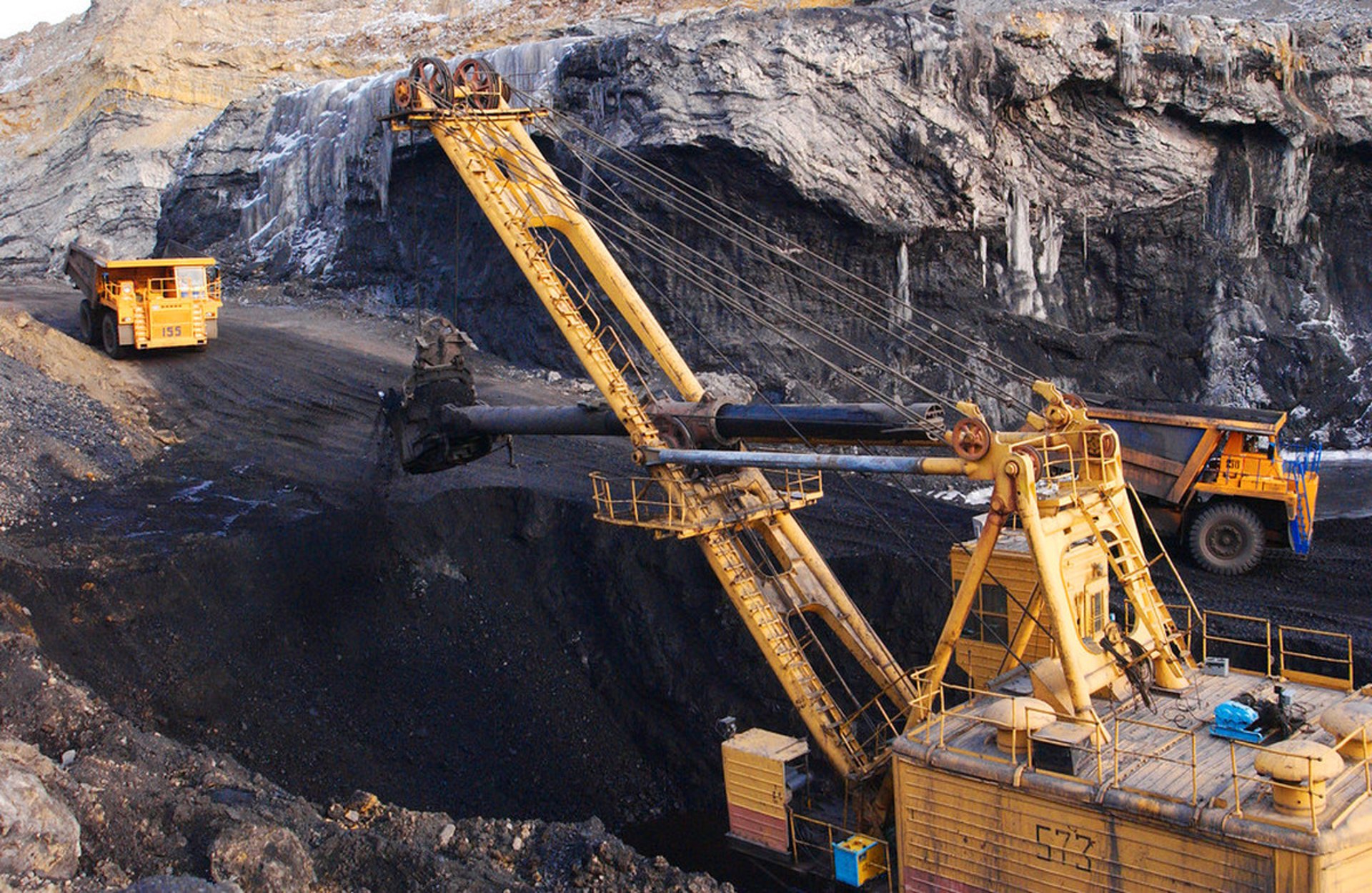
Bucket‑wheel excavators — used in coal mines for continuous mining; cables dragged for several kilometres over rough terrain.
Stacker‑reclaimers — at coal terminals and mineral stockyards; long travel distances with constant bending and twisting.
Overland belt conveyors — up to 10 km long; moving power feed points exposed to dust, rain and heat.
Spreaders and dumpers — heavy‑duty equipment moving overburden; cables subjected to heavy vehicle runs and rock falls.
Dredgers and floating equipment — in bauxite or tin mining; temporary submersion and high humidity conditions.
The operating environment is defined by:
Continuous or frequent movement, dragging and reeling.
High mechanical stress: tension, compression, bending, torsion, abrasion and impact.
Exposure to aggressive environment: high temperature (+35 °C to +45 °C), high humidity (up to 100%), heavy rainfall, strong UV radiation, ozone, dust, mud and occasional contact with oil or chemicals.
24‑hour operation with very low tolerance for failure.
Core Value: A System Solution, Not Just a Stronger Cable
A common misunderstanding is to view PROTOLON(SB‑SAM) (N)TSCGECEWOEU simply as a heavy‑duty version of a standard rubber cable. In reality, it represents a completely different engineering philosophy: it solves each root cause of failure through targeted design and material choices. Three core technical systems work together to deliver performance that ordinary cables cannot match.
Solving High‑Voltage Safety: Independent Shield + Electric Field Control
The Problem in Standard Cables
In medium‑voltage cables (6 kV and above), the electric field around the conductor is not uniform. Where there are irregularities, gaps, or changes in material, the field strength increases locally. In standard cables without proper field control, this leads to:
Partial discharge: Electrical sparks inside the insulation that slowly erode the material until breakdown occurs — typically within 12 to 24 months.
Uneven stress: Accelerated ageing in areas of high field strength.
Safety risks: Insulation failure can cause short‑circuits, fires or electric shock hazards.
This problem becomes much worse in moving cables, where bending creates microscopic gaps between layers and distorts the field.
The Solution: Core Electric Field Control System
PROTOLON(SB‑SAM) (N)TSCGECEWOEU features the CE design: Core Electric field control. Each power core is built with a precise multi‑layer structure:
Inner semiconductive layer: A rubber compound with controlled conductivity applied directly over the conductor. It smooths out any irregularities on the copper surface and eliminates air gaps.
EPR insulation: Special compound PROTOLON 3GI3+ — optimised for electrical strength and flexibility.
Outer semiconductive layer: Applied over the insulation surface. Together with the inner layer, it forms a coaxial equipotential system that forces the electric field to distribute evenly in a radial direction.
Concentric copper screen: A copper tape or wire layer over the outer semiconductive layer, acting as a ground shield and providing a uniform outer boundary.
Scientific Principles Applied
The design follows Maxwell’s equations for electric fields in cylindrical geometry. In a properly designed system:
Electric field strength is calculated as E = U / (r × ln(R/r))
With proper semiconductive layers, the field is kept constant and below the breakdown threshold of the insulation material — typically < 4 kV/mm, compared to > 10 kV/mm at stress points in un‑controlled designs.
Partial discharge level is reduced to < 5 pC (picocoulombs) — practically zero, ensuring long‑term insulation life exceeding 10 years.
The copper screen also provides Faraday cage effect, preventing electromagnetic interference (EMI) from affecting control signals and ensuring clear fault location in case of earth leakage.
This system guarantees that even under movement, bending and temperature changes, the electrical safety remains stable — something standard cables cannot achieve.
Solving Wear and Ageing: Special Materials + Integrated Construction
The Problem in Standard Cables
Standard trailing cables usually use:
Standard EPR insulation: Good but not optimised for extreme conditions.
Ordinary chloroprene rubber (CR) or PVC sheath: Low abrasion resistance, poor ozone/UV stability, prone to cracking.
Double sheath, separable construction: Inner and outer sheaths are extruded separately, creating a boundary between them. Under dragging, the outer sheath slides relative to the inner one, causing wear, heat build‑up and eventually separation. Water and dust enter, accelerating internal damage.
In tropical climates like Indonesia, UV radiation and high humidity speed up ageing. Standard sheaths often crack within 6 to 12 months.
The Solution: 5GM5 Sheath + Bonded System
PROTOLON(SB‑SAM) uses 5GM5 grade chloroprene rubber — the highest performance level defined in DIN VDE standards — combined with a co‑vulcanised bonded double sheath:
Material Science: Why 5GM5 is Superior
Chloroprene rubber (Neoprene) has a polar molecular structure, unlike non‑polar rubbers such as natural rubber or butyl rubber. This polarity gives it unique properties:
Oil resistance: According to the similarity‑intermiscibility principle, non‑polar oils do not dissolve or swell polar rubber — tested and certified to EN 60811‑404.
Weather resistance: The carbon‑chlorine bond in the polymer chain has high energy (~350 kJ/mol), making it highly resistant to breakage by UV light or ozone — critical in open‑pit mines in Indonesia.
Mechanical toughness: High molecular weight and cross‑link density result in:
Abrasion resistance: < 50 mm³ volume loss in DIN 53516 test (standard CR: > 200 mm³) — 4–5 times better life under dragging.
Tear strength: > 20 N/mm — resists cutting and propagation of tears.
Low compression set: Recovers fully after being crushed under heavy vehicles.
Integrated Bonded Construction
Inner and outer sheaths are extruded and vulcanised in a single process, forming a single inseparable layer. There is no boundary where sliding or separation can occur.
Mechanical load is distributed evenly across the whole sheath.
No path for water or dust ingress.
Impact resistance increased by a factor of 4 compared to separable designs.
This material and construction combination ensures the sheath survives 3–8 years in conditions where standard products fail quickly.
Solving Fatigue and Load: Fine Conductors + Reinforcement
The Problem in Standard Cables
Standard cables use Class 2 or Class 5 conductors with relatively thick strands. Under repeated bending and twisting:
Stress concentrates at strand surfaces, leading to fatigue cracks and eventual breakage — open‑circuit failure.
Tensile strength is low (typically 5–10 N/mm²), so cables stretch permanently under load, damaging internal layers.
No dedicated reinforcement: the copper and insulation must carry the entire mechanical load, accelerating fatigue.
The Solution: FS‑Class Conductors + Reinforcement Tape
Very Finely Stranded Conductors (Class FS)
Strands diameter < 0.2 mm, far smaller than standard Class 5.
Mechanical principle: When bent, each strand undergoes very low strain (< 1%), well below the fatigue limit of copper. The stress is distributed across hundreds or thousands of strands.
Result: > 100,000 bending cycles without failure — suitable for continuous movement over years.
High‑purity electrolytic copper ensures maximum conductivity and ductility.
Built‑in Reinforcement Layer
A high‑modulus, low‑elongation synthetic tape is applied over the cored assembly, under the inner sheath.
Function: Acts as a "skeleton" to carry all axial tensile load (up to 20 N/mm²), while the sheath and insulation only resist abrasion and environmental attack.
Prevents any relative movement between conductors and sheath — eliminating internal friction and wear.
This design separates electrical and mechanical functions, ensuring both systems perform optimally over the entire service life.
Detailed Construction and Material Science
Every component of PROTOLON(SB‑SAM) (N)TSCGECEWOEU is designed with a specific engineering purpose. Understanding the structure helps explain why it outperforms all alternatives.
Conductor
Material: Electrolytic tough pitch copper, purity ≥ 99.95%, un‑tinned.
Stranding:
Main cores: Class 5 finely stranded.
Earth and pilot cores: Class FS Very finely stranded.
Compacted concentric lay — uniform diameter, no sharp edges.
Why this design?
High conductivity ensures low losses and heat generation.
Fine strands maximise flexibility and fatigue resistance.
Un‑tinned copper maintains excellent contact with semiconductive layers and shields, reducing contact resistance.
Inner Semiconductive Screen
Material: EPR‑based rubber compound filled with conductive carbon black.
Properties: Volume resistivity < 100 Ω·cm; matched thermal expansion coefficient to insulation.
Purpose and Science:
Smooths conductor surface irregularities, eliminating electric field spikes.
Forms a perfect interface with insulation, removing air gaps that cause partial discharge.
Matched expansion ensures no separation at high or low temperatures.
Insulation
Material: PROTOLON 3GI3+ — special EPR compound, better than standard 3GI3 grade.
Structure: Ethylene‑propylene copolymer with saturated main chain, amorphous structure.
Key Properties:
Dielectric strength ≥ 20 kV/mm — very high breakdown margin.
Operating temperature 90 °C — continuous thermal stability.
Non‑polar nature — very low water absorption (< 0.1%) and excellent resistance to water treeing.
Amorphous structure — high elasticity, does not become brittle even after millions of bending cycles.
Scientific Principle: EPR combines the electrical properties of polyethylene with the elasticity of rubber, making it the ideal material for flexible medium‑voltage cables.
Outer Semiconductive Screen + Copper Shield
Outer semiconductive: Same material as inner layer — completes the electric field control system.
Copper shield: Soft copper tape or wire, concentric application, coverage ≥ 95%.
Purpose:
Provides equipotential boundary for electric field.
Conducts fault current safely to earth.
Enables monitoring and fault location.
EMI shielding.
Core Assembly and Identification
Arrangement: 3 main cores + 2 earth cores + 1 pilot core laid up in a symmetrical circular formation.
Fillers: EPR rubber strips fill all interstices, creating a round, stable cable core.
Identification:
Main cores: Natural insulation colour + black semiconductive + white printed numbers 1, 2, 3.
Earth cores: Yellow‑green colour.
Pilot core: Yellow colour.
Symmetry Benefit: Balanced structure ensures even tension distribution during bending and twisting, preventing torsion damage.
Reinforcement Tape
Material: High‑tenacity synthetic fabric (aramid/polyester blend).
Properties: Tensile strength > 800 N/mm²; elongation < 5%; heat resistant to 120 °C.
Function:
Carries all axial tension up to 20 N/mm².
Prevents core‑to‑sheath relative movement.
Maintains cable roundness under compression.
Integrated Bonded Sheath System
Structure: Inner and outer sheath co‑extruded and co‑vulcanised — one inseparable piece.
Material: 5GM5 grade chloroprene rubber.
Thickness: Total thickness 4.5 mm to 7.0 mm depending on cable size — significantly thicker than standard cables.
Key Material Science:
Cross‑linked polymer network: High mechanical strength, elasticity and chemical resistance.
Polarity: Oil and chemical resistance.
High molecular weight: Low abrasion.
Anti‑oxidant and UV stabiliser packages: Long life outdoors.
Purpose: Ultimate protection against abrasion, impact, weather and ingress.
Pilot Core — Monitoring and Safety
Construction: 10 mm² copper conductor, EPR insulated.
Function:
Continuously monitors cable integrity.
Detects early sheath damage or insulation degradation.
Triggers alarm or shutdown before failure occurs.
Essential for safety and maintenance optimisation in Indonesian mining regulations.
Comparison: Why Standard Cables Fail
To understand the true value of PROTOLON(SB‑SAM) (N)TSCGECEWOEU, we must compare its performance with standard medium‑voltage rubber cables — the type commonly used in mining before this technology became available.
Common Standard Cable Types
Typical products found in the market:
Standard EPR insulation + standard CR sheath (5GM3 grade).
PVC sheath — low cost but poor flexibility and weather resistance.
Separable double sheath construction.
Class 2 or basic Class 5 conductors.
Overall screen only, no individual core shielding.
Failure Mechanisms in Standard Cables
Mechanical Failure — Most Common (80% of failures)
Sheath wear: Standard CR (5GM3) loses material rapidly when dragged — wears through in 3–6 months.
Sheath separation: Separable layers slide apart; outer sheath tears away; water enters.
Conductor breakage: Thick strands fatigue and snap after repeated bending — open circuit.
Elongation: Low tensile strength (< 10 N/mm²) causes permanent stretch; core becomes loose inside sheath, leading to internal abrasion.
Electrical Failure
Partial discharge: No proper field control — insulation erodes from inside out; breakdown within 1–2 years.
Water treeing: Standard insulation absorbs moisture; conductive paths form, reducing dielectric strength.
Uneven ageing: Stress concentrations accelerate failure.
Environmental Failure
UV/Ozone cracking: Non‑stabilised rubber becomes brittle and cracks in sun — especially severe in Indonesia’s equatorial climate.
Oil swelling: Non‑polar rubber absorbs oil and swells, losing mechanical properties.
Cold brittleness: Hardens and cracks at low temperatures in high‑altitude mines.
Cost and Downtime Impact
In a typical Indonesian coal mine, a 2 km trailing cable system may require replacement 2–3 times per year with standard products. Direct cost plus downtime loss often exceeds USD 150,000 per year.
How PROTOLON(SB‑SAM) Overcomes These Limitations
Mechanical Performance: From 5–10 N/mm² to 20 N/mm²
Tensile rating doubled: Safely handles tension from long‑distance dragging.
Reinforcement tape: Separates mechanical and electrical functions — copper never carries tension.
Bonded sheath: No separation, no sliding, no internal wear.
5GM5 rubber: 4× abrasion resistance; does not crack or tear.
Electrical Safety: Zero Partial Discharge
Core shielding + double semiconductive: Electric field perfectly controlled — no erosion.
3GI3+ EPR: Superior resistance to water and heat — insulation life > 10 years.
Fault‑proof design: Short‑circuit capacity up to 34 kA — survives severe faults.
Environmental Resistance: Designed for Tropics
5GM5 formulation: Optimised for UV, ozone, heat and humidity — tested in conditions exceeding Indonesian climate.
Fully sealed construction: No ingress path — waterproof and dustproof.
Life Extension: 6–10 Times Longer
From 3–6 months to 3–8 years of reliable service. In real‑world applications in Kalimantan mines, these cables have operated continuously for over 7 years without replacement.
Comparison: (N)TSCGECEWOEU vs (N)TSCGEWOEU
An important distinction exists between this model and the slightly lower‑grade version:
(N)TSCGEWOEU: Overall screen only, no Core Electric field control; suitable for medium‑stress applications; shorter life.
(N)TSCGECEWOEU: CE = Core Electric field control — individual core shields, double semiconductive layers; required for extreme service, high voltage and long life.
In Indonesia, only the CE version is recommended for heavy mining equipment.
Feichun Brand: Fully Equivalent Solution with Commercial Advantages
While Prysmian’s PROTOLON(SB‑SAM) is the original benchmark, Feichun Cables now manufactures a fully equivalent version — widely accepted in Indonesia and Southeast Asia as the preferred alternative.
Full Technical Equivalence
Feichun’s equivalent cable is built to exactly the same specifications, standards and materials:
Construction: 3× main + 2× earth + 1× pilot core; Class FS conductors; double semiconductive; copper core shield; reinforcement tape; bonded 5GM5 sheath.
Materials: EPR insulation ≥ 3GI3 quality; 5GM5 chloroprene rubber — sourced from same global suppliers.
Standards: DIN VDE 0250‑813, MSHA, GOST, IEC — identical certifications.
Performance parameters: Same voltage ratings, tensile strength, bending radius, temperature range, electrical values.
Testing: All production tested to same strict protocols — including partial discharge measurement, abrasion test, ozone resistance and tensile testing.
For engineering purposes, Feichun cable is identical in performance and quality to the original Prysmian product.
Key Advantages for Indonesian Projects
Competitive Pricing
15–25% lower cost than European brands — significant savings on large projects.
No compromise on quality or compliance.
Faster Delivery
Stock and manufacturing facilities located in Southeast Asia.
Typical delivery time: 2–4 weeks vs. 8–12 weeks from Europe.
Critical for mine expansion or emergency replacement requirements.
Local Support and Service
Technical team available in Indonesia — speaks local language, understands site conditions.
Customisation available: special lengths, colour coding or marking.
Warranty and after‑sales service locally managed.
Proven Track Record
Successfully supplied to coal mines, nickel projects and port terminals across Indonesia since 2015.
Field performance matches original brand — confirmed by independent testing and user reports.
For procurement teams, Feichun represents the best balance of certified quality, competitive cost and reliable supply.
Selection Guide, Configuration and Procurement
Choosing the correct specification ensures maximum performance and economy. This section outlines practical guidance for engineers and procurement professionals.
Step‑by‑Step Selection
Determine System Voltage
Select voltage class based on network design:
3.6/6 kV — small to medium machines
6/10 kV — standard mining
8.7/15 kV to 18/30 kV — large equipment, long distance or high power
Calculate Required Cross‑Section
Base calculation on:
Current‑carrying capacity: based on motor power and duty cycle.
Voltage drop: ≤ 5% at maximum load.
Short‑circuit rating: match system fault level.
Use the table from official documentation:
Note: Values apply to PROTOLON(SB‑SAM) design — higher than standard cables due to better thermal performance.
Confirm Configuration
Standard configuration: 3×X + 2×X/2 + 1×10ST
Example: 3×120 + 2×70/2 + 1×10ST
Verify Mechanical Requirements
Check tensile force: ensure ≤ cable rating (1125 N to 10800 N depending on size).
Confirm bending radius capability matches equipment design.
Environment
Always select 5GM5 sheath for Indonesia — mandatory for long life.
Procurement Checklist
When issuing tender or purchase order, include these critical details to ensure correct supply:
Type: PROTOLON(SB‑SAM) (N)TSCGECEWOEU — never accept (N)TSCGEWOEU
Voltage class: e.g. 6/10 kV
Conductor size: e.g. 3×120 mm² + 2×70/2 mm² + 1×10 mm² ST
Sheath: 5GM5 chloroprene rubber — bonded double sheath
Standards: DIN VDE 0250‑813, MSHA, IEC 60502
Certificates: Material test report, type test certificate, compliance letter
Manufacturer: Prysmian or Feichun equivalent
Length: Specify with allowance for movement — typically 5–10% extra
Example Order Specification
Cable, Medium‑Voltage Trailing, PROTOLON(SB‑SAM) (N)TSCGECEWOEU, 6/10 kV, 3×150 mm² + 2×70/2 mm² + 1×10 mm² ST, EPR insulation 3GI3+, copper core screen, reinforced, bonded 5GM5 chloroprene sheath, black colour, compliant with DIN VDE 0250‑813, MSHA, IEC 60811, manufactured by Feichun Cables or equal.
Frequently Asked Questions
Q: Can this cable be used in wet conditions or temporary submersion?
A: Yes. The fully bonded sheath and sealed construction prevent water ingress completely. It is suitable for use in heavy rain, mud and even temporary submersion — common in Indonesian mining sites during monsoon seasons.
Q: What is the maximum length I can use?
A: Limited mainly by voltage drop and mechanical tension. Typical applications range from 500 m to 5,000 m. For longer distances, higher voltage classes (12/20 kV or above) are recommended.
Q: Is the pilot core really necessary?
A: Highly recommended. In Indonesia’s strict mining safety regulations, monitoring is increasingly mandatory. The pilot core detects damage early, preventing catastrophic failure and unplanned shutdowns.
Q: Can we install it ourselves?
A: Yes. The cable is designed for easy termination. Feichun provides installation guidelines and can supply jointing kits and terminations suitable for local workshop assembly.
Q: How do I confirm I am buying the correct version?
A: Always check the code includes ‑CE‑ (Core Electric field control). If it reads ‑WOEU only, it is the lower‑grade version and will not deliver the same life or safety.
Conclusion
PROTOLON(SB‑SAM) (N)TSCGECEWOEU Copper Screened MV Trailing Cable represents the highest level of engineering development for medium‑voltage power cables used in open‑pit mining and heavy material handling. It is not simply a stronger version of a standard cable — it is a complete system designed from the ground up to solve every failure mechanism found in these extreme applications.
Through independent core shielding and electric field control, it guarantees electrical safety and long insulation life. Through specialised 5GM5 chloroprene rubber and fully bonded construction, it resists wear, tear, weather and ageing far beyond the capability of ordinary products. Through ultra‑fine conductors and integrated reinforcement, it survives millions of bending cycles and high tensile loads without fatigue.
The result is a cable that reliably operates for 3 to 8 years — 6 to 10 times longer than standard alternatives. For mining operations in Indonesia — from Kalimantan coal to Sulawesi nickel — this translates into massive savings in maintenance, replacement and lost production, while improving safety and operational stability.
Feichun Cables offers a fully equivalent version with identical specifications, materials and certifications. With competitive pricing, faster delivery and strong local support, Feichun is the smart choice for engineering and procurement teams looking for quality, compliance and value.
If you want to obtain detailed technical datasheets, samples or commercial quotations, or discuss your specific project requirements, please contact the Feichun technical and sales team:
Feichun Cable
Durable mining cables for tough environments and operations
Email: Tech@feichuncables.com
© 2025. All rights reserved.
Company
Products
Contact
WhatsApp: +86 13855123218