Anhui Feichun Special Cable Co.,Ltd


PROTOLON®(SC) (N)TSCGEWOEU Shore Power Cables: How the Revolutionary 6/10kV HVSC Solution Decarbonizes Indonesian Ports, Cuts Ship Emissions 100% at Berth & Delivers Instant Deployment
Discover PROTOLON®(SC) (N)TSCGEWOEU 6/10kV shore power cables for Indonesian ports. Self-supporting Kevlar design, integrated fiber optics, full technical specs, Tanjung Priok case studies, and how cold ironing eliminates idling emissions, fuel waste, and costs for sustainable shipping.
Li Wang
4/15/202613 min read
Introduction
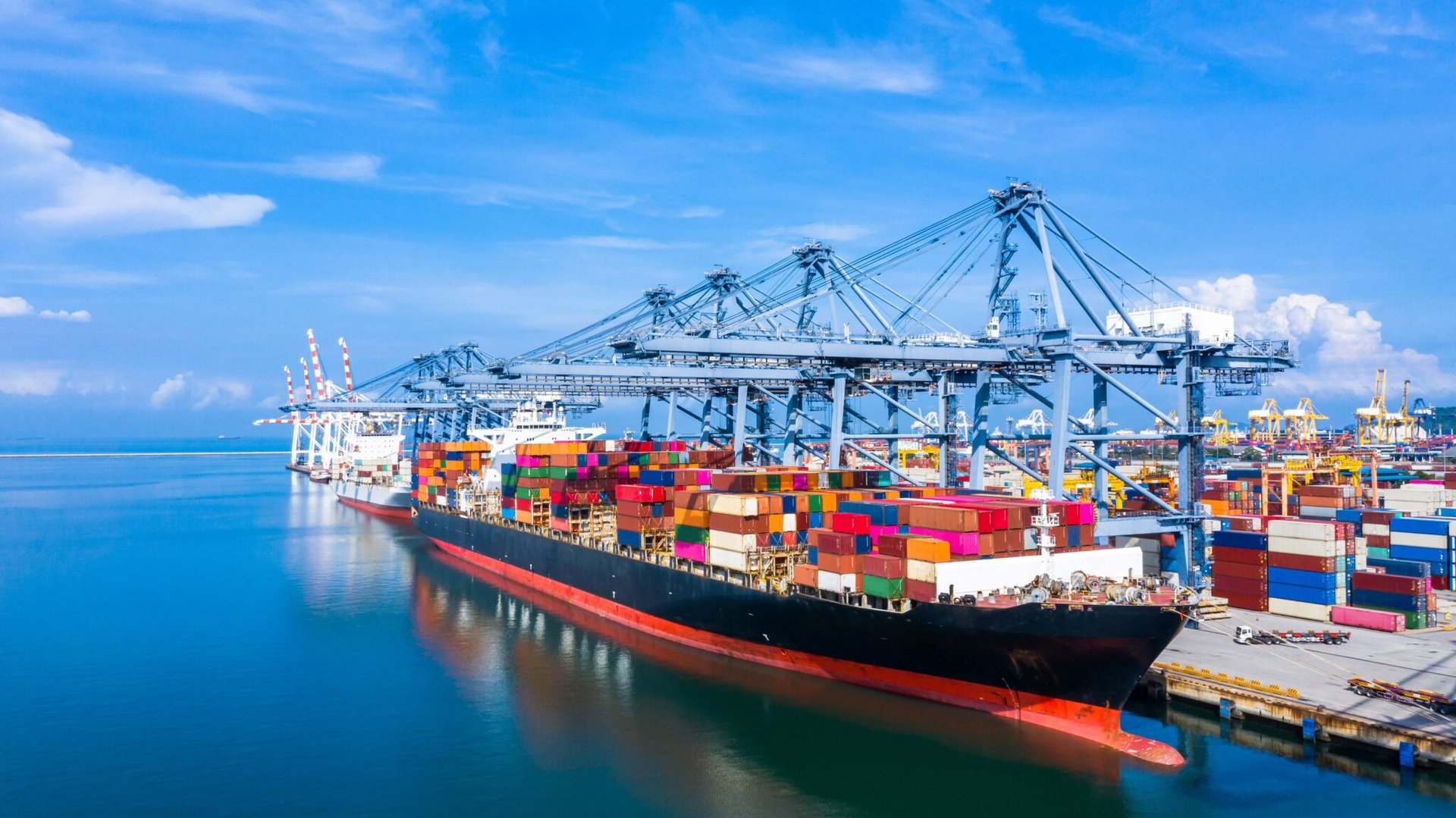
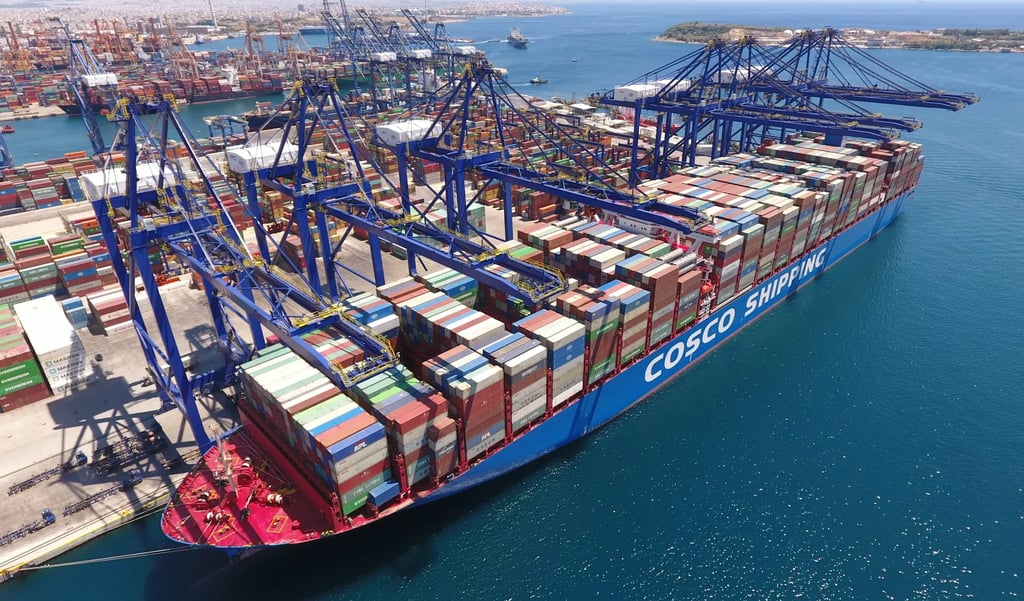
Imagine a 200,000-deadweight-tonne container ship berthed at Tanjung Priok, Indonesia’s busiest port. Its massive main and auxiliary engines, optimized for steady ocean cruising, are throttled down to partial load. For days or even weeks, they burn hundreds of tonnes of heavy fuel oil daily—not to propel the vessel, but simply to power lights, refrigeration, pumps, and hotel loads. The result? Thick plumes of CO₂, NOx, SOx, and fine particulate matter drift across Jakarta’s skyline, while the shipowner watches fuel costs climb into the hundreds of thousands of dollars per day with zero productive output.
This scene repeats thousands of times annually across Indonesia’s key ports—Tanjung Priok, Tanjung Perak, and Belawan. Global maritime shipping already accounts for approximately 3% of worldwide anthropogenic CO₂ emissions—more than the entire aviation sector. When vessels are at berth (hotelling), auxiliary engines alone can emit pollution equivalent to tens of thousands of idling trucks. In densely populated coastal cities, the localized health and economic toll is severe.
The solution has long been known: cold ironing, or high-voltage shore connection (HVSC). By plugging ships into the onshore electrical grid, auxiliary engines can be shut down completely, eliminating 100% of berth-side emissions from those engines. Yet adoption has been hindered by cumbersome, heavy traditional cables that require complex mechanical handling systems, specialized infrastructure, and hours of labor per vessel.
Enter PROTOLON®(SC) (N)TSCGEWOEU 6/10 kV—a purpose-engineered reeling and trailing cable from Feichun Cables that redefines HVSC feasibility. With its revolutionary self-supporting aramid (Kevlar®) central structure, integrated fiber-optic communication, shielded multi-core control architecture, optimized 25 N/mm² tensile strength, and medium-voltage 6/10 kV AC power delivery, this cable transforms cold ironing from a niche, time-intensive operation into a rapid, “plug-and-play” reality.
This comprehensive guide explores the port emission crisis in Indonesia and globally, the proven advantages of shore power, the engineering barriers that have slowed its rollout, and how PROTOLON®(SC) overcomes every obstacle through targeted design innovations. We examine full technical specifications, configuration options, real-world case studies from Indonesian ports, global environmental benefits, and practical FAQs. By the end, you will understand why this cable represents a pivotal enabler for maritime decarbonization—particularly in high-growth, high-traffic regions like Indonesia.
The Port Emission Crisis: Why Ships Idling in Indonesian Ports Are a Major Problem
Modern oceangoing vessels rely on large two-stroke or four-stroke diesel or heavy-fuel-oil (HFO) engines rated 20–100 MW for propulsion. These engines achieve peak efficiency at 70–85% load during open-sea transit. At berth, however, they must remain running at low partial load (typically 20–40%) to supply auxiliary power for cargo handling, reefer containers, lighting, HVAC, and hotel services. For container ships, berth time averages 3–7 days; for tankers and bulk carriers, it can extend to weeks or even months.
Fuel consumption during hotelling is staggering. A large container vessel may burn 200–500 tonnes of fuel per day at port; a cruise ship or large tanker can exceed 800 tonnes. At current bunker prices of USD 600–800 per tonne, daily fuel waste per vessel ranges from USD 120,000 to over USD 640,000—purely non-productive expenditure. Across global ports, this idling accounts for a significant share of the industry’s operational costs, which already allocate 30–50% of total expenses to fuel.
Emissions are equally alarming. Each tonne of HFO burned produces roughly 3.1–3.2 tonnes of CO₂, plus substantial NOx (up to 87 g/kWh in slow-speed diesel), SOx (dependent on fuel sulfur content, historically 3.5% before IMO 2020 limits), and particulate matter (PM₂.₅ and PM₁₀). A single large ship at berth can emit CO₂ equivalent to 5,000–50,000 passenger cars. In port cities, concentrated ship emissions contribute to elevated NOx and PM levels that trigger respiratory diseases, cardiovascular issues, and premature mortality. Global health cost estimates for port-related shipping pollution run into billions annually.
Indonesia faces an acute version of this crisis. Tanjung Priok (Jakarta) handles over 14,000 vessel calls yearly and 8.3 million TEUs in 2025, making it Southeast Asia’s busiest container gateway. Tanjung Perak (Surabaya) and Belawan (Medan) follow closely. Pelindo data and independent studies show that international departures and arrivals at major Indonesian ports generated millions of tonnes of CO₂e in recent years, with hotelling emissions disproportionately high due to long dwell times and high traffic density.
Local air-quality monitoring around Tanjung Priok reveals spikes in PM₂.₅ and NO₂ directly correlated with vessel hotelling. With Indonesia’s coastal population exceeding 100 million and growing urban encroachment near ports, the public-health burden is significant: increased asthma, lung cancer risk, and healthcare expenditures. Economically, idling engines accelerate wear on costly marine diesels, raising maintenance budgets and shortening overhaul intervals. Regulatory pressure is mounting—Indonesia aligns with IMO MARPOL Annex VI, the global 0.5% sulfur cap, and national green-port initiatives under Pelindo and the Ministry of Transportation. Non-compliance risks fines, while early adopters gain competitive advantage through lower logistics costs and green certifications.
Secondary effects compound the problem: acid rain from SOx and NOx damages port infrastructure and nearby agriculture; noise and vibration degrade crew quality of life and local tourism; and reliance on imported bunker fuel drains foreign reserves. In 2018–2025 analyses, Indonesia’s top ports (including Tanjung Priok) contributed thousands of kilotonnes of CO₂e from international shipping alone, with hotelling representing a concentrated, controllable slice.
The crisis is not abstract. It is measurable in daily fuel invoices, hospital admissions near ports, and Indonesia’s Nationally Determined Contributions (NDCs) under the Paris Agreement, which target 41% GHG reduction by 2030 with international support. Ports are the obvious choke point—and cold ironing the fastest lever.
Shore Power (Cold Ironing): The Fastest, Most Effective Decarbonization Strategy
Cold ironing—also termed shore-to-ship power, alternative maritime power (AMP), or onshore power supply (OPS)—is elegantly simple in concept: while berthed, a vessel connects to the terrestrial high-voltage grid via specialized cables and switchgear. Ship auxiliary engines are shut down (“cold iron”), and all electrical demand is met from shore. No combustion occurs at the berth.
The advantages are immediate and quantifiable:
Emissions Reduction: 100% elimination of engine-derived CO₂, NOx, SOx, and PM during hotelling. A typical large container ship on a 5-day call can avoid 1,500–3,000 tonnes CO₂e—equivalent to removing 300–600 cars from the road for a year. Scaled across 50% of global port calls, annual reductions could reach 50–100 million tonnes CO₂e.
Fuel Savings: 500–1,000+ tonnes of fuel saved per vessel per extended call. For a 30-day tanker stay, savings exceed USD 9–12 million. Ports benefit from reduced local air-quality compliance costs and potential revenue from electricity sales.
Crew Comfort and Safety: Elimination of engine noise (often >100 dB), vibration, heat, and exhaust fumes improves sleep, reduces fatigue, and lowers onboard accident risk. Engine-room maintenance is minimized.
Port Air Quality and Community Benefits: Studies from Los Angeles, Hamburg, and Singapore document 20–40% drops in port-zone NOx and PM within years of widespread adoption. Quieter, cleaner ports enhance urban livability, property values, and tourism.
Globally, the technology is mature. IEC/IEEE 80005-1 (High Voltage Shore Connection Systems) standardizes safety, interoperability, and performance for vessels >1 MVA at 6.6 kV or 11 kV. Ports in California, Northern Europe, and Singapore have installed hundreds of berths.
In Indonesia, momentum is building. Pelindo (formerly Pelindo III) announced ambitious cold-ironing rollouts as early as 2019–2020, partnering with PLN for surplus grid capacity. Tanjung Priok began trials in 2020–2021 via PT EPI (Eco Power Indonesia), with mandatory shore-power connections targeted for specific berths (e.g., 208–210) by 2022. Pelindo continues electrifying equipment and vessels, aiming for green-port status across its network. By 2025–2026, multiple terminals report active shore-power availability, aligning with national sustainability goals.
Cold ironing also future-proofs ports for renewable integration. Shore grids can increasingly draw from solar, wind, or geothermal—common in Indonesia—further slashing Scope 3 emissions for ship operators. It is the quickest, most cost-effective lever in the IMO’s 2050 net-zero pathway and Indonesia’s maritime decarbonization roadmap.
Why Traditional Shore Power Cables Have Slowed Adoption
Despite clear benefits, traditional HVSC deployment has lagged, especially in cost-sensitive developing markets like Indonesia. Conventional shore-power cables are massive: outer diameters of 300–500 mm, weights of 50–100 kg/m or more per kilometer when armored. They demand heavy-duty reeling drums, catenary support systems, overhead cranes, structural steel gantries, and specialized ship-to-shore connectors.
Deployment is labor- and time-intensive: 4–8 hours per vessel for setup and retrieval, involving multiple crew members, winches, and safety protocols. Different vessel electrical architectures (voltage, frequency, phase sequence, power factor) require custom cables or adapters, limiting multi-vessel flexibility. Mechanical stress from repeated reeling causes conductor fatigue, insulation abrasion, and premature failure. Ports must invest millions in fixed infrastructure—often uneconomic for smaller or developing terminals.
In Indonesia’s tropical marine environment (high humidity, UV exposure, salt spray, frequent heavy rain), traditional cables suffer accelerated corrosion and insulation degradation. High vessel throughput at Tanjung Priok (dozens of calls daily) amplifies downtime costs: every hour a berth is occupied by cable handling reduces cargo throughput and revenue. Regulatory timelines for green-port mandates are tightening, yet infrastructure bottlenecks persist.
The net effect: despite policy support and proven technology, cold ironing penetration remains low in many ASEAN ports. A breakthrough cable design was needed—one that eliminates mechanical complexity, enables rapid deployment, and ensures universal compatibility.
PROTOLON®(SC) (N)TSCGEWOEU 6/10kV: The Revolutionary Cable That Removes Every Barrier
PROTOLON®(SC) (N)TSCGEWOEU is not merely an upgraded cable; it is a purpose-engineered HVSC solution that integrates five breakthrough innovations to make cold ironing practical, scalable, and economically viable—even in high-volume Indonesian ports. Rated for 6/10 kV AC, it delivers 10–30 MW capacity (250–460 A depending on configuration) while supporting 20+ years of service life in harsh marine conditions.
Self-Supporting Aramid (Kevlar®) Structure: Revolutionary Cable Design
Traditional cables rely on external steel armor or heavy copper conductors for tensile support, adding weight and requiring reels or gantries. PROTOLON®(SC) places a central structural element of high-tenacity aramid (Kevlar®) yarns embedded in a protective rubber matrix. This core carries the entire mechanical load, allowing the cable to be self-supporting over hundreds of meters without external aids.
Kevlar® aramid fibers deliver exceptional mechanics: tensile strength of approximately 3,600 MPa (vs. ~200 MPa for steel wire), density of only 1.44 g/cm³, and specific tensile strength 5–8 times higher than steel. Modulus reaches 70–124 GPa, with low elongation at break (2.4–3.6%) and outstanding fatigue resistance. In marine reeling applications, aramid shows minimal strength loss under cyclic bending (even at high D/d ratios) and is insensitive to tensile fatigue at low cyclic amplitudes. It resists corrosion, UV, and chemicals far better than steel.
Result: the PROTOLON cable is 30–40% lighter than equivalent steel-armored designs yet stronger in tension. One or two workers can manually unspool and deploy a 500 m length from a compact portable reel in just 15–30 minutes—no cranes, no overhead systems, no structural modifications to the quay. Retrieval is equally fast. Infrastructure capex drops dramatically; ports can install shore-power points with minimal civil works. Mechanical stress on conductors is virtually eliminated, extending service life and reducing maintenance.
Integrated Fiber-Optic Communication: Multi-Vessel Compatibility
Embedded within the cable core are selectable fiber-optic elements—single-mode E9/125 or multimode 50/125 or 62.5/125 configurations. These provide a high-bandwidth, real-time communication backbone between ship and shore.
Maritime electrical environments are notoriously noisy: radar, thrusters, cranes, and variable-frequency drives generate intense electromagnetic interference (EMI). Traditional copper control cables suffer signal degradation, ground loops, and galvanic corrosion risks. Fiber optics offer complete electrical isolation (no metallic path), total EMI immunity, lightning and surge protection, and gigabit-level data rates with negligible attenuation over port distances. Weight and space savings are significant compared with copper.
During connection, the fiber link negotiates parameters automatically: voltage, frequency (50/60 Hz), phase sequence, power demand, and interlocks. The system adapts instantly to any vessel’s unique electrical architecture—cruise ships with high hotel loads, container vessels with reefer clusters, or tankers with cargo pumps—without custom cables. This universality accelerates adoption across mixed fleets.
Shielded Multi-Core Control Architecture: Complex Ship Integration
Beyond power conductors and fiber, PROTOLON®(SC) incorporates screened multi-core control elements (typically 4–7 × 2.5 mm² cores with aluminum tape + tinned copper drain wires). These transmit low-voltage signals for interlocking, monitoring, fault detection, emergency disconnect, and SCADA integration. Full electromagnetic shielding ensures noise immunity even in high-interference port environments.
The architecture complies with IEC/IEEE 80005-1 requirements for safe, reliable ship-shore communication. It supports complex modern vessels with automated power-management systems, enabling seamless integration without additional cabling or adapters. Long-term reliability exceeds 20 years under frequent flexing and marine exposure.
Optimized 25 N/mm² Tensile Strength: Rapid Deployment Engineering
Conductor-level tensile rating is precisely 25 N/mm²—strategically positioned between tunnel-boring-machine (TBM) cables (30 N/mm²) and standard land cables (15 N/mm²). This value is optimized for manual or semi-automated port deployment: it withstands the pulling forces of 500 m lengths (several tonnes) while retaining flexibility (minimum bending radius 10 × outer diameter). Fatigue life under repeated port cycles is exceptional.
6/10 kV AC Medium-Voltage Design: Optimal Power Delivery
The 6/10 kV rating balances power density, compatibility, and safety. Ship main switchboards commonly operate at 6–11 kV; port substations step down from 11–33 kV grids. Higher voltage reduces current (P = V × I), minimizing I²R losses, cable heating, and conductor cross-section—hence lighter weight and lower cost. It supports 10–30 MW per connection, sufficient for the largest cruise ships or fully electrified container vessels.
IEC/IEEE 80005-1 explicitly endorses 6.6 kV and 11 kV for HVSC >1 MVA, with mature protection schemes (pilot wires, interlocks, earthing). The PROTOLON cable’s EPR 3GI3 insulation, semiconducting layers, and short-circuit rating (up to 26.46 kA) ensure fault tolerance and compliance.
Together, these innovations slash deployment time from hours to minutes, eliminate heavy infrastructure, ensure multi-vessel compatibility, and deliver reliable power in tropical marine conditions—making PROTOLON®(SC) the ideal choice for Indonesian ports.
Complete Technical Specifications and Configuration Options
PROTOLON®(SC) (N)TSCGEWOEU 6/10 kV meets or exceeds international standards for reeling/trailing and HVSC service:
Rated Voltage: 6/10 kV AC (U₀/U = 6/10 kV)
Conductors: Class 5 flexible bare copper (highly stranded for dynamic service)
Insulation: EPR (ethylene propylene rubber) 3GI3 with full-field-control semiconducting layers
Sheath: Robust chloroprene or equivalent, flame-retardant (IEC 60332-1-2), UV-resistant, oil-resistant (EN 60811-404), ozone-resistant
Temperature Range: Fixed –40 °C to +80 °C; moving –25 °C to +80 °C
Short-Circuit Tolerance: Conductor 250 °C (1 s)
Bending Radius: 10 × outer diameter
Tensile Strength: 25 N/mm² (conductor level); overall dynamic ratings per configuration
Central Support: Aramid yarn + rubber composite
Communication: Integrated fiber optics (customizable)
Control Cores: Shielded multi-core for low-voltage signaling
Compliance: IEC/IEEE 80005-1, relevant marine and reeling standards
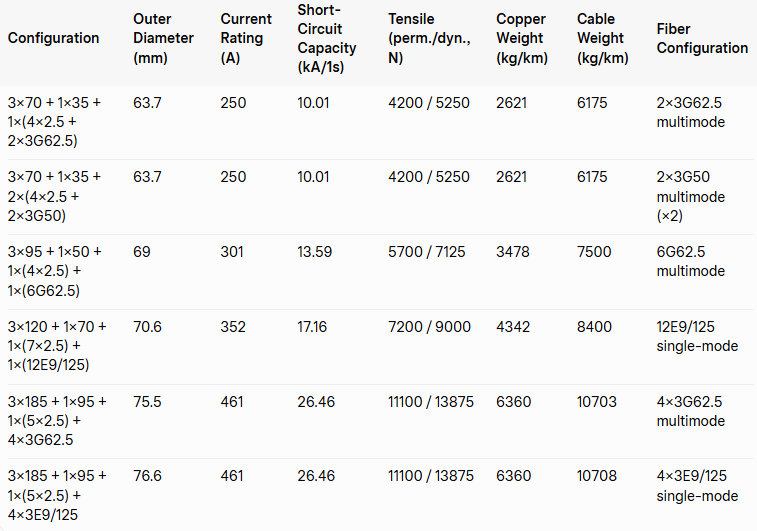
Configuration Options:
These variants cover cruise, container, tanker, RoRo, and general cargo vessels. Power capacity scales with conductor size; fiber count supports advanced monitoring. All configurations maintain self-supporting capability and 20+ year design life.
PROTOLON in Indonesian Ports
Indonesia’s port authority Pelindo has actively pursued cold ironing since the late 2010s. Tanjung Priok, managed by Pelindo Regional 2 and operated in parts by PT EPI, installed shore-power systems as early as 2020. Trials on national lines (e.g., Meratus) demonstrated fuel savings up to 30% and emission cuts. By 2022, mandatory shore-power connections were socialized for berths 208–210, with broader rollout plans. Pelindo continues electrifying cargo-handling equipment and expanding shore connections across its network, targeting green-port certification.
Tanjung Priok (Jakarta)
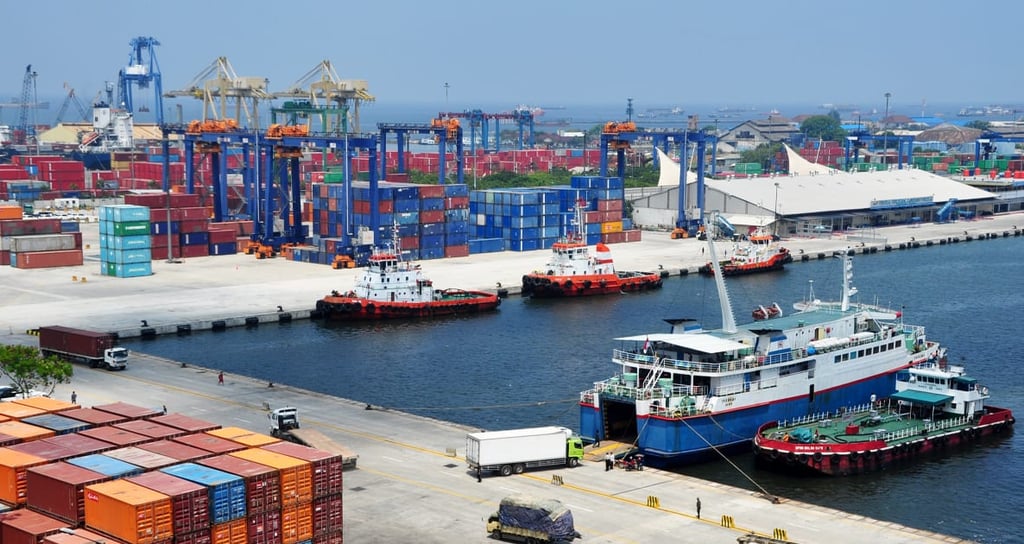
Indonesia’s largest container port sees ~14,000 vessel calls annually. Pre-2020 hotelling emissions were significant. With existing EPI shore-power infrastructure, early adopters reported 100% engine shutdown during connection. Substituting PROTOLON®(SC) would reduce deployment from hours to minutes, enabling higher berth utilization. Projected annual savings: thousands of tonnes CO₂e and millions of USD in fuel across 50+ equipped berths. Air-quality modeling shows measurable PM and NOx reductions within 2–3 km of the port, benefiting Jakarta’s 10+ million residents.
Tanjung Perak (Surabaya)
Second-busiest port, high container and general-cargo traffic. Pelindo III historically targeted full cold-ironing coverage. PROTOLON’s lightweight, self-supporting design suits Surabaya’s mixed vessel fleet and limited quay space. Faster connections would boost throughput by 10–15% during peak seasons, while cutting local emissions near residential areas. ROI calculations (based on fuel savings and lower infrastructure capex) show payback within 18–24 months.
Belawan and Eastern Ports
Less-developed eastern terminals face higher infrastructure costs. PROTOLON’s minimal civil-works requirement (no heavy gantries) makes deployment feasible with modest budgets. Combined with PLN grid surplus, it supports national goals for equitable green-port development across archipelago provinces.
Quantitative projections: If 30–50% of calls at major ports adopt PROTOLON-enabled cold ironing by 2030, Indonesia could avoid 500,000–2 million tonnes CO₂e annually from hotelling alone, save tens of millions in fuel imports, and improve public health metrics. Alignment with IMO and national NDCs is direct.
Global Environmental Benefits and the Future of Maritime Sustainability
Widespread adoption of advanced HVSC cables like PROTOLON®(SC) could cut global port-related shipping emissions by 15–25%. Cumulative CO₂e avoidance would reach tens of millions of tonnes yearly, supporting IMO’s 2050 net-zero ambition. Health benefits include reduced premature deaths from port pollution. Ports gain from lower regulatory risk, enhanced green credentials, and integration with renewable grids. Developing nations like Indonesia can leapfrog traditional infrastructure, accelerating sustainable maritime growth.
PROTOLON acts as a true enabler—lowering barriers, speeding rollout, and delivering measurable ROI. The future is plug-and-play green ports.
Frequently Asked Questions (FAQ)
What is cold ironing and why is it superior to low-sulfur fuel alone?
Cold ironing eliminates combustion entirely at berth, achieving 100% emission cuts versus partial reductions from cleaner fuels.
How does PROTOLON®(SC) differ from standard MV cables?
It combines self-supporting aramid structure, integrated fiber optics, shielded controls, and optimized tensile rating specifically for HVSC—features absent in generic cables.
Is it compatible with all ship types?
Yes. Real-time fiber negotiation adapts to any electrical architecture per IEC/IEEE 80005-1.
What are installation costs and payback in Indonesian ports?
Lower than traditional systems due to minimal infrastructure. Payback typically 18–36 months via fuel savings.
How does it handle tropical marine environments?
UV-, oil-, ozone-, and flame-resistant materials plus aramid durability ensure 20+ years in high-humidity, high-UV conditions.
Does it comply with regulations?
Fully meets IEC/IEEE 80005-1, IMO, and Indonesian maritime standards.
What about maintenance and lifespan?
Minimal—self-supporting design eliminates mechanical wear; designed for 20+ years.
Can smaller ports afford it?
Yes. Reduced civil works and rapid deployment lower capex dramatically.
Conclusion
PROTOLON®(SC) (N)TSCGEWOEU 6/10 kV represents a paradigm shift in maritime decarbonization. By solving the mechanical, compatibility, and deployment challenges that have long constrained cold ironing, it empowers Indonesian ports—and ports worldwide—to achieve rapid, scalable emission reductions while boosting operational efficiency and economic competitiveness. From Tanjung Priok’s bustling terminals to emerging eastern gateways, this technology aligns perfectly with national green-port ambitions and global IMO targets.
Port authorities, ship operators, and policymakers now have a practical, proven tool to turn the vision of sustainable shipping into reality—one fast, clean connection at a time. The era of idling pollution is ending; the plug-and-play green port future has arrived.
If your project needs PROTOLON®(SC) (N)TSCGEWOEU 6/10kV Cable you can contact the Feichun team for complete technical materials, contact: Li.wang@feichuncables.com
Feichun Cable
Durable mining cables for tough environments and operations
Email: Tech@feichuncables.com
© 2025. All rights reserved.
Company
Products
Contact
WhatsApp: +86 13855123218