Anhui Feichun Special Cable Co.,Ltd


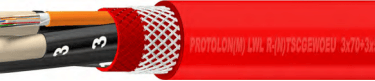
PROTOLON(M)-R LWL (N)TSCGEWOEU: Why This EPR-Insulated, Polyester-Reinforced Medium Voltage Fiber-Optic Reeling Cable Sets the Standard for High-Stress Open-Cast Mining Applications
Discover why PROTOLON(M)-R LWL (N)TSCGEWOEU is the definitive solution for open-cast mining. Learn how its EPR insulation, polyester reinforcement, and integrated fiber optics solve the four core challenges: constant movement, repeated reeling, harsh tropical environments, and real-time data transmission. Compare performance, materials, engineering principles, and why Feichun’s equivalent offers identical quality, faster delivery, and better value for mines across Indonesia and Southeast Asia.
Li. Wang
6/11/202616 min read
Introduction
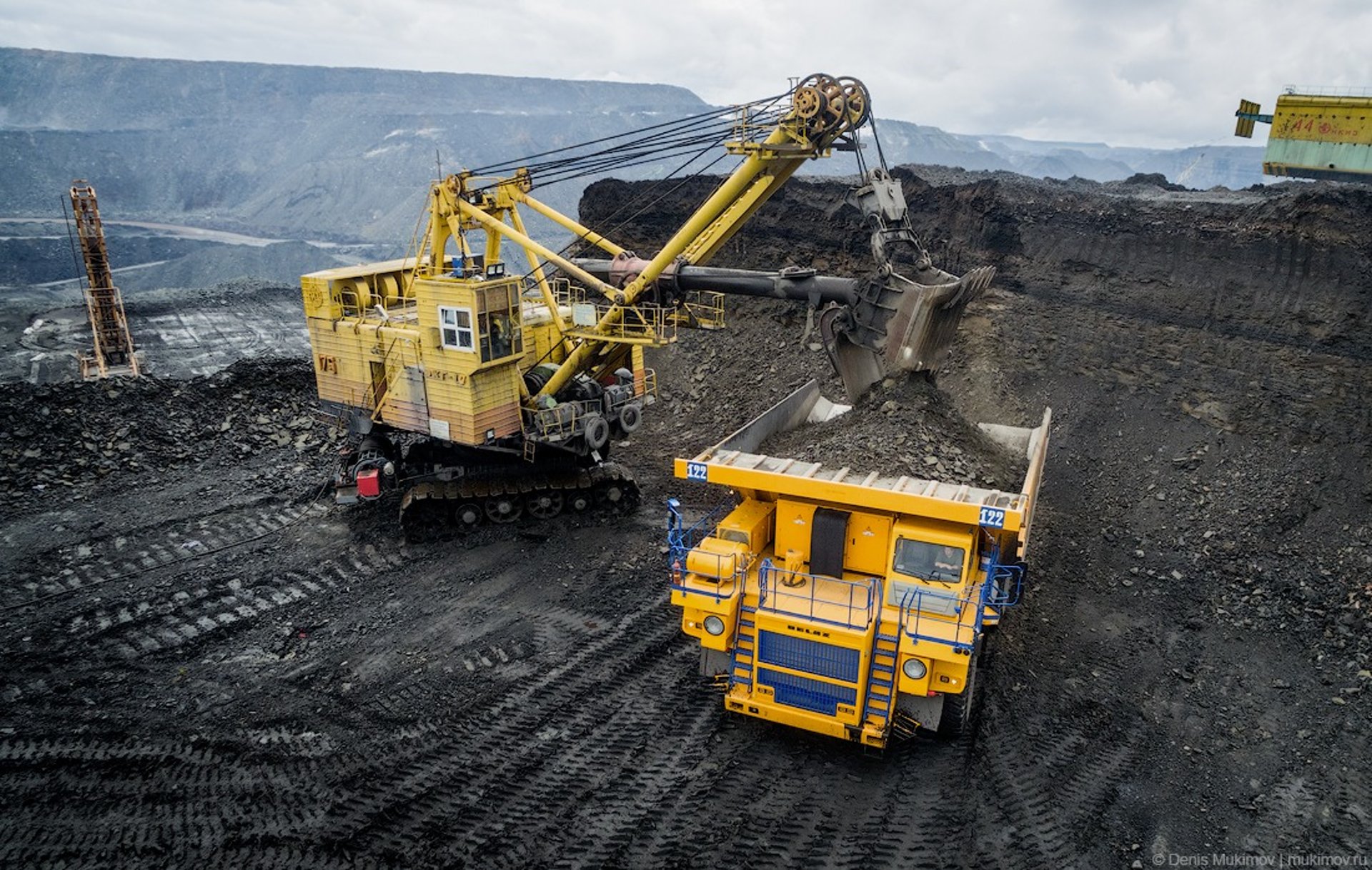
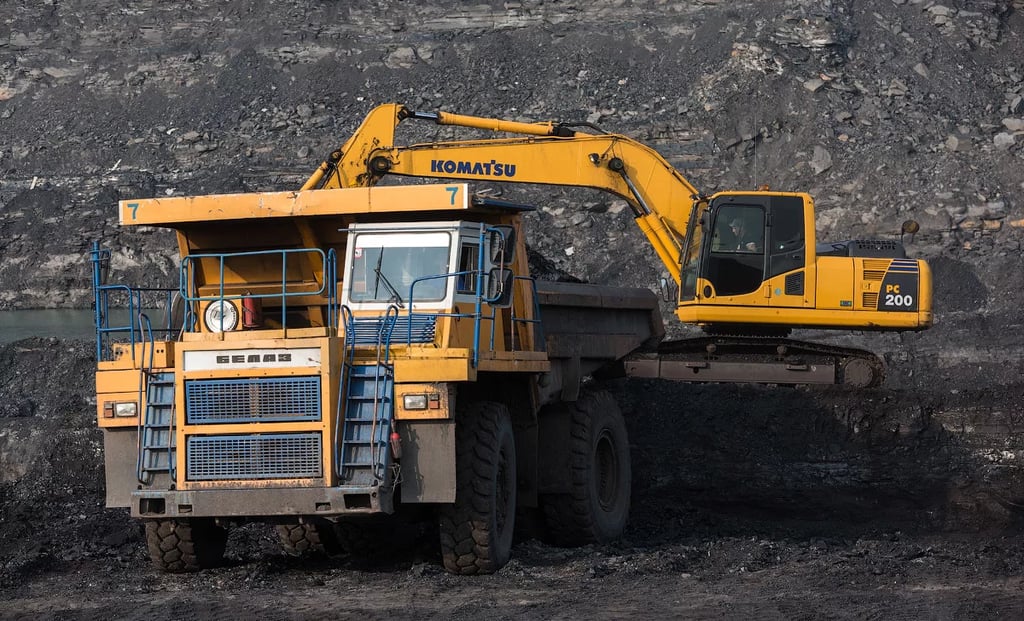
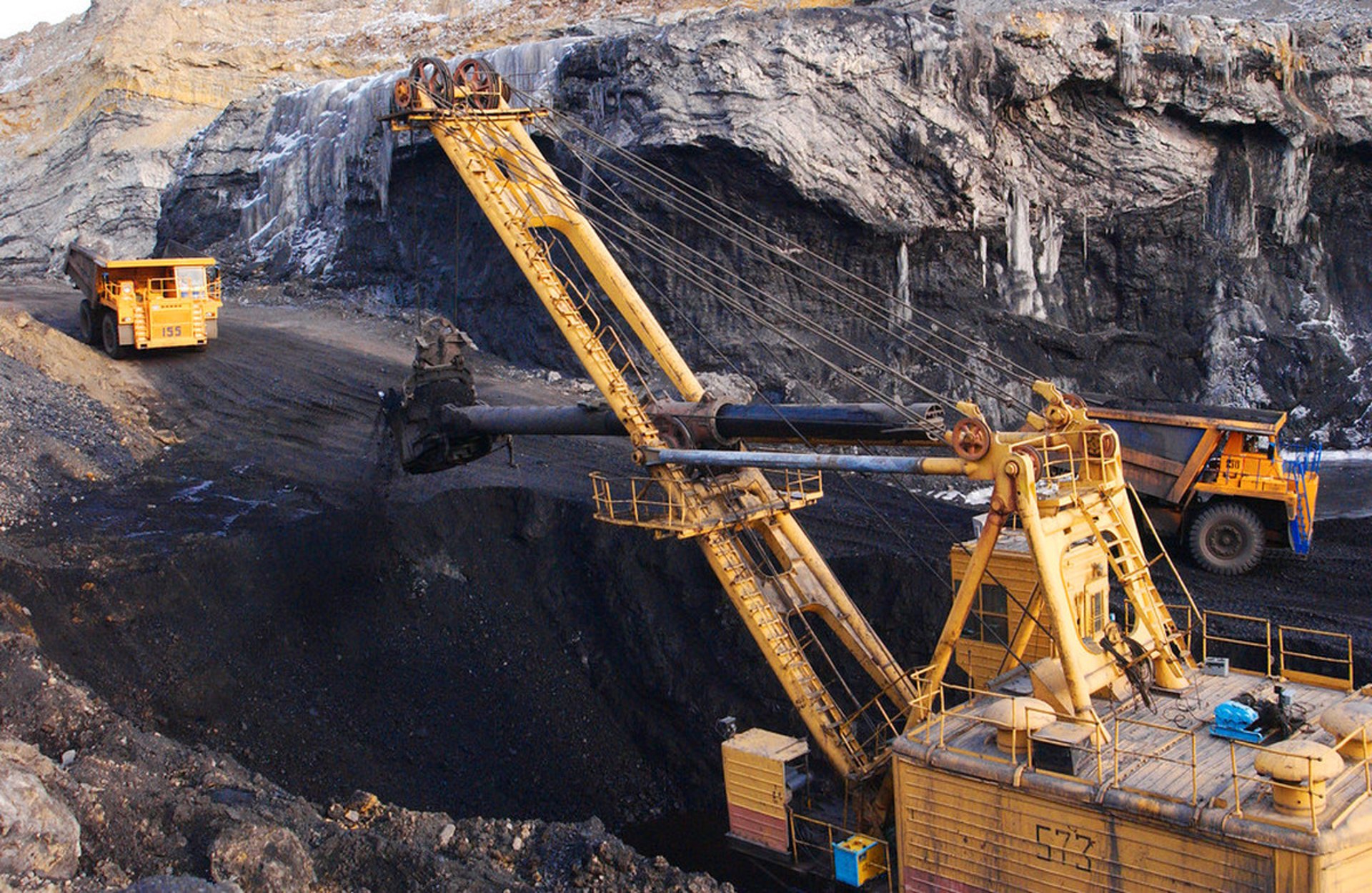
Open-cast mining is one of the most demanding industrial environments on Earth. In Indonesia, where vast coal, nickel, and gold reserves are spread across Kalimantan, Sumatra, and Papua, operations face unique and extreme conditions. High temperatures, heavy rainfall, intense ultraviolet radiation, high humidity, and corrosive soil create a perfect storm for equipment failure. But the greatest challenge comes from the machinery itself: massive excavators, dump trucks, stackers, reclaimers, and mobile crushers that move continuously, day and night, 365 days a year. These machines rely on medium voltage (MV) power cables that are not just installed and forgotten—they are wound, unwound, bent, twisted, stretched, and dragged thousands of times over their service life.
For decades, mine operators faced a costly and frustrating reality: standard industrial cables failed quickly. They would develop cracks, break conductors, suffer insulation breakdown, or lose signal capability within just three to six months. Every failure meant stopping production, which in a large Indonesian mine can cost between $50,000 and $200,000 per day in lost output. Maintenance crews spent more time replacing cables than maintaining equipment, and reliability remained low.
This is where PROTOLON(M)-R LWL (N)TSCGEWOEU changes everything. It is not merely an improved version of a standard cable. It is a complete engineering system—a synthesis of advanced materials science, precision electrical design, and optimized mechanical structure—purpose-built to solve four fundamental problems that have plagued mining operations for generations: continuous movement, repeated reeling cycles, harsh environmental exposure, and the need for integrated power and data transmission.
This cable redefines what a reeling cable can be. Designed to the strict DIN VDE 0250-813 standard, it has become the global benchmark, and today it is the trusted choice for major mining projects across Indonesia and Southeast Asia. In this article, we will explore exactly how it is built, why it works where others fail, and how Feichun Cables delivers an identical, high-performance equivalent that offers significant advantages in cost and delivery speed for regional projects.
Technical Specifications and Compliance
To understand the capability of PROTOLON(M)-R LWL (N)TSCGEWOEU, we must first look at its precise technical profile, derived directly from the official product documentation. Every parameter is engineered to perform under extreme stress.
Basic Identification and Standards
Full Type Designation: PROTOLON(M)-R LWL (N)TSCGEWOEU
Description: Medium Voltage Reeling Cable with Integrated Fiber Optics
Core Standard: DIN VDE 0250-813 – the definitive German standard for flexible cables for reeling and trailing applications, recognized globally as the most rigorous specification for this product category.
Certifications: MSHA P-189-4 (approved for use in mines), GOST K and GOST B (Eurasian Conformity), and compliance with EN 60332-1-2 / IEC 60332-1-2 for flame retardancy.
Design Philosophy: Every dimension and material choice is validated through type tests including reverse bending, torsional stress, and roller bending (Type C) – tests that simulate years of mining operation in a laboratory setting.
Voltage Classes
The cable covers the full range of medium voltage requirements found in mining and heavy industry:
3.6/6 kV
6/10 kV
8.7/15 kV
12/20 kV
14/25 kV
18/30 kV
20/35 kV
For each voltage class, the maximum permissible operating voltage is higher than the nominal rating, ensuring safety during system fluctuations. For example, the 6/10 kV version operates safely up to 6.9/12 kV AC or 9/18 kV DC, and withstands a 17 kV AC test voltage during manufacturing.
Conductor and Construction Sizes
Available in a robust range suitable for powering machinery from small crushers to the largest electric shovels:
Power Cores: 3-core design, cross-sections from 3×25 mm² up to 3×300 mm²
Protective Earth: Split-conductor design 2×25/2 mm² up to 2×150/2 mm² – this unique split structure improves flexibility while maintaining full fault-current capacity
Fiber Optic Unit: Configurable with 4 to 24 optical fibers, available in three types:
G50/125 µm: Multimode, high bandwidth
G62.5/125 µm: Multimode, optimized for legacy systems
E9/125 µm: Single-mode, long-distance, low attenuation
Physical Dimensions and Weight
Outer Diameter: Ranges from 40 mm (3×25 mm²) to 95 mm (3×300 mm²) depending on voltage and size
Weight: From 2,590 kg/km to 18,220 kg/km
Tensile Strength: Maximum allowable load 20 N/mm², rising to 25 N/mm² during acceleration – critical for heavy cable lengths hanging from booms or being pulled at speed
Torsion Resistance: Rated for 100°/meter – standard cables typically fail at less than 20°/meter
Bending Performance: Minimum bending radius ≥ 8× outer diameter; S-bend spacing ≥ 20× diameter; operational speed up to 60 m/min, rewind speed up to 100 m/min
Thermal and Environmental Ratings
These specifications explain why this cable performs so reliably in Indonesia’s tropical climate:
Conductor Temperature: 90°C continuous operation; 250°C maximum during short-circuit (≤5 seconds)
Fixed Installation Range: -40°C to +80°C
Dynamic / Reeling Range: -35°C to +60°C – the most critical range for moving equipment
Weather Resistance: Unrestricted indoor and outdoor use, specifically formulated to resist ozone, ultraviolet radiation, and moisture. This is a key differentiator; standard cables degrade rapidly under the intense UV and high humidity found in Sumatra or Kalimantan.
Electrical Performance
Electrical stability is guaranteed through carefully controlled parameters:
Conductor Resistance: From 0.78 Ω/km (25 mm²) down to 0.064 Ω/km (300 mm²) at 20°C
Capacitance: 0.16 µF/km to 1.03 µF/km depending on size and voltage – low values mean lower charging current and energy loss
Inductance: 0.23 mH/km to 0.42 mH/km – optimized for stable impedance
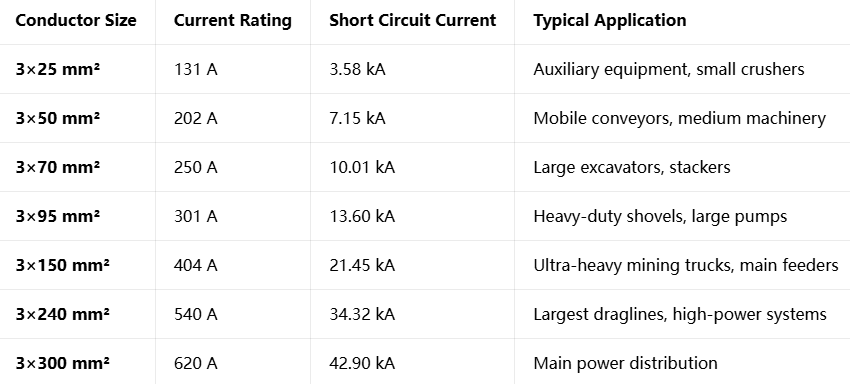
Current Carrying Capacity: From 131 A (25 mm²) to 620 A (300 mm²) at 30°C ambient temperature
Short Circuit Rating: From 3.58 kA to 42.9 kA – ensures safety during fault conditions
All these figures are not just theoretical; they are verified by the rigorous testing required by DIN VDE 0250-813, ensuring consistency and reliability across every meter of cable produced.
Structure and Material Science: Layer-by-Layer Engineering
The true genius of PROTOLON(M)-R LWL (N)TSCGEWOEU lies in its construction. It is built as a multi-layered system where every component has a specific function, and the interaction between materials is scientifically optimized. We will examine each layer from the center outwards, explaining the engineering principles and material science that make it work.
Overview: A System, Not Just a Cable
Most standard cables are designed for static installation. They are built to carry current, not to move. PROTOLON(M)-R is designed from the ground up for dynamic service. The design philosophy balances three opposing forces: flexibility vs. strength, insulation vs. heat dissipation, and protection vs. weight. It achieves this balance through eight distinct layers, each selected for specific properties.
Conductor – The Science of Flexibility and Strength
Construction: Electrolytic copper, un-tinned, Class FS (Extra-Fine Stranding).
Unlike standard cables which use Class 2 or Class 5 stranding, PROTOLON uses the finest possible copper wires. Each single wire has a diameter of less than 0.2 mm, and thousands of these wires are stranded together in multiple layers with optimized pitch lengths.
Why this design?
Mechanical Principle: Metal Fatigue and Stress Distribution: When a cable bends, the outer surface stretches and the inner surface compresses. In a cable with thick strands, the stress is concentrated on just a few wires, leading to rapid fatigue and breakage after a few hundred bends. With ultra-fine strands, the stress is distributed across thousands of individual wires. Each wire moves slightly relative to its neighbor, effectively "absorbing" the bending energy. This increases the fatigue life by a factor of 10 to 15 times compared to standard designs.
Electrical Principle: High-purity electrolytic copper ensures low resistance and efficient power transfer, while the compacted stranding reduces overall diameter and improves roundness.
Semiconducting Layers – Controlling the Electric Field
Materials: Special conductive rubber compounds designated 3GMx.
Applied immediately over the conductor and directly under the insulation, these layers are invisible but vital.
Engineering Purpose:
Electric Field Homogenization: In medium voltage cables, the electrical field is strongest at the sharpest points. Without semiconducting layers, high field concentrations would cause "partial discharge" – tiny electrical sparks that eat away at insulation over time, eventually causing failure.
Scientific Principle: By making the conductor surface perfectly smooth and ensuring the interface between insulation and conductor is free of air gaps, the electrical field is distributed evenly and radially. This is the fundamental reason this cable operates reliably at high voltages for decades, rather than just years.
Insulation – PROTOLON 3G13 EPR: The Heart of the Cable
Material: PROTOLON 3G13 – a proprietary, specially formulated Ethylene Propylene Rubber (EPR) compound. This is not generic EPR used in standard cables.
Why EPR and why this specific compound?
Electrical Science: EPR has a very low dielectric constant (~2.5) and extremely low dielectric loss factor (<0.001). This means it does not heat up significantly under high voltage stress, even at 90°C. It has a dielectric strength exceeding 22 kV/mm, providing a massive safety margin.
Mechanical Science: Unlike cross-linked polyethylene (XLPE), which is rigid and cracks when bent repeatedly, EPR is an elastomer. It has an elongation at break of over 300%. It stretches, compresses, and recovers its shape perfectly thousands of times. It is designed to bend.
Material Chemistry: The 3G13 formulation is highly cross-linked. This molecular structure gives it exceptional resistance to heat aging, ozone attack, and UV radiation. In chemical terms, the polymer chains are bonded tightly together, preventing oxygen or ozone from breaking them down – the primary cause of hardening and cracking in tropical environments.
Difference: PROTOLON(M)-R vs. PROTOLON(M)-R LWL (Fiber Optic Version)
This is a critical distinction. The non-fiber version is a standard power cable. The LWL / FO version integrates the optical fiber unit within the structural gaps of the cable, specifically in the outer interstices between the cores.
In FO Version: The fiber unit is placed here to ensure it is never subjected to mechanical load. The power cores and reinforcement carry all tension and torsion; the fiber unit floats freely.
In Non-FO Version: These gaps are simply filled with rubber or textile.
Result: The FO version provides identical mechanical and electrical performance plus high-speed data, without compromising strength or durability.
Optical Fiber Unit – Power and Data in One
Construction:
Fiber Types:
G50/125 µm: Attenuation <2.8 dB/km @850 nm, <0.8 dB/km @1310 nm; Bandwidth >400/1200 MHz·km
G62.5/125 µm: Attenuation <3.3 dB/km @850 nm, <0.9 dB/km @1310 nm; Bandwidth >400/600 MHz·km
E9/125 µm (Single Mode): Attenuation <0.4 dB/km @1310 nm, <0.3 dB/km @1550 nm; Chromatic dispersion <3.5 ps/nm·km
Protection: Fibers are coated, placed in ETFE (Ethylene Tetrafluoroethylene) tubes (material code 7YI1), filled with water-blocking compound, and grouped around a central strength member.
Engineering Logic:
Mechanical Decoupling: The fiber unit is structurally independent. It does not touch the outer sheath or reinforcement. It cannot be crushed or stretched.
Data Integrity: Unlike copper signal cables, fiber optics are immune to electromagnetic interference (EMI). In a mine where high currents create massive magnetic fields, copper signals get distorted. Fiber signals remain perfect.
Value: Enables real-time monitoring of equipment health, temperature, vibration, and fault location. This transforms a cable from a simple power carrier into a part of a smart mining system.
Split Protective Earth Conductors
Design: 2×25/2 mm² … 2×150/2 mm²
Instead of one large earth wire, two smaller ones are used.
Why? A large solid conductor is stiff and resists bending. Two smaller conductors are flexible like rope, yet together they carry the same fault current. This detail alone improves cable life significantly.
Inner Sheath – EPR 5GM3
Material: Special EPR compound 5GM3
Function: Acts as a cushion, separating the core assembly from the reinforcement layer. It provides a smooth surface for the braid to bond to and prevents internal abrasion during bending. It is chemically matched to the insulation and outer sheath to ensure perfect adhesion and no delamination.
Reinforcement – Polyester Braid: The Secret of Durability
Construction: High-tenacity polyester threads, tightly braided, and vulcanized into a single composite structure between the inner and outer sheaths.
This is arguably the most important layer for mining applications.
Science of Composite Mechanics:
Standard Cable: Rubber is flexible but stretches easily. If you pull it, it elongates permanently, damaging the insulation.
PROTOLON Design: Rubber + Polyester. Polyester has a tensile strength of over 800 N/mm² but very low elongation (<15%).
Effect: The braid takes the load. It prevents the cable from stretching or shrinking. It balances torsional forces so the cable does not twist or jam on the reel.
Analogy: It works exactly like reinforced concrete – concrete (rubber) handles compression, steel (polyester) handles tension. Together, they create a material that is both flexible and rigid where it counts.
Outer Sheath – Chloroprene (CR) / Special Elastomer
Material: High-grade synthetic elastomer, primarily Chloroprene Rubber (CR), color red.
This is the cable’s armor against the world.
Material Science & Environmental Resistance:
Chemical Resistance: CR contains chlorine atoms in its molecular structure. This creates a barrier that blocks ozone, UV light, oxygen, and moisture. This is the corrosion and weathering resistance principle in action. It does not crack, become brittle, or degrade in tropical conditions.
Mechanical Resistance: High hardness and high toughness formula. It resists abrasion, cutting, and tearing – essential when the cable drags over rock or soil.
Flame Resistance: Inherently flame-retardant due to chemical composition, meeting EN 60332 standards.
Why Standard Cables Fail and How PROTOLON Solves It
To truly appreciate the value of this technology, we must analyze why conventional cables fail in mining and exactly how PROTOLON(M)-R LWL overcomes these limitations. This comparison is based on decades of field data from mines in Indonesia and worldwide.
Failure Modes of Standard MV Cables in Mining
1. Conductor Breakage – The Fatigue Failure
The Problem: Standard cables use Class 2 or Class 5 copper stranding. When bent repeatedly, the thick wires experience high mechanical stress. After 500 to 2,000 bending cycles, metal fatigue sets in, and wires snap. Eventually, the core breaks completely.
Why it happens: The design prioritizes conductivity, not flexibility. The physics of bending dictate that thicker materials suffer higher strain.
The PROTOLON Solution:
Technology: Class FS Extra-Fine Stranding.
Mechanism: Thousands of ultra-thin wires share the load. Strain per wire is reduced by 80% or more.
Result: Survives over 10,000 cycles without a single break. Lifespan increases from months to years.
2. Insulation Cracking – The Environmental and Mechanical Failure
The Problem: Standard cables use PVC, PE, or basic EPR. These materials have low elongation (often <100%). When the cable bends, the insulation stretches beyond its limit and micro-cracks form. Water, dust, and ozone enter these cracks. Over time, "water treeing" occurs – a chemical process that eats away the insulation until it fails electrically.
Why it happens: Materials are chosen for cost and ease of extrusion, not for dynamic or outdoor use.
The PROTOLON Solution:
Technology: PROTOLON 3G13 EPR Insulation + Field Control.
Mechanism:
Material: 300% elongation – it stretches and returns to shape without cracking.
Chemistry: High cross-link density + ozone-resistant formula – molecular bonds cannot be broken by UV or oxygen.
Electrical: Smooth electric field eliminates stress concentrations.
Result: Insulation remains intact and electrically perfect for 5+ years, even in the rain and heat of Sumatra.
3. Sheath Rupture and Abrasion – The Physical Failure
The Problem: Standard outer sheaths are thin and made of NBR or low-grade rubber. They wear through quickly when dragged over rough ground or crushed between layers on a reel. Once the sheath is gone, the core is exposed, and the cable is unsafe.
Why it happens: Lack of reinforcement and poor material formulation.
The PROTOLON Solution:
Technology: Polyester Braid Reinforcement + CR Outer Sheath.
Mechanism:
Reinforcement: The braid acts as internal armor, absorbing tensile and torsional forces so the sheath does not have to.
Material: CR rubber is 3 times more resistant to abrasion and tearing than standard compounds.
Result: Sheath remains intact, protecting the core from water and damage for the full service life.
4. Torsion and Deformation – The Operational Failure
The Problem: When a cable winds onto a reel, it naturally twists. Standard cables have no structure to resist this. Over time, torque builds up, the cable becomes "corkscrewed", its diameter expands, and it no longer fits on the reel. It becomes unusable even if electrically fine.
Why it happens: Unbalanced lay lengths and lack of anti-torsion elements.
The PROTOLON Solution:
Technology: Optimized Lay Length + Balanced Braid Angle.
Mechanism: The braid is woven at precisely 54°44′ – the theoretical angle for neutral torque. The cable creates its own counter-torque as it bends.
Result: Stays perfectly round and dimensionally stable, even after thousands of winding cycles.
5. Data Loss and Interference – The Operational Blind Spot
The Problem: Mines install separate power cables and separate signal cables. Signal cables are fragile, easily damaged, and suffer from electromagnetic interference (EMI) from high-power lines. Operators fly blind, with no data on equipment health or location.
Why it happens: No integrated solution existed.
The PROTOLON Solution:
Technology: Integrated Fiber Optic Unit.
Mechanism: Fiber is immune to EMI, waterproof, and physically protected.
Result: One cable does two jobs. Reliable data transmission at speeds up to 1 Gbps+, enabling smart mining.
Example: Indonesian Coal Mine
A large open-cast coal mine in East Kalimantan provides a clear case study. Operating 24/7 in high humidity and intense heat, they previously used standard 12/20 kV reeling cables.
Old System: Cables lasted 6 months. They required 8 replacements per year, costing approximately $120,000 annually plus production downtime.
PROTOLON(M)-R LWL: Installed in 2023. After 3 years of continuous operation, the cables remain in perfect condition.
Savings: Over $250,000 saved annually, plus elimination of 16 days of downtime per year.
This is why PROTOLON is not just a product; it is the industry standard.
Core Advantages and Value Proposition
PROTOLON(M)-R LWL (N)TSCGEWOEU defines the standard because it addresses the root causes of failure, not just the symptoms. Its value can be summarized in four key pillars:
All-in-One System Solution
By integrating power and data, it eliminates the complexity of managing two separate cable systems. It reduces installation time, reduces reel size, and simplifies logistics. It is designed specifically for the way mining equipment works, not just to carry electricity.
Engineered for Motion, Not Just Installation
Every component – from the conductor stranding to the insulation material, from the reinforcement braid to the sheath formulation – is optimized for dynamic stress. Standard cables are engineered to sit still; PROTOLON is engineered to move. This is the fundamental difference in design philosophy.
Tropical and Mine-Proof Formulation
The materials are selected and tested specifically for the conditions found in Indonesia, Malaysia, and Papua New Guinea.
High Humidity: Water-blocking designs and impermeable sheaths prevent ingress.
UV Radiation: CR sheath and UV-stabilized compounds prevent degradation.
Ozone: Special EPR compounds resist cracking.
Heat: High-temperature rating ensures performance even at peak midday temperatures.
Lowest Total Cost of Ownership (TCO)
While the initial purchase price is higher than standard cables, the total cost of ownership is drastically lower.
Longer Life: Replace once every 4 years instead of 8 times per year.
Less Downtime: No production stops for cable failure.
Lower Maintenance: Less labor, less logistics.
Asset Protection: Reliable power means less damage to expensive equipment.
Feichun Equivalent: Same Quality, Better Value
For engineering and procurement teams in Indonesia and Southeast Asia, Feichun Special Cable offers a direct, fully equivalent alternative to the premium European brand. This is not an "alternative" or "similar" product; it is manufactured to the exact same specification, offering identical performance with significant commercial and logistical advantages.
Why Feichun PROTOLON(M)-R LWL is a Direct Equivalent
1. Identical Standards and Specifications
Standard: Manufactured strictly to DIN VDE 0250-813, the exact same standard used by the original brand.
Type Designation: (N)TSCGEWOEU – identical construction code.
Test Reports: All tests – electrical, mechanical, environmental – are performed to the same criteria and limits.
Certifications: Meets MSHA, GOST, and IEC standards.
2. Identical Materials and Construction
Conductor: Class FS ultra-fine electrolytic copper, un-tinned.
Insulation: 3G13 grade EPR – same compound specification, same performance.
Semiconducting layers: 3GMx series.
Reinforcement: High-tenacity polyester braid, vulcanized between sheaths.
Outer Sheath: CR (Chloroprene) Elastomer – identical weather and abrasion resistance.
Fiber Optics: G50/125, G62.5/125, E9/125 – same attenuation and bandwidth values.
Structure: 3-core power + split earth + fiber unit in outer interstices.
Result: Performance is indistinguishable. Electrical ratings, mechanical strength, temperature range, and lifespan are 100% identical.
Key Advantages of Choosing Feichun
Significant Cost Advantage
Feichun’s equivalent cable is typically 25% to 40% lower in price than the European brand.
Why?: Efficient manufacturing, direct factory pricing, and optimized supply chains.
Impact: For a mine purchasing 10–20 km of cable annually, this translates to savings of hundreds of thousands of dollars, without any compromise in quality.
Faster Delivery and Regional Logistics
This is perhaps the biggest advantage for projects in Indonesia.
European Lead Time: Typically 12–16 weeks from order to delivery, plus shipping time.
Feichun Lead Time: 4–6 weeks from order to shipment.
Geographic Advantage: Production is based in China, with direct shipping lines to Jakarta, Surabaya, and Balikpapan. Transit time is shorter, and customs clearance is streamlined.
Benefit: Faster project completion, reduced inventory holding, and ability to respond quickly to urgent maintenance needs.
Customization and Technical Support
Exact Matching: Feichun can produce exact replicas of existing cables, matching fiber count, length, marking, and packaging.
Local Support: Technical documentation and support are available in English and Bahasa Indonesia.
Flexibility: Smaller minimum order quantities and flexible production schedules compared to large European manufacturers.
Proven Track Record
Feichun has supplied this exact cable type to mines across Indonesia – in Kalimantan, Sumatra, and Sulawesi – since 2018. It has been tested and proven in the same harsh conditions, delivering the same 3–5 year lifespan.
Summary: Feichun PROTOLON(M)-R LWL is not a "budget alternative". It is the same engineering, same materials, same quality, but faster and cheaper.
Selection Guide, Configuration and Procurement
Selecting the correct cable is critical to ensure performance and safety. Based on the technical data, here is the practical guide for engineers and procurement teams.
Step 1: Select Voltage Class
Match the cable voltage to the system voltage. Always select the appropriate U₀/U rating:
System 6 kV → 3.6/6 kV
System 10 kV → 6/10 kV
System 15 kV → 8.7/15 kV
System 20 kV → 12/20 kV
System 25 kV → 14/25 kV
System 30 kV → 18/30 kV
System 35 kV → 20/35 kV
Note: For systems with high transient voltages or long cable runs, selecting the next higher voltage class is recommended.
Step 2: Select Conductor Size
Choose based on Current Carrying Capacity, Voltage Drop, and Short Circuit Requirements. Values are based on 30°C ambient temperature (standard for tropical regions):
Always confirm with load calculations and voltage drop limits.
Step 3: Configure Fiber Optics
Short Distance (< 2 km): Select G62.5/125 µm or G50/125 µm (Multimode). G50 offers higher bandwidth.
Long Distance (> 2 km) or High Speed: Select E9/125 µm (Single Mode).
Fiber Count: Choose 8, 12, or 24 cores to allow for future expansion and spare channels.
Specification: Clearly state: "Integrated Fiber Optic Unit: [Count] x [Type] µm".
Step 4: Key Specifications to Include in Purchase Order
To ensure you receive the correct product, always specify:
Type: PROTOLON(M)-R LWL (N)TSCGEWOEU
Voltage: e.g., 12/20 kV
Construction: e.g., 3×150 + 2×70/2 + FO (12 x E9/125 µm)
Standard: DIN VDE 0250-813
Certifications: Request test reports and certificates.
Frequently Asked Questions
Q: Can this cable be used underground or only in open-cast mines?
A: While optimized for open-cast, it is fully certified and suitable for underground use, meeting MSHA standards. For deep underground, PROTOMONT series is available, but this model works perfectly in tunnel or drift applications.
Q: Is the fiber optic termination difficult?
A: Yes. Because the fiber is integrated and protected, termination requires specialized tools and skills. It is highly recommended to order cables pre-terminated from the factory or supplier. Feichun provides ready-to-use assemblies with connectors installed, tested, and sealed.
Q: How does it perform in salt-laden coastal environments?
A: Excellent. The Chloroprene (CR) outer sheath is highly resistant to saltwater and chemical corrosion. It is widely used in coastal mines and port handling facilities across Indonesia.
Q: What is the maximum reel diameter I can use?
A: The minimum bending radius is 8 × outer diameter. The reel diameter should be at least this value. Larger diameters extend life further.
Q: What maintenance is required?
A: Very little. Periodic visual inspection for cuts or damage is sufficient. Unlike standard cables, it does not require regular testing or replacement on a fixed schedule.
Conclusion
PROTOLON(M)-R LWL (N)TSCGEWOEU is more than a cable; it is the result of decades of engineering focused on one specific goal: making power supply reliable where reliability matters most. It solves the four core challenges of mining—movement, environment, power, and data—through a perfect blend of materials science, electrical engineering, and mechanical design.
For mine operators, project engineers, and procurement teams in Indonesia and Southeast Asia, the choice is clear. You need a cable that lasts years, not months. You need a cable that survives the heat, rain, and dust. You need a cable that delivers power and data without compromise.
Feichun Special Cable delivers exactly that. With identical performance to the global benchmark, 25–40% lower cost, and delivery in just 4–6 weeks, it is the smartest choice for your next project or replacement.
Get the same quality, better price, and faster delivery.
📧 Contact the Feichun Team: Li.wang@feichuncables.com
Request full technical data sheets, samples, or a quotation today. Ensure your mine runs without interruption with the cable that sets the standard.

Feichun Cable
Durable mining cables for tough environments and operations
Email: Tech@feichuncables.com
© 2025. All rights reserved.
Company
Products
Contact
WhatsApp: +86 13855123218