


(N)TSCGEWOEU Medium Voltage Reeling Cable 3.6/6kV–12/20kV High Mechanical Stress DIN VDE 0250-813 For Cranes & Mobile Equipment
Application | General use | Flexible medium voltage reeling cable designed for applications under high mechanical stresses, such as high travel speeds, dynamic tensile loads, multiple changes of direction in different planes, churning over rollers, and torsional stresses. |
Typical applications | Mainly for mobile equipment, e.g. fast-moving container cranes and large moving machinery. | |
Global Data | Type designation | (N)TSCGEWOEU |
Standard | Based on DIN VDE 0250-813 | |
Design Features | Conductor | Plain copper, fine stranded, Class 5 according to DIN EN 60228 / VDE 0295 |
Insulation | Rubber insulation, compound type EPR-SHS EI6, super-clean | |
Electrical field control | Inner and outer layers of semiconductive rubber compound | |
Core arrangement | Cores laid up around a conductive filler with aramid rope in the center; earth conductor split into the interstices | |
Inner sheath | Rubber, special compound, mechanical properties according to 5GM3 | |
Reinforcement | Polyester anti-torsion braid | |
Outer sheath | Abrasion- and tear-proof special rubber compound, quality at least 5GM5 according to DIN VDE 0207 Part 21; resistant to ozone, UV and oil | |
Sheath colour | Red or black with yellow stripe | |
Electrical Parameters | Rated voltage | 3.6/6 kV 6/10 kV 8.7/15 kV 12/20 kV |
Max. permissible operating voltage (AC) | 4.2/7.2 kV 6.9/12 kV 10.4/18 kV 13.9/24 kV | |
Max. permissible operating voltage (DC) | 5.4/10.8 kV 9/18 kV 13.5/27 kV 18/36 kV | |
AC test voltage | 11 kV 17 kV 24 kV 29 kV | |
Current carrying capacity | According to DIN VDE 0298 Part 4 | |
Thermal Parameters | Max. conductor temperature | 90 °C |
Max. short-circuit temperature | 250 °C | |
Ambient temperature (fixed installation) | Min. –40 °C / Max. +80 °C | |
Ambient temperature (fully flexible operation) | Min. –25 °C / Max. +80 °C | |
Mechanical Parameters | Max. tensile load on conductor | 20 N/mm² |
Max. tensile load during acceleration | 25 N/mm² | |
Torsional stress | ± 50°/m | |
Minimum bending radius | According to DIN VDE 0298 Part 3 | |
Min. distance with S-type directional changes | 20 × D | |
Travel speed (reeling operation) | Up to 180 m/min |


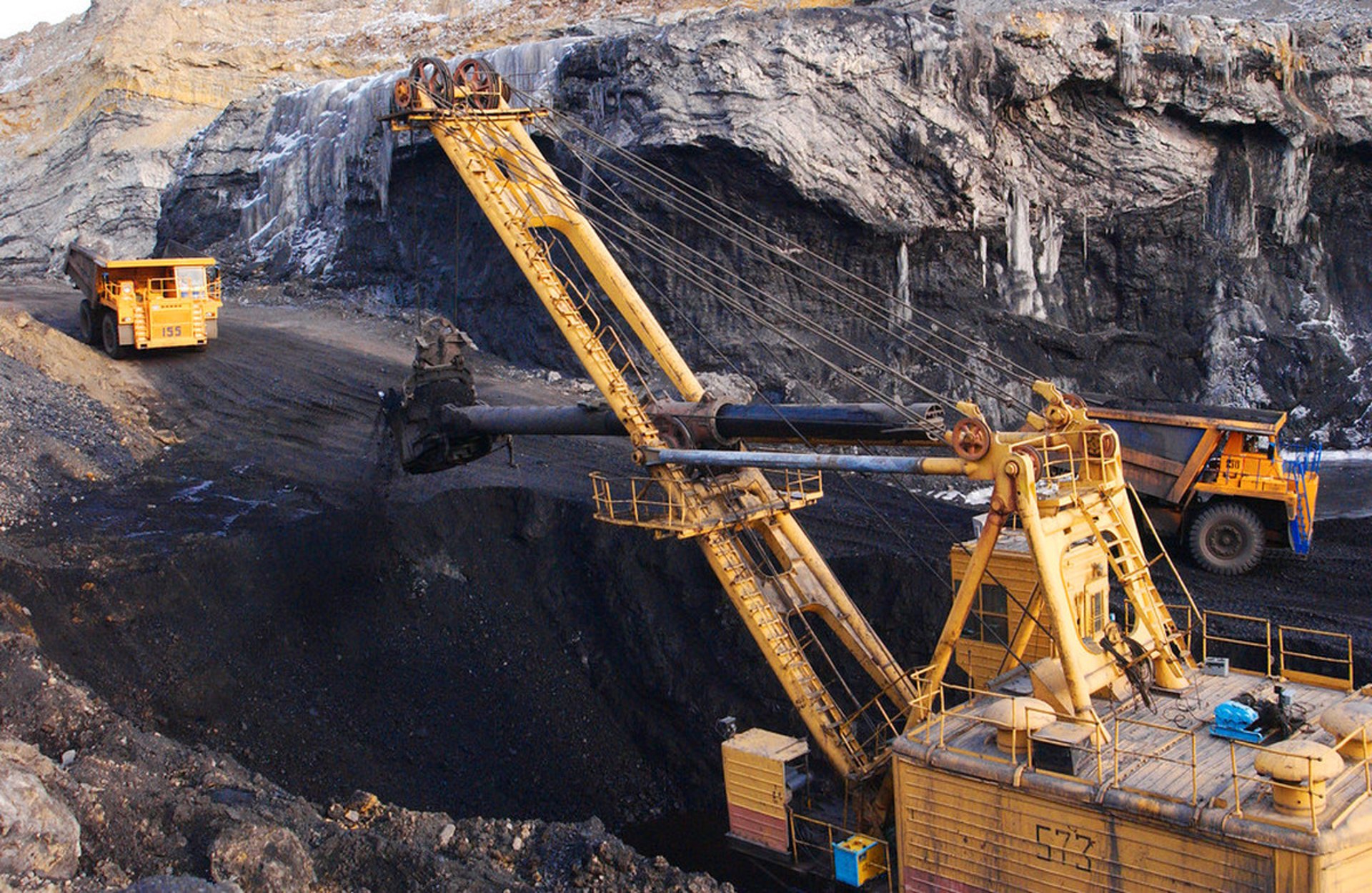
In ports, container terminals, steel plants, and mining sites across Indonesia, mobile equipment operates under extreme mechanical stress. Cables must withstand high travel speeds, dynamic tensile loads, torsion, and repeated reeling cycles—while safely transmitting medium voltage power.
This is where the (N)TSCGEWOEU medium voltage reeling cable stands out. Designed according to DIN VDE 0250-813, it is purpose-built for cranes and mobile machinery operating at 3.6/6 kV up to 12/20 kV under severe mechanical conditions.
What Is the (N)TSCGEWOEU Reeling Cable Used For?
The (N)TSCGEWOEU is a flexible medium voltage rubber-insulated reeling cable developed specifically for applications involving:
Continuous reeling and unreeling
High travel speeds (up to 180 m/min)
Dynamic tensile forces
Multiple directional changes (S-type routing)
Torsional stress (±50°/m)
Typical applications include:
Ship-to-shore (STS) container cranes
Rubber-tyred gantry cranes (RTG)
Rail-mounted gantry cranes (RMG)
Large mobile stackers and reclaimers
Heavy material handling systems
In Indonesian ports such as Tanjung Priok, Belawan, and Tanjung Perak, these operating conditions are common—making (N)TSCGEWOEU a proven solution.
What Standards Does (N)TSCGEWOEU Follow and Why Do They Matter?
The cable is based on DIN VDE 0250-813, a German standard specifically addressing reeling cables under high mechanical stress.
Why DIN VDE 0250-813 is important:
Defines mechanical load limits
Specifies torsion resistance
Regulates rubber compound performance
Ensures long service life under dynamic motion
For Indonesian projects using European cranes or EPC specifications, compliance with DIN VDE standards significantly reduces approval and commissioning risks.
What Is a Real Indonesia Case Study Using (N)TSCGEWOEU?
Port Container Crane Upgrade – Java Island
Project background:
A major container terminal in Java upgraded its STS cranes from diesel-assisted systems to full electric drives.
Challenges:
High humidity and salt air
Long travel distances
Frequent acceleration/deceleration
Medium voltage supply at 6/10 kV
Solution:
(N)TSCGEWOEU TENAX TTS 6/10 kV
Reeling system with S-type directional changes
Results after 24 months:
No sheath damage
Stable insulation resistance
Reduced maintenance downtime
Improved crane availability
Frequently Asked Questions (FAQ)
Can (N)TSCGEWOEU Be Used for Festoon Systems?
No. It is optimized for reeling systems, not festoon or energy chains.
Is It Suitable for Outdoor Use in Indonesia?
Yes. The sheath is UV, ozone, and oil resistant, ideal for tropical ports.
Can It Handle High Starting Currents?
Yes. Short-circuit ratings and thermal limits support heavy motor starts.
Is It Suitable for Mining Applications?
Yes, especially for large mobile mining equipment with reeling drums.
Why Should You Choose (N)TSCGEWOEU for High-Stress Applications?
Because it combines:
Proven European DIN engineering
High mechanical robustness
Reliable medium voltage performance
Long service life under extreme motion
If you are designing or upgrading crane and mobile equipment systems in Indonesia, choosing the right reeling cable is critical to safety, uptime, and lifecycle cost.
👉 Contact a professional cable supplier or engineer to:
Select the correct voltage and cross-section
Verify tensile and bending requirements
Optimize reel and routing design