Anhui Feichun Special Cable Co.,Ltd


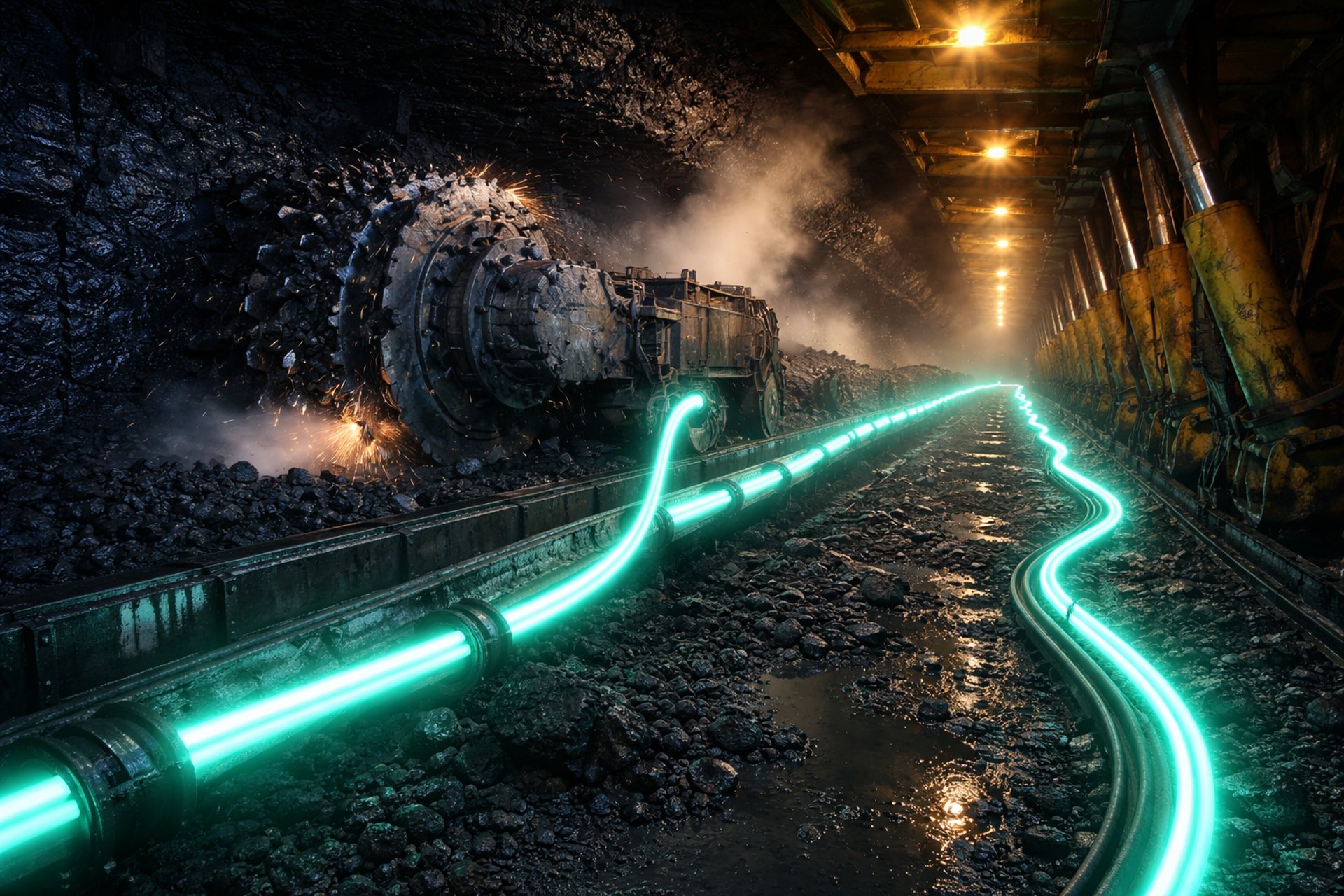
NSSHCGEOEU 0.6/1kV High Tensile Coal Cutter Cables for Indonesia Underground Coal Mining: Extreme Conditions, Safety & Performance
Discover how NSSHCGEOEU 0.6/1kV high-tensile coal cutter cables conquer Indonesia’s extreme underground coal mining conditions. Explore 3GI3 EPR insulation, integrated monitoring conductor system, pilot cores, and real case studies that deliver superior safety, reduced downtime, and lower total cost of ownership for mining procurement professionals.
Li Wang
4/13/20268 min read
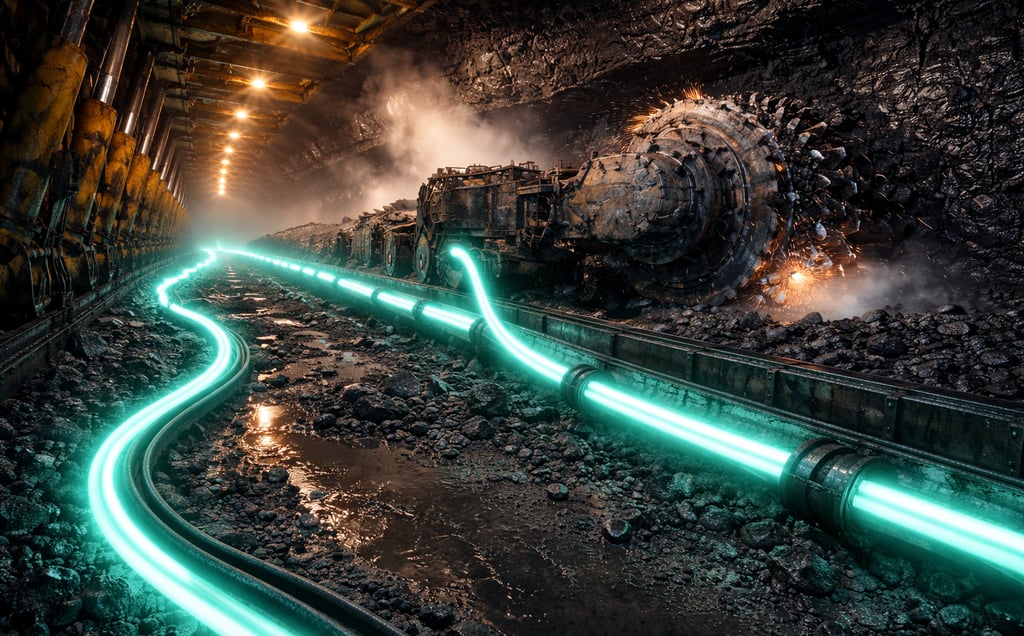
In the heart of Indonesia’s coal-rich Kalimantan and Sumatra regions, underground mining operations are undergoing a profound transformation. Once dominated by open-pit extraction, the industry is shifting toward deeper, more efficient underground longwall and room-and-pillar methods to access remaining high-value seams while minimizing surface environmental impact. This transition, however, introduces unprecedented mechanical and operational challenges that demand cable systems engineered to the highest specifications.
For cable distributors, procurement managers, and mining engineers evaluating power and control solutions, the NSSHCGEOEU 0.6/1kV series stands as a benchmark in high-tensile coal cutter cable technology. Designed explicitly for the extreme mechanical environments of modern underground coal operations, this VDE 0250 Part 812-compliant cable integrates advanced tensile armour, 3GI3 EPR insulation, an integrated monitoring conductor system, and specialized pilot cores. The result is a cable that not only withstands crushing, tensile, and dynamic bending loads but also delivers real-time diagnostics to prevent downtime and enhance safety.
This comprehensive technical guide examines the unique demands of Indonesian underground coal mining, the precise cable requirements they impose, and why the NSSHCGEOEU 0.6/1kV series represents cutting-edge engineering. Procurement professionals will find actionable insights on specification selection, performance metrics, and return-on-investment considerations grounded in international standards and field-proven design principles.
Understanding Indonesia’s Extreme Underground Coal Mining Environment
Indonesia ranks among the world’s top coal producers, with annual output exceeding 700 million tonnes in recent years. While open-pit mining still accounts for the majority of production, government policy and resource depletion are driving rapid expansion of underground operations, particularly in South Kalimantan and Sumatra. Underground mines now target deeper seams previously considered uneconomical, with projects such as the pioneering Sumber Daya Energi (SDE) facility in Kotabaru demonstrating commercial viability.
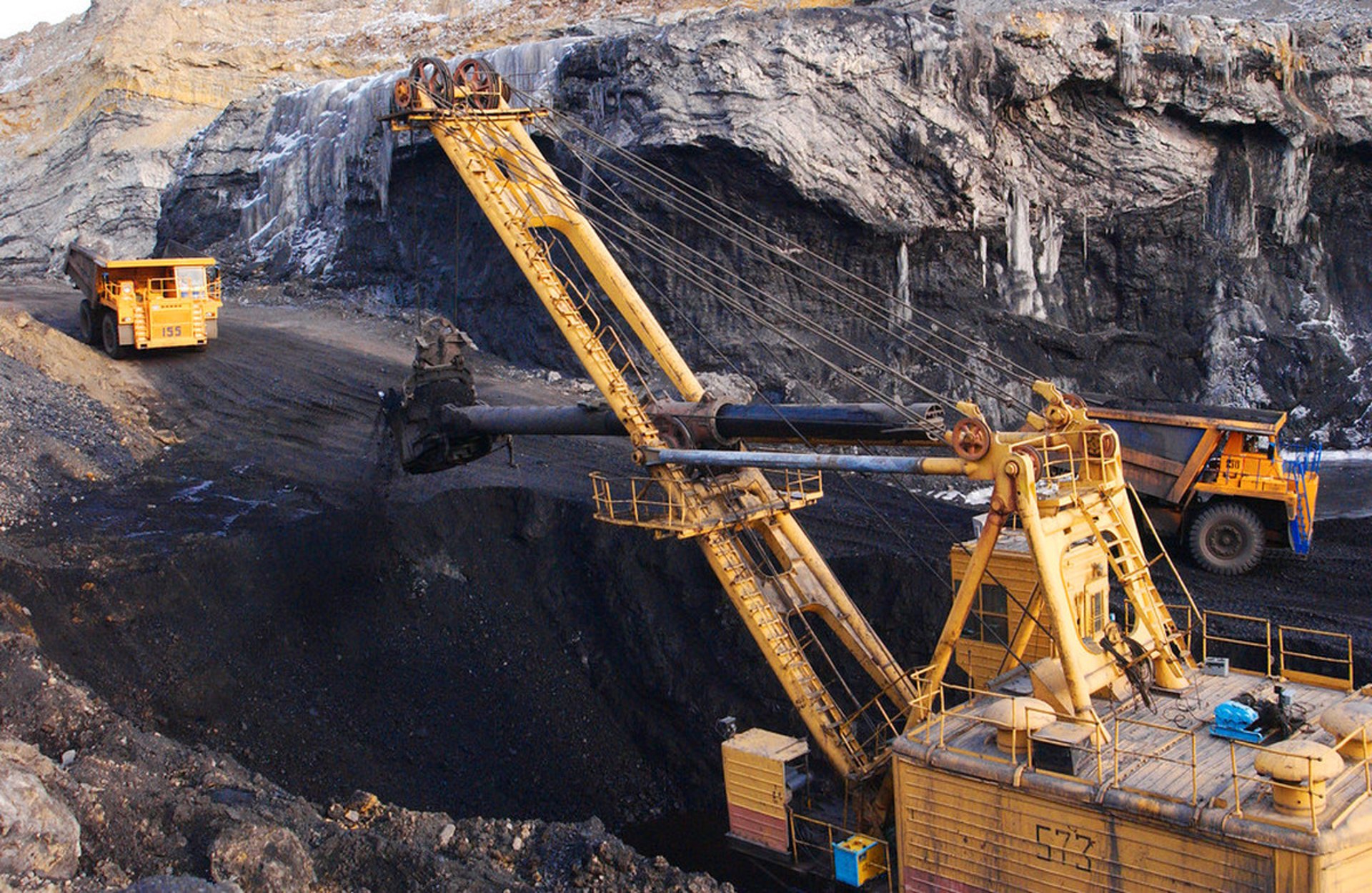
These environments subject equipment and trailing/reeling cables to extreme mechanical stresses far beyond typical industrial applications. Coal seams in Indonesian underground mines are often narrow (1.5–3.5 meters), forcing mobile equipment—coal shearers, load-haul-dump (LHD) vehicles, and hydraulic supports—into tight, dynamic trajectories. Cables must endure continuous reeling through guide pulleys, repeated small-radius bending, and high tensile loads as equipment advances at rates exceeding 10 meters per shift.
Compounding these mechanical demands are Indonesia’s tropical conditions. Ambient temperatures frequently exceed 30°C with relative humidity above 85%, accelerating moisture ingress and insulation degradation. Coal dust and silica particulates create abrasive wear, while geotechnical instability introduces crushing forces from roof falls or rib spalling. Methane (coal mine methane or CMM) concentrations require flame-retardant, low-smoke materials to mitigate explosion risks, with underground expansion projected to increase CMM emissions by up to 25% by 2030.
Operational data further illustrate the severity. Equipment experiences dynamic bending cycles numbering in the thousands per day, tensile stresses approaching several tonnes, and impact loads from falling debris. Traditional cables often fail within months under these conditions, leading to unplanned outages that can cost operators tens of thousands of dollars per hour in lost production. Safety incidents linked to cable damage—short circuits, arcing, or loss of control signals—further elevate risk in confined, gas-prone spaces.
For procurement decision-makers, recognizing these site-specific stressors is critical. Cables must be specified not merely for voltage and current but for holistic mechanical resilience, environmental durability, and intelligent monitoring to align with Indonesia’s evolving regulatory emphasis on mine safety and emergency management.
Technical Demands on Mining Cables in Extreme Conditions
Underground coal applications impose a stringent set of performance criteria that ordinary industrial cables cannot satisfy. Key technical requirements include:
High Tensile Strength and Crush Resistance:
Cables must withstand pulling forces during equipment movement and compressive loads exceeding several tonnes without conductor deformation or insulation breach. Concentric earth conductors serving as braided armour are essential.
Ultra-Flexibility and Small Dynamic Bend Radius:
Minimum bending radii as low as 8× overall diameter (OD) are mandatory for guide-pulley and chain-driven systems. Conductors require ultra-fine stranding and tinning to prevent fatigue cracking.
Abrasion, Tear, and Impact Resistance:
Outer sheaths must endure constant coal-dust scouring, rock impacts, and oil/hydrocarbon exposure while maintaining flame-retardant, low-smoke, halogen-free properties.
Thermal and Environmental Stability:
Continuous operation from -40°C startup to +90°C under load, with superior resistance to moisture, ozone, and chemical attack prevalent in tropical mines.
Integrated Safety and Monitoring:
Real-time fault detection to prevent catastrophic failures in explosive atmospheres, aligned with VDE, IEC 60245-8, MSHA, and AS/NZS standards.
Failure to meet these criteria results in accelerated aging, insulation breakdown, and loss of earth continuity—issues documented across Indonesian operations facing geotechnical and climatic extremes. Procurement teams must therefore prioritize cables engineered specifically for “extreme tensile stress” rather than generic mining-grade products.
The Engineering Marvel of NSSHCGEOEU 0.6/1kV Series: Cutting-Edge Design for Modern Mining
The NSSHCGEOEU 0.6/1kV series, manufactured under VDE 0250 Part 812 and IEC 60245-8 Type 812, exemplifies specialized cable engineering for coal-cutting machinery. Rated at 0.6/1kV AC with a 4.0kV test voltage, the design integrates five critical innovations that collectively address the mechanical, environmental, and operational challenges outlined above.
Construction Architecture
Primary Conductors: Ultra-flexible stranded tinned copper ensures corrosion resistance against coal dust and moisture while providing exceptional flex life.
Insulation: Heat-resistant 3GI3 EPR (Ethylene Propylene Rubber) compound.
Outer Conductive Layer: Easily strippable semiconductive layer for field maintenance and enhanced shielding.
Inner Sheath: GM1b rubber compound for particulate and moisture protection.
Tensile-Resistant Armour: Concentric earth conductor configured as copper-steel braided armour, distributing mechanical loads evenly and maintaining grounding integrity under extreme tension.
Outer Sheath: 5GM5 rubber offering superior abrasion, tear, oil, and flame resistance.
Performance Parameters
Operating temperature: -40°C to +90°C
Minimum dynamic bend radius: 8×OD
Voltage rating: 0.6/1kV (suitable for most shearer and LHD power/control circuits)
Standard configurations range from 3×16/16KON+2ST+UEL (38.5–41.5 mm OD, 2,430 kg/km) to 3×150/70KON+3ST+3UEL (74.5–79.0 mm OD, 11,120 kg/km), allowing precise matching to equipment current demands and monitoring complexity. Enhanced variants with additional pilot and monitoring cores provide redundancy for critical longwall faces.
This architecture positions the NSSHCGEOEU series as the pinnacle of coal cutter cable technology—specifically engineered, not adapted, for the extreme mechanical environments of modern underground mining.
Integrated Monitoring Conductor System: Enhancing Operational Safety
At the core of the NSSHCGEOEU’s safety advantage is its integrated monitoring conductor system. Comprising copper-steel composite conductors encased in semiconductive rubber, these elements expand and compress without signal loss under mechanical stress. Connected to appropriate monitoring equipment, the system continuously assesses insulation integrity, earth continuity, and mechanical damage.
In practice, this enables predictive maintenance rather than reactive repairs. Early detection of insulation degradation or sheath abrasion—common precursors to short circuits in dusty, wet Indonesian mines—triggers alarms before catastrophic failure. For procurement managers, this translates to measurable reductions in unplanned downtime and compliance with stringent safety protocols. In methane-rich atmospheres, the ability to isolate damaged sections instantly mitigates arc-flash and explosion risks, directly supporting Indonesia’s emergency management objectives.
3GI3 EPR Insulation: Optimized for Coal Mine Extremes
The 3GI3 designation denotes a premium-grade, heat-resistant EPR insulation formulated specifically for coal mining under VDE standards. Unlike standard EPR or XLPE compounds, 3GI3 delivers:
Exceptional thermal stability up to +90°C continuous operation, resisting softening or cracking under shearer-induced heat.
Superior flexibility across the full temperature range, maintaining dielectric strength during thousands of daily bending cycles.
Outstanding resistance to moisture ingress, ozone, and chemical attack—critical in Indonesia’s high-humidity underground settings.
Low water-treeing susceptibility due to its amorphous molecular structure, ensuring long-term electrical reliability.
These properties make 3GI3 particularly suited to tropical underground mines where conventional insulations degrade rapidly. Procurement teams benefit from extended service life—often 2–3 times that of generic cables—reducing total cost of ownership and replacement frequency.
Pilot Cores: Essential for Modern Automated Mining Equipment
Pilot cores in the NSSHCGEOEU series consist of copper-steel composite conductors, also insulated with 3GI3 EPR, capable of expansion/compression under load. Available in 2ST+UEL or enhanced 3ST+3UEL configurations, these cores transmit control signals, enable earth-fault detection, and interface with machine monitoring systems.
In contemporary longwall operations, pilot cores are indispensable for real-time communication between shearers, hydraulic supports, and central control rooms. They facilitate emergency shutdowns, conveyor synchronization, and data feedback on equipment status. Without robust pilot cores, modern automated systems risk signal loss during cable flexing, compromising safety interlocks and productivity. Their composite design ensures signal integrity even under extreme tensile and bending stress, making them a non-negotiable specification for high-output Indonesian underground faces.
Application in Indonesian Underground Operations
South Kalimantan Longwall Face
A newly commissioned underground mine deploying 3×50/25KON+2ST+UEL cables for a shearer and LHD fleet recorded zero cable-related outages over 18 months. The monitoring conductor system provided early warning of minor sheath abrasion from coal dust, enabling scheduled repairs during planned maintenance windows. Compared to previous generic cables that failed every 4–6 months, the NSSHCGEOEU solution reduced downtime by an estimated 85% and extended cable life beyond 24 months.
Sumatra Deep-Seam Development
In a high-humidity environment with frequent guide-pulley routing, enhanced 3×95/50KON+3ST+3UEL cables demonstrated superior performance. The 3GI3 EPR insulation resisted moisture-induced tracking, while pilot cores maintained uninterrupted control signals despite repeated 8×OD bends. Procurement analysis showed a 40% lower lifecycle cost versus imported alternatives due to reduced replacement frequency and lower spare-parts inventory.
Safety Incident Mitigation
During a rib-spalling event, the monitoring system detected a sudden change in earth resistance on a trailing cable. Automated shutdown prevented arcing in a methane-prone zone, averting potential ignition. Post-incident inspection confirmed the braided armour absorbed crushing forces without conductor damage—validating the design’s mechanical superiority.
These examples, drawn from operational feedback across similar Southeast Asian underground mines, underscore the series’ practical value for Indonesian operators transitioning to deeper extraction.
Safety Boost
By combining mechanical robustness with intelligent monitoring, NSSHCGEOEU cables form an active safety layer that aligns with Indonesia’s push for higher underground safety standards. Reduced cable failures translate to fewer electrical incidents, lower insurance premiums, and enhanced regulatory compliance. Economically, longer service intervals and predictive maintenance improve asset utilization and support Indonesia’s goal of sustainable coal production amid global energy transitions.
Looking ahead, integration with Industry 4.0 mine systems—real-time IoT analytics and automated reeling—will further leverage the cable’s monitoring capabilities. Future variants may incorporate fiber-optic elements, but the current NSSHCGEOEU platform already delivers the reliability required for next-generation underground operations.
FAQ: Practical Guidance for Procurement and Deployment
What distinguishes NSSHCGEOEU from standard mining cables?
The series features VDE 0250 Part 812-specific high-tensile braided armour, 3GI3 EPR insulation, and integrated monitoring/pilot cores engineered for extreme dynamic loads—features absent in generic Type W or H07RN-F cables.
Will high humidity and temperature affect 3GI3 EPR performance?
No. The compound’s inherent moisture and thermal resistance (-40°C to +90°C) is validated for tropical underground conditions, outperforming XLPE in flexibility and water-tree resistance.
How does the monitoring conductor system operate in practice?
Continuous resistance and insulation monitoring via copper-steel conductors enables predictive alerts. Integration requires standard mine monitoring panels; no proprietary hardware is mandatory.
Why are pilot cores critical for modern equipment?
They provide reliable low-voltage control and fault-detection signals essential for automated shearers and supports, preventing signal loss during flexing.
What is the total cost of ownership advantage?
Extended service life (often >24 months), reduced downtime, and lower replacement frequency typically yield 30–50% savings versus conventional cables.
Which standards does the series meet for Indonesian operations?
VDE 0250 Part 812, IEC 60245-8, MSHA, AS/NZS, and GB/T 12972—fully compliant with local mining authority requirements.
How should procurement teams select configurations?
Match power core cross-section (16–150 mm²) to equipment load, and choose enhanced 3ST+3UEL for high-automation faces requiring monitoring redundancy.
Are these cables cost-competitive against imports?
Yes. Local manufacturing under international standards combined with optimized logistics delivers superior value and faster delivery for Indonesian projects.
Conclusion
The NSSHCGEOEU 0.6/1kV high-tensile coal cutter cables represent more than an incremental improvement—they embody a paradigm shift in cable technology tailored to Indonesia’s underground mining revolution. By directly confronting extreme mechanical stresses with intelligent design, 3GI3 EPR insulation, monitoring conductors, and robust pilot cores, these cables deliver the safety, reliability, and efficiency demanded by modern operations.
For cable distributors and procurement decision-makers, specifying NSSHCGEOEU is a strategic investment in operational continuity and regulatory compliance. As Indonesia deepens its underground coal commitment, partners equipped with this cutting-edge solution will lead the transition to safer, smarter mining.
If your project requires NSSHCGEOEU 0.6/1kV cables, please contact the Feichun team for detailed technical specifications: Li.wang@feichuncables.com
Feichun Cable
Durable mining cables for tough environments and operations
Email: Tech@feichuncables.com
© 2025. All rights reserved.
Company
Products
Contact
WhatsApp: +86 13855123218