


(N)GFLCGÖU Screened Flat Festoon Cable 300/500V for Lifts, Cranes & Conveyor Systems Flexible EPR Insulation, CR Sheath, Up to 120mm²
Application | Usage | Especially used for lifts, cranes, floor conveyor systems, elevators, and festoon systems. Flat structure suitable for installations where space is at a premium and requires smaller bending radius. Copper screens efficient against electromagnetic effects. Not suitable for torsional stress. |
Characteristics | Voltage Rating Uo/U | 300/500V |
Temperature Rating | Flexed: -50°C to +90°C |
Minimum Bending Radius | Fixed: 5 × overall diameter |
Maximum Tensile Load | 15 N/mm² for static |
Travel | Festoon Systems: up to 180 m/min |
Construction | Conductor | Up to 25 mm²: Class 6 electrolytic annealed, plain copper |
Insulation | EPR (Ethylene Propylene Rubber) |
Screen | TCWB (Tinned copper wires braiding) |
Sheath | CR (Chloroprene Rubber) type 5GM3 |
Core Identification | 4 Core: Green/Yellow, Brown, Black, Grey |
Sheath Colour | Black |
Standards | Compliance | VDE 0293-308, DIN VDE 0250-809, DIN VDE 0250-1, DIN VDE 0298-3, DIN VDE 0472-501/503/508, DIN VDE 0472-401/402/602/303/615, DIN VDE 0472-803/804, VDE 0482-332-1-2, DIN EN 60332-1-2, IEC 60332-1, HD/EN/IEC 60811-2-1, DIN VDE 0473-811-2-1 |
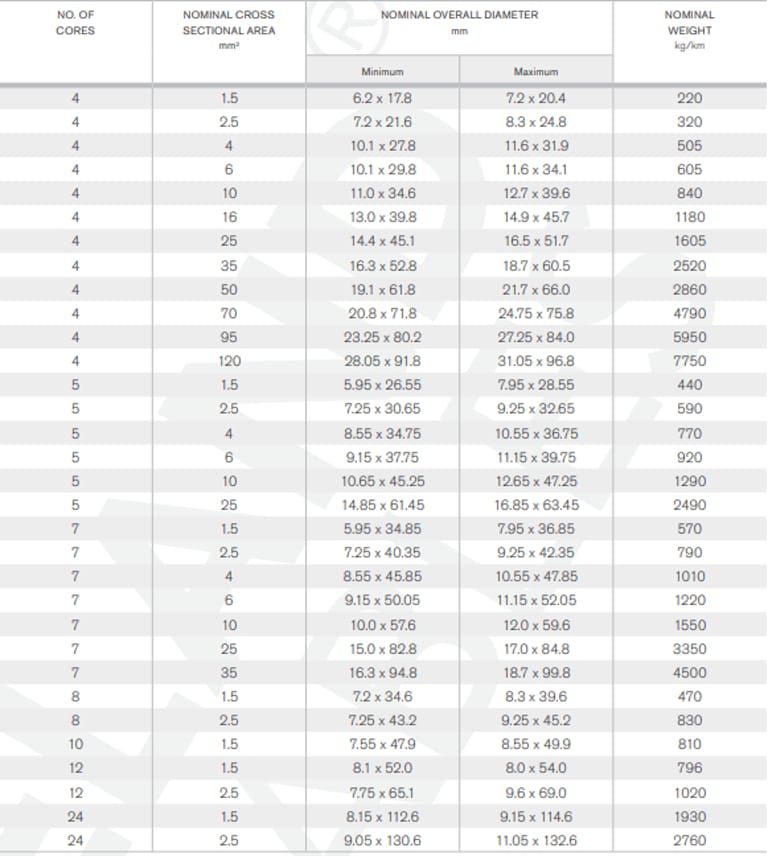
DIMENSIONS
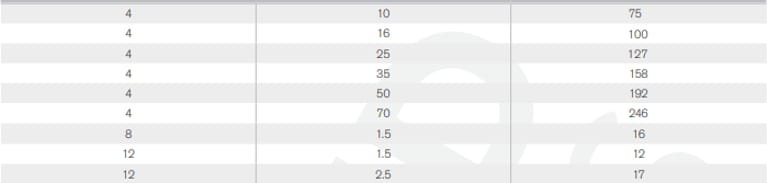
ELECTRICAL CHARACTERISTICS

The modern industrial environment demands reliable, flexible, and safe power transmission solutions. Among these, the (N)GFLCGÖU Screened Flat Festoon Cable 300/500V stands out as a high-performance cable designed specifically for lifts, cranes, floor conveyor systems, and festoon applications. But what exactly makes this cable suitable for such demanding uses, and how does it compare to other festoon cables?
What Is the (N)GFLCGÖU Flat Festoon Cable and Why Is It Flat?
The (N)GFLCGÖU is a screened flat festoon cable, meaning its conductors are arranged side by side rather than twisted or bundled. This flat geometry allows the cable to occupy minimal space while offering a reduced bending radius, making it ideal for applications where compact installation is essential.
Flat structure advantage: Minimizes space usage and enables smooth movement on festoon systems.
Screening: Tinned copper wire braiding protects against electromagnetic interference (EMI), ensuring reliable signal and power integrity in sensitive industrial equipment.
Flexibility: Despite its compact design, it handles flexing and mobile movement within its rated limits.
What Are the Technical Specifications of (N)GFLCGÖU Cables?
These cables are built to meet international standards such as VDE, DIN, IEC, and HD/EN/IEC, ensuring global compliance for industrial applications. Key specifications include:
Voltage Rating (Uo/U): 300/500V
Temperature Rating:
Flexed: -50°C to +90°C
Mobile: -30°C to +90°C
Maximum Conductor Operating Temperature: 90°C
Maximum Short-Circuit Temperature: 250°C
Minimum Bending Radius:
Fixed: 5 × overall diameter
Moving: 10 × overall diameter
Maximum Tensile Load: 15 N/mm² (static)
Travel Speed in Festoon Systems: Up to 180 m/min
These parameters make the cable highly suitable for dynamic environments such as cranes and conveyor systems, where mechanical stress is frequent.
Where Are (N)GFLCGÖU Cables Used?
The (N)GFLCGÖU is optimized for moving machinery and material handling systems. Key applications include:
Lifts and Elevators: Safe power transmission in confined spaces.
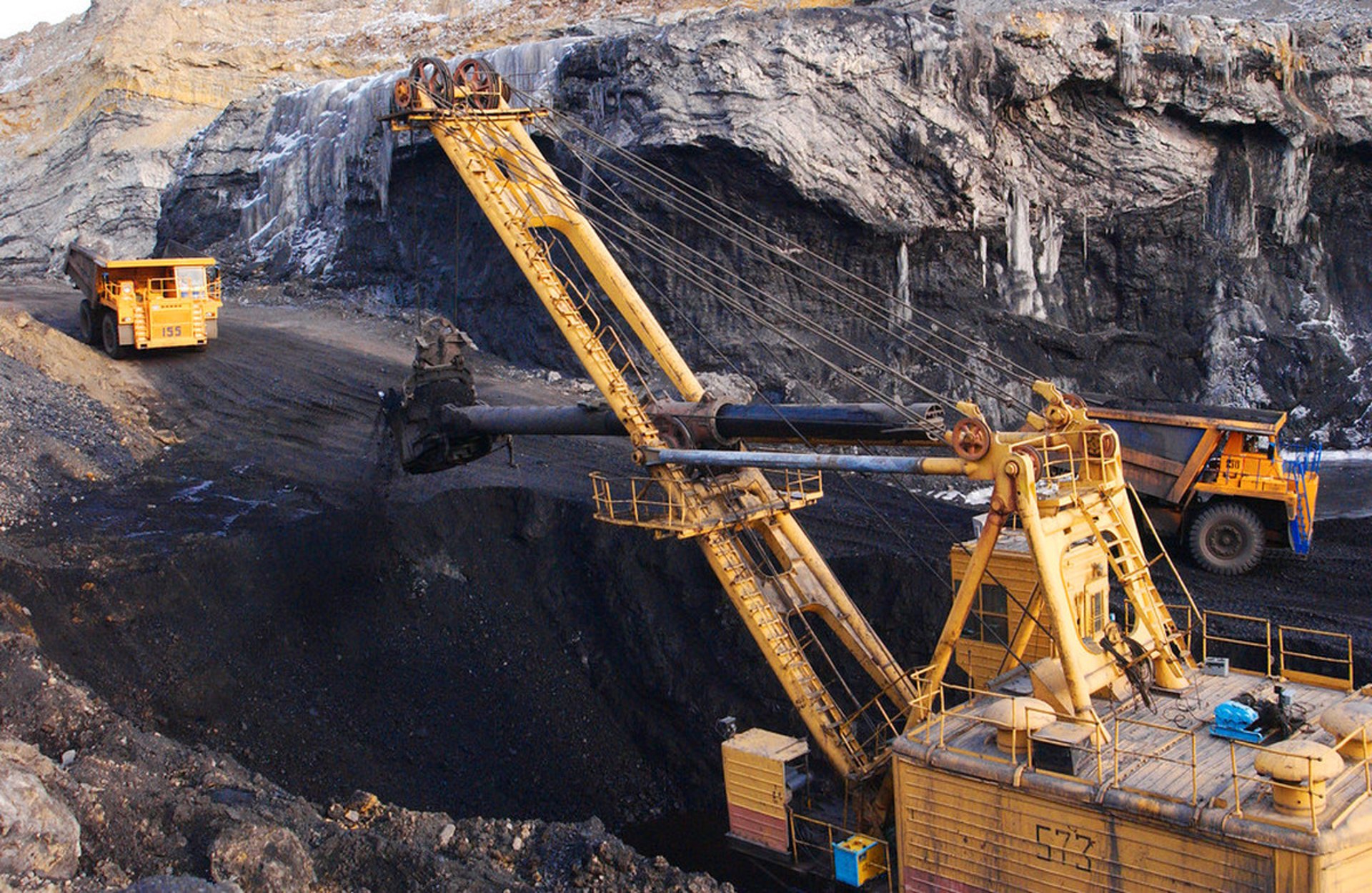
Cranes and Hoists: Supports dynamic movement while resisting electromagnetic interference.
Floor Conveyor Systems: Handles repetitive flexing without insulation damage.
Festoon Systems: Ideal for long cable travel in industrial plants.
Indonesia:
In Jakarta’s largest port, (N)GFLCGÖU cables have been deployed in overhead crane systems. Engineers reported reduced downtime and longer cable service life compared to older PVC-insulated flat cables, thanks to CR sheath chemical resistance and EPR insulation flexibility.
Frequently Asked Questions About (N)GFLCGÖU Flat Festoon Cables
Q1: Can (N)GFLCGÖU cables be used in outdoor applications?
Yes, the CR sheath offers UV and weather resistance, but ensure ambient temperature stays within rated limits.
Q2: How does it compare to round festoon cables?
Feature | Flat (N)GFLCGÖU | Round Festoon Cable |
|---|---|---|
Space-saving | ✅ Excellent | ❌ Limited |
Bending radius | Small | Larger |
EMI protection | ✅ Braided screen | Optional |
Flexing endurance | High | Moderate |
Q3: What is the maximum current for a 4-core 50 mm² cable?
The permissible current rating is 192 A under standard installation conditions.
Q4: Are these cables suitable for torsional stress?
No. They are designed for flexing along one plane and should not be twisted.
Q5: How do I select the correct core size?
Consider load current, voltage drop, flexing frequency, and installation space. For high-speed conveyor systems, higher cross-section reduces voltage drop.
Q6: Can these cables handle chemical exposure?
Yes, the CR sheath is resistant to oils, greases, aliphatic hydrocarbons, and some acids.
Why Choose (N)GFLCGÖU for Your Industrial Applications?
Compact and flexible: Flat design reduces space while maintaining high mechanical strength.
Reliable in motion: Handles repetitive flexing, suitable for cranes, lifts, and conveyors.
Electromagnetic protection: Copper screen prevents interference with sensitive equipment.
Durable materials: EPR insulation + CR sheath ensure long-term chemical, heat, and mechanical resistance.
Global standards compliance: Meets VDE, DIN, IEC specifications for safety and performance.
The (N)GFLCGÖU flat festoon cable is a premium industrial solution for moving machinery where space, flexibility, and durability are critical. Its flat structure, robust materials, EMI shielding, and compliance with international standards make it a preferred choice in Indonesia’s port, factory, and industrial automation sectors. By selecting the right core size, ensuring proper installation, and following maintenance guidelines, industrial operators can achieve maximum reliability, safety, and operational efficiency.