Anhui Feichun Special Cable Co.,Ltd

Indonesia Underground Coal Mining: SDE Kotabaru Mine's Harsh Environment, Equipment Demands, and Why NTSCGECWOEU Medium Voltage Trailing Cables Are the Ideal Solution
Discover Indonesia’s pioneering underground coal mining at PT Sumber Daya Energi (SDE) Kotabaru Mine in South Kalimantan. This in-depth guide examines the extreme tropical environment, longwall equipment demands, trailing cable technical requirements, and why NTSCGECWOEU medium voltage trailing cables deliver unmatched reliability, safety, and performance in one of the world’s harshest mining settings.
Li Wang
4/1/20267 min read
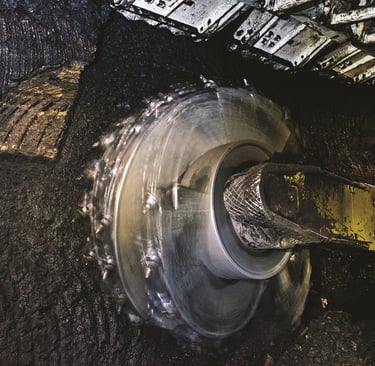
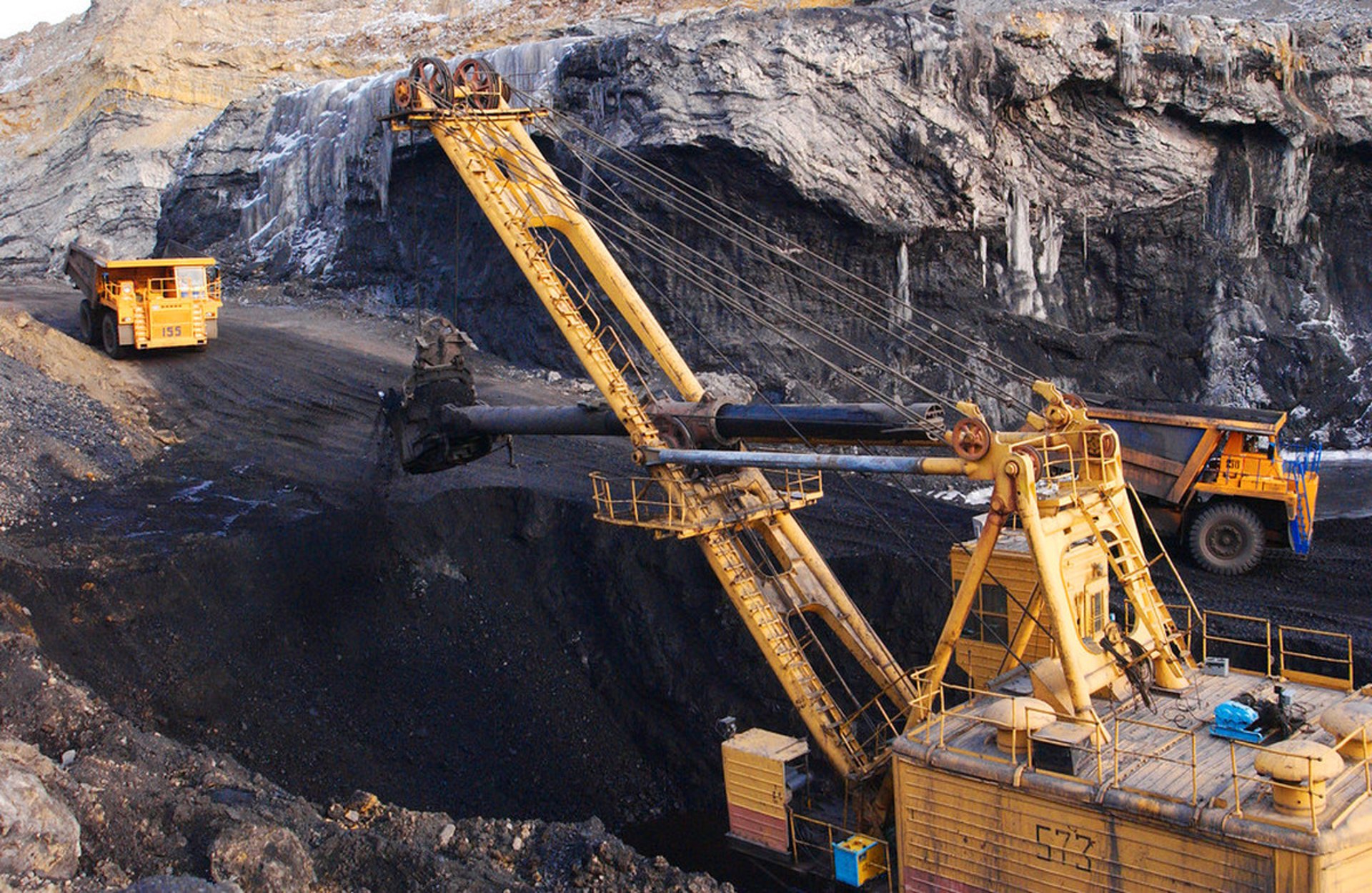
Indonesia’s Underground Coal Mining Revolution
Indonesia, the world’s third-largest coal producer, has long relied on surface (open-pit) mining, which accounts for over 95% of national output. Yet as shallow reserves deplete and environmental regulations tighten, the industry is pivoting to underground operations. At the forefront stands PT Sumber Daya Energi (SDE) in Sungai Durian, Kotabaru Regency, South Kalimantan—the nation’s first large-scale modern underground coal mine.
Commissioned for commercial production on 18 December 2023 after a USD 300 million investment by China’s Qinfa Group (70% stake), SDE-I targets 10 million tonnes per annum (Mtpa), with phased expansion to 20 Mtpa across SDE-II and III. The 184.92 km² concession holds 293 million tonnes of proven reserves and 589 million tonnes of resources, supporting a 15-year mine life. A 550-metre-wide longwall face—one of the world’s widest—powers this output, supported by a 3 Mtpa coal washing plant operational since December 2024.
This article dissects the SDE Kotabaru underground environment, its longwall mining equipment, the stringent technical demands placed on power delivery systems, and the precise reasons NTSCGECWOEU medium voltage trailing cables (per the technical datasheet at feichuncables.com) are engineered for these conditions. For mining engineers, procurement specialists, and energy professionals, the analysis offers practical insights into selecting cables that minimise downtime, enhance safety in explosive atmospheres, and support sustainable underground operations.
Indonesia’s Coal Mining Shift and the Strategic Importance of SDE Kotabaru
South Kalimantan’s Barito Basin hosts some of Indonesia’s highest-quality bituminous coals. Traditional open-pit mining has driven economic growth but left scars: deforestation, acid mine drainage, and unaccounted methane emissions. Underground mining addresses these by limiting surface disturbance while accessing deeper, higher-value seams.
SDE’s development began in 2021. By late 2023, initial production reached commercial levels; output surged 170% in the first half of 2025. The mine employs advanced Chinese-manufactured longwall systems from Zhengzhou Coal Mining Machinery Group, aligning with Indonesia’s “green mining” policy under the Ministry of Energy and Mineral Resources (ESDM). Local workforce training programmes further embed community benefits.
Compared with surface mines, underground operations at SDE reduce visible environmental impact but introduce unique engineering challenges: confined spaces, constant equipment mobility, and heightened geohazards. Reliable power transmission via trailing cables becomes the operational lifeline.
Spotlight on PT Sumber Daya Energi (SDE) Kotabaru: Indonesia’s Underground Pioneer
SDE operates at depths ranging 180–650 metres within a structurally complex seam. The mine layout features extensive development headings exceeding 180 km, with longwall panels designed for high-output retreat mining. A dedicated coal preparation plant ensures market-ready product for export to China and domestic power stations.
Qinfa’s investment has imported world-class technology while complying with Indonesian IUP-OP licensing (expiring May 2034). Production ramp-up data from 2024 (0.88 Mt) to H1 2025 demonstrate rapid stabilisation. Safety protocols exceed national baselines, incorporating real-time methane monitoring and automated roof support systems—critical given historical Indonesian underground incidents.
The Extreme Underground Mining Environment at SDE Kotabaru
Kotabaru’s tropical rainforest climate imposes severe stresses. Ambient temperatures exceed 30°C year-round, with relative humidity routinely surpassing 90%. Heavy monsoon rainfall causes persistent groundwater ingress, creating muddy floors and standing water that accelerate corrosion and electrical tracking.
Coal dust concentrations are elevated in longwall faces, while high coalbed methane (CBM/CMM) content poses explosion risks. Ember’s 2024 analysis reveals Indonesia under-reports CMM by a factor of eight; SDE alone could contribute hundreds of kilotonnes of CH₄ annually if unmitigated. Confined spaces amplify heat stress on personnel and equipment, while mechanical abrasion from roof falls, shuttle-car traffic, and conveyor movement is unrelenting. Oil and hydraulic-fluid spills are commonplace around shearers and powered supports.
These conditions demand cables that endure:
Continuous flexing and dragging over sharp rock;
Crushing under heavy tracked vehicles;
Chemical attack from oils, acids, and coal slurries;
Thermal cycling between 40–90°C conductor temperatures;
Flame propagation resistance in methane-laden air (explosive Group I classification per IEC standards).
Ordinary industrial cables fail rapidly here; mine-rated trailing cables must comply with VDE 0250 Part 813 or equivalent for “extreme mechanical durability in subterranean environments.”
Key Mining Equipment in SDE’s Longwall Operations
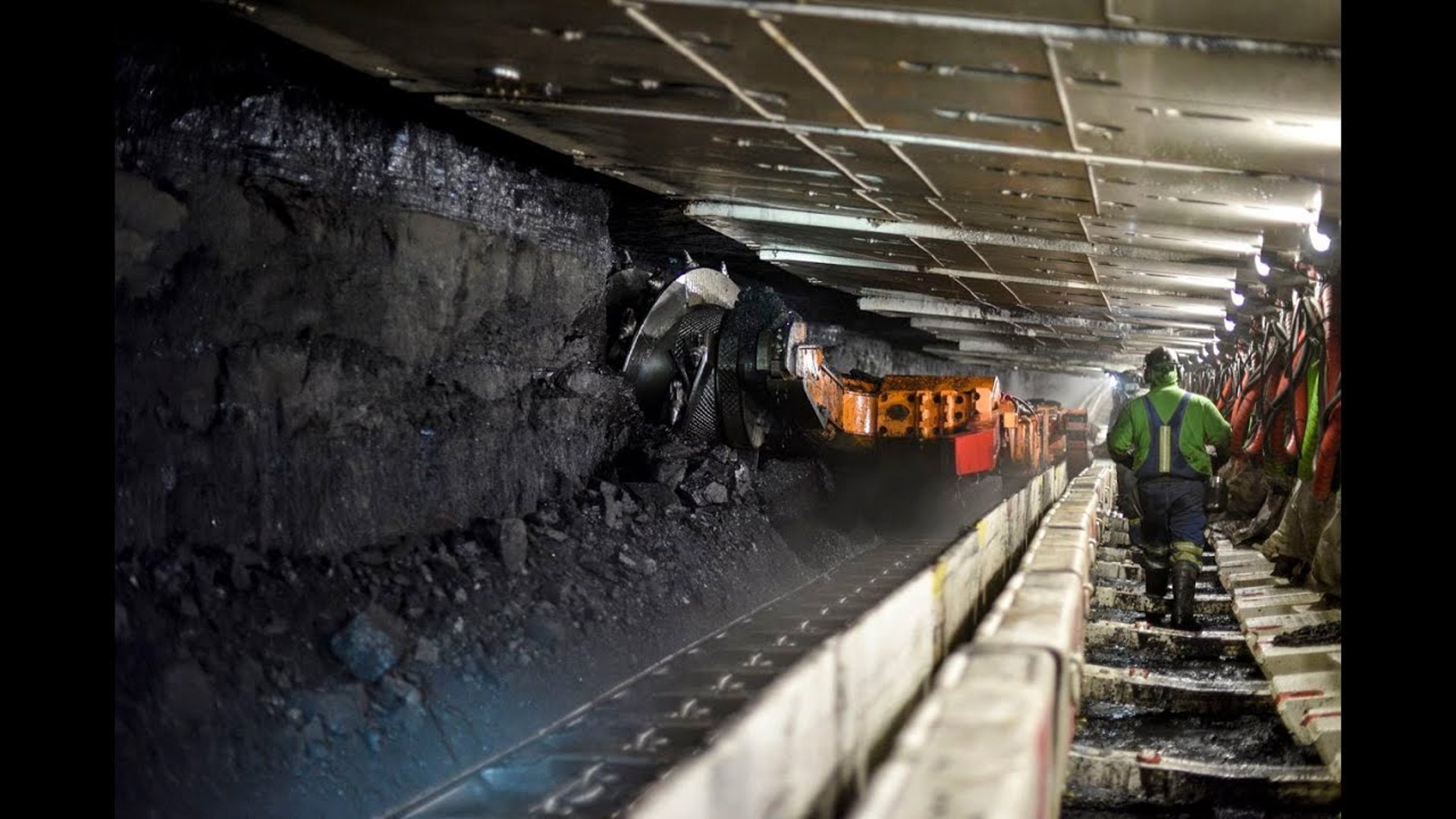
SDE employs fully mechanised longwall retreat mining—the global standard for high-productivity underground coal extraction. Core mobile equipment includes:
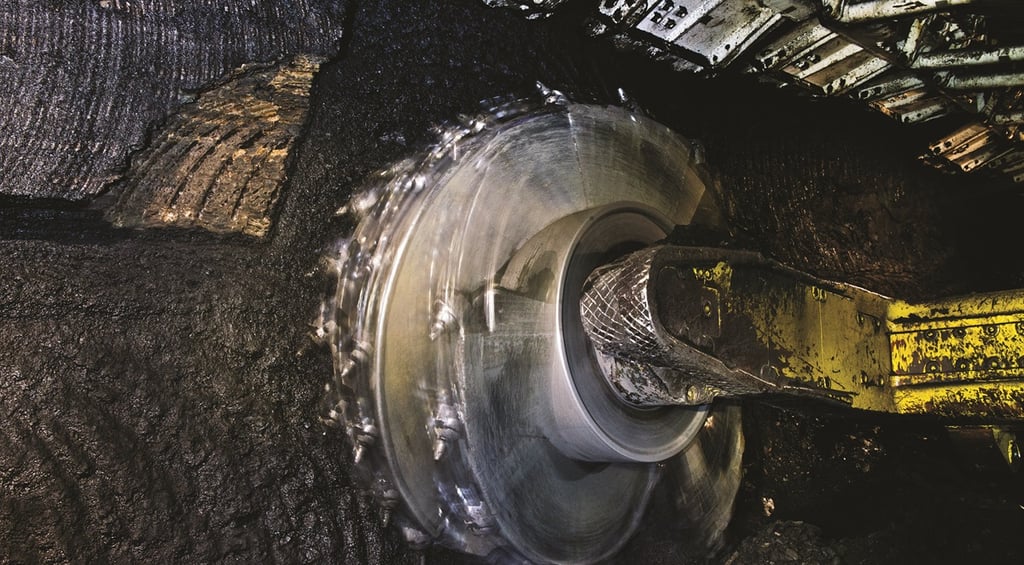
Coal Shearer (Double-Ended Ranging Drum Shearer):
Traverses the 550 m face at speeds up to 15 m/min, cutting coal in bidirectional passes. Requires high-power (often >1 MW) trailing-cable supply for variable-frequency drives.
Armoured Face Conveyor (AFC):
Transports cut coal to the beam stage loader. Chain-driven and subject to extreme torque and vibration.
Powered Roof Supports (Shield Supports):
2-leg or 4-leg hydraulic chocks (supplied by ZCMMC) advance in sequence, protecting the face. Each shield demands auxiliary power for electro-hydraulic controls.
Continuous Miners and Shuttle Cars / Load-Haul-Dump (LHD) Units:
Used in development headings for roadway drivage and material transport.
Roof Bolters and Auxiliary Machinery:
Drill and install rock bolts; mobile transformers step down medium voltage.
All primary face equipment is electrically powered and must move continuously or intermittently across the panel. Trailing cables therefore experience repeated reeling/unreeling, bending radii as tight as 6–8× cable diameter, and exposure to falling debris. Cable length can exceed 300 m on a single shearer run, amplifying voltage drop and mechanical fatigue concerns.
Technical Requirements for Trailing Cables in SDE’s Harsh Conditions
Mining engineers specify trailing cables according to international mine safety standards (VDE 0250, IEC 60245-4, MSHA equivalents). At SDE, the following parameters are non-negotiable:
Ultra-Flexibility: Class 5 (or finer) tinned copper conductors per DIN VDE 0295 to withstand >10,000 bending cycles at small radii without strand breakage.
Mechanical Protection: Braided or spirally wrapped copper-steel armour plus reinforcing tapes to resist crushing loads >50 kN and abrasion from rock/coal.
Environmental Resistance: Outer sheaths must demonstrate oil, chemical, ozone, and water immersion resistance (GM5-type compounds). Flame-retardant and low-smoke halogen-free properties prevent fire propagation in confined, oxygen-variable atmospheres.
Electrical Safety: Medium-voltage ratings (6/10 kV or 12/20(24) kV) with symmetric three-core design, integrated earth conductors, and pilot/monitoring cores. A dedicated monitoring shield enables continuous insulation-resistance measurement, triggering instant power cut-off on faults—essential for methane explosion prevention.
Thermal and Dielectric Performance: EPR-based insulation (3GI3 grade) rated for 90°C continuous conductor temperature with excellent dielectric strength and partial-discharge resistance.
Installation Practicalities: Minimum bend radius 6–8× OD, strain-relief clamps, and proper cable-handling systems on shearers to avoid kinking.
Failure modes observed with non-mine-rated cables at similar Indonesian sites include insulation cracking after 3–6 months, armour corrosion leading to earth faults, and unplanned downtime exceeding 10% of shift time. SDE’s 550 m face length and 24/7 operation multiply these risks exponentially.
NTSCGECWOEU Medium Voltage Trailing Cables: Technical Specifications
NTSCGECWOEU cables are purpose-designed under VDE 0250 Part 813 for underground coal-mine mobile equipment. Construction details (sourced from the manufacturer’s datasheet) comprise:
Conductors: Ultra-flexible Class 5 stranded tinned copper (DIN VDE 0295) for maximum pliability and corrosion resistance.
Inner Conductor Layer: Special conductive rubber compound ensuring electromagnetic compatibility.
Insulation: Premium 3GI3 EPR rubber compound delivering superior dielectric strength and long-term thermal stability.
Outer Conductor Layer: Easy-strippable conductive rubber.
Pilot / Monitoring Cores (optional): Tinned copper with EPR insulation plus spiral tinned-copper earth conductor for real-time ground-check monitoring.
Inner Sheath: GM1b rubber for intermediate mechanical buffering.
Armouring: Braided or wrapped copper-steel wire configuration with reinforcing tape—providing tensile strength and crush resistance.
Outer Sheath: 5GM5 rubber—oil-, chemical-, abrasion-, and tear-resistant while remaining flame-retardant.
Voltage ratings cover 6/10 kV and 12/20(24) kV. Example dimensions: 3×150+3×70/3E+6UEL at 12/20 kV yields OD 80–85 mm and weight ≈13,000 kg/km. The cable meets additional equivalences: IEC 60245-4, UL 1581 Type W, AS/NZS 1429.1, and BS 6346 Type MFCW. A built-in monitoring shield facilitates predictive maintenance by detecting insulation degradation before failure.
Why NTSCGECWOEU Cables Perfectly Match SDE Kotabaru Requirements
NTSCGECWOEU cables align point-for-point with SDE’s operational realities:
Flexibility for Longwall Mobility:
Class 5 conductors and EPR insulation allow the shearer to drag the cable across a 550 m face without fatigue—critical for bidirectional cutting cycles exceeding 20 passes per shift.
Mechanical Armour Against SDE’s Abrasive Floor:
Copper-steel braiding withstands crushing and scraping in muddy, rock-strewn conditions far better than standard PVC or PUR sheaths.
Environmental Resilience in Tropical Humidity:
5GM5 outer sheath resists oil, coal slurry, and high-ozone levels; GM1b inner sheath prevents water ingress even during prolonged flooding.
Explosion-Proof Safety in High-Methane Setting:
Integrated monitoring shield and symmetrical earth conductors enable instantaneous fault detection, complying with Indonesian ESDM methane-management decrees and reducing ignition risk to near zero—directly addressing Ember’s warnings on under-reported CMM.
Thermal and Electrical Stability:
3GI3 insulation maintains dielectric integrity at conductor temperatures up to 90°C under SDE’s 24/7 load, minimising voltage drop over long cable runs.
Proven Mine-Grade Certification:
VDE 0250 Part 813 certification guarantees performance in “potentially explosive atmospheres and corrosive environments where standard electrical cables would fail.” Global deployments in similar longwall operations confirm service lives 3–5× longer than generic MV cables, translating to measurable reductions in unplanned outages and maintenance costs.
Practical outcome at SDE: adopting NTSCGECWOEU enables higher equipment utilisation (>95%), supports automated cable-reeling systems, and aligns with the mine’s ESG commitments by lowering electrical-incident frequency. Procurement teams can specify exact cross-sections (e.g., 3×120 mm² for shearers) based on power calculations and panel length.
Broader Impacts: Safety, Efficiency, and Sustainable Mining
By mitigating cable-related downtime and faults, NTSCGECWOEU contributes directly to SDE’s safety record and Indonesia’s Global Methane Pledge compliance. Reduced methane ignition risk protects the 683-person workforce while enabling higher production without proportional emissions growth. Economically, lower maintenance and fewer stoppages accelerate ROI on the USD 300 million investment.
Environmentally, underground mining at SDE disturbs <5% of the surface area of an equivalent open pit, preserving Kalimantan’s biodiversity corridors. Advanced cables support this low-impact model by ensuring uninterrupted, energy-efficient power delivery.
Future Outlook: Scaling Underground Operations in Indonesia
SDE-II is scheduled for H1 2026 commissioning. National policy now encourages underground development in depleted surface basins. Next-generation cables incorporating fibre-optic sensors and higher-voltage (up to 36 kV) designs will further automate longwall faces. Indonesian operators adopting NTSCGECWOEU today position themselves for regulatory compliance and competitive advantage as ESG scrutiny intensifies.
Conclusion
SDE Kotabaru exemplifies Indonesia’s underground coal mining renaissance. Its tropical, methane-rich, high-abrasion environment places extraordinary demands on mobile equipment and, crucially, on the trailing cables that keep shearers, conveyors, and supports operational. NTSCGECWOEU medium voltage trailing cables—engineered precisely to VDE 0250 Part 813 with Class 5 conductors, 3GI3/5GM5 rubber compounds, copper-steel armour, and active monitoring—deliver the flexibility, durability, and safety required for reliable, cost-effective, and sustainable production.
Mining professionals evaluating power solutions for Indonesian or similar tropical underground projects should prioritise cables that exceed generic industrial ratings. NTSCGECWOEU not only meets but anticipates the extreme conditions at SDE Kotabaru, turning potential cable vulnerabilities into operational strengths.
Feichun Cable
Durable mining cables for tough environments and operations
Email: Tech@feichuncables.com
© 2025. All rights reserved.
Company
Products
Contact
WhatsApp: +86 13855123218