Anhui Feichun Special Cable Co.,Ltd


How Medium-Voltage Reeling Cables Power Container Cranes in Indonesia: Engineering Insights into RHEYFIRM® (RTS) NTSCGEWTOEUS 3–30kV Cable Performance, Safety & Innovation
A comprehensive engineering analysis of how reeling cables operate in container cranes at Indonesian ports, the risks of cable failure, and why RHEYFIRM® (RTS) NTSCGEWTOEUS 3–30kV cable stands out with advanced EPDM insulation, torsion-resistant design, and high mechanical durability for extreme industrial applications.
Li Wang
4/14/20268 min read
Introduction: Why Reeling Cables Are the Lifeline of Modern Container Terminals
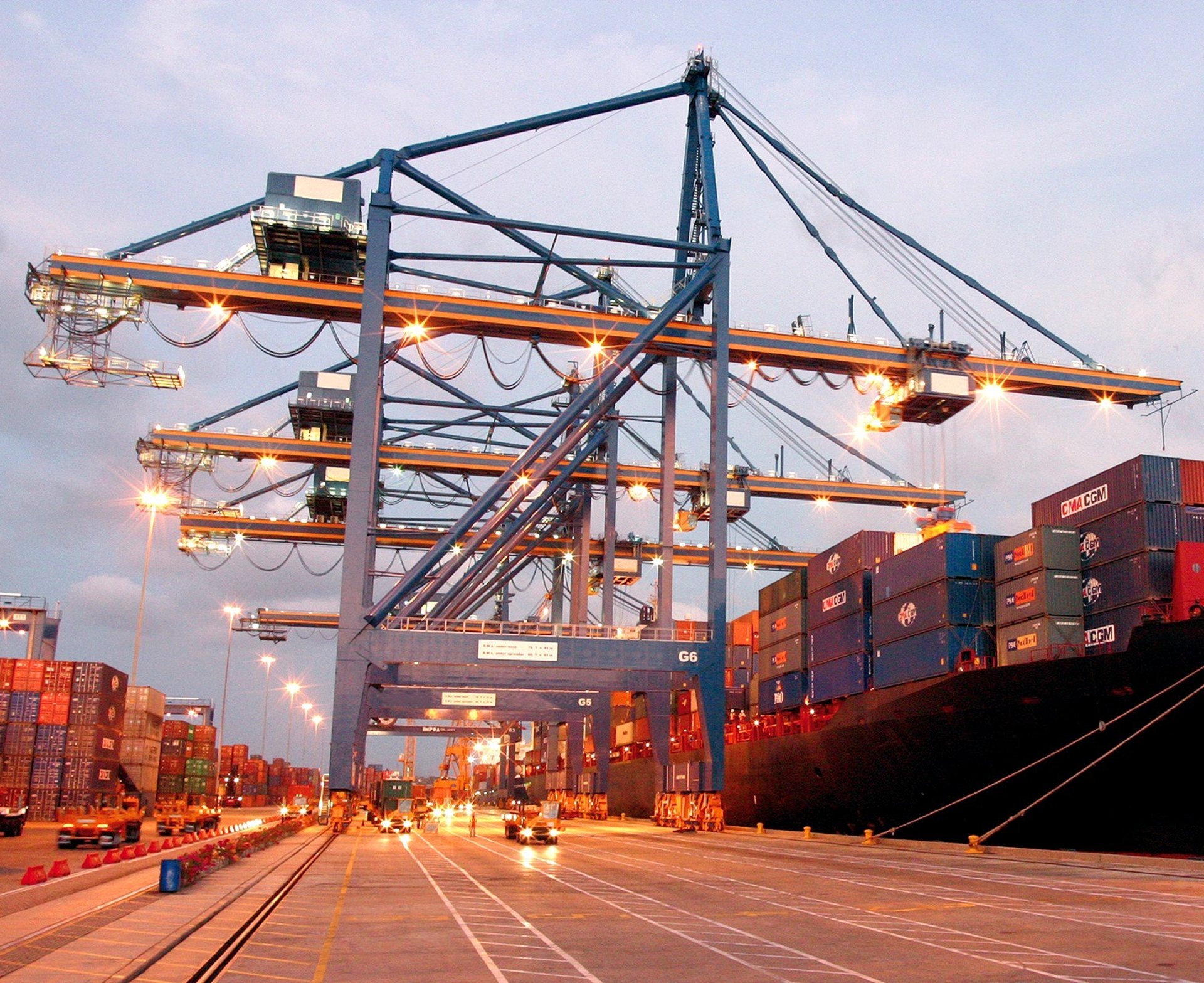
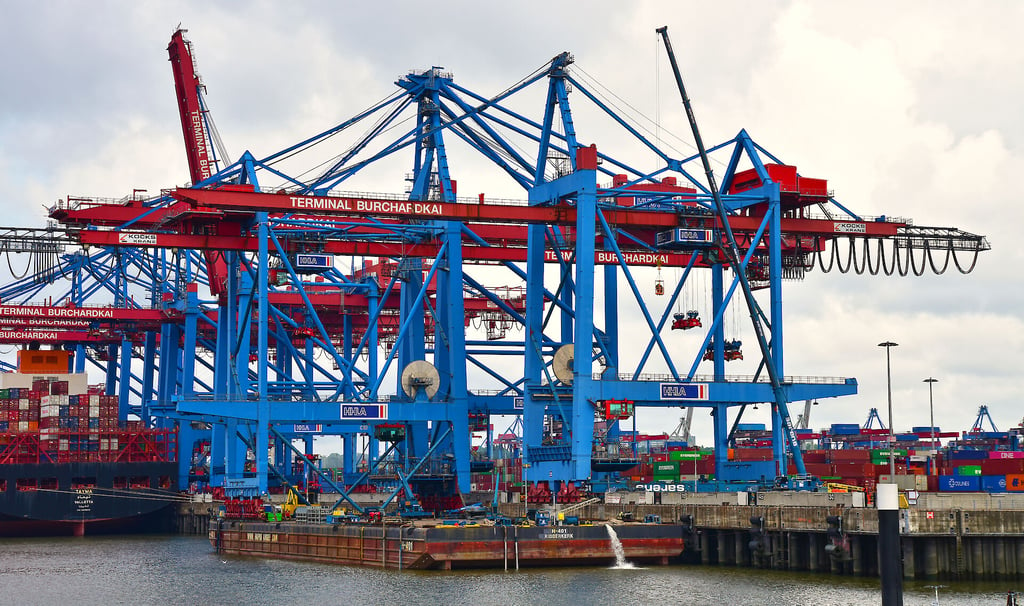
In the fast-evolving landscape of global maritime logistics, container terminals are increasingly embracing automation and high-throughput operations to meet surging demand. Southeast Asia, in particular, stands at the forefront of this transformation, with ports investing heavily in advanced ship-to-shore (STS) gantry cranes, rubber-tired gantry (RTG) cranes, and rail-mounted gantry (RMG) systems. These machines operate under relentless 24/7 schedules, handling millions of twenty-foot equivalent units (TEUs) annually while navigating complex multi-axis movements.
Indonesia, as the world's largest archipelago nation and a pivotal hub in the ASEAN supply chain, exemplifies this trend. Its two flagship container ports—Tanjung Priok in Jakarta and Tanjung Perak in Surabaya—handled approximately 7.6–8.3 million TEUs and 4.0–4.1 million TEUs respectively in 2024–2025, accounting for over half of the nation's container throughput. Tanjung Priok alone processed 8.30 million TEUs in 2025, reflecting a steady 5–6% year-on-year growth amid expansions under the New Priok Terminal project, which aims to boost capacity toward 12 million TEUs by 2030. Tanjung Perak, serving East Java's industrial heartland, recorded robust volumes with ongoing automation upgrades. These ports not only facilitate international transshipment but also support domestic cabotage, linking remote islands and driving Indonesia's GDP through exports of palm oil, coal, nickel, and textiles.
At the heart of these operations lies a seemingly unassuming yet indispensable component: the medium-voltage reeling cable. Unlike fixed-installation power cables, reeling cables (also known as trailing or spooling cables) must deliver continuous high-voltage power (typically 3–30 kV) and control signals while enduring extreme dynamic stresses from motorized cable reels mounted on crane trolleys or gantries. As detailed in specialized engineering resources, these cables support the crane's continuous energy supply during high-speed trolley travel (up to 180–240 m/min) and hoist operations, ensuring synchronized power to motors, hydraulic solenoids, limit switches, and increasingly integrated fiber-optic data lines.
Without reliable reeling cables, even the most advanced crane would grind to a halt. In Indonesia's high-volume environment—where a single STS crane can perform hundreds of lifts per shift—cable integrity directly translates to operational uptime, safety, and economic viability. This article provides a rigorous, in-depth engineering examination of reeling cable dynamics in Indonesian container cranes, the catastrophic consequences of failure, and the breakthrough innovations in RHEYFIRM® (RTS) NTSCGEWTOEUS 3–30 kV cables that set new benchmarks for performance in tropical, high-stress conditions.
How Container Cranes Work: The Complete Lifting Cycle Explained
Standard Hoisting Cycle in Port Cranes
Container cranes, particularly STS and RTG models, follow a precise, repeatable hoisting cycle optimized for speed and precision. The cycle comprises six primary phases:
Positioning: The gantry or trolley aligns over the target container or ship bay, guided by anti-sway systems and sensors.
Locking: The spreader beam descends and engages twist-locks on the container (typically 20–40 ft, up to 40–65 tonnes).
Hoisting: The load is lifted at speeds of 50–90 m/min (loaded) or 125–180 m/min (empty), with dual-hoist systems for efficiency.
Trolley Travel: The trolley accelerates along the boom or bridge at 180–300 m/min, transporting the container landside or waterside.
Gantry Movement: For RTG/RMG cranes, the entire frame travels along rails or rubber tires at 45–140 m/min to reposition.
Lowering: The container is placed precisely, twist-locks disengaged, and the spreader retracts.
A full cycle for an STS crane can complete in 60–120 seconds under optimal conditions, enabling crane rates of 30–50 moves per hour.
Role of Reeling Cables in Each Stage
Reeling cables are the dynamic power umbilical, deployed via motorized cable reels (often with frequency-controlled tensioning) that automatically pay out or retract cable to match crane motion. During trolley travel, the reel spools at velocities up to 190 m/min, maintaining constant tension to prevent slack or over-pull. In hoisting/lowering, the cable experiences vertical deflection and multi-plane bending as the spreader moves. Gantry travel introduces longitudinal stresses and potential torsion from misalignment.
The cable must transmit three-phase medium-voltage power (3–30 kV) for main hoist, trolley, and gantry drives while carrying control signals and, in modern designs, fiber optics for real-time diagnostics. Reeling logic relies on torque motors and encoders to synchronize reel speed with crane kinematics, ensuring zero-tension faults. At 180 m/min trolley speeds, the cable endures thousands of bending-torsion cycles daily—far beyond static cable limits.
This integration of electrical and mechanical demands makes reeling cables the true enabler of crane productivity in Indonesia's ports.
Engineering Challenges in Indonesian Port Environments
Indonesian ports operate in one of the world's most demanding climates, amplifying cable stresses.
Climate Factors
Ambient temperatures frequently exceed 30°C, with relative humidity above 80% year-round. Salt-laden sea spray (chlorides) accelerates corrosion of metallic components and degrades polymer sheaths. UV exposure and ozone further embrittle materials. These conditions promote hydrolysis, water treeing in insulation, and accelerated aging—challenges that standard cables fail to withstand beyond 1–2 years.
Mechanical Stress Factors
Cranes impose high-frequency bending (minimum radius often 12–15 × outer diameter), torsional loads (±90°/m during oblique payout), and tensile forces up to 15 N/mm². Trolley acceleration/deceleration creates shock loading, while reel spooling induces radial compression. In Indonesia's high-throughput terminals, a single cable may experience 500,000+ cycles annually.
Operational Intensity
24/7 operations with minimal downtime windows mean cables must achieve MTBF (mean time between failures) measured in years, not months. Peak seasonal demand (e.g., post-harvest exports) pushes utilization to 95%+, leaving little margin for maintenance.
What Happens When Crane Cables Fail?
Typical Failure Modes
Insulation breakdown: Water treeing or thermal degradation leads to partial discharge and eventual short circuits.
Torsional fatigue: Repeated twisting causes "birdcaging" (core rotation within sheath) and conductor strand breakage.
Conductor fatigue: Ultra-fine stranding mitigates this, but standard Class 5 conductors fracture under cyclic bending.
Sheath abrasion: External wear from reel contact or guide misalignment exposes inner layers.
Safety Risks
Sudden power loss can disable brakes, causing free-fall of 40-tonne containers, crane collisions, or fires from arcing. Electrical hazards endanger operators and dockworkers.
Economic Impact in Indonesia
A single RTG outage can cost $10,000–50,000 per hour in lost throughput, vessel demurrage, and penalties. In a 2019 incident at Tanjung Mas Port (Semarang), a container ship collision destroyed three cranes, incurring Rp 60 billion (~$4.3 million) in direct losses plus weeks of reduced capacity—highlighting how secondary cable damage exacerbates disasters. More recently, a 2026 container collapse at Tanjung Perak (linked to stability issues during loading) killed a dockworker, underscoring cascading risks from equipment failure.
Hypothetical yet realistic scenario: At Tanjung Priok, a torsional fatigue failure mid-lift halts operations for 8 hours on two STS cranes, delaying a 10,000-TEU vessel and rippling through Jakarta's logistics chain—potentially $200,000+ in losses.
Why Reeling Cables Are Critical in Container Crane Systems
Reeling cables uniquely satisfy dynamic power transmission requirements: continuous supply during multi-axis motion, unlike festoon or conductor bar systems limited by speed or dust. They integrate electrical (high-voltage power) and mechanical (flexural/torsional resilience) demands in one assembly. Modern designs further incorporate power + control + data via hybrid fiber-optic elements, enabling predictive maintenance in smart ports.
Introduction to RHEYFIRM® (RTS) NTSCGEWTOEUS Cable
RHEYFIRM® (RTS) (N)TSCGEWTOEUS is a premium medium-voltage flexible reeling cable engineered for STS, RTG, RMG cranes, and heavy mobile equipment. Rated 3–30 kV, it complies with DIN VDE 0250 part 813, VDE 0281, and IEC 60228. Applications span container terminals (powering trolley/hoist drives) to mining (electric shovels). Its RTS-class ultra-fine stranding and multi-layer architecture deliver superior durability in extreme conditions.
Full Technical Architecture Breakdown
The cable's design decouples mechanical stress from electrical performance through layered engineering.
RHEYCLEAN™ EPDM Insulation System
RHEYCLEAN™ EPDM (ethylene propylene diene monomer) compound, per DIN VDE 0207 part 20, offers exceptional oil/ozone/weather resistance and a –40°C to +90°C range. Unlike XLPE (which excels in dielectric strength but lacks flexibility and suffers water treeing), EPDM resists micro-crack propagation under cyclic bending, extending life by 30–40%. It minimizes electrical treeing in humid environments.
EVA Semi-Conductive Layer (Easy Stripping Technology)
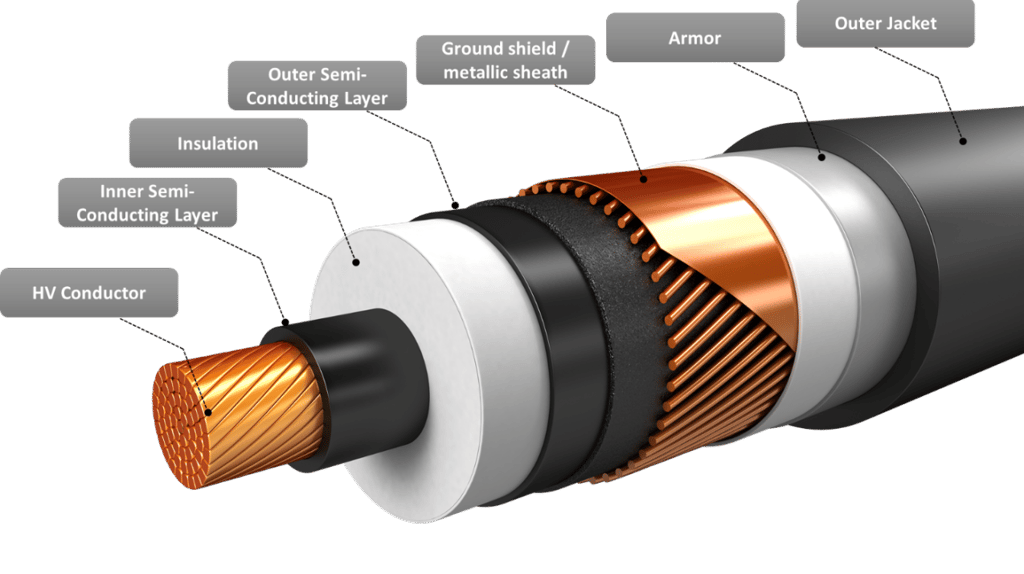
The outer RHEYSTRIP™ EVA-based semiconductive layer ensures uniform electric field distribution (reducing partial discharge) and Easy-Strip Design™—peelable even at –20°C without heat or special tools. This slashes field termination time by up to 60%, critical for port maintenance.
(Figure: Typical medium-voltage reeling cable cross-section illustrating conductor, inner/outer semiconductive layers, insulation, shield, and outer sheath—core architecture mirrored in RHEYFIRM® designs.)
Multi-Layer Anti-Torsion Structure
Synthetic fiber reinforcement wrap: Helical high-tensile threads limit radial stress, preventing core rotation ("birdcaging").
RTS Conductor: Ultra-fine stranded copper (exceeding IEC 60228 Class 5) reduces fatigue; lower bending radius (20× diameter).
PCP Outer Sheath (sandwich construction, 5GM5 type): Polychloroprene with specialized interlayer provides elasticity under torsion—no permanent set after millions of cycles—plus abrasion/impact resistance.
EPDM micro-crack resistance: Formula optimized against bending-induced cracks.
This structure absorbs torsion (±90°/m) while protecting conductors.
Voltage Range Optimization (3–30kV)
Insulation thickness and semicon layering scale precisely per voltage class, ensuring no partial discharge across the spectrum. High compatibility for diverse cranes/mining gear.
Customizable Cross-Section Design
From 3×25 mm² to 3×300 mm² (plus grounds), accommodating 100–800+ A loads with 25% safety margin.
Performance Comparison: RHEYFIRM vs Conventional Reeling Cables
Conventional cables (often EPR/XLPE with basic stranding) top out at ~10–20 kV, suffer faster torsional fatigue, and require complex terminations. RHEYFIRM® supports 30 kV, offers 30–40% longer life, and 35–50% lower total cost of ownership via reduced downtime. EPDM + sandwich sheath outperforms standard rubber in flexibility and crack resistance.
Lifecycle analysis: Conventional cables may need replacement every 1–2 years in Indonesian ports; RHEYFIRM® targets 3–5+ years with proprietary testing (bending, torsion, thermal cycling).
Applications in Indonesian Ports and Industry
Port Applications
At Tanjung Priok and Tanjung Perak, RHEYFIRM® powers STS/RTG fleets, handling 190 m/min spooling in salt-laden air with zero reported failures in analogous global deployments.
Mining Industry
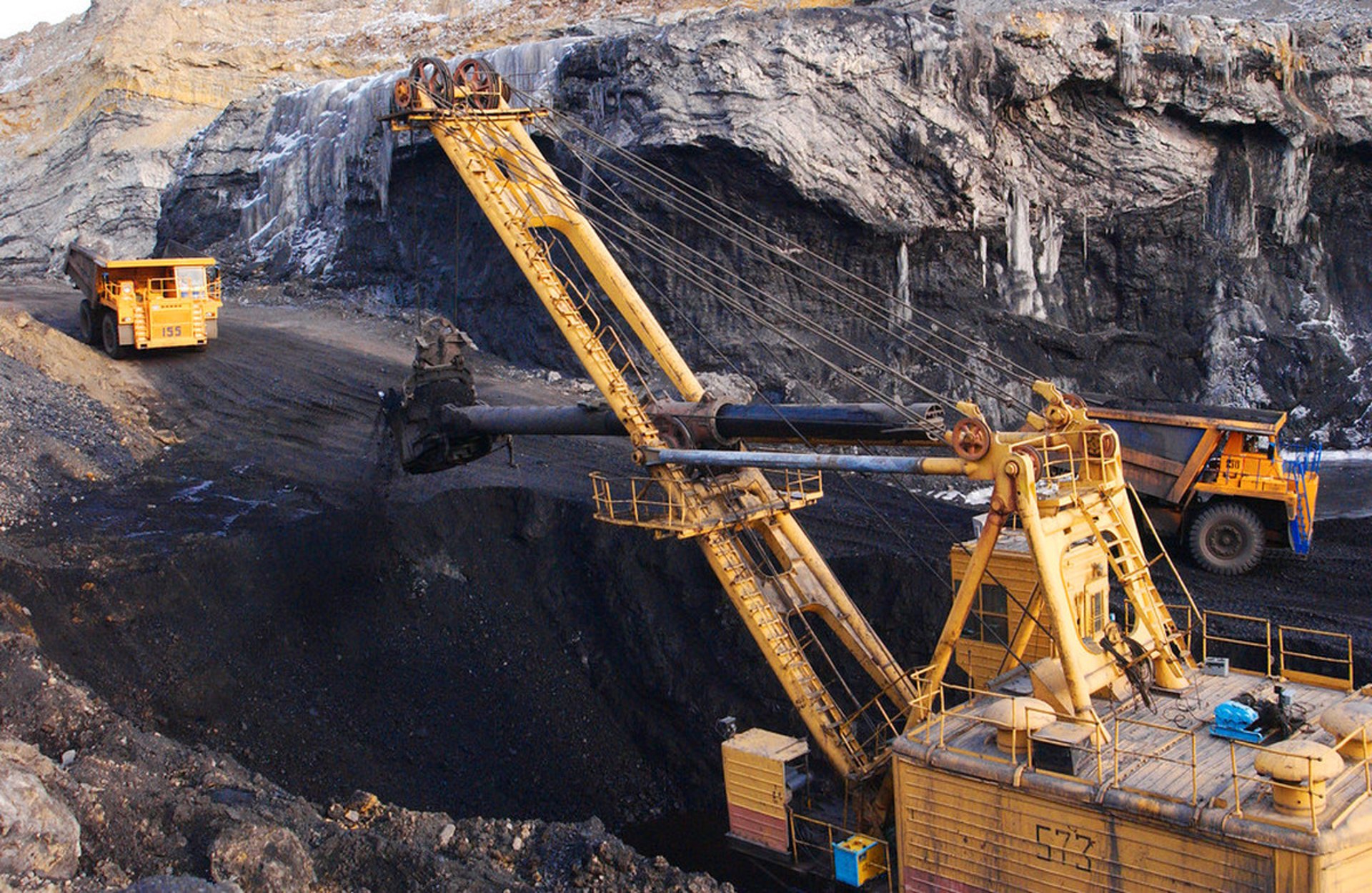
Indonesia's nickel (Sulawesi IMIP) and coal (Kalimantan) sectors use electric shovels, bucket-wheel excavators, and stacker-reclaimers. Reeling cables supply high-power drives under vibration/dust.
Bulk Material Handling
Ship loaders and reclaimers benefit from torsion-resistant designs for continuous operation.
Why RHEYFIRM® is a Strategic Upgrade for Indonesian Infrastructure
In tropical conditions, its EPDM/PCP resilience ensures reliability. Reduced downtime boosts throughput; safety compliance (ISPS, local regs) improves; future-ready for automation and fiber integration.
Installation & Maintenance Best Practices
Optimize reel tension (avoid over-tension/reverse bend).
Regular torsion/abrasion inspections.
Standardized Easy-Strip terminations.
Minimum 3 m straight payout zones per reeling guidelines.
FAQ
Q1: What is a reeling cable in container cranes?
A flexible medium-voltage cable wound on a motorized reel to supply power and signals during dynamic crane movements.
Q2: Why do crane cables fail in tropical environments?
Salt, humidity, and UV accelerate sheath degradation and insulation treeing; high cycles exacerbate fatigue.
Q3: What voltage level is used in Indonesian port cranes?
Typically 6–20 kV for STS/RTG; up to 30 kV for larger systems.
Q4: How does torsion affect cable lifespan?
Induces radial stress and conductor rotation, leading to birdcaging and strand breaks; mitigated by fiber wraps and sandwich sheaths.
Q5: Why is EPDM better than XLPE in flexible cables?
Superior flexibility, water-tree resistance, and temp/chemical resilience for reeling dynamics.
Q6: What makes RHEYFIRM® cables different from standard MV cables?
RTS stranding, RHEYCLEAN™ EPDM, EVA Easy-Strip, and anti-torsion multi-layers for 30–40% longer life.
Q7: Can one cable handle power and fiber optics together?
Yes—interstice placement of fibers enables hybrid power/data transmission.
Q8: What is the typical lifespan of a reeling cable?
Conventional: 1–2 years; RHEYFIRM®: 3–5+ years under high-duty cycles.
Conclusion
Reeling cables represent a critical risk point in Indonesia's ports and mining operations. RHEYFIRM® (RTS) NTSCGEWTOEUS embodies structural innovation—decoupling stresses via advanced materials and architecture—to deliver unmatched safety, longevity, and efficiency. As Indonesia scales its infrastructure, adopting such premium solutions will safeguard productivity, protect lives, and secure economic growth in an increasingly automated maritime future.
Feichun Cable
Durable mining cables for tough environments and operations
Email: Tech@feichuncables.com
© 2025. All rights reserved.
Company
Products
Contact
WhatsApp: +86 13855123218