Anhui Feichun Special Cable Co.,Ltd


H07RN-F Cable Explained: Why It Dominates Industrial Power Applications in Harsh Environments (With Feichun Engineering Insights)
H07RN-F Cable Explained: Discover why this DIN EN 50525-2-21 heavy-duty rubber cable dominates harsh industrial, construction, and outdoor power applications. In-depth specs, 85°C rating, UV/oil/ozone resistance, CPR Eca certification, Feichun engineering advantages, H05RN-F comparison, and real-world use in demanding environments like Indonesia’s tropical sites.
Li Wang
4/20/20268 min read
Why Ordinary Cables Fail and H07RN-F Is Non-Negotiable
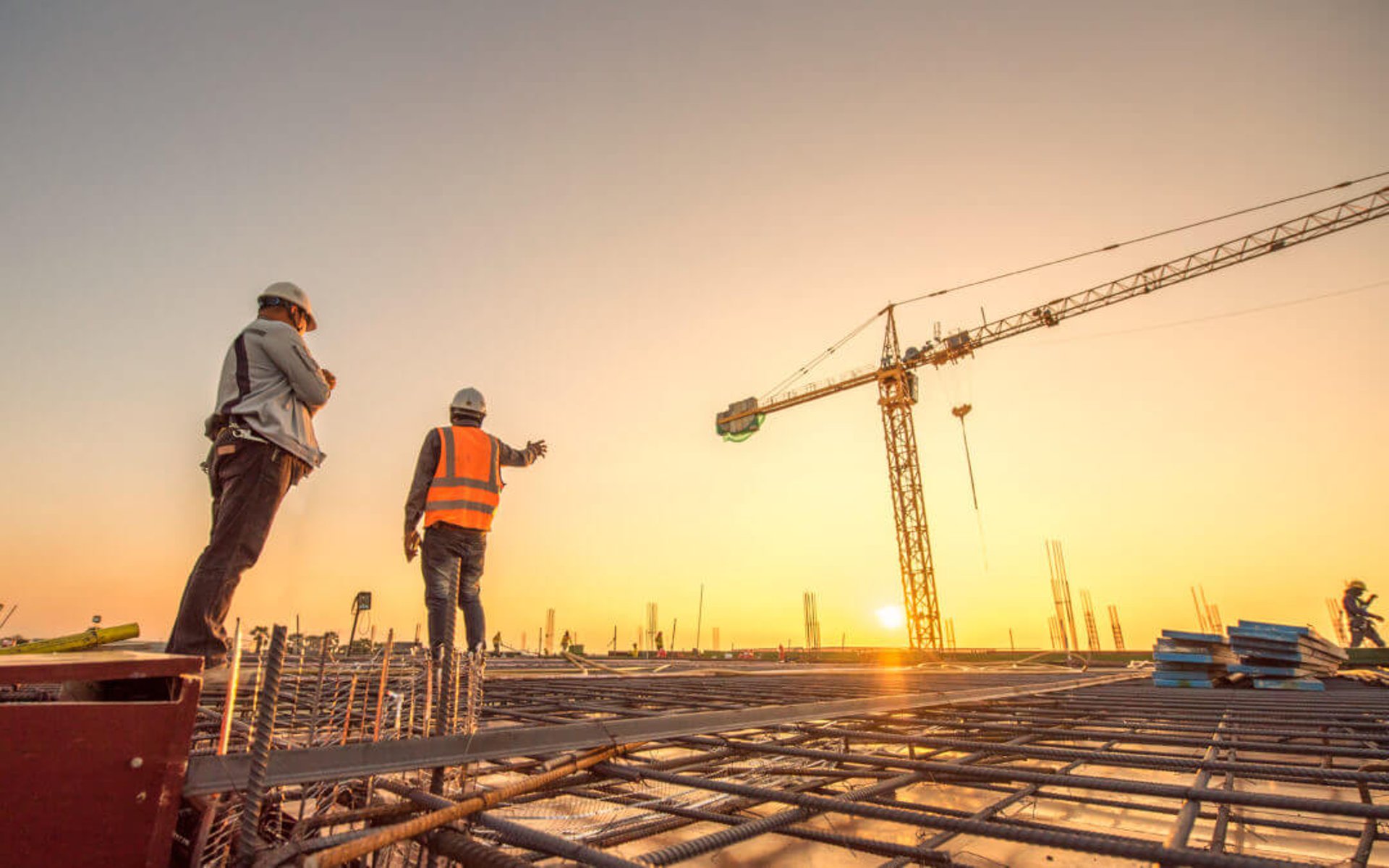
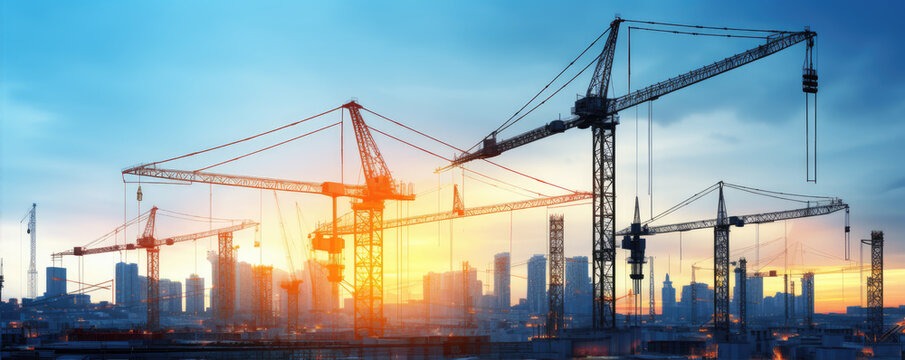
Indonesia’s tropical equatorial climate creates one of the world’s most aggressive environments for electrical infrastructure. Year-round temperatures average 28–35°C with peaks exceeding 40°C on construction sites due to urban heat island effects and solar radiation. Relative humidity routinely exceeds 80–95%, especially during the monsoon season (November–March), when frequent torrential rains cause flooding and prolonged water exposure. Ultraviolet (UV) intensity remains extreme year-round, accelerating polymer degradation. Coastal zones—home to major ports in Surabaya, Batam, and Jakarta—add salt fog corrosion, while industrial and construction sites introduce hydraulic oils, diesel spills, cutting fluids, and mechanical stresses from cranes, generators, and heavy equipment movement. Ozone generation from welding arcs and high-voltage switching further compounds the challenge.
In these conditions, household-grade cables (typically PVC-insulated H05-series or light-duty rubber) fail rapidly. PVC becomes brittle under UV exposure, leading to yellowing, cracking, and insulation breakdown within weeks. Oil exposure causes swelling and softening of sheaths. Ozone induces surface cracking known as “crazing,” creating pathways for moisture ingress and eventual dielectric failure. High humidity combined with heat promotes hydrolysis and corrosion of copper conductors, while mechanical abrasion from site traffic severs conductors. The result: frequent faults, unplanned shutdowns, fire hazards, and inflated total cost of ownership through repeated replacements and safety incidents.
H07RN-F is purpose-built for precisely these scenarios. It is rated for outdoor, temporary, and permanent installations in wet or damp locations under medium to heavy mechanical stress. Unlike lighter cables, its robust construction withstands the combined assault of UV, oil, ozone, moisture, abrasion, and thermal cycling without performance compromise.
The Industrial Cable Revolution: H07RN-F
Before the 1990s, European and global construction sites relied on a patchwork of cable types. Fixed installations often used stiff NYY power cables, while temporary power came from lighter NYM or H05-style household cables. The mismatch created safety hazards: incompatible voltage ratings, poor termination compatibility, and rapid degradation in wet, oily, or sun-exposed conditions.
The introduction of DIN EN 50525-2-21 (formerly HD 22.4 / VDE 0282-4) changed everything. This harmonized European standard unified requirements for heavy-duty flexible rubber cables suitable for both temporary and permanent installations in dry, damp, wet, and outdoor environments. It defined a cable that could handle medium mechanical stress, oil exposure, and weather while maintaining electrical integrity.
H07RN-F quickly became the global de-facto standard. Adopted first across Europe, then in the Middle East, North Africa, and rapidly industrializing regions of Southeast Asia, it solved the “cable roulette” problem. Today, it powers cranes on Dubai megaprojects, mining equipment in Australian outback sites, and temporary generators on Indonesian high-rise developments.
Decoding the H07RN-F designation (per IEC and VDE conventions):
H — Harmonized (European standard) or Heavy-duty.
07 — Rated voltage 450 V (U₀) / 750 V (U); in protected fixed installations, it supports up to 0.6/1 kV or 1000 V AC.
R — EPR (Ethylene Propylene Rubber) insulation type EI4.
N — CR (Chloroprene / Neoprene) sheath type EM2.
F — Flexible conductor to IEC 60228 Class 5 (finely stranded, individual wires ≤ 0.16 mm diameter).
This nomenclature is not marketing jargon—it precisely signals a cable built for industrial rigor.
Feichun’s implementation elevates the standard further through advanced vulcanization (continuous cross-linking under controlled pressure and temperature) and premium Tongling cathode copper (99.97 %+ purity). The result is a cable that retains flexibility even after years of reeling, dragging, and exposure.
Complete Technical Specifications of H07RN-F Rubber Cable (DIN EN 50525-2-21)
The H07RN-F is defined rigorously by European harmonized standards. Below is the full specification set, directly aligned with Feichun’s product data and independent manufacturer datasheets.
Electrical Ratings
Nominal voltage: U₀/U = 450/750 V AC
Maximum operating voltage in protected fixed installations: 1000 V AC or 750 V DC to earth
Test voltage: 2.5 kV (core-to-core, 5 minutes)
Short-circuit temperature: 250 °C (max. 5 seconds)
Conductor
Material: Bare or tinned high-purity copper (Feichun uses Tongling 99.97 %+ cathode copper)
Construction: IEC 60228 Class 5 (very flexible) — finely stranded with individual wire diameter ≤ 0.16 mm
Range: 1.5 mm² to 630 mm² (single-core); multi-core up to 95 mm² or higher depending on configuration
Insulation
Material: Cross-linked EPR (Ethylene Propylene Rubber) EI4
Maximum continuous conductor temperature: 85 °C (Feichun rating; some manufacturers list 60–70 °C base with 85 °C for protected fixed use)
Excellent dielectric strength, thermal stability, and resistance to moisture ingress
Outer Sheath
Material: Cross-linked CR (Chloroprene Rubber) EM2 — black
Thickness engineered for heavy mechanical protection
Integrated UV stabilizers, oil-resistant compounds, and ozone-blocking antioxidants
Environmental & Mechanical Performance
Operating temperature range: –25 °C to +55 °C (fixed and moving installations)
Oil resistance: Compliant with EN 60811-404 (mineral oil immersion test)
Ozone resistance: No cracking after exposure (per accelerated chamber testing)
UV resistance: Integrated hindered amine light stabilizers (HALS) and carbon black for long-term sunlight exposure
Flame retardance: IEC 60332-1-2 / VDE 0482-332-1-2 (vertical flame test, self-extinguishing)
Bending radius: Fixed — 3–4 × outer diameter; Moving — 5–6 × outer diameter
CPR classification: Eca (EN 50575) — very limited contribution to fire
Core Configurations
Single-core: 1.5 mm² – 630 mm²
Multi-core: 2-core to 24-core (common: 3G, 4G, 5G with or without green/yellow earth)
Core identification: Up to 5 cores — color-coded per VDE 0293-308; 6+ cores — black with white numbering + green/yellow earth
Feichun’s advanced vulcanization process optimizes cross-link density without sacrificing flexibility, delivering superior long-term mechanical retention compared to standard extrusion methods.
Current-carrying capacity follows VDE 0298-4 tables with derating factors for ambient temperature, grouping, and installation method. At 85 °C conductor temperature in 30 °C ambient, a 3-core 16 mm² H07RN-F can carry approximately 70–80 A (three-phase, depending on exact conditions)—significantly higher than lighter cables.
Why H07RN-F Outperforms H05RN-F in Outdoor and Industrial Applications
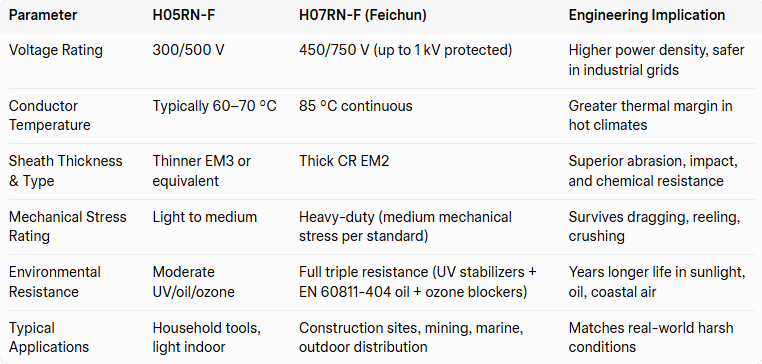
The H05RN-F (300/500 V) is a capable light-duty rubber cable, but it is not designed for the same stresses. Here is a rigorous side-by-side comparison:
In quantitative terms, the 85 °C rating provides approximately 25 % higher current-carrying capacity under identical ambient conditions (using Arrhenius-based lifetime models). In tropical environments with 35 °C ambient + solar heating, the extra thermal headroom prevents accelerated aging of the polymer chains.
H05RN-F insulation and sheath are thinner and less cross-linked for flexibility at lower voltages; they swell or crack faster when exposed to hydraulic oils or ozone from welding equipment. Field data from Southeast Asian construction projects show H07RN-F replacements reducing cable-related downtime by 60–80 % compared to H05 equivalents.
Feichun H07RN-F Cable: Engineered Advantages
Feichun does not simply meet DIN EN 50525-2-21—it exceeds it through deliberate material and process innovations.
Triple Environmental Resistance via Advanced Sheath Formulation
The CR EM2 sheath is the hero compound. Chloroprene rubber inherently offers polarity that repels non-polar oils and fuels. Feichun optimizes cross-link density during vulcanization to balance flexibility and barrier properties.
UV Protection: Hindered Amine Light Stabilizers (HALS) and UV absorbers are compounded throughout the sheath. These molecules absorb UV photons and dissipate energy as harmless heat, preventing chain scission and free-radical formation. Accelerated ASTM G154 testing shows >90 % retention of tensile strength after 5-year equivalent exposure.
Oil Resistance: Meets EN 60811-404 (immersion in mineral oil at specified temperature and duration). The polar CR matrix resists swelling that would otherwise reduce insulation thickness and dielectric strength.
Ozone Resistance: Antioxidants preferentially react with O₃ molecules before they attack the polymer backbone. This prevents the characteristic “crazing” cracks seen on lesser cables near high-voltage equipment or in urban smog.
85 °C Conductor Temperature Rating
EPR EI4 insulation is cross-linked to withstand continuous operation at 85 °C. This is not a marketing claim but a verified thermal class advantage. In high-current industrial loads (e.g., welders, pumps, cranes), the extra 15–25 °C margin translates to slower thermal-oxidative aging, extending service life by a factor of 2–3 (per Arrhenius equation: reaction rate doubles roughly every 10 °C).
CR EM2 Sheath Engineering for Coastal & Tropical Durability
In salt-laden coastal air or monsoon-prone regions, the sheath’s low moisture absorption (<2 % per ASTM D570) and inherent corrosion-blocking properties protect the copper conductors. Low-temperature flexibility remains excellent down to –25 °C, critical for night-time temperature swings in equatorial zones. Thermal cycling tests confirm no cracking after thousands of hot-cold transitions.
CPR Eca Fire Classification
Under EN 50575, Eca is the baseline performance class for construction cables: limited flame spread (FIGRA < 120 W/m), low heat release, no flaming droplets, and controlled smoke. Feichun verifies this through EN ISO 9239 radiant panel testing and EN 50399 ladder tests. For projects in the EU or markets adopting similar rules (including many Indonesian infrastructure tenders), Eca ensures regulatory compliance without over-specifying costly B2ca or Cca cables.
Configuration Versatility & Manufacturing Excellence
From single-core 630 mm² feeder cables to 24-core control/power hybrids, Feichun offers one-stop solutions. Tongling copper combined with precise stranding and vulcanization yields cables that remain supple even after repeated reeling on cranes or festoon systems.
Environmental Challenges in Indonesia and Why H07RN-F Excels
Indonesia’s equatorial climate—year-round temperatures 28–35 °C, humidity 80–95 %, UV index often >11, monsoon flooding, coastal salt spray, and oil-laden construction sites—creates a perfect storm for cable failure. Standard PVC cables embrittle within months; even light rubber cables suffer oil swelling and ozone cracking.
H07RN-F’s thick CR EM2 sheath, EPR insulation, and 85 °C rating are purpose-built for these conditions. It powers tower cranes in Jakarta’s skyline projects, mobile generators in Kalimantan mining camps, and shore power connections in Surabaya ports without frequent replacement. Case patterns from similar tropical deployments (Southeast Asia, Middle East) show 5–10× longer service life versus H05RN-F or PVC alternatives.
Applications
Core Applications:
Construction site temporary power distribution
Crane and hoist reeling cables
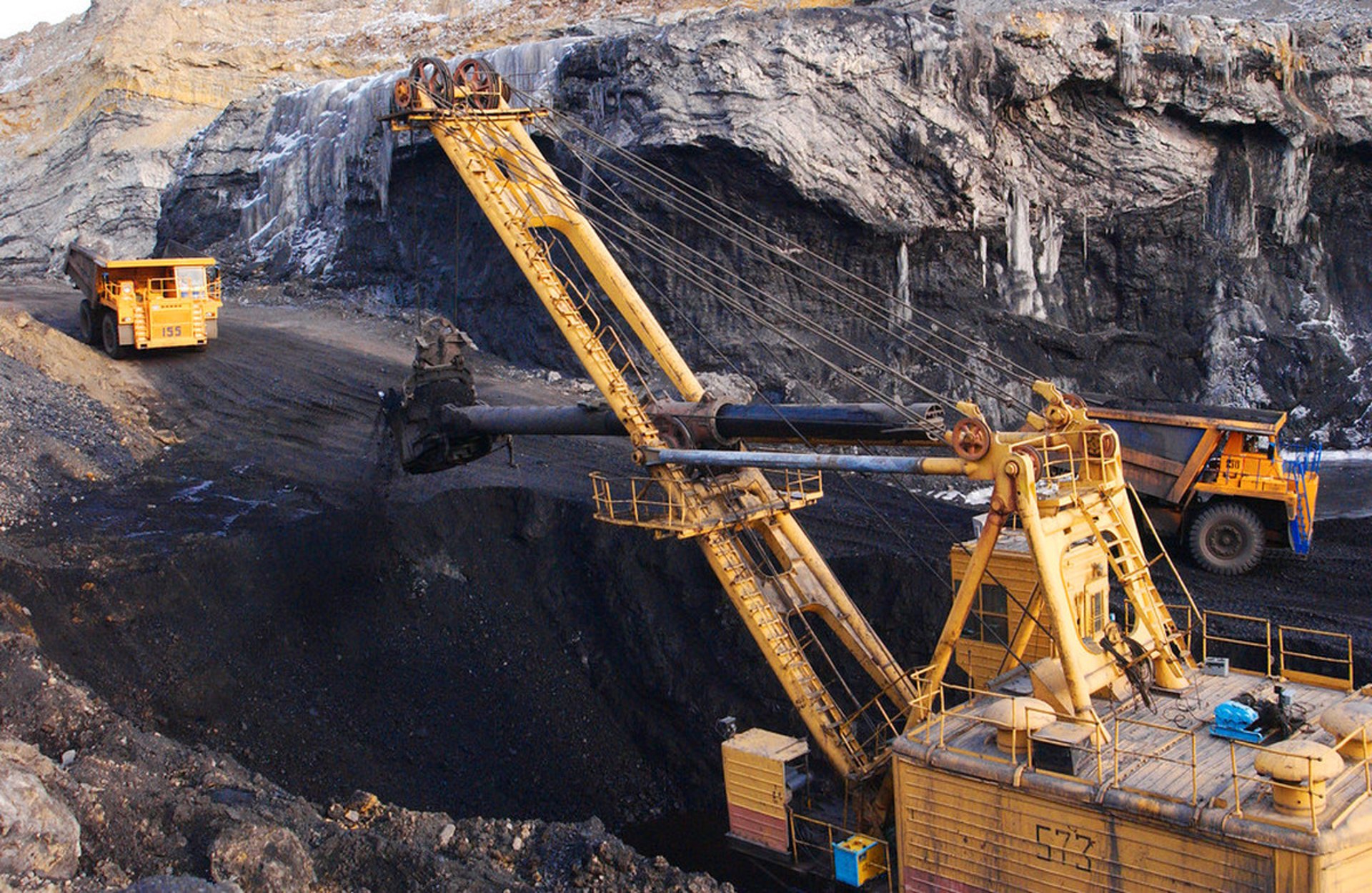
Mining & quarrying mobile equipment
Marine shore power and port cranes
Outdoor generators and pumps
Stage/event temporary wiring
Agricultural and renewable energy installations
Indonesia Cases (representative of regional practice):
Jakarta high-rise developments use multi-core H07RN-F for tower crane and concrete pump power—resisting monsoon rains and UV without insulation breakdown.
Kalimantan mining camps deploy single-core heavy sections for generator-to-substation links, enduring dust, oil, and 24/7 operation.
Batam and Surabaya coastal facilities rely on its salt-spray resistance for shore-to-ship power.
Solar farms in rural Java use UV-stabilized versions for panel-to-inverter cabling.
Lifecycle cost analysis consistently shows lower total ownership cost: fewer replacements, reduced downtime, and higher safety margins.
Industrial & Outdoor Cable Selection Guide
Environment Audit: High UV/oil/ozone/salt → H07RN-F mandatory.
Electrical Load: Calculate current with 85 °C tables and derating.
Mechanical Duty: Frequent movement → verify Class 5 + bending radius.
Certifications: Demand CPR Eca, HAR mark, full EN 60811 test reports.
Lifecycle Cost: Factor in 3–5× longer life versus lighter cables.
Common pitfall: Specifying H05RN-F on tenders “to save cost”—only to face premature failures and change orders.
Frequently Asked Questions (FAQ)
What does H07RN-F stand for?
Heavy-duty (H), 450/750 V (07), EPR insulation (R), CR sheath (N), flexible Class 5 (F).
Is H07RN-F suitable for permanent outdoor installation in Indonesia?
Yes—UV stabilizers, CR EM2 sheath, and CPR Eca make it ideal for tropical permanent and temporary use.
How does the 85 °C rating benefit high-current applications?
It provides thermal headroom, allowing higher ampacity and slower aging in hot climates.
Key difference between H07RN-F and H05RN-F?
Voltage, temperature rating, sheath robustness, and environmental resistance—H07RN-F is heavy-duty industrial grade.
Is Feichun H07RN-F CPR Eca certified?
Yes, verified to EN 50575 with independent testing.
Oil and UV testing standards?
EN 60811-404 (oil) and accelerated UV per ASTM G154 equivalents.
Minimum bending radius?
Fixed: 3–4× OD; moving: 5–6× OD.
Customization options?
Feichun offers full range plus project-specific lengths, colors, and markings.
Conclusion
In an era of accelerating infrastructure development and increasingly extreme weather, the H07RN-F cable—especially Feichun’s implementation—stands as the reliable backbone of industrial power systems. Its DIN EN 50525-2-21 compliance, materials-science-driven durability, and proven performance in harsh environments make it the cable that professionals trust when failure is not an option.
Ready to specify the toughest cable for your next project? Contact Feichun Cable today for technical datasheets, custom configurations, or a quote tailored to your Indonesian or international project. Download the full H07RN-F specification PDF, request samples, or speak with an applications engineer. Your power distribution deserves the industrial standard that dominates harsh environments.
Feichun Cable
Durable mining cables for tough environments and operations
Email: Tech@feichuncables.com
© 2025. All rights reserved.
Company
Products
Contact
WhatsApp: +86 13855123218