Anhui Feichun Special Cable Co.,Ltd


(H)07RC4N8‑F Screened Crane Cable: Heavy‑Duty Rubber Flexible Shielded Cable for Harsh Industrial Environments – EN/IEC Standards, Oil & Ozone Resistance Explained
Discover the (H)07RC4N8‑F Screened Crane Cable — a harmonised European heavy‑duty flexible rubber cable engineered for harsh industrial environments. Learn its full EN/IEC specifications, multi‑layer construction, material science, oil‑ozone‑chemical resistance, electromagnetic shielding, and proven performance in South African mining, ports, steelworks, plus tropical operations in Indonesia. Compare with standard PVC cables, understand engineering principles, and find reliable alternatives like Feichun Cables.
Li.Wang
7/10/20269 min read
Introduction
In heavy industry, the reliability of electrical power and control systems often depends on one component that is frequently overlooked: the cable. For operations involving overhead cranes, gantries, conveyors, and motorised machinery, standard cables rarely survive the combination of continuous movement, chemical exposure, extreme temperatures, and electrical interference. In regions such as South Africa — with its vast mining complexes, coastal ports, steel mills, and manufacturing hubs — and across Southeast Asia including Indonesia, these conditions are not occasional exceptions but daily realities.
The (H)07RC4N8‑F Screened Crane Cable is a harmonised European standard heavy‑duty flexible rubber cable designed specifically for fixed or flexible wiring under high mechanical‑chemical stress. It is not merely an upgraded version of ordinary cables; it represents a complete system‑level optimisation integrating electrical engineering, material science, mechanical design, and environmental protection. By combining Class 5 flexible copper conductors, multi‑layer specialised rubber compounds, and a high‑coverage tinned copper braid shield, this cable solves three common failures of standard cables: short service life, frequent conductor breakage, and unpredictable control signal errors.
This article explains every aspect of the (H)07RC4N8‑F, from its official standards and internal construction to its working principles, real‑world performance, and practical selection guidance. It is written for plant engineers, maintenance managers, procurement specialists, and project designers seeking durable, compliant, and cost‑effective wiring solutions for demanding applications.
Standards & Technical Specifications
The (H)07RC4N8‑F belongs to the harmonised European cable family, which means its designation, dimensions, materials, and test methods are standardised across the European Union and widely accepted internationally. This consistency removes uncertainty in design, procurement, and compliance verification.
Official Compliance
Harmonised designation: (H)07RC4N8‑F
Insulation material standard: EN 50363‑1
Sheath material standard: EN 50363‑2‑1
Conductor classification: EN 60228 Class 5
Flame retardancy: IEC/EN 60332‑1‑2 (single‑cable vertical flame test)
Construction Products Regulation: EN 50575 / CPR
Safety directives: Low Voltage Directive 2014/35/EU, RoHS 2015/65/EU, REACH Regulation EC 1907/2006
Certification: CE marking; tested in ISO/IEC 17025 and IECEE‑accredited laboratories
Electrical & Environmental Ratings
Rated voltage: U₀/U = 450/750 V
AC withstand voltage: 2.5 kV for 5 minutes during factory testing
Continuous operating temperature: –35 °C to +80 °C
Minimum bending radius:
Fixed installation: 7.5 × overall cable diameter
Moving/flexing service: 15 × overall cable diameter
Sizes, Resistance & Current Capacity
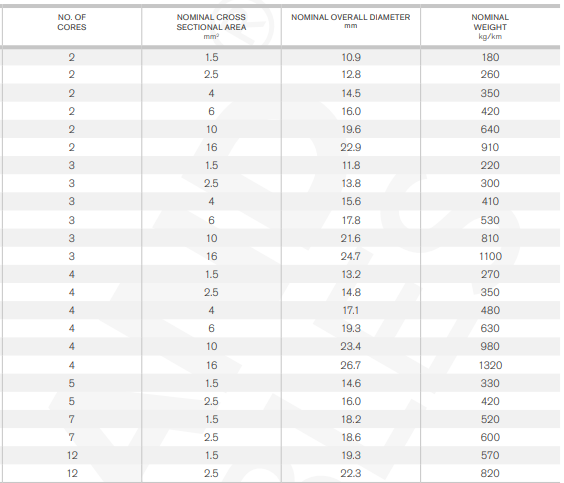
Available configurations range from 2 cores up to 12 cores, with cross‑sectional areas from 1.5 mm² to 16 mm², matching the load requirements of small control circuits through to main motor feeds.
Maximum conductor resistance at 20 °C:
1.5 mm²: ≤ 13.3 Ω/km
2.5 mm²: ≤ 7.98 Ω/km
4 mm²: ≤ 4.95 Ω/km
6 mm²: ≤ 3.3 Ω/km
10 mm²: ≤ 1.91 Ω/km
16 mm²: ≤ 1.21 Ω/km
Current‑carrying capacity at 30 °C ambient:
3‑core: 1.5 mm² = 15.5 A; 2.5 mm² = 21 A; 4 mm² = 29 A; 6 mm² = 36 A; 10 mm² = 51 A; 16 mm² = 67 A
4‑core: 1.5 mm² = 16 A; 2.5 mm² = 22 A; 4 mm² = 30 A; 6 mm² = 37 A; 10 mm² = 52 A; 16 mm² = 69 A
These figures are measured under standard conditions and provide a reliable basis for circuit design, voltage drop calculations, and overcurrent protection.
Construction, Materials & Engineering Principles
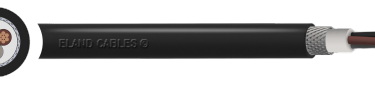
The layered structure of the (H)07RC4N8‑F follows a clear functional logic: each layer performs a specific role, and together they achieve the balance between electrical performance, mechanical strength, chemical resistance, and flexibility.
Layer‑by‑Layer Structure
Conductor – Class 5 Fine‑Stranded Annealed Copper
The core is made of numerous thin, high‑purity copper wires stranded together and fully annealed. Compared to solid or coarse‑stranded conductors, this design reduces internal stress during bending and twisting. Electrical theory tells us that stranded construction also reduces the skin effect at higher frequencies, allowing more efficient current flow. The result is a conductor that remains electrically stable while withstanding thousands of flex cycles without breaking.
Insulation – EI4‑Grade Ethylene‑Propylene Rubber (EPR)
Over each core is a thick layer of cross‑linked EPR rubber. Unlike thermoplastics such as PVC, cross‑linked elastomers form a three‑dimensional molecular network that does not melt or flow at high temperatures. EPR has a high dielectric strength above 20 kV/mm, low dielectric loss, and excellent resistance to water, heat, and ozone. This ensures long‑term insulation integrity even under continuous voltage and thermal cycling.
Inner Sheath – EM3‑Grade Rubber Compound
After the insulated cores are cabled together, an inner rubber layer fills the gaps and forms a smooth, round surface. This layer prevents the shield from damaging the insulation during movement and distributes mechanical forces evenly across the cable cross‑section. It also acts as a secondary moisture barrier, adding to the overall environmental protection.
Screen – Tinned Copper Braid ≥ 70 % Coverage
The electromagnetic shield is formed by tightly woven tinned copper wires, covering at least 70 % of the cable surface. This follows the Faraday cage principle: any external electromagnetic interference is captured by the conductive braid and safely diverted to ground, while internal electrical fields are contained within the cable. The tin coating prevents oxidation in humid or salty environments and improves soldering and earthing reliability.
Outer Sheath – EM2‑Grade Oil‑Resistant Rubber
The outermost layer is a robust, black rubber compound formulated to meet EN 50363‑2‑1. Its chemical structure is designed to resist swelling and degradation when exposed to mineral oils, greases, weak acids, alkalis, ozone, and ultraviolet radiation. The cross‑linked structure provides high tensile strength, elongation, and abrasion resistance, making it suitable for dragging, reeling, and outdoor exposure.
Why This Design Works
By separating functions into distinct layers, the cable avoids the compromises common in simpler constructions. The insulation is optimised for electrical performance, the inner sheath for mechanical stability, the shield for signal integrity, and the outer sheath for environmental protection. This modular approach ensures that no single requirement weakens another, leading to a longer operational life under dynamic and aggressive conditions.
Performance Advantages vs. Standard Cables
To understand the true value of the (H)07RC4N8‑F, it helps to compare it with the most common choice in general industry: PVC‑insulated and sheathed cables.
Environmental Resistance
Oil and chemicals: PVC is thermoplastic and contains plasticisers that leach out when exposed to hydrocarbons or solvents. This causes swelling, hardening, and cracking within months. The rubber compounds used in (H)07RC4N8‑F are chemically inert; their cross‑linked structure blocks oil molecules from penetrating, resulting in a swelling rate below 5 % after 24 hours immersion at 70 °C.
Ozone and UV: Ozone attacks double bonds in polymer chains. PVC and natural rubber degrade rapidly outdoors. EPR and EM‑grade rubber have fully saturated backbones, making them stable even under continuous UV and ozone exposure.
Humidity and salt: The hydrophobic nature of rubber prevents water absorption, while the tinned copper shield resists galvanic corrosion, a critical advantage in coastal or high‑moisture sites.
Mechanical & Electrical Durability
Flex life: Class 5 conductors combined with flexible rubber layers allow the cable to bend repeatedly without fatigue. In crane applications, this can extend service life by 4–5 times compared to standard cables.
EMC performance: Most control cables lack proper shielding. In plants using variable frequency drives, contactors, and large motors, electromagnetic interference can cause erratic signals, false trips, or communication errors. The 70 % copper braid provides attenuation exceeding 40 dB between 10 kHz and 30 MHz, ensuring stable operation.
Safety: Flame‑retardant rubber compounds self‑extinguish when the flame source is removed, reducing fire spread risk compared to PVC, which drips and releases dense, toxic smoke.
The cumulative effect of these properties is lower total cost of ownership: fewer replacements, fewer emergency shutdowns, and reduced maintenance labour.
Real‑World Applications: South Africa & Indonesia
The engineering principles behind the (H)07RC4N8‑F translate directly into reliable performance in two very different but equally demanding industrial environments.
South Africa: Mining, Ports & Heavy Industry
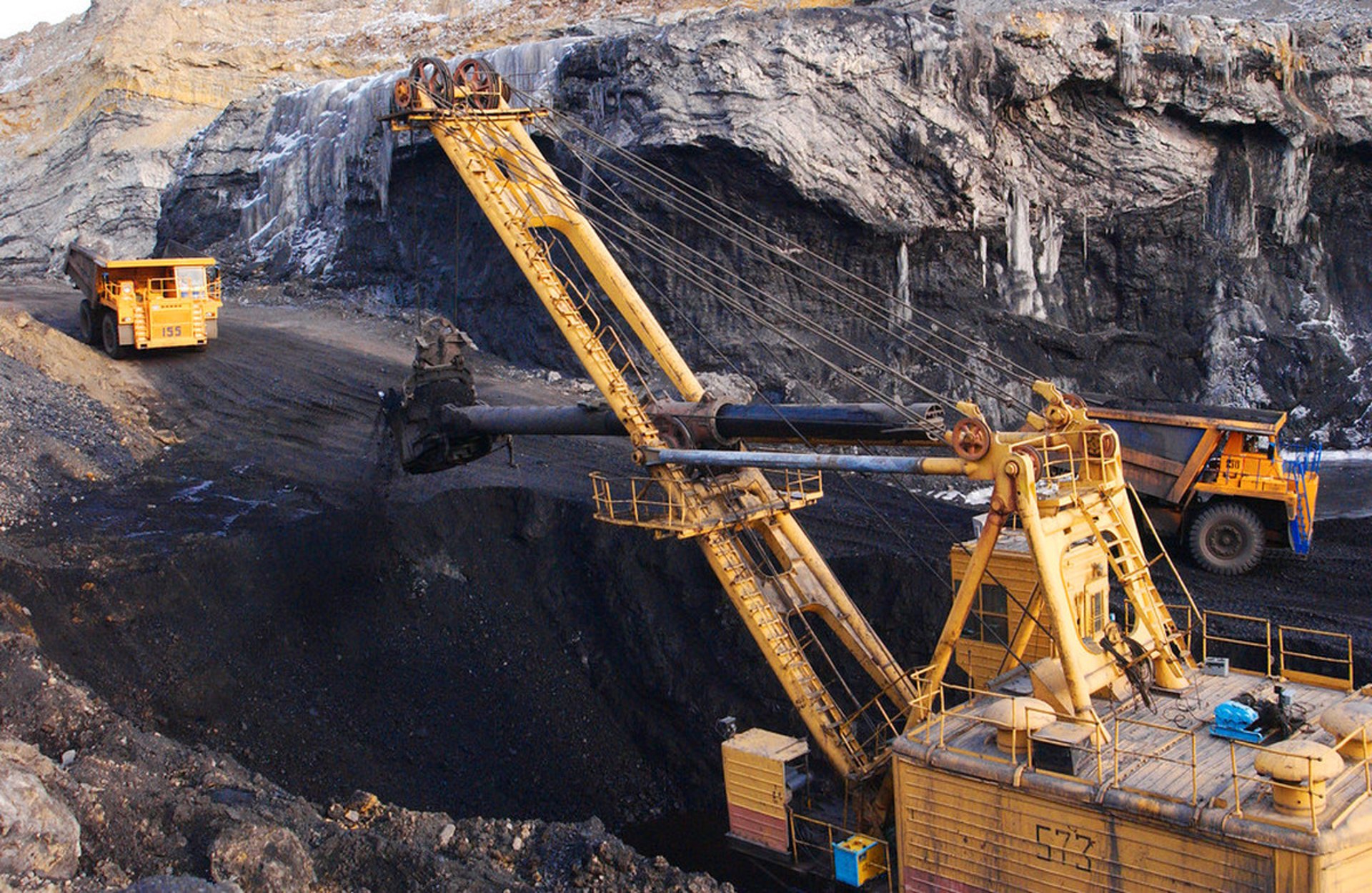
South Africa’s economy is built on mining, steel production, and logistics. Open‑pit mines, coastal harbours, and smelters expose cables to abrasive dust, extreme temperature swings, hydraulic oils, and continuous movement. Local standards such as SANS 1520 often require flexible, oil‑resistant cables — and the (H)07RC4N8‑F meets or exceeds these requirements.
Coal and platinum mines: Draglines, stackers, and shuttle conveyors operate 24 hours a day. Standard cables often fail within a year due to abrasion and ozone cracking. The (H)07RC4N8‑F’s robust sheath and flexible core survive reeling and dragging, reducing replacement frequency.
Durban and Cape Town ports: Gantry cranes and container handlers face salt spray, diesel fumes, and high winds. The rubber construction resists corrosion and maintains flexibility even in winter temperatures near freezing.
Steel mills and foundries: High ambient heat, oil mist, and electromagnetic fields from large transformers require cables that stay stable at +80 °C and prevent interference with automated controls.
Indonesia: Tropical Climate & Industrial Growth
Indonesia represents the tropical challenge: average temperatures between 25 °C and 35 °C, relative humidity 85–95 %, intense sunlight, and high ozone formation. Industries include palm oil processing, coal export terminals, and metal smelting — all creating aggressive chemical environments.
50‑tonne overhead crane, South Sumatra: Originally fitted with PVC cables, failures occurred every 6–8 months: insulation turned sticky, outer sheath cracked, and frequency‑converter interference caused sudden stops. After switching to (H)07RC4N8‑F, inspections after 30 months showed no visible degradation, and control signals remained stable.
Container gantry crane, Jakarta Port: Subject to salt spray, diesel oil, and continuous winding. The cable’s tensile strength above 12 MPa and elongation over 300 % allowed it to withstand hundreds of flex cycles daily without damage.
Palm oil mill conveyor system, Sumatra: Here, cables are exposed to hot fatty acids and moisture. Standard rubber or PVC swells and loses insulation. The EPR insulation and EM2 sheath showed more than 10‑times greater resistance to vegetable‑based oils, maintaining electrical integrity over years of operation.
In both regions, the cable demonstrates how European design standards translate into reliability in tropical, coastal, and mining climates.
Selection Guide & Installation Best Practices
Choosing the correct configuration ensures the cable performs as intended. The selection process follows three key factors: circuit function, electrical load, and mechanical conditions.
Core Count & Cross‑Section
Power circuits: 2, 3, or 4 cores, typically 2.5 mm² to 16 mm² depending on motor power.
Control circuits: 5 to 12 cores, mostly 1.5 mm² or 2.5 mm².
Voltage drop and short‑circuit protection: Verify that the conductor resistance and cross‑section meet local electrical codes to avoid excessive voltage loss or overheating.
Installation Rules
Bending radius: Never install below the minimum values. Tight bending creates local stress concentrations that shorten life.
Shield grounding: Connect the braid to earth at one end only. This prevents circulating earth currents that can induce noise and heat in the screen.
Routing: Avoid sharp edges and moving parts. In festoon systems or drag chains, ensure adequate slack and support to prevent pulling tension.
Feichun Cables: Equivalent Alternative
Feichun Cables offers a fully compatible version of the (H)07RC4N8‑F, manufactured to the same EN 50363, EN 60228, and IEC 60332‑1‑2 specifications. The construction — Class 5 copper, EPR insulation, EM‑rubber sheaths, and ≥ 70 % tinned copper braid — matches the original design. The benefits include:
Identical electrical and mechanical performance
Competitive pricing compared to Western European brands
Shorter lead times and consistent supply for Southeast Asia and Southern Africa
Full test reports and certification available for project documentation
Frequently Asked Questions
Q: Can this cable be used outdoors in heavy rain?
Yes. Its hydrophobic rubber construction and tight extrusion prevent water ingress, making it suitable for outdoor use in all weather conditions.
Q: Does the shield work at all frequencies?
It provides excellent attenuation across the industrial frequency range, including harmonics from variable speed drives, which is the most common source of interference in crane systems.
Q: What is the difference between 07RC4‑F and 07RC4N8‑F?
The “N8” suffix denotes the improved oil‑resistant rubber compound, which offers significantly better resistance to mineral and synthetic lubricants than the basic version.
Q: Can it replace older crane cables directly?
Yes, as long as voltage rating, cross‑section, and outer diameter are compatible. The colour coding also follows European standards for easy identification.
Conclusion
The (H)07RC4N8‑F Screened Crane Cable is more than just a wiring product — it is a solution engineered from the ground up to address the limitations of standard cables in heavy industry. By combining Class 5 flexible copper, cross‑linked EPR insulation, multi‑layer rubber protection, and a high‑coverage tinned copper shield, it achieves a balance of electrical stability, mechanical endurance, chemical resistance, and electromagnetic compatibility.
Its compliance with EN, IEC, CE, RoHS, and REACH standards ensures that every technical claim is verifiable and consistent. The real‑world records from South African mines, coastal ports, and Indonesian mills confirm that this design works reliably in environments where other cables fail quickly.
For plant operators and engineers, choosing (H)07RC4N8‑F means fewer unexpected failures, less downtime, and lower long‑term operating costs. It represents the modern approach to cable design: prioritising durability, safety, and adaptability rather than initial purchase price alone.
If you are looking for a reliable supply of (H)07RC4N8‑F Screened Crane Cable, or need assistance selecting the right specification for your project in South Africa, Indonesia, or elsewhere, contact the Feichun Cables technical and sales team:

Feichun Cable
Durable mining cables for tough environments and operations
Email: Tech@feichuncables.com
© 2025. All rights reserved.
Company
Products
Contact
WhatsApp: +86 13855123218