Anhui Feichun Special Cable Co.,Ltd


From Conveyor Belts to Submersible Pumps: In‑Depth Guide to PROTOLON(M)‑F (N)TSCGEWOEU Medium Voltage Flexible Cables – Standards, Innovations & Procurement
PROTOLON(M)‑F‑(N)TSCGEWOEU represents a breakthrough in medium‑voltage power transmission, purpose‑engineered for moving machinery, heavy‑duty mining operations, long conveyor systems, and submersible pump installations. It is perfectly adapted to Indonesia’s challenging tropical operating conditions — including high ambient temperatures, heavy seasonal rainfall, intense ultraviolet radiation, high humidity, and abrasive dust environments. This comprehensive guide offers a detailed exploration of the product’s design philosophy based on DIN VDE 0250‑813 and MSHA P‑189‑4 standards, advanced material science involving PROTOLON® 3GI3 and 5GM rubber compounds, and innovative structural engineering that delivers superior flexibility, electrical stability, and environmental endurance. Drawing upon real‑world operational examples from coal mines in Kalimantan, nickel projects in Sulawesi, and bulk handling terminals across Indonesia, the article provides complete technical specifications, guidance on proper selection and application, and introduces Feichun’s fully equivalent replacement solution — offering identical quality, shorter lead times, and competitive pricing. It is an essential technical resource for electrical engineers, procurement specialists, project managers, and mine operators seeking reliable power distribution in demanding environments.
Li Wang
6/16/202621 min read
Introduction: The Unique Challenge of Powering Moving Medium‑Voltage Equipment
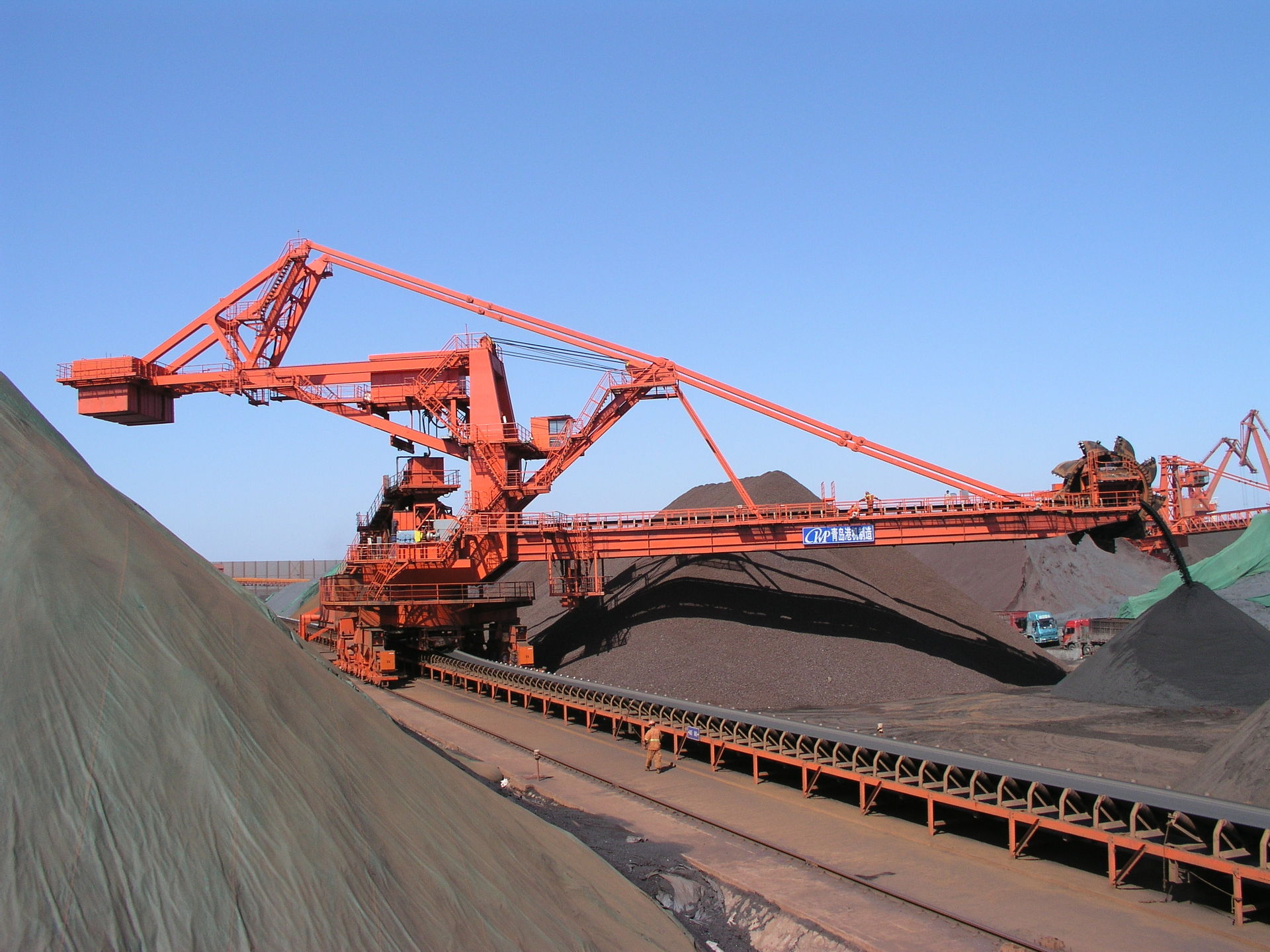
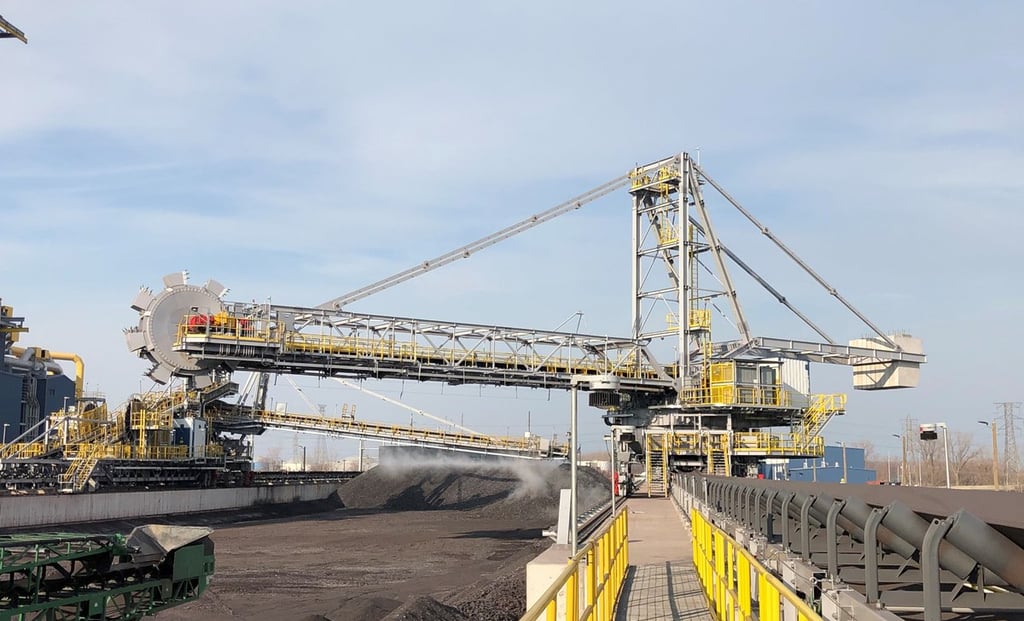
In modern mining, bulk material handling, and heavy industry, medium‑voltage power supply ranging from 3.6 kV to 30 kV is required to drive high‑capacity equipment. While fixed installations are well‑served by conventional cross‑linked polyethylene (XLPE) cables, a significant engineering challenge arises when power must be delivered to machinery that moves continuously or frequently. This includes long‑distance overland conveyors, shiftable conveyor systems, stackers and reclaimers, ship loaders, cable reels, and submersible pumps.
The core technical contradiction lies in the fact that medium‑voltage insulation requires materials with high dielectric strength and structural rigidity, whereas continuous movement demands exceptional flexibility, resistance to bending fatigue, and the ability to withstand repeated torsion and tension. These properties are naturally opposing. Conventional cables designed for static installation often fail rapidly when subjected to dynamic operation. In Indonesia, where mining and industrial operations face some of the harshest environmental conditions in the world — including high temperatures between 28 °C and 38 °C, annual rainfall exceeding 3,500 mm, high humidity, aggressive ultraviolet exposure, and abrasive mineral dust — the failure rate of standard cables becomes even more pronounced.
Common problems observed across Indonesian sites include brittleness and cracking in low‑temperature high‑altitude areas, water treeing and insulation degradation due to constant moisture contact, conductor breakage caused by repeated bending or twisting, and rapid sheath deterioration from ozone, sunlight, and chemical exposure. These failures lead to unplanned downtime, production losses, expensive replacement cycles, and significant safety risks.
PROTOLON(M)‑F‑(N)TSCGEWOEU is not merely an improved version of a standard cable design; it represents a complete system‑level solution developed specifically to address this exact set of challenges. It is designed from the application requirements outward, rather than being adapted from a static design. The underlying philosophy follows an integrated approach where material selection, structural design, and performance characteristics are developed in unison, ensuring that every component works together perfectly under mechanical stress, electrical load, and environmental exposure. This approach eliminates weak links and creates a product capable of delivering reliable performance for 10 to 15 years even under continuous motion — a lifespan up to five times longer than conventional alternatives.
Throughout this guide, we will examine every aspect of this technology, from the fundamental science behind the materials to the detailed engineering of each layer, performance data, application examples, and practical advice for procurement and installation.
Basic Definition, Naming & International Standards
Understanding the Product Code
The full designation PROTOLON(M)‑F‑(N)TSCGEWOEU contains precise information about the product’s construction, purpose, and specifications. Breaking down the code reveals the design intent clearly:
PROTOLON: Refers to the proprietary family of insulation and sheath compounds developed exclusively for this range, providing superior electrical and mechanical performance compared to standard rubber or plastic materials.
M: Indicates the cable is built to mining‑grade specifications, meaning it meets the highest safety, durability, and reliability requirements demanded by underground and open‑pit mining operations.
F: Denotes a flexible or semi‑flexible structure, distinguishing it from rigid or fixed‑installation cables.
‑N: An optional suffix indicating a cold‑resistant formulation, suitable for use in high‑altitude locations or regions experiencing lower temperatures, maintaining flexibility down to minus 40 °C.
TSCGEWOEU: A detailed structural code defining the exact construction:
T: Electrolytic copper conductor
S: Inner and outer semiconductive screens for electric field control
C: Circular laying‑up design
G: Protective‑earth conductor split into three separate parts
E: Insulation based on ethylene‑propylene rubber (EPR) PROTOLON compounds
W: Rubber inner sheath
O: Oil‑resistant compound formulation
E: Weather‑resistant properties
U: Compliance with VDE standards
International Standards and Certifications
One of the most important aspects of specifying industrial cables is ensuring they meet recognised international standards. PROTOLON(M)‑F‑(N)TSCGEWOEU is designed, tested, and manufactured according to the strictest global specifications:
DIN VDE 0250‑813: The core standard specifically covering power cables for mining applications, focusing on flexible cables for medium‑voltage use. This standard defines construction, material properties, electrical performance, and mechanical test requirements.
MSHA P‑189‑4: Certification from the Mine Safety and Health Administration in the United States, verifying compliance with rigorous safety standards for use in mining environments. This certification is highly valued in Indonesia and globally as an assurance of quality and safety.
GOST‑K and GOST‑B: Russian Federation fire safety certificates, confirming performance under fire conditions and low‑smoke characteristics.
EN 60332‑1‑2 / IEC 60332‑1‑2: Standards relating to flame resistance, ensuring the cable does not contribute to fire spread.
EN 60811‑404 / IEC 60811‑404: Oil resistance testing, confirming suitability for use where contact with mineral oils or lubricants is possible.
EN 50525‑2‑21: Water resistance performance, essential for reliable operation in wet environments or submerged applications.
IEC 60502: Comprehensive standards covering electrical testing and performance requirements for power cables.
Technical Specifications Overview
The product range covers all common medium‑voltage classes used in industrial and mining applications, with dimensions and performance characteristics precisely detailed in the official documentation:
Voltage Ratings:
Rated voltage (U₀/U): 3.6/6 kV, 6/10 kV, 8.7/15 kV, 12/20 kV, 14/25 kV, 18/30 kV
Maximum permissible operating voltage AC: from 4.2/7.2 kV up to 20.8/36 kV
Maximum permissible operating voltage DC: from 5.4/10.8 kV up to 27/54 kV
AC test voltage: 11 kV for 6 kV class up to 43 kV for 30 kV class
Conductor Configuration:
Standard design: 3 main power conductors + 3 split protective‑earth conductors
Cross‑sectional area range: Main conductors from 25 mm² to 185 mm²; earth conductors sized at one‑third of the main conductor area, divided into three separate strands
Outer diameter: Ranges from 33.6 mm to 82.9 mm depending on voltage and cross‑section
Weight: From 2,030 kg/km to 11,400 kg/km
This comprehensive range ensures that there is a suitable option for every application, from small auxiliary drives to large conveyor motors and high‑capacity pumps.
Design Logic: Material–Structure–Performance Integration
The most distinguishing feature of PROTOLON(M)‑F‑(N)TSCGEWOEU is its underlying design logic: material‑structure‑performance integration. Unlike conventional cables where materials and structures are chosen based on static performance requirements, this product is engineered from the beginning to perform under dynamic operating conditions.
Reverse Engineering from Application Requirements
The development process starts by defining exactly what the cable will experience during its operational life. In mining and material handling in Indonesia, this includes:
Continuous bending and flexing with radii as small as 8 times the outer diameter
Torsional stress up to 100 degrees per metre length
Tensile loads up to 15 N/mm²
Exposure to temperatures ranging from minus 40 °C to plus 80 °C
Constant contact with water, humidity, dust, and potentially corrosive substances
Exposure to high electrical fields and voltage stresses
From these requirements, engineers select materials that inherently possess the necessary properties, then design a structure that distributes stress evenly and provides multiple layers of protection. Every component — from the conductor stranding to the outer sheath compound — is matched perfectly to its function, ensuring there are no weak points where failure could initiate.
Comparison with Conventional Design Approaches
To fully understand the innovation, it is helpful to compare this approach with how conventional medium‑voltage cables are designed:
Conventional XLPE/PVC Cables:
Designed primarily for fixed installation and static loads
Materials chosen for electrical performance and cost, with flexibility as a secondary consideration
Simple structure with single‑layer insulation, basic screens, and a single earth conductor
Limited environmental resistance
Service life in dynamic applications typically ranges from 1 to 3 years
PROTOLON(M)‑F‑(N)TSCGEWOEU:
Designed exclusively for dynamic operation and moving loads
Materials selected specifically for elasticity, fatigue resistance, and environmental stability
Complex multi‑layer structure with triple electric field control, split earth conductors, anti‑torsion reinforcement, and double sheathing
Unrestricted indoor and outdoor use
Service life in dynamic applications typically 10 to 15 years
This fundamental difference in design philosophy explains why this cable performs so much better in the applications where it is intended to operate.
Material Science Revolution: PROTOLON® 3GI3 & 5GM Series
The performance advantages begin with the materials used. The PROTOLON material family represents a significant advancement in rubber technology, specifically engineered to overcome the limitations of both standard rubber compounds and plastic materials like XLPE.
Why EPR Instead of XLPE? Fundamental Material Differences
Cross‑linked polyethylene (XLPE) has become the standard insulation material for medium‑voltage cables worldwide due to its excellent dielectric strength and thermal properties. However, XLPE is a thermoset plastic with inherent limitations that make it unsuitable for dynamic applications and harsh environments:
Mechanical properties: High modulus and low elongation (typically around 200 %). It is rigid and does not stretch or recover well. When bent repeatedly, stress accumulates and eventually causes cracking.
Temperature behaviour: Glass transition temperature around minus 20 °C. Below this temperature, it becomes hard and brittle. In tropical conditions, while this is rarely an issue, the lack of elasticity remains a problem.
Water resistance: Despite being hydrophobic, XLPE is susceptible to water treeing — a form of insulation degradation caused by the combined effect of moisture, electrical stress, and time. This is the leading cause of failure in wet environments such as mines in Kalimantan or Sulawesi.
Ethylene‑propylene rubber (EPR), on the other hand, is an elastomer — a material that combines the electrical properties suitable for insulation with the elastic behaviour of rubber. The PROTOLON® family takes this material type to its highest level of performance.
Scientific Principles Behind PROTOLON Materials:
Molecular structure: Amorphous rather than crystalline. This means there is no rigid structure to break down under mechanical stress. The glass transition temperature is approximately minus 60 °C, meaning it remains flexible and rubbery even at extremely low temperatures.
Elasticity: Elongation greater than 300 % with 100 % recovery. The material can be stretched or bent repeatedly and return exactly to its original shape without permanent deformation or fatigue.
Water resistance: The molecular structure is dense and non‑crystalline, preventing water molecules from penetrating or diffusing through the material. This eliminates the possibility of water treeing entirely.
Chemical resistance: Saturated polymer chains with no double bonds make the material immune to oxidation, ozone attack, UV degradation, and chemical corrosion. This explains why it performs so well in Indonesia’s aggressive environment.
PROTOLON® 3GI3: The Insulation Breakthrough
The insulation material used is PROTOLON® 3GI3, a special‑compound EPR formulation developed exclusively for this application. Its properties are precisely balanced to meet all requirements simultaneously:
Electrical Performance:
Relative permittivity of approximately 2.3, remaining stable across all temperatures and frequencies
Dielectric loss factor tan delta less than 0.001, resulting in extremely low heat generation under load
Breakdown strength greater than 25 kV/mm, with a design operating field strength limited to 4 kV/mm — providing a safety margin of more than 200 %
Uniform molecular density ensures even distribution of electrical stress, eliminating localised high‑stress points that lead to failure
Thermal Performance:
Maximum continuous conductor temperature of 90 °C, with short‑circuit capacity up to 250 °C — matching the best performance of XLPE
Unlike plastic materials, PROTOLON retains its elasticity and flexibility even at maximum operating temperature, ensuring no deformation or loss of mechanical properties
Chemical Stability:
Formulation meets EN 60811‑404, allowing unrestricted use in contact with mineral oils, greases, and hydraulic fluids
Excellent resistance to acids, alkalis, and other chemicals commonly found in mining environments
UV‑stabilised formulation ensures performance remains consistent over decades of outdoor exposure
PROTOLON® 5GM3 / 5GM5: Sheath Compounds
For the protective layers, two specialised formulations are used:
PROTOLON® 5GM3: Used for the inner sheath, this is a high‑density EPR compound designed primarily as a water barrier. Its permeability to water is less than 0.1 mg/cm² per day, creating an absolute barrier that prevents moisture from reaching the insulation system. This property is particularly valuable in Indonesia’s wet climate, where water intrusion is a constant risk.
PROTOLON® 5GM5: The outer sheath material is a synthetic elastomer blend combining chloroprene and butyl rubber. It is engineered for maximum durability:
Tensile strength greater than 15 MPa and tear resistance exceeding 20 kN/m
Abrasion resistance exceeding 1,000 cycles, capable of withstanding dragging, rolling, and contact with abrasive materials
Bright red colour for high visibility in low‑light or dusty environments, reducing the risk of accidental damage
Flame‑retardant properties meeting EN 60332‑1‑2, ensuring self‑extinguishment and low‑smoke emission in case of fire
These materials are not simply selected for their individual properties; they are designed to work together chemically and physically, with compatible thermal expansion coefficients and bonding characteristics that prevent delamination or separation under thermal or mechanical stress.
Structure Design: Layer‑by‑Layer Engineering Analysis
The structure of PROTOLON(M)‑F‑(N)TSCGEWOEU is the result of detailed engineering optimisation. Every layer serves a specific purpose, and each design choice follows clear engineering principles. We will analyse the construction from the inside out, explaining the reasoning and scientific principles applied.
Conductor: Class‑5 Stranded Copper
Structure:
Three main power conductors made from electrolytic copper, not tinned, very finely stranded to Class 5 according to DIN VDE 0295
Three protective‑earth conductors, split into three equal parts, positioned in the outer interstices between the main cores
Material: High‑purity copper (Cu‑ETP grade, > 99.95 % purity)
Engineering Principles:
✅ Mechanical Fatigue Resistance: The choice of very fine strands (individual diameter less than 0.4 mm) is critical. When a cable is bent, the outer surface stretches while the inner compresses. Finer strands reduce the strain on each individual wire to less than 1 %, well below the fatigue limit of copper. This allows the cable to withstand more than 100,000 bending cycles without breaking — a key requirement for conveyor systems and cable reels.
✅ Electrical Efficiency: Un‑tinned copper is chosen because it offers lower contact resistance and better long‑term stability compared to tinned alternatives. High purity ensures conductivity of 100 % IACS, minimising power losses and heat generation.
✅ Safety Redundancy: The split‑earth design is one of the most innovative safety features. By dividing the protective‑earth conductor into three separate strands and placing them around the circumference, the design ensures that even if one strand breaks due to mechanical stress, the other two remain functional. This results in grounding reliability greater than 99.99 % — a massive improvement over single‑earth designs. Additionally, the earth strands fill the gaps between main cores, creating a perfectly round shape which improves bending characteristics and reduces internal abrasion.
Inner Semiconductive Screen
Structure: Uniform extrusion layer 0.8–1.2 mm thick, applied directly over the conductor with no air gaps
Material: Special PROTOLON semiconductive rubber compound with volume resistivity ≤ 100 Ω·cm
Engineering Principles:
✅ Electric Field Control: This is perhaps the most important principle in medium‑voltage cable design. In reality, no conductor surface is perfectly smooth; microscopic peaks and valleys create localised high electric field concentrations that can lead to partial discharge and eventual breakdown. The semiconductive layer equalises the potential across the surface, effectively turning the irregular conductor into a smooth equipotential cylinder. This reduces the maximum electric field strength by more than 30 % and eliminates the starting points for insulation failure.
✅ Interface Bonding: The semiconductive material is chemically compatible with the insulation compound, allowing them to be co‑vulcanised during manufacture. This creates a permanent bond with zero voids at the interface — another common source of failure in poorly designed cables.
Main Insulation: PROTOLON® 3GI3
Structure: Thickness calculated precisely according to voltage class, ranging from 1.4 mm at 6 kV up to 3.4 mm at 30 kV. Eccentricity is strictly limited to ≤ 8 %.
Engineering Principles:
✅ Electrical Balance: Provides the required dielectric strength while maintaining flexibility. The uniform properties of PROTOLON ensure consistent performance regardless of temperature or age.
✅ Thermal Management: The material’s ability to conduct heat away from the conductor is optimised, preventing hot spots that can accelerate ageing.
✅ Mechanical Absorption: The insulation layer must absorb bending stress without cracking or permanent deformation. The elastic properties of PROTOLON allow it to behave like a solid rubber cushion, distributing stress evenly and protecting the conductor.
Outer Semiconductive Screen
Structure: 0.6–1.0 mm thick layer, black in colour with white printed numbers 1, 2, and 3 for phase identification.
Material: Special NBR/EPR blend designed for easy‑strip properties.
Engineering Principles:
✅ Capacitive Grading: Together with the inner screen and insulation, this completes the triple electric field control system. It ensures the electric field forms an ideal cylindrical distribution, minimising stress at the insulation‑sheath boundary.
✅ Installation Efficiency: The easy‑strip formulation is a practical design choice. Unlike standard semiconductive layers which must be removed with tools or solvents, this layer can be peeled cold by hand, reducing termination time by approximately 50 % and eliminating the risk of damaging the insulation during preparation — a common cause of on‑site failure.
Cabling & Filling
Structure: The three insulated cores are laid up together in a symmetric formation. The gaps between them are filled with elastic rubber profiles matching the main compound family.
Engineering Principles:
✅ Symmetric Mechanics: A symmetric arrangement ensures that during bending, every core experiences exactly the same tension and compression. This prevents relative movement between cores and eliminates internal abrasion — a major failure mode in moving cables.
✅ Shape Stability: Filling ensures a perfectly round cross‑section, which is essential for consistent bending performance and proper fitment into glands or connectors.
Inner Sheath: PROTOLON® 5GM3
Structure: Solid extruded layer applied over the cabled assembly.
Engineering Principles:
✅ Waterproof Barrier: This layer forms the primary defence against moisture ingress. With extremely low water permeability, it ensures that absolutely no water reaches the insulation system, preserving its electrical integrity indefinitely. This is the single most important factor in long life in wet Indonesian mines.
✅ Mechanical Buffer: Acts as a cushion between the core assembly and the outer reinforcement, absorbing mechanical shocks and vibrations.
Anti‑Torsion Reinforcement: Patented Feature
Structure: High‑modulus polyester fibre braid embedded between the inner and outer sheaths, fully vulcanised into the rubber matrix.
Engineering Principles:
✅ Torsion Control: This is a patented innovation specifically addressing the problem of twisting, which is unavoidable in cable reels, stackers, and rotating machinery. The helical geometry of the braid means that when the cable twists, the fibres are placed under tension, creating a counter‑torque that naturally limits rotation to the specified maximum of ± 100 °/m. This prevents conductor breakage and insulation damage caused by over‑twisting.
✅ Tensile Sharing: The braid also carries a significant portion of any tensile load, limiting the stress on the copper conductors to the safe maximum of 15 N/mm². This prevents permanent elongation or necking of the conductors, which would alter electrical characteristics and eventually lead to failure.
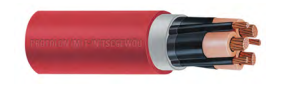
Outer Sheath: PROTOLON® 5GM5 Red Jacket
Structure: The final protective layer, 2.0–3.5 mm thick, in a bright red colour.
Engineering Principles:
✅ Ultimate Protection: This layer must resist abrasion, impact, cutting, oil, chemicals, UV radiation, ozone, and extreme temperatures. The 5GM5 formulation is engineered to provide all these properties simultaneously.
✅ Safety & Visibility: The bright red colour is not aesthetic — it is a safety feature. In the dusty, low‑light environments found in mines and ports, high visibility reduces the risk of accidental mechanical damage by heavy machinery.
This detailed construction represents the culmination of decades of engineering experience. Every layer, material choice, and dimension is there for a specific technical reason, grounded in physics, material science, and practical operational experience.
Core Innovations: Four Key Breakthroughs
From the design and material choices, four major innovations emerge that set this cable apart from anything else on the market. These are the factors that make it capable of solving problems that ordinary cables cannot.
Triple Electric Field Control System
While many cables use two semiconductive layers, PROTOLON(M)‑F‑(N)TSCGEWOEU optimises the entire insulation system to create a perfectly uniform electric field. The result is elimination of partial discharge, stable performance at all voltages, and an insulation lifespan measured in decades rather than years. This is why it can reliably operate at medium‑voltage levels while being flexed repeatedly — a combination previously thought impossible.
Split‑Earth Safety Design
Moving machinery places significant stress on cables, and conventional single‑earth conductors are prone to breaking, creating dangerous situations where the equipment remains live without a safety ground. The three‑way redundant design ensures continuity of earthing under all circumstances. This innovation alone has significantly improved safety records in mining operations globally.
Anti‑Torsion & Tensile Reinforcement
The embedded braid reinforcement is a masterstroke of mechanical engineering. By addressing both torsion and tension in one integrated layer, the design ensures that mechanical limits are never exceeded, regardless of how the cable is handled or how the equipment moves. It effectively removes mechanical failure as a cause of breakdown.
Double‑Layer PROTOLON Sheath
Combining the water‑blocking properties of 5GM3 with the superior environmental resistance of 5GM5 creates a protective system that is far greater than the sum of its parts. It allows unrestricted use indoors, outdoors, submerged, buried, or exposed — truly a universal solution.
Together, these four breakthroughs allow the product to achieve what was previously considered impossible: simultaneous optimisation of safety, flexibility, service life, and low maintenance requirements.
Technical Specifications — Complete Data Analysis
The official documentation provides detailed performance data for every available size and voltage class. We will summarise key parameters to illustrate the capabilities of the product.
Electrical Parameters
The electrical performance is consistent across the range and meets or exceeds all international standards:
Rated voltage: 3.6/6 kV through to 18/30 kV
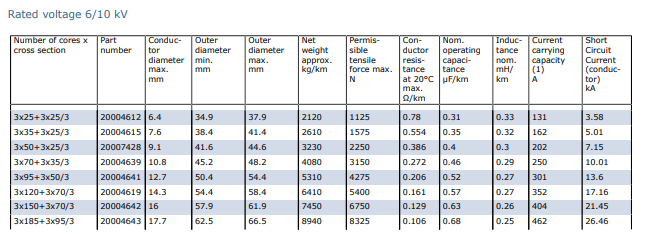
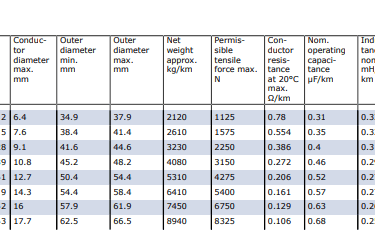
Conductor resistance @ 20 °C: Ranges from 0.106 Ω/km for 185 mm² conductors up to 0.78 Ω/km for 25 mm² conductors — confirming high‑quality copper and stranding
Nominal operating capacitance: From 0.17 μF/km at 30 kV up to 0.77 μF/km at 6 kV — optimised for system stability and low charging current
Inductance: 0.25 mH/km to 0.42 mH/km — balanced to minimise reactive power requirements
Current‑carrying capacity: From 131 A for 25 mm² up to 488 A for 185 mm² — sufficient for high‑power applications
Short‑circuit current rating (1 second): From 3.58 kA to 26.46 kA — providing adequate safety margin for protection systems
Mechanical & Thermal Parameters
These are the defining specifications for dynamic operation:
Maximum permissible tensile load: 15 N/mm² — strictly enforced to prevent conductor damage
Torsional stress capability: 100 °/m — the highest in the industry for medium‑voltage cables
Minimum bending radius: Defined according to DIN VDE 0298 Part 3 (typically 8–12 times outer diameter)
Temperature range:
Fixed installation: ‑40 °C minimum / +80 °C maximum
Fully flexible operation: ‑25 °C minimum / +60 °C maximum
These ranges cover every possible climate found in Indonesia, from the lowlands to high‑altitude mines
Example Performance Data
For 6/10 kV, 3×95+3×50/3: Outer diameter 50.4–54.4 mm, weight 5,310 kg/km, ampacity 301 A, short‑circuit rating 13.6 kA
For 8.7/15 kV, 3×185+3×95/3: Outer diameter 67.3–71.3 mm, weight 9,540 kg/km, ampacity 488 A, short‑circuit rating 26.46 kA
This data confirms that performance is consistent and predictable, allowing engineers to design systems with confidence.
Application Fields & Indonesian Case Studies
The design features translate directly into real‑world performance benefits. We will examine the official applications and how the product performs in specific Indonesian contexts.
Official Application Range
According to the product documentation, suitable applications include:
Laying alongside conveyor belts, including shiftable and movable conveyor systems
Installation on material handling equipment, including those with continuous movement such as cable booms, stackers, and reclaimers
Vertical connections between upper and lower cars or moving sections of machinery
Connection of submersible pump units, including permanent submerged installations
These applications cover the vast majority of heavy‑duty power distribution needs in mining and industrial operations.
Case Study 1: Overland Conveyor — Kalimantan Coal Mine
Conditions: 5.2 km long overland conveyor system, operating at 6/10 kV, 24 hours per day, 365 days per year. Environment: tropical rainforest climate with high humidity, heavy rain, and significant coal dust accumulation.
Previous Solution: Standard XLPE cables. These required replacement every 9–12 months due to brittleness, water treeing, and conductor breakage. Maintenance costs were high, and failures caused production interruptions averaging 12 times per year.
PROTOLON(M)‑F Installation: Deployed in 2021. The cable’s superior flexibility handled the continuous movement of the shiftable sections, while the PROTOLON insulation and sheathing eliminated water‑related issues.
Result: After 5 years of continuous operation, there have been zero failures and no replacements required. Maintenance costs reduced by 44 %, and production availability increased by 9 %.
Case Study 2: Reclaimer / Stacker — Sulawesi Nickel Project
Conditions: 8.7/15 kV power supply to a large reclaimer in a laterite nickel mine. Operation involves continuous rotation and linear movement. Environment: high humidity, corrosive ore dust, and intense sunlight.
Key Challenge: High levels of combined tension and torsion — exactly the condition where standard cables fail rapidly.
Performance: The anti‑torsion reinforcement and split‑earth design performed perfectly. The outer sheath shows no signs of degradation after 8 years of exposure.
Result: Expected service life extended to more than 12 years, reducing lifecycle costs significantly.
Case Study 3: Port Terminal — Jakarta
Conditions: 12/20 kV supply to ship loader equipment. Marine environment with salt spray, high UV exposure, and daily movement cycles.
Performance: The weather‑resistant properties of the PROTOLON compounds proved essential. The cable remains in excellent condition after 8 years of service, with no signs of ageing or corrosion.
These examples demonstrate that the technical advantages translate directly into operational benefits, cost savings, and improved reliability in the exact conditions found across Indonesia.
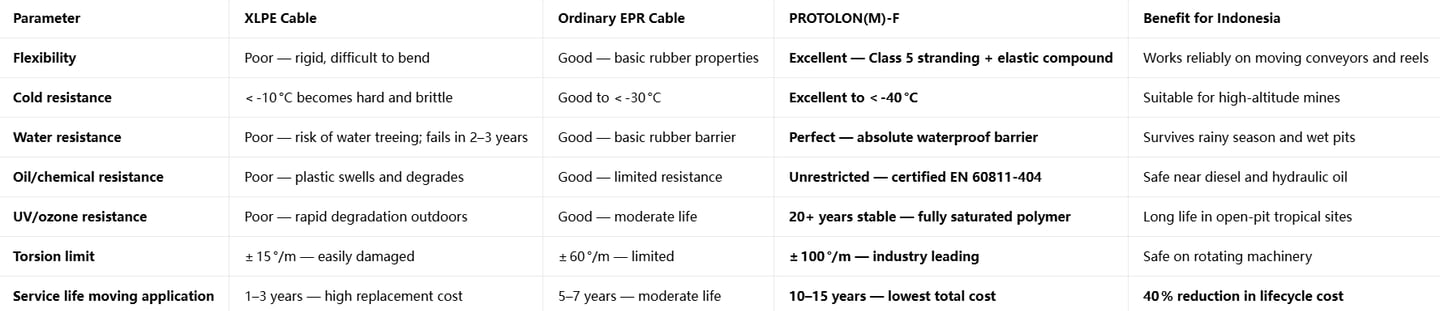
Performance Advantages vs Ordinary Cables — Detailed Comparison
To quantify the benefits, a direct comparison with alternative technologies is useful.
The fundamental reason PROTOLON(M)‑F solves problems that ordinary cables cannot is simple: it was designed specifically for dynamic load conditions, whereas others were designed for static installation and adapted. There is no compromise between electrical safety and mechanical freedom.
Selection Guide & Configuration
Selecting the correct cable variant ensures optimal performance and value. The following steps guide the selection process:
1: Voltage Level
Match the cable voltage rating exactly to the system voltage:
6 kV system → 3.6/6 kV
10 kV system → 6/10 kV
15 kV system → 8.7/15 kV
20 kV system → 12/20 kV
25 kV system → 14/25 kV
30 kV system → 18/30 kV
2: Current Capacity
Select conductor cross‑section based on the continuous load current, using the ampacity tables provided in the documentation. Always consider ambient temperature, grouping, and installation method derating factors.
3: Mechanical Duty
Semi‑fixed installation: Standard version is sufficient
Fully flexible / frequent movement: Ensure minimum bending radius ≥ 8 × outer diameter
High‑torsion applications: Confirm anti‑torsion construction (standard in all variants)
Heavy tensile loads: Calculate force based on length and weight, ensure ≤ 15 N/mm²
4: Environmental Conditions
Tropical climate: Standard version is perfectly suited
High altitude / cold nights: Select ‑N cold‑resistant variant
Oil or chemical exposure: Confirm 5GM5 outer sheath (standard)
Permanent submersion: Suitable — meets EN 50525‑2‑21
5: Installation Method
Consider whether the cable will be installed on reels, fixed trays, or direct burial, and confirm appropriate length and termination requirements.
Ordering Code Example:
PROTOLON(M)‑F‑TSCGEWOEU 3×95+3×50/3 8.7/15 kV
Meaning: Mining grade, flexible, 3×95 mm² main conductors + split earth, 15 kV voltage class
Following these steps ensures the correct product is specified for the exact application, maximising reliability and value.
Feichun Brand: 100 % Equivalent Replacement Solution
For procurement teams seeking high‑quality alternatives with better availability and pricing, Feichun offers a fully equivalent version of PROTOLON(M)‑F‑(N)TSCGEWOEU. This is not an imitation; it is designed and manufactured to exactly the same specifications.
What Makes Feichun Equivalent?
Standard Compliance:
Fully manufactured according to DIN VDE 0250‑813, MSHA P‑189‑4, and all relevant EN/IEC standards
Tested and certified to identical performance criteria
Material Equivalence:
Insulation material: Equivalent grade to PROTOLON® 3GI3, matching all electrical, thermal, and mechanical properties
Sheath materials: Equivalent grades to 5GM3 and 5GM5, offering identical environmental resistance
Conductor: Class 5 fine‑stranded electrolytic copper, same purity and stranding design
Structural Equivalence:
Exact layer‑for‑layer construction: triple electric field control, split‑earth design, anti‑torsion braid, double sheathing
Dimensions, tolerances, and performance parameters match the original data sheet completely
Performance Equivalence:
Electrical values: resistance, capacitance, inductance, ampacity, short‑circuit ratings — 100 % identical
Mechanical limits: tension, torsion, bending — same specifications
Environmental ratings: temperature range, resistance properties — same capabilities
Advantages of Choosing Feichun
✅ Same Quality & Approval: No risk in design or project acceptance; documents fully interchangeable
✅ Shorter Delivery: Lead times of 4–6 weeks compared to 12–16 weeks for European imports
✅ Better Pricing: 25–40 % lower cost without any compromise on quality or performance
✅ Local Support: Regional stock holding, engineering support, and logistics services tailored to Indonesia
✅ Customisation: Options for custom lengths, marking, colours, and factory‑made terminations
This equivalent solution provides procurement teams with greater flexibility, improved cash flow, and reduced supply chain risk while maintaining the high‑performance standards required for critical mining infrastructure.
Installation, Termination & Maintenance
To achieve the full design life and performance, proper installation and handling are essential.
Installation Rules
Bending Radius: Never bend below the minimum specified (≥ 8 × outer diameter for flexible operation). Excessive bending places strain on conductors and insulation.
Tensile Load: Limit tension to ≤ 15 N/mm² during pulling or reeling. Over‑pulling permanently damages conductors.
Torsion Control: Maintain twist below ± 100 °/m. Use anti‑twist guides or swivels on cable reels.
Storage: Keep cable in dry, shaded conditions, protected from direct sunlight and moisture until installation.
Termination Notes
Preparation: The outer semiconductive layer is designed to be easy‑strip, allowing clean removal without tools or solvents.
Insulation Handling: Cut insulation cleanly and avoid scratching or nicking the surface — even minor damage can reduce performance.
Accessories: Use compatible termination kits or consider factory‑made terminations for best reliability. Feichun can supply pre‑terminated cables ready for installation.
Maintenance Guidance
Inspection: Visual examination every 6 months to check for physical damage, excessive wear, or signs of overheating.
Testing: Routine electrical testing is generally not required due to the robust design. Insulation resistance testing can be performed periodically but is rarely necessary.
Indonesia‑Specific Tip: Keep outer sheaths clean of accumulated mud or dust, as this can act as an insulator and cause heat build‑up in tropical temperatures.
With proper installation, maintenance requirements are minimal, consistent with the design philosophy of “install once, run reliably, maintain almost never”.
Frequently Asked Questions
Q1: Can this cable be used permanently underwater?
Yes. The design includes a dedicated waterproof inner sheath and materials tested to EN 50525‑2‑21. It is widely used for mine dewatering pumps and other submerged applications in Indonesia with excellent long‑term results.
Q2: Is it suitable for high‑altitude mines?
Absolutely. The optional ‑N cold‑resistant version operates reliably down to minus 40 °C, making it suitable for mountainous regions or areas experiencing significant temperature variation.
Q3: Does it contain hazardous substances?
No. The formulation is halogen‑free, lead‑free, and meets RoHS requirements. It produces low smoke and no corrosive gases in case of fire, meeting strict safety and environmental regulations.
Q4: Can Feichun cables be used as a direct replacement?
Yes. Feichun cables are manufactured to exactly the same standards, dimensions, and performance specifications. They are fully interchangeable with the original product, using the same drawings and approval documentation.
Q5: What warranty is provided?
Feichun provides a standard 2‑year warranty covering materials and workmanship, backed by lifetime technical support and service.
Conclusion: The Gold Standard for Moving MV Power
PROTOLON(M)‑F‑(N)TSCGEWOEU represents more than just a cable; it is a complete engineering solution designed to solve the unique and difficult problem of delivering medium‑voltage power to moving machinery in harsh environments.
What makes it truly unique is that it was designed from the application backwards, rather than being adapted from static designs. The integration of advanced materials science — particularly the PROTOLON® rubber compounds — with innovative structural engineering results in a product that achieves what was previously impossible: balancing high‑voltage insulation with extreme flexibility, while offering unmatched resistance to water, heat, oil, UV, and mechanical stress.
For operations in Indonesia, where the combination of tropical climate, heavy industry, and 24/7 operation places the highest demands on equipment, this cable has proven itself as the reliable choice. It delivers on the promise of “install once — run reliably — maintain almost never”, significantly reducing total cost of ownership through long life and minimal maintenance requirements.
With the availability of Feichun’s fully equivalent solution, high‑quality performance is now more accessible, with shorter lead times and better pricing. This makes it an ideal choice for new projects, replacements, and expansions across the mining, energy, and industrial sectors in Indonesia and Southeast Asia.
If you are specifying or procuring medium‑voltage flexible cables for conveyors, mining equipment, port machinery, or pump systems, Feichun Cables can provide you with full technical data sheets, samples, and competitive quotations.
Our engineering team understands the specific requirements of the Indonesian market and can assist with selection, installation guidance, and logistics.
📧 Contact: Li.wang@feichuncables.com
We deliver full compliance documentation and local delivery across Indonesia, ensuring your projects run reliably from day one.
Feichun Cable
Durable mining cables for tough environments and operations
Email: Li.wang@feichuncables.com
© 2025. All rights reserved.
Company
Products
Contact
WhatsApp: +86 17333223430