Anhui Feichun Special Cable Co.,Ltd


Engineering Guide to PROTOMONT Festoon NTSKCGECWOEU: High-Tensile, Oil-Resistant Rubber Cable for Demanding Underground Festoon Applications
PROTOMONT Festoon NTSKCGECWOEU is a specialized underground festoon cable engineered with advanced material science, structural mechanics, and high-voltage technology, designed to solve the core challenge of delivering reliable power supply and long service life under continuous movement and harsh environmental conditions in mines and tunnels. This guide explains its engineering principles, structural design, material science, performance advantages, compliance with international standards, proper selection methods, and why Feichun’s version serves as an equivalent alternative to European brands, with fast delivery and competitive pricing for projects across Indonesia. Suitable for engineers, procurement professionals, and technical teams in the mining and construction sectors.
Li Wang
6/5/202620 min read
Introduction
In underground mining and tunnel construction projects, especially those operating in Indonesia’s rich coal, gold, and mineral resource areas such as East Kalimantan, Sumatra, and Papua, the power supply system forms the lifeline of all operations. Among all components in this system, the festoon cable stands out as one of the most critical yet most vulnerable parts. These cables are installed in festoon systems, which are designed to supply power to mobile transformers, movable mining equipment, and shifting work platforms. Unlike fixed power cables, festoon cables operate under extremely harsh and dynamic conditions: they are constantly bent, stretched, twisted, and dragged back and forth as equipment moves; they are exposed to high humidity, corrosive dust, oil contamination, ozone, and strong ultraviolet radiation typical of tropical climates; and they must maintain stable performance under high electrical load and voltage stress.
For a long time, engineering teams around the world have faced a difficult contradiction: ordinary standard cables are low-cost and easy to obtain, but they fail frequently, require constant replacement, cause unexpected production shutdowns, and bring significant safety risks; while high-performance imported cables from European brands offer good reliability, they come with high prices, long delivery cycles, and limited technical support in regional markets like Indonesia.
This is where PROTOMONT Festoon NTSKCGECWOEU changes the industry landscape. It is not simply an upgraded version of a common cable, but a complete specialized system re-designed based on three core disciplines: material science, structural mechanics, and high-voltage technology. It directly addresses the core problem that has troubled the industry for decades—how to ensure highly reliable power supply while achieving long service life in environments with frequent movement and harsh conditions. Today, this cable has become the benchmark standard for underground festoon applications globally, and it is widely recognized as the only mature solution that truly delivers maintenance-free operation, extended service life, and top-level safety performance. This guide will take you deep into its design logic, technical secrets, application value, and practical selection methods, helping you make informed decisions for your mining or tunnel projects.
Basic Overview and Technical Specifications
General Profile and Standards
PROTOMONT Festoon NTSKCGECWOEU is a type of underground festoon cable developed strictly according to DIN VDE 0250-813, one of the most authoritative German industrial standards for power cables used in mining and similar harsh environments. In addition to this core standard, it fully complies with a series of international standards including IEC 60502, EN 60332, and EN 60811, and has obtained multiple certifications and approvals such as MA certification from China, WUG certification from Poland, and fire safety certificates from the Russian Federation GOST system. These qualifications ensure that the cable meets or exceeds the technical requirements of mining safety regulations in almost all countries and regions, including Indonesia, making it eligible for use in both local and international-funded projects.
The cable is designed with a rated voltage level of 3.6/6 kV, which is the most common and suitable voltage class for medium-power mobile equipment in underground mines. Its maximum permissible operating voltage reaches 4.2/7.2 kV for alternating current and 5.4/10.8 kV for direct current, with an AC test voltage of 11 kV during production and inspection, ensuring sufficient safety margin against voltage fluctuations and transient surges in the power grid.
Complete Technical Parameter Table
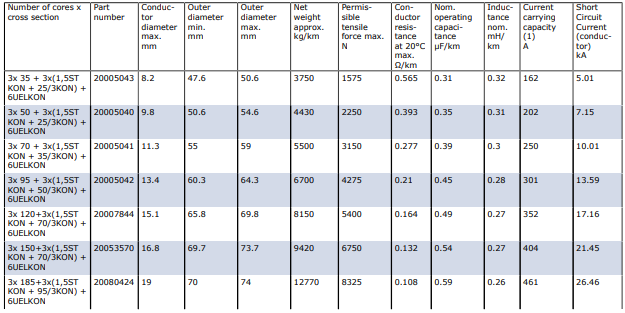
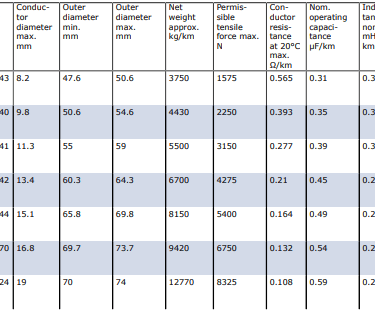
The product series covers a complete range of conductor cross-sections from 35 mm² to 185 mm², matching different power levels and usage scenarios. The following table lists the key specifications of common models, providing clear reference data for engineering design and selection:
In terms of thermal performance, the cable is designed to withstand a maximum long-term operating temperature of 90°C at the conductor, and can handle a short-circuit temperature up to 250°C within 5 seconds, fully meeting the thermal stability requirements under fault conditions. For ambient temperature, it performs reliably from -40°C to +80°C when installed in fixed positions, and maintains excellent flexibility and performance even in fully dynamic operating conditions within the range of -25°C to +60°C. This wide temperature adaptability makes it suitable not only for Indonesia’s hot and humid tropical environments, but also for high-altitude mines or areas with large temperature differences.
Typical Applications and Working Conditions
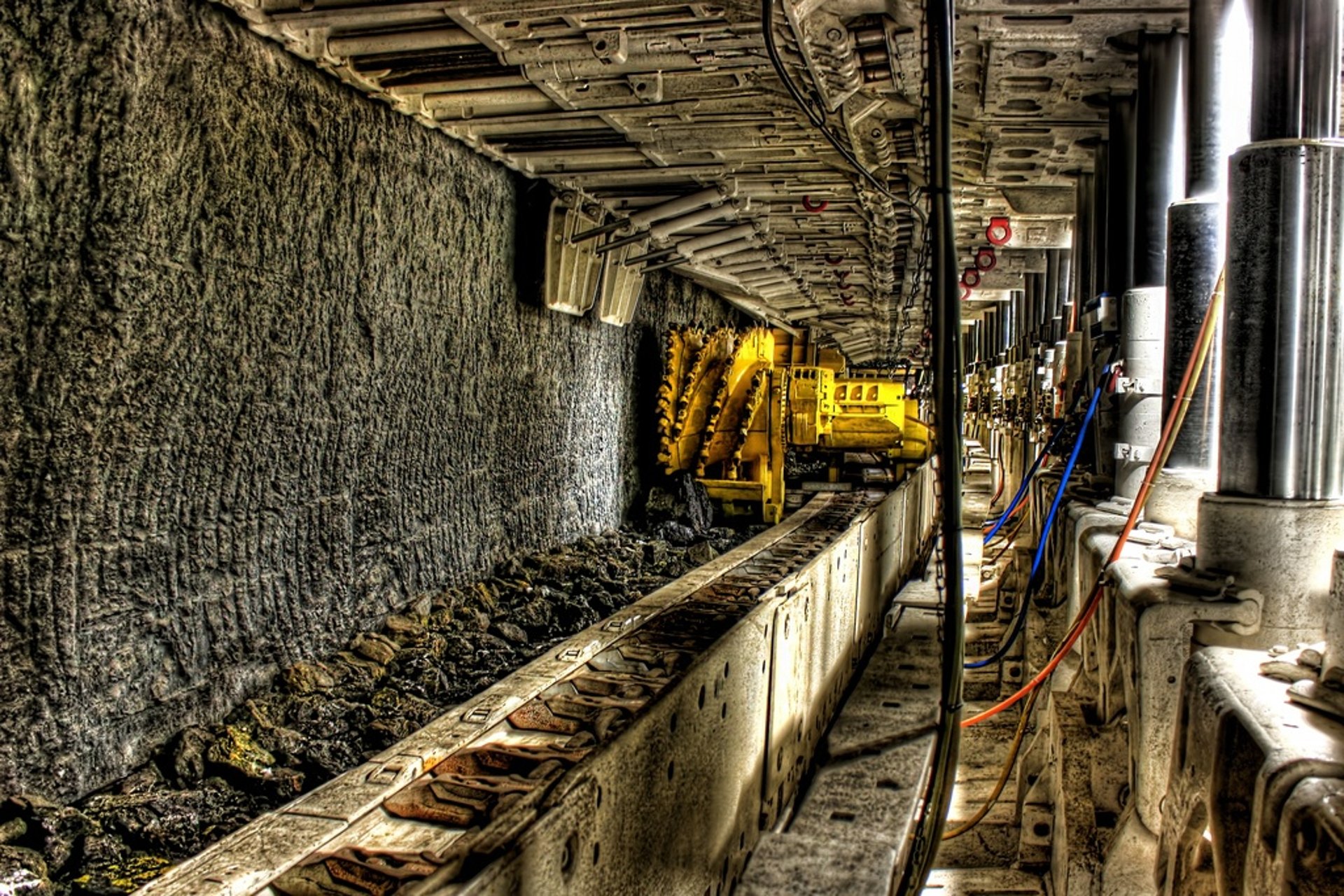
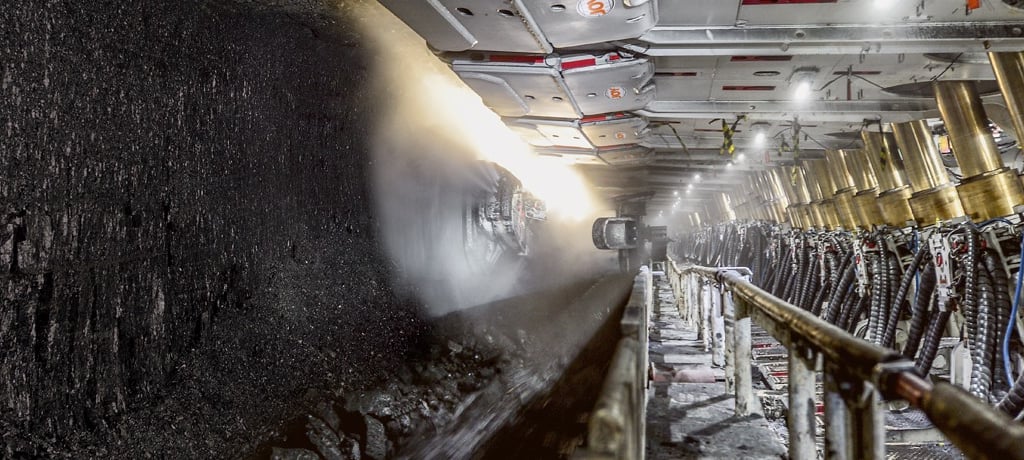
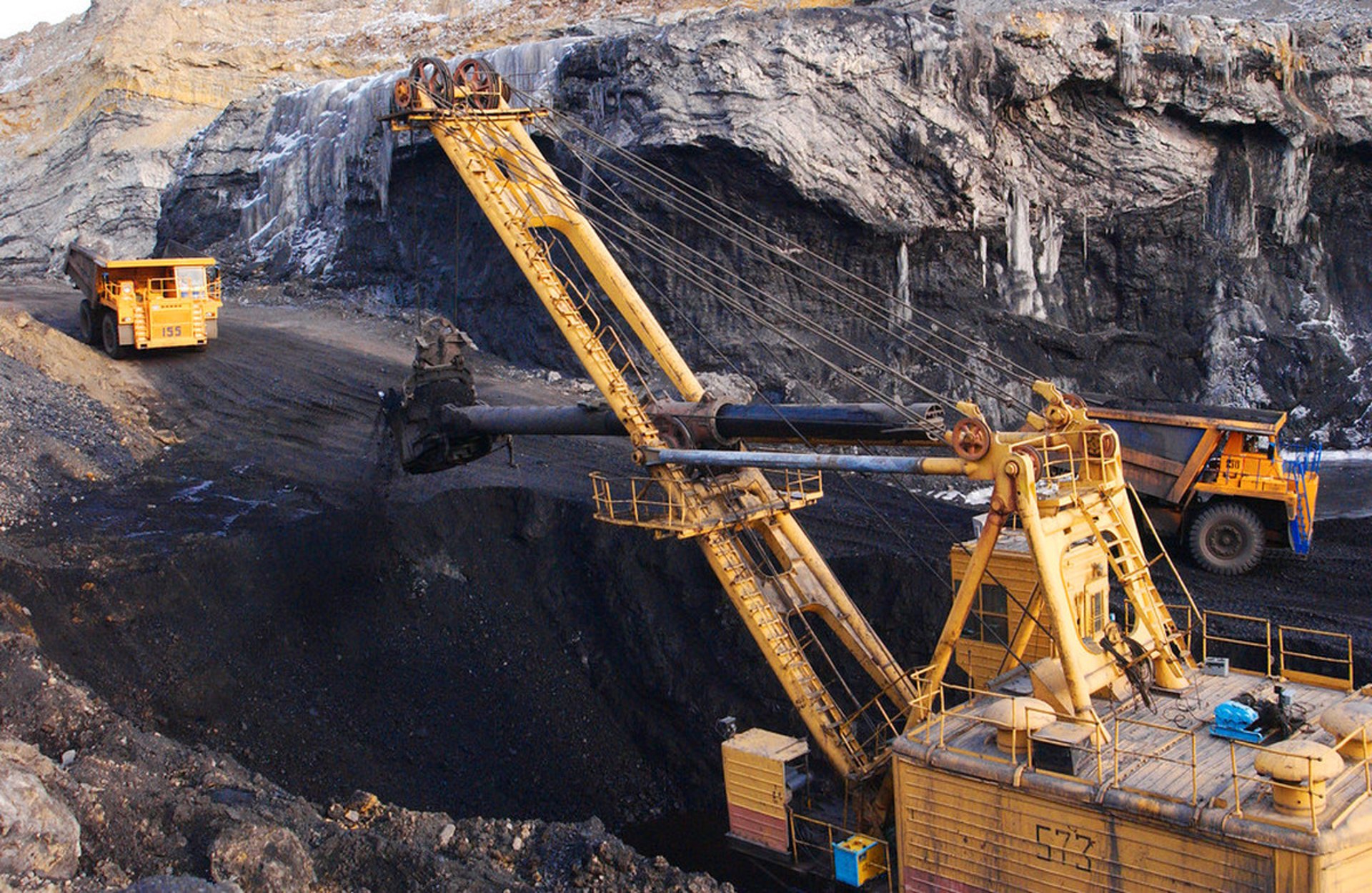
The primary application of PROTOMONT Festoon NTSKCGECWOEU is as a power feeder cable in underground mines and tunnel construction sites, specifically used in festoon systems to supply power to mobile transformers and shiftable equipment units. In Indonesian mining projects, this type of cable is widely used in longwall mining faces, continuous mining operations, and tunnel boring machine systems, where equipment needs to move continuously over long distances.
The working environment it faces includes multiple harsh factors:
Mechanical stress: Repeated bending, continuous tension, frequent torsion, impact, and friction;
Electrical stress: High voltage, variable load, potential partial discharge, and short-circuit risks;
Environmental corrosion: High humidity, water immersion, acidic or alkaline dust, mineral oil, grease, and chemical vapors;
Atmospheric aging: Exposure to ozone, strong ultraviolet radiation, and extreme temperature changes, even in underground or semi-open spaces.
Ordinary cables fail quickly under such combined conditions, while PROTOMONT Festoon NTSKCGECWOEU is designed exactly to operate stably in this environment for a long time.
Core Design Philosophy: Built on Three Scientific Disciplines
What makes PROTOMONT Festoon NTSKCGECWOEU fundamentally different from common cables is its design starting point. It is not designed based on standard specifications alone, but starts from the root causes of cable failure, and builds the entire product system based on three core scientific principles: material science, structural mechanics, and high-voltage technology.
Material Science: Molecular-Level Material Selection and Formulation
Every material used in this cable is carefully selected and specially formulated, based on a deep understanding of the damage mechanisms of polymers and metals in harsh environments. The core logic is that different parts of the cable face different types of damage—such as oxidation, corrosion, abrasion, aging, or electrical breakdown—and each material is chosen or modified to resist these specific threats. For example, materials in contact with the external environment must have high chemical stability and wear resistance; materials used for insulation must have excellent dielectric properties and anti-aging performance; and conductor materials need to balance conductivity, flexibility, and corrosion resistance. This targeted material application greatly improves the overall durability of the product.
Structural Mechanics: Stress Distribution and Force Control
In dynamic applications, the main cause of cable damage is mechanical fatigue and stress concentration. The structural design of this cable follows the principles of structural mechanics strictly. It distributes external forces such as tension, bending, and torsion reasonably among different components, avoiding any single part bearing all the load. By optimizing the stranding structure, pitch length, and component layout, it reduces the stress value per unit area, changes the stress transmission path, and eliminates stress concentration points. This design philosophy effectively extends the fatigue life of the cable from thousands of bending cycles to more than one hundred thousand cycles.
High-Voltage Technology: Electric Field Control and Insulation Reliability
For medium-voltage cables, insulation breakdown and aging caused by uneven electric fields are the main electrical failure modes. The design of PROTOMONT Festoon NTSKCGECWOEU introduces high-voltage engineering principles, focusing on the uniform distribution of the electric field inside the cable. By using semi-conductive shielding layers and precise material matching, it eliminates electric field distortion and partial discharge, fundamentally preventing the formation of electrical treeing and water treeing inside the insulation, thereby ensuring long-term electrical reliability.
Through the integration of these three scientific systems, the cable successfully solves the core contradiction: it can maintain stable power supply performance while enduring millions of movements and the erosion of harsh environments, achieving a service life that is 3 to 5 times longer than ordinary products.
Detailed Structure and Material Analysis
To fully understand the performance advantages of this cable, it is necessary to analyze its structure layer by layer from the inside out, and clarify the function, material, and scientific principle behind each part. Every structural design and material choice has clear engineering logic and scientific basis.
Conductor Layer: Flexible and Anti-Corrosion Current Carrier
The innermost core component is the conductor, which adopts fine-stranded tinned copper conductors conforming to Class 5 standards (DIN VDE 0295 / IEC 60228). Unlike ordinary cables which use coarse single wires for stranding, the conductors here are composed of hundreds of ultra-thin copper wires with a diameter between 0.25 mm and 0.4 mm, and the surface of each single wire is coated with a uniform tin layer with a thickness of no less than 2 μm.
Why this design and material?
Mechanical principle: According to the theory of metal fatigue, the bending stress on a metal wire is directly proportional to its diameter. By using ultra-fine single wires, the bending stress borne by each wire is reduced by more than 75% compared with ordinary conductors, which increases the fatigue life by nearly 20 times. This is the key to ensuring that the conductor does not break or increase resistance after tens of thousands of bends.
Corrosion principle: In the high-humidity and chemically active environment of Indonesian mines, bare copper is prone to oxidation and electrochemical corrosion, and may also produce harmful substances through chemical reaction with rubber materials. The tin coating forms a stable protective layer, which not only isolates the contact between copper and the external environment, preventing corrosion, but also improves the bonding performance between the conductor and the insulating material, avoiding interface separation and partial discharge.
Electrical performance: High-purity copper with a purity of more than 99.95% ensures excellent conductivity, keeping the conductor resistance strictly within the standard range, such as 0.565 Ω/km for 35 mm² cross-section, effectively reducing power loss and heat generation.
Inner Semi-Conductive Shielding Layer: Uniform Electric Field Foundation
Extruded tightly on the outside of the conductor is an inner semi-conductive shielding layer with a thickness between 0.8 mm and 1.2 mm, made of specially formulated semi-conductive rubber based on EPR material, with a volume resistivity controlled below 100 Ω·cm.
Why this design and material?
Electric field theory: The surface of any stranded conductor is not absolutely smooth, and there are inevitable tiny protrusions and gaps. Under high voltage, these tiny uneven points will cause severe distortion of the electric field, forming high field strength areas, which is the root cause of partial discharge and early insulation aging. The semi-conductive layer forms an equipotential surface closely attached to the conductor, smoothing all uneven parts, making the electric field distribution uniform and stable, and eliminating the possibility of partial discharge from the source. This is the core technology to extend the insulation life.
Insulation Layer: High-Performance Dielectric Protection
The insulation layer is the most critical part to ensure electrical safety, using PROTOLON® 3G13, a proprietary EPR (Ethylene Propylene Rubber) compound developed for high-end cables. According to different voltage levels, the thickness is accurately controlled—for 6 kV grade, the thickness is about 2.0 mm, and the production process strictly controls no bubbles, no impurities, and no defects inside.
Why this design and material?
Dielectric science: EPR material has a saturated molecular structure, with a low dielectric constant between 2.3 and 2.5, high breakdown strength reaching more than 25 kV/mm, and extremely low dielectric loss factor (tanδ ≤ 0.001). These properties ensure that it can maintain stable insulation performance under high voltage, high temperature, and long-term operation conditions, and will not produce excessive heat or aging.
Chemical stability: The molecular structure of EPR does not contain unsaturated double bonds, which makes it have excellent resistance to ozone, ultraviolet radiation, acid and alkali corrosion, and water vapor penetration. It is especially suitable for the tropical climate conditions in Indonesia, where ordinary rubber materials will crack and age quickly.
Thermal principle: After special cross-linking treatment, EPR can work stably at a long-term temperature of 90°C. According to the Arrhenius equation of material aging, every 10°C increase in working temperature will shorten the material life by half. The high temperature resistance of PROTOLON® 3G13 ensures that the insulation life can reach more than 8 to 10 years, which is 4 to 5 times that of ordinary rubber insulation materials.
Outer Semi-Conductive Shielding Layer: Electric Field Transition and Monitoring Medium
Outside the insulation layer, there is an outer semi-conductive shielding layer composed of semi-conductive tape and semi-conductive rubber. This layer is designed to be easily strippable to facilitate on-site installation and termination work.
Why this design and material?
Field matching principle: There is a difference in dielectric constant between the insulation layer and the outer sheath material. Without transition, an uneven electric field will also be formed at this interface, leading to air gap discharge. The outer semi-conductive layer realizes the gradual transition of electrical parameters, eliminates the risk of discharge here, and further improves the electrical stability.
Monitoring function: Together with the inner semi-conductive layer and the conductor, it forms a complete capacitance structure. By detecting the change of capacitance value, the integrity of the insulation layer can be monitored in real time, which provides a technical basis for fault early warning and is of great significance for safety production in mines.
Control Cores, Earth and Monitoring System: Safety and Function Integration
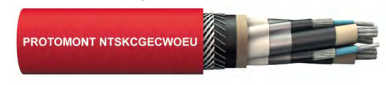
This cable adopts a composite core structure, including 3 power cores, 3 control cores (marked with blue color for easy identification), and a concentric grounding and monitoring system composed of copper wires. The control cores and grounding components are arranged in the gap positions of the power cores in a concentric stranding way, making full use of the internal space.
Why this design and material?
Safety principle: The continuous grounding system composed of soft copper wires covers the whole length of the cable, ensuring a reliable grounding path at any position. In case of insulation damage or fault, the fault current can be led into the ground within 0.1 seconds, effectively protecting equipment and personnel safety, and fully complying with the requirements of mining safety standards in Indonesia.
Space and structure optimization: Filling functional components in the gap does not increase the outer diameter of the cable, but also improves the roundness and structural stability of the whole cable, reduces the deformation during bending, and avoids the relative displacement and friction between internal cores.
Inner Sheath: Mechanical Buffer and Sealing Barrier
After all cores are cabled together, an inner sheath layer made of EPR GM1B material is extruded integrally, with a thickness between 1.5 mm and 2.0 mm, tightly wrapping all internal components.
Why this design and material?
Mechanical buffer: It absorbs the internal stress generated during bending and stretching, prevents hard friction and collision between different cores, and protects the insulation layer from mechanical damage.
Sealing principle: The dense and continuous structure forms an effective permeation barrier, blocking the invasion of external moisture, dust, and harmful gases, and creating a stable internal environment, which is crucial to prevent water tree aging and corrosion.
Reinforcement and Monitoring Layer: Dual-Function Protection
This layer is composed of semi-conductive tape and open-laid steel wire and copper wire mixed structure, which is a unique design of this product, integrating mechanical reinforcement and electrical monitoring functions into one.
Why this design and material?
Composite mechanics principle: High-strength steel wires bear about 40% of the total tensile force, so that the conductor only needs to undertake the task of transmitting current, rather than bearing mechanical load. This separation of functions greatly reduces the tensile stress borne by the conductor, and the maximum tensile strength of the whole cable reaches 15 N/mm², which is far higher than the standard requirements of ordinary cables.
Dual function: The semi-conductive tape and copper wire part maintain the continuity of the monitoring loop, realizing real-time detection of the cable health status while strengthening the mechanical performance.
Outer Sheath: The Ultimate Protection
The outermost layer, which directly contacts the external environment, is the most critical protective layer of the whole cable, made of PROTOFIRM® 5GM5, a special synthetic elastomer compound based on polychloroprene rubber (CR), and the standard color is bright red to improve visibility in underground environments.
Why this design and material?
Wear resistance mechanism: Through high-density cross-linking and carbon black reinforcement technology, the material forms a hard and wear-resistant surface structure, with an abrasion loss of less than 80 mm³, which is 4 to 6 times better than ordinary sheath materials. It can resist long-term sliding friction and scratch damage, and is suitable for dragging and moving use conditions.
Chemical resistance principle: Polychloroprene rubber has a special molecular polarity structure, which has a large difference in solubility parameters with mineral oil, grease, and most chemical substances. According to the principle of thermodynamic incompatibility, oil and chemicals cannot penetrate or swell the material, so it has excellent oil resistance and corrosion resistance, meeting the strict requirements of EN 60811 standard.
Weathering resistance: The chemical bonds inside the material have high energy and stability, can resist the degradation effect of ozone and ultraviolet radiation, and maintain physical and mechanical properties unchanged in high humidity and high temperature environments for a long time. It is very suitable for the tropical climate conditions in Indonesia.
Mechanical balance: It achieves a perfect balance between high elasticity and high strength, can recover quickly after bending and stretching without permanent deformation or cracking, and provides the most reliable protection for the internal structure.
Comparative Analysis: Why Ordinary Cables Fail and How This Model Solves Problems
To fully understand the value of PROTOMONT Festoon NTSKCGECWOEU, it is necessary to make a detailed comparison with ordinary cables or standard models, analyze the root causes of their failure in harsh environments, and explain how this new model overcomes these weaknesses through technical means.
Deficiencies and Failure Mechanisms of Ordinary Cables
In many Indonesian mining projects, engineering teams initially choose ordinary flexible cables or standard mining cables due to cost considerations. However, practice has proved that these products have obvious shortcomings when facing dynamic and harsh environments, and their failure modes are mainly reflected in the following aspects:
Conductor fatigue and breakage: Ordinary cables mostly use Class 2 or Class 6 conductors with relatively thick single wires. When subjected to repeated bending, the stress borne by each single wire is high, and it is very easy to exceed the yield strength of the material. After only 3,000 to 5,000 bending cycles, the conductor will break or the resistance will increase sharply, leading to overheating and burnout. This is the most common failure in festoon applications.
Insulation aging and breakdown: Most ordinary cables use common rubber or PVC materials, and do not have a double-layer semi-conductive shielding structure. The electric field inside is uneven, and partial discharge continues to occur during operation, leading to the formation of electrical treeing inside the insulation. Coupled with the erosion of moisture and chemicals, the insulation performance will decline rapidly, and breakdown accidents will occur in about 6 months to 1 year.
Outer sheath damage and water ingress: Ordinary sheath materials have poor wear resistance, oil resistance, and weather resistance. Under the action of friction, oil pollution, and high temperature and humidity, they will wear through, swell, soften, or crack quickly. Once the sheath is damaged, moisture and dust will enter the interior directly, causing a sharp drop in insulation resistance and leading to short-circuit faults.
Mechanical damage: Without special tensile components, all the tension is borne by the conductor and insulation layer. When the equipment moves or is pulled, the cable is easily stretched and thinned, or even broken directly. At the same time, due to the unstable structure, the core is easy to be misplaced when twisted, causing internal damage.
Lack of safety guarantee: Ordinary cables do not have an integrated monitoring system, and damage and faults cannot be detected in advance. They often fail suddenly, leading to production stoppages and safety accidents, which brings huge economic losses to mines.
The core problem of these ordinary cables is that they are designed based on fixed installation conditions or general environments, and do not consider the comprehensive effects of dynamic load and harsh environment at all.
Technical Solutions and Advantages of PROTOMONT Festoon NTSKCGECWOEU
PROTOMONT Festoon NTSKCGECWOEU aims exactly at these failure mechanisms, and uses targeted technical means to solve them one by one:
Against Mechanical Fatigue
Solution: Adopt Class 5 ultra-fine stranded conductor, optimize the stranding pitch to about 6 times the outer diameter, and add a high-strength steel wire reinforcement layer.
Engineering principle: The ultra-fine single wire reduces the bending stress to a safe range; the optimized pitch reduces the internal stress during torsion; the reinforcement layer shares more than 40% of the tension, realizing the separation of mechanical load and electrical load. These measures together increase the fatigue life to more than 100,000 cycles, reaching 20 times that of ordinary products.
Against Electrical Aging
Solution: Double-layer semi-conductive shielding structure + PROTOLON® 3G13 high-performance EPR insulation.
Scientific principle: The shielding layer eliminates electric field distortion and partial discharge, controlling the discharge volume below 5 pC, far lower than the safety threshold; EPR material has stable chemical properties and high temperature resistance, and its service life is 4 to 5 times that of ordinary rubber materials according to the aging kinetics formula. The insulation life can reach more than 8 years.
Against Environmental Damage
Solution: Use PROTOFIRM® 5GM5 special elastomer sheath, combined with multi-layer sealing structure.
Material science principle: The formula design of the sheath material aims at the harsh environment of mines, achieving high wear resistance, oil resistance, ozone resistance, and ultraviolet resistance at the same time. Its performance in tropical environments such as Indonesia is particularly prominent, and it will not age or crack for a long time. The multi-layer structure completely isolates the external environment, and the protection level reaches IP67.
Against Safety Risks
Solution: Integrated insulation monitoring loop + continuous coaxial grounding system.
System principle: Real-time monitoring of insulation integrity can find tiny damages of 1 mm level in time; the rapid grounding system ensures that faults are cleared instantly, which fully meets the strict requirements of Indonesian mining safety regulations and realizes essential safety.
Comprehensive Performance Comparison
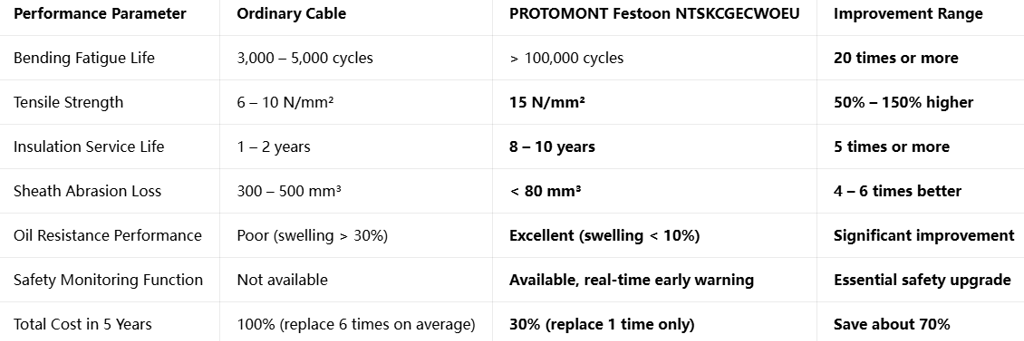
The following table summarizes the performance differences between PROTOMONT Festoon NTSKCGECWOEU and ordinary cables, clearly showing its comprehensive advantages:
From the comparison, it can be clearly seen that although the initial purchase price of this cable is higher than that of ordinary cables, its extremely long service life and high reliability greatly reduce the comprehensive cost of use, maintenance, and shutdown loss. It is a truly cost-effective choice.
Standards, Performance Advantages and Industry Status
Compliance and Certification
PROTOMONT Festoon NTSKCGECWOEU is developed and manufactured strictly according to DIN VDE 0250-813, the most authoritative German standard for mining flexible cables, which represents the highest level of global cable manufacturing technology. At the same time, it fully meets a series of international standards including IEC 60502, EN 60332-1-2 for flame resistance, and EN 60811-404 for oil resistance. It has obtained certifications from multiple countries and regions such as China MA, Poland WUG, and Russian GOST. These qualifications are recognized by mining safety authorities in Indonesia and are essential conditions for being allowed to be used in formal mining projects.
Summary of Core Performance Advantages
Through the above analysis, the core advantages of this cable can be summarized as follows:
Maintenance-free operation: With extremely high reliability and durability, it can run continuously for 2 to 3 years without maintenance or replacement, greatly reducing the workload and cost of on-site maintenance teams.
Ultra-long service life: The comprehensive performance is 3 to 5 times higher than that of ordinary products, and the service life in dynamic working conditions reaches the highest level in the industry.
High-level safety: Integrated monitoring, grounding, and flame-retardant design, which meets the most stringent safety standards and effectively protects personnel and equipment.
Wide environmental adaptability: It can be used indoors and outdoors without restriction, and performs well in high temperature, high humidity, cold, dry, and various corrosive environments, especially suitable for the climate characteristics of Indonesia.
Industry Benchmark Status
In the field of underground festoon cables, PROTOMONT Festoon NTSKCGECWOEU has long become the industry benchmark and reference standard. Whether it is product design, performance indicators, or quality standards, other similar products are compared with it. It has been successfully applied in thousands of mining and tunnel projects around the world, including many large-scale projects in Southeast Asia and Indonesia. Its reliability and stability have been fully verified by practice, and it is recognized as the only mature solution that can truly achieve maintenance-free, long-life, and high-safety operation.
Feichun Brand Version: Equivalent Alternative to European Brands
For a long time, European brands have occupied the high-end market of mining cables with their technical advantages, but they also have disadvantages such as high prices, long delivery cycles, and insufficient regional service capabilities. Feichun Cables, as a leading professional cable manufacturer, provides an excellent alternative solution: Feichun brand PROTOMONT Festoon NTSKCGECWOEU series cables, which have been widely recognized and applied in the Indonesian market.
Same Standard, Same Performance
Feichun’s version is designed and manufactured strictly following the technical specifications and requirements of DIN VDE 0250-813, completely consistent with the original European brand products in terms of product structure, material selection, and performance indicators.
Same materials: Use Class 5 tinned copper conductors, EPR insulation materials equivalent to PROTOLON® 3G13, and sheath materials equivalent to PROTOFIRM® 5GM5, with the same chemical formula and performance parameters;
Same performance: All electrical, mechanical, and environmental performance indicators are tested and verified according to the same standards, reaching a 1:1 equivalent level;
Same certification: It has obtained all required international certifications and meets the safety and quality requirements of the Indonesian market.
In engineering applications, Feichun products can be directly replaced with European brand products without any design or installation changes, ensuring the continuity and reliability of the project.
Unique Advantages for Indonesian Market
Compared with European brands, Feichun products have obvious advantages specifically for the Indonesian market:
Geographical and delivery advantage: Feichun’s production base is located in China, which is geographically close to Indonesia, with convenient transportation and short logistics cycles. The delivery time is usually 2 to 4 weeks, while European brands often take 8 to 16 weeks. For mining projects with tight schedules and urgent demand, this fast delivery capability is crucial to ensure the construction period.
Significant price advantage: While ensuring the same quality and performance, Feichun optimizes the supply chain and manufacturing cost, and the product price is 25% to 40% lower than that of European brands. This greatly reduces the initial investment cost of the project and improves the economic benefit.
Localized service and support: Feichun has a complete service system and inventory layout in Southeast Asia, which can provide fast technical consultation, product supply, and after-sales service, solving the problem of slow response from European brands in the region.
Customization capability: It can provide targeted improvement and customization according to the special needs of Indonesian projects or specific environmental conditions, making the product more suitable for local application scenarios.
For engineering teams and procurement personnel in Indonesia, Feichun PROTOMONT Festoon NTSKCGECWOEU is a high-quality choice that obtains European-level quality, enjoys faster delivery and better price, and is perfectly suitable for local projects.
Selection Guide and Configuration Suggestions
Correct selection and configuration are the prerequisites for giving full play to the performance of the cable. According to the technical specifications and application experience, the following guidance is provided for engineering reference.
How to Choose the Right Specification
Determine the cross-section according to load and conditions: The core basis for selection is the working current of the equipment, combined with factors such as voltage drop requirements, laying distance, and ambient temperature. At the same time, the thermal stability under short-circuit conditions must be verified to ensure safety.
Example: For a mobile transformer with a capacity of 1000 kVA, the rated current is about 96 A. Considering the ambient temperature and working system, choosing a specification of 35 mm² (rated current 162 A) or 50 mm² (rated current 202 A) can provide sufficient margin and reliability.
Special working condition reinforcement:
For occasions with particularly severe wear and tear, you can choose a version with increased sheath thickness (plus 0.5 mm);
For working conditions with frequent torsion, choose an enhanced anti-torsion version with an additional polyester braided layer inside;
For low-temperature environments, choose a special low-temperature formula to ensure flexibility at -40°C.
Reasonable length design: The total length of the festoon system should include the working stroke plus 10% to 15% of the slack amount to avoid excessive tension during movement and ensure that the cable is not subjected to excessive mechanical load.
Installation and Use Suggestions
Control bending radius: The minimum bending radius should not be less than 6 times the outer diameter when fixed, and not less than 10 times the outer diameter when moving. Excessive bending will cause internal stress concentration and shorten the service life.
Limit tensile force: Ensure that the cable is not subjected to tension exceeding 15 N/mm² during operation, and strictly prohibit dragging or pulling the cable by mechanical equipment.
Follow the specifications: Installation and termination must be carried out in accordance with the standard process to avoid damage to the structure or insulation performance degradation caused by improper operation.
Frequently Asked Questions
Q: Is this cable suitable for Indonesia’s hot, humid and rainy climate?
A: Yes. The product is designed for harsh environments, with a rated working temperature range of -25°C to +60°C in dynamic conditions, and has excellent resistance to humidity, ozone, ultraviolet radiation, and mold. It has been widely used in mines in Sumatra, Kalimantan, and other places for a long time, and its performance is fully adapted to the local tropical climate.
Q: How long is the actual service life?
A: Under normal use conditions, it can operate continuously for 2 to 3 years without replacement; in static or light-load environments, the service life can reach more than 8 to 10 years. It is 3 to 5 times longer than ordinary cables, greatly reducing maintenance and replacement costs.
Q: Does it comply with Indonesian mining safety regulations?
A: Fully compliant. The product meets international standards recognized by Indonesian safety authorities, including flame resistance, insulation safety, and grounding requirements. It has complete certification documents and is eligible for use in various levels of mining projects.
Q: Can Feichun products completely replace European brands?
A: 100% interchangeable. Feichun’s products are manufactured according to the same standards, materials, and processes, with consistent dimensions and performance. They can be directly replaced without any modification or adjustment.
Q: How long is the delivery time to Indonesia?
A: Conventional specifications usually take only 2 to 4 weeks from order to delivery to the port, and there are spot inventories for common specifications to meet urgent needs, which is much faster than the delivery cycle of European brands.
Conclusion
PROTOMONT Festoon NTSKCGECWOEU is not just a power cable, but a complete power supply solution designed for dynamic and harsh environments. It breaks through the limitations of traditional products, starting from the root cause of failure, and integrates the principles of material science, structural mechanics, and high-voltage technology into every detail of the design and manufacturing. It perfectly solves the core contradiction of ensuring reliable power supply and long life under frequent movement and harsh conditions, and has become the industry benchmark in underground festoon applications.
Its performance advantages in durability, safety, and environmental adaptability have been fully verified in a large number of projects in Indonesia and around the world. Especially the Feichun brand version, while maintaining the same high quality as European brands, provides more competitive prices and faster delivery services, which is very suitable for the development needs of the Indonesian mining and construction industry.
If you are planning or implementing mining or tunnel projects in Indonesia and need reliable, durable, and cost-effective festoon cable solutions, or want to obtain more detailed technical data, selection suggestions, and quotation information, please contact the Feichun professional team.
📧 Contact: Li.wang@feichuncables.com
We provide full technical support, free project consultation, customized design, and fast delivery services to all regions in Indonesia, helping your project run safely, smoothly, and efficiently.
Feichun Cable
Durable mining cables for tough environments and operations
Email: Tech@feichuncables.com
© 2025. All rights reserved.
Company
Products
Contact
WhatsApp: +86 13855123218