Anhui Feichun Special Cable Co.,Ltd


Why the 2YSLGCGÖU Signal Control Cable Is Extremely Important for Indonesia’s Rapidly Growing Nickel and Coal Mining
Why is the 2YSLGCGÖU cable essential for booming nickel and coal mines in Indonesia in 2026? Learn deeply about instrumentation & signal control cable applications in extreme tropical environments, VDE 0250‑812 technical characteristics, full technical requirements, and practical selection recommendations for automation conveyors, PLC/SCADA, and mine safety. A reliable solution from Feichun for cable dealers, procurement decision makers, mining engineers, and cable technicians in Indonesia.
Li Wang
3/26/20264 min read
Introduction
Indonesia’s mining industry in 2026 remains a pillar of the national economy. Indonesia is the world’s largest nickel producer with a global market share of approximately 60–65%. Even though the nickel ore quota (RKAB) was reduced to about 250–260 million wet tons to stabilize prices, production remains massive in Sulawesi and East Kalimantan. Meanwhile, PT Bukit Asam Tbk (PTBA) has just received approval for a coal production quota of 53.2 million tons for 2026 – the highest among state‑owned coal miners. Open‑pit mines of increasing scale are rapidly undergoing digital transformation. Autonomous mining, real‑time SCADA systems, IoT sensors, and artificial intelligence have become essential to improve efficiency, safety, and ESG compliance. Behind all these technological advancements lies a “nervous system” that is often overlooked yet crucial: instrumentation & signal control cables.
One of the most outstanding and proven models in Indonesian mine environments is the 2YSLGCGÖU cable according to VDE 0250‑812 standards. This cable is not just an ordinary electrical conductor; it is a precision‑engineered solution specifically designed to ensure signal integrity amid extreme electromagnetic interference (EMI), tropical humidity, dust, and chemical corrosion. This article will explain in depth why this type of cable is a must in Indonesian nickel and coal mines, including technical requirements and practical selection recommendations for cable dealers, procurement managers, mining engineers, and technicians.
Extreme Environmental Challenges in Indonesian Mines That Cause Standard Cables to Fail
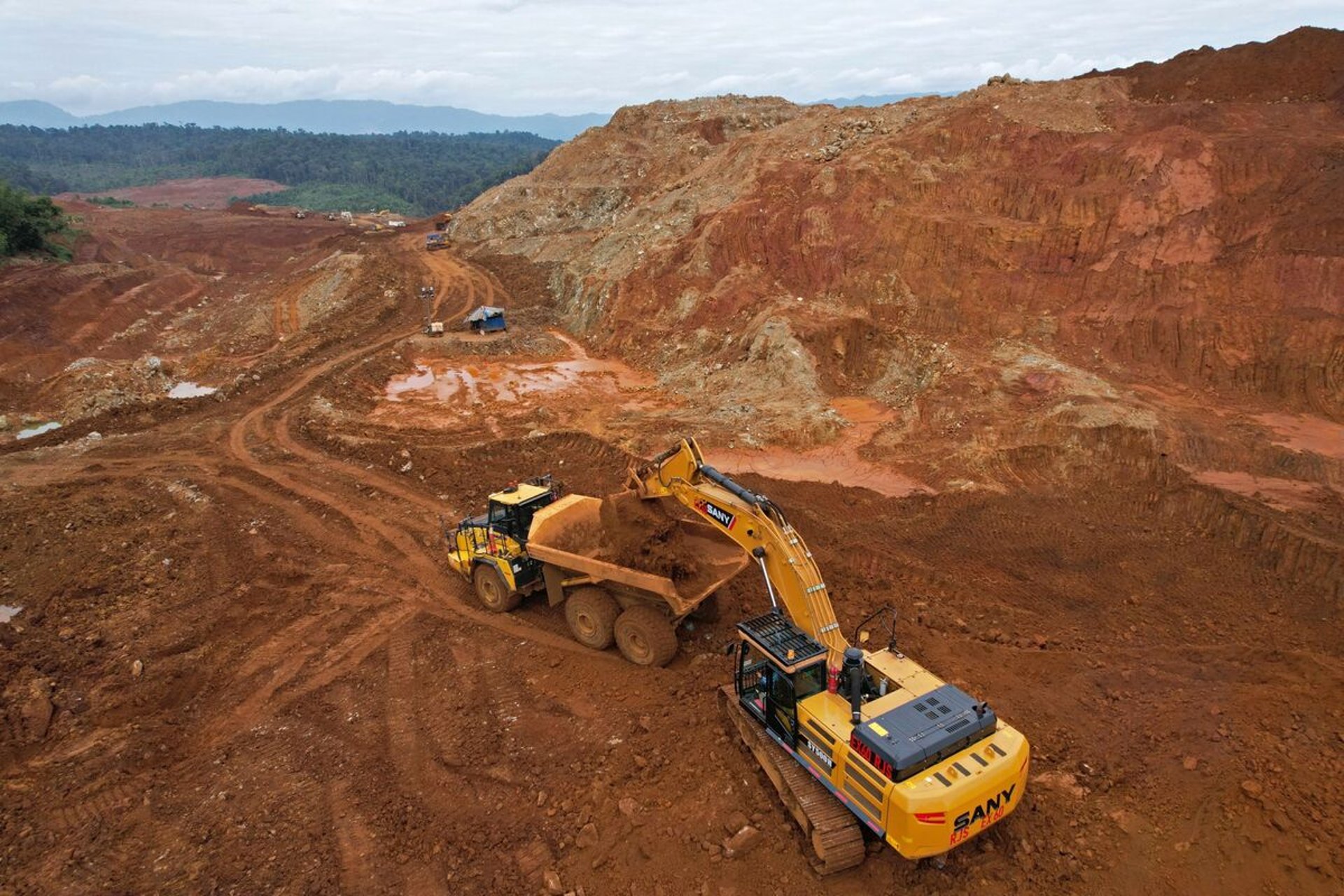
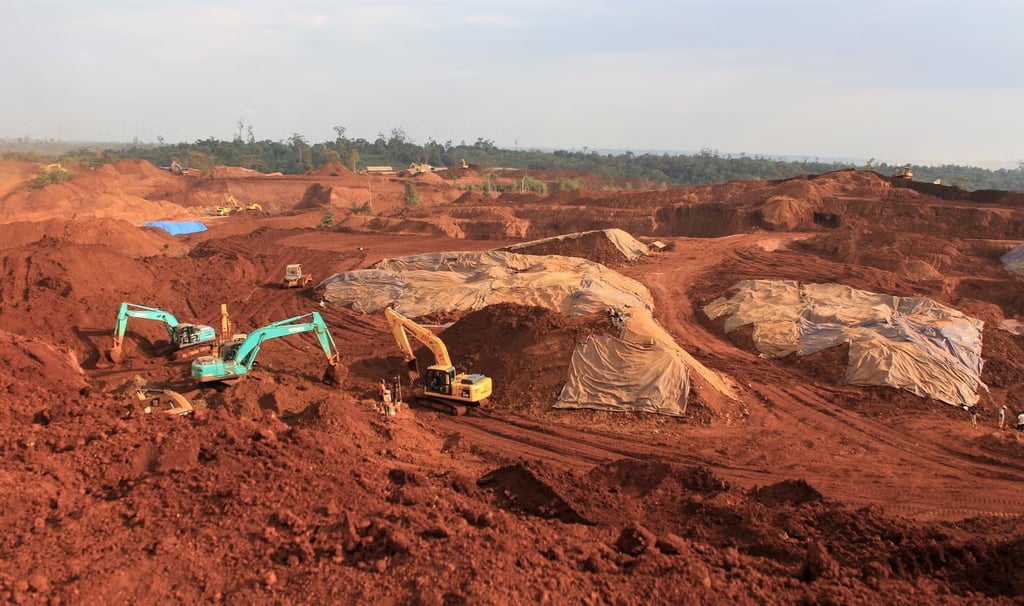
Nickel mines in Central Sulawesi and coal mines in East Kalimantan have extremely harsh conditions. Daytime temperatures often reach 35–40°C with relative humidity above 85%, intense UV radiation, and heavy rain that causes acidic water pooling. Abrasive and corrosive nickel ore dust continuously adheres to equipment. Meanwhile, heavy machinery such as excavators, haul trucks, and variable frequency drives (VFDs) generate very strong EMI/RFI. Analog 4‑20 mA signals or fieldbus protocols (Profibus, Profinet, DeviceNet) transmitted over hundreds of meters can experience distortion, noise, or even total loss. As a result, using standard control cables (not specialized instrumentation types) presents very real risks:
Conveyor system failure → massive production stoppage
PLC or SCADA downtime → loss of process control and real‑time data
Slope monitoring failure → risk of fatal landslides
Financial losses of millions of dollars per day due to downtime
Indonesian regulations are increasingly strict. All industrial cables must meet the Indonesian National Standard (SNI) and IEC references. Ordinary cables are insufficient; products certified to VDE 0250‑812 and adaptive to tropical conditions are required.
Technical Superior Characteristics of 2YSLGCGÖU Cable (VDE 0250‑812)
The 2YSLGCGÖU cable is specifically designed for mining control systems according to VDE 0250 Part 812. Its construction and performance details are:
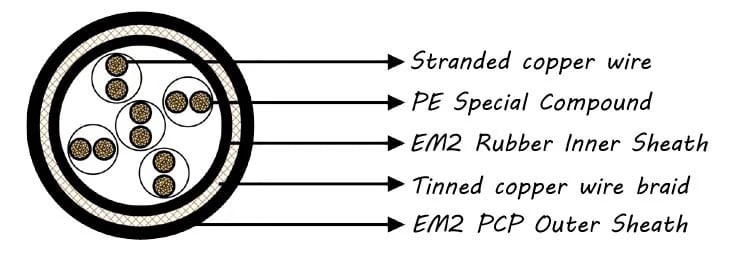
Conductor: Flexible Class 5 tinned pure copper (DIN VDE 0295). High flexibility eases installation in vibrating and moving mine areas.
Structure: Twisted pair arrangement – 2×2, 5×2, 10×2, or 20×2 – with non‑hygroscopic fillers, significantly reducing crosstalk.
Shielding: Tinned copper braid with ≥85% coverage. Provides superior EMI/RFI protection in mining environments.
Insulation: Type 2YI1 polyethylene (PE) with low dielectric constant (≈2.3). Moisture‑resistant, chemical‑resistant, and dimensionally stable.
Jacket: Dual‑layer CM type EM2 (chlorinated polyethylene). Resistant to oil, acids, alkali, UV, and chemical corrosion.
Key Electrical Specifications:
Operating voltage: 300 V AC/DC
Test voltage: 2000 V (5 minutes)
Conductor resistance: ≤18.1 Ω/km (20°C)
Insulation resistance: ≥100 MΩ·km
Capacitance: ≤150 pF/m (pair to screen)
Environmental Adaptation:
Operating temperature: –30°C to +70°C
Installation temperature: –5°C to +50°C
Minimum bending radius: 6 × outer diameter
Superior EMC/EMI resistance
Compared with ordinary control cables (which usually have only thin shielding foil or none), 2YSLGCGÖU is engineered for mining automation, making it the primary choice.
Practical Applications of 2YSLGCGÖU Cable in Indonesian Nickel & Coal Mines
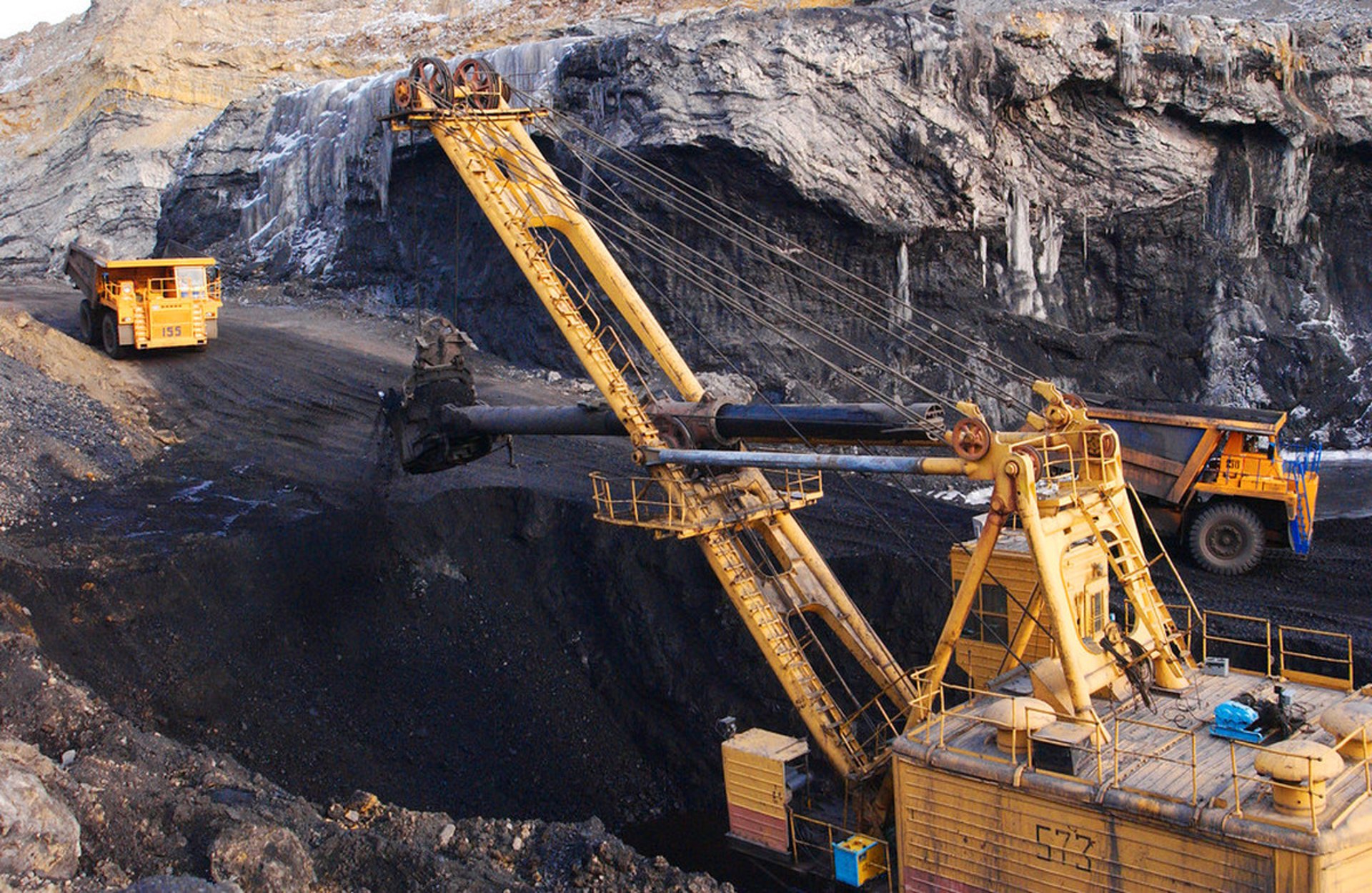
This cable is installed along conveyor belts, near heavy machinery, and in control rooms. Primary applications include:
Conveyor belt system monitoring & control
Material handling automation
Connection of temperature, pressure, level sensors (4‑20 mA)
PLC/SCADA interconnection and fieldbus communications (Profibus, DeviceNet, CANbus, Profinet)
Process data acquisition and automation control units
Slope monitoring (e.g., Leica systems)
In Bukit Asam mines and major nickel projects in Sulawesi, similar cables have supported autonomous hauling and predictive maintenance. Results show downtime reduced by 30–40% and safety significantly improved.
Why the 2YSLGCGÖU Cable Is Critical for Safety, Efficiency & Digital Transformation
Without quality instrumentation cables, the entire automation investment is wasted. Faulty signals cause PLC misreads, sudden conveyor stops, or slope monitoring failures. The 2YSLGCGÖU cable ensures:
Signal integrity over hundreds of meters without attenuation
Superior EMI protection from VFDs and heavy machinery
Resistance to Indonesia’s tropical environment (UV, humidity, corrosion)
Compliance with SNI + IEC (equivalent to BS EN 50288, UL 2464)
Leading suppliers such as Prysmian have supplied similar control cables to PT Bukit Asam, proving European cable reliability in Indonesian mines. Feichun, as a specialist mining cable manufacturer, has also optimized this series specifically for Southeast Asian conditions.
Technical Requirements & Practical Selection Recommendations (With 2YSLGCGÖU Examples)
Mandatory Technical Requirements (based on VDE 0250‑812 and Indonesian mining conditions):
Voltage & temperature: ≤300 V, –30°C ~ +70°C (extra UV & tropical humidity conditions).
Shielding & EMC: copper braid ≥85%, twisted pairs, capacitance ≤150 pF/m for long‑distance transmission.
Mechanical & chemical: Class 5 flexible, EM2 jacket resistant to UV/oil, bending radius ≥6×OD, minimum 300 mm distance from power cables.
Certification: VDE 0250‑812 + SNI/IEC (MSHA equivalent recommended for mine safety).
Configuration: choose number of pairs as needed with 20% spare capacity.
Step‑by‑Step Selection Recommendations for Indonesian Mines:
Assess needs – Simple sensor loops: 2×2×1 mm²; PLC multi‑channel: 5×2 or 10×2×1 mm²; high‑density SCADA: 20×2×1 mm².
Match environment – Choose dual EM2 jackets (UV & oil resistant). For drag chain areas or underground, verify extra flexibility.
Installation guidance – Shield grounding: single‑end or double‑end per protocol; avoid parallel routing with power cables; use tinned conductors to prevent oxidation in rainy season; respect bending radius 6×OD.
Procurement & compliance – Require full VDE test reports; ensure local SNI conformity declaration; consult Feichun or authorized distributor for custom options (keep 20% spare stock).
Optional upgrades – Add armour for increased fire resistance; hybrid fiber optic for transmissions >500 m.
The 2YSLGCGÖU cable is the top choice for open‑pit Indonesian mines because it directly addresses EMI, wet heat, and signal reliability challenges.
Conclusion
The 2YSLGCGÖU cable is not just a component; it is a strategic investment that determines the success of autonomous mining, employee safety, and profitability of Indonesia’s nickel and coal mines in the 2026 era. With strict production quotas and rising digitalization demands, choosing the right instrumentation cable distinguishes efficient mines from those frequently facing downtime. For cable dealers, procurement managers, mining engineers, and technicians: do not hesitate to contact Feichun Cables or local distributors. They can provide competitive pricing, free technical samples, and full project consultation tailored to your mine’s geological report. Ensure your automation project runs safely, reliably, and in compliance with regulations.
Feichun Cable
Durable mining cables for tough environments and operations
Email: Li.wang@feichuncables.com
© 2025. All rights reserved.
Company
Products
Contact
WhatsApp: +86 17333223430