Anhui Feichun Special Cable Co.,Ltd


Why NTSWOEU Cable Is Widely Used in Indonesia — In‑Depth Analysis on Applications, SNI Standards, and Durability in Tropical Environments
Discover why the NTSWOEU 0.6/1 kV cable from Feichun becomes the superior choice in Indonesia for industrial, mining, and port applications. Detailed analysis of mechanical durability, tropical environmental protection, compliance with the Indonesian National Standard (SNI), and technical requirements for mobile machinery & moving equipment.
Li Wang
3/19/20264 min read
Introduction:
In the era of industrial automation and mining development in Indonesia, the demand for electrical cables with high mechanical performance, superior flexibility, and resilience against extreme environments is rapidly increasing. The Feichun NTSWOEU 0.6/1 kV cable is engineered not only as a power conductor but also as a critical component capable of operating in tropical environments with high humidity, elevated temperatures, and severe mechanical loads. This cable is widely selected by mining engineers, industrial contractors, and corporate purchasers seeking performance beyond conventional power cables.
What Is NTSWOEU 0.6/1 kV Cable?
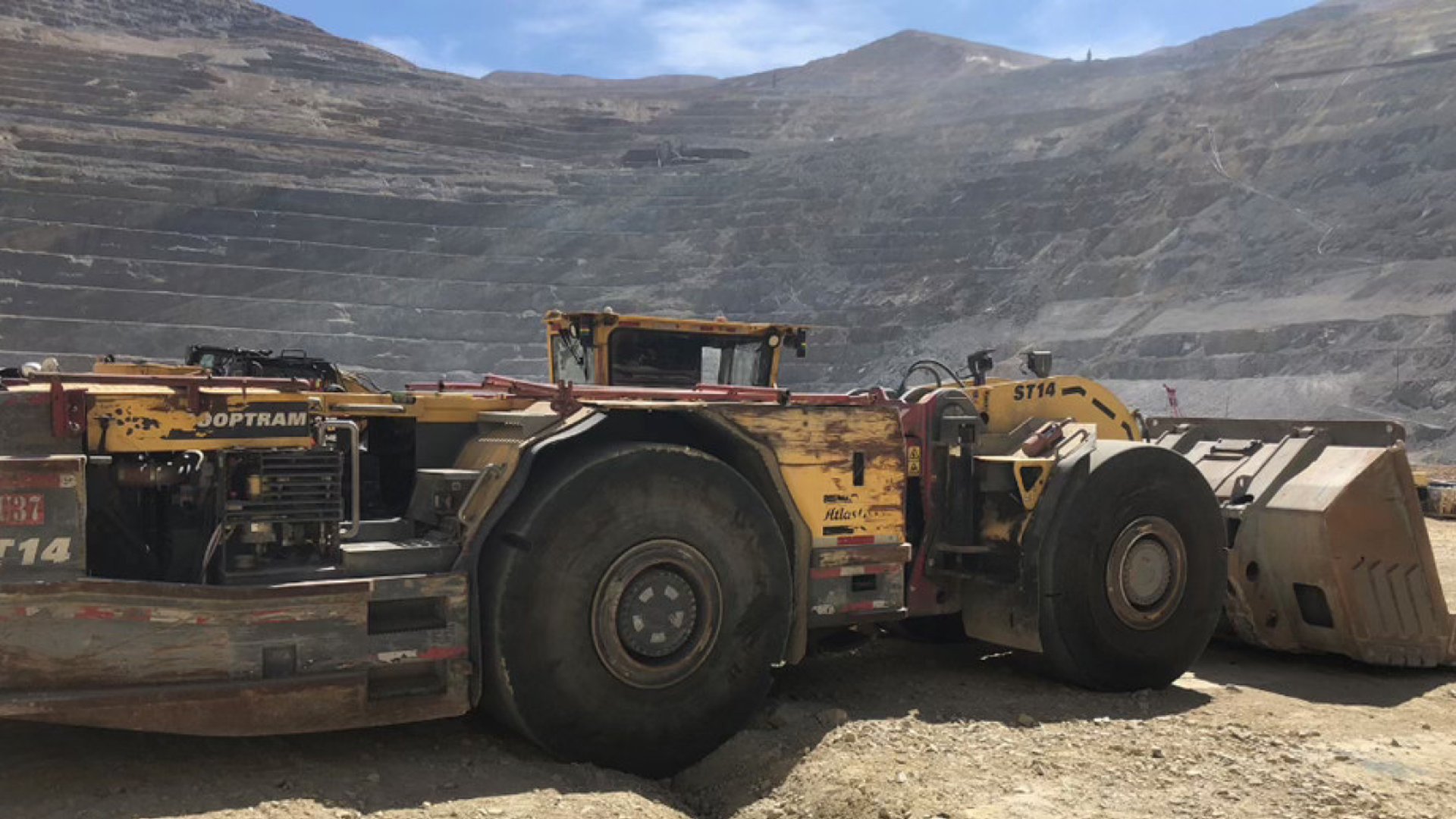
The NTSWOEU cable (rated 0.6/1 kV) is a specialized cable designed for heavy‑duty applications in industrial environments, mobile equipment, and reeling applications such as LHD vehicles, continuous miners, or dynamic conveyor systems. The design integrates advanced insulation technology, a flexible conductor, and superior mechanical protection.
Key Features Include:
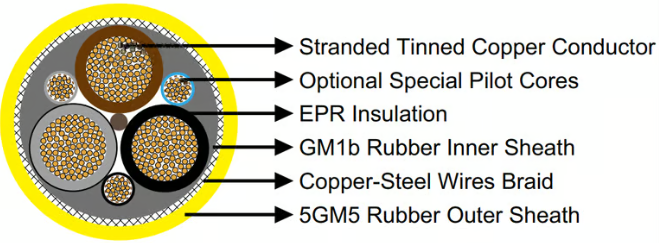
EPR (Ethylene Propylene Rubber) insulation — resistant to heat, humidity, and industrial chemicals
Copper‑Steel armouring — high tensile strength with effective grounding capability
Abrasion/tear‑resistant outer sheath — also oil‑resistant and suitable for heavy field applications
Wide operating temperature range — accommodates environments from low to high temperatures
Overall design provides excellent protection against bending, tearing, abrasion, and tensile stress under heavy work conditions.
NTSWOEU 0.6/1 kV Material Structure & Specifications — Addressing Extreme Application Challenges
Ultra‑Flexible Conductor
Made from tinned copper Class 6 flexible strand per DIN VDE 0295
Allows the cable to withstand repeated flexing without deformation or breakage
Benefit: High conductor flexibility is critical when cables are frequently moved, flexed, or reeled, such as in mobile mining equipment or reeling systems.
EPR Insulation (Ethylene Propylene Rubber)
Synthetic rubber insulation providing high thermal and electrical resistance
Also resistant to industrial chemical exposure
Typical operating temperature range: −40 °C to +90 °C or higher (depending on specification)
Relevance to Indonesia:
Tropical conditions with high humidity and temperatures above 30 °C present significant challenges for cables designed for dry or moderate climates. EPR insulation increases safety margins against dielectric breakdown and material degradation.
Copper‑Alloy Steel Armouring System
Uses concentric copper‑steel composite armour
Provides mechanical protection against tensile forces and external loads
Also functions effectively as a grounding conductor
Advantage: Essential in mining applications in Indonesia that involve heavy pulling forces, abrasive surfaces, or equipment shock.
5GM5 Outer Sheath — Abrasion & Chemical Resistance
Outer sheath compound is chlorinated rubber type 5GM5, known for:
Abrasion resistance
Tear resistance
Oil and gasoline resistance
The sheath is also flame‑retardant, enhancing safety in industrial and mining workplaces.
SNI Compliance for Power Cables in Indonesia
Before discussing NTSWOEU compliance, it’s important to understand:
Indonesian National Standard (SNI)
SNI is mandatory for cables marketed in Indonesia, including imported products
Certification ensures electrical safety and consumer protection
For power cables up to 1 kV, SNI refers to IEC 60502‑1 requirements
Certification processes cover electrical performance, insulation strength, and mechanical parameters — especially for cables installed in heavy‑duty industrial environments
As an industrial cable with EPR insulation for 0.6/1 kV systems, NTSWOEU may be classified under SNI IEC 60502‑1, provided that technical documentation, testing, and certification are officially completed in Indonesia before marketing and use.
Durability of NTSWOEU in Tropical Indonesia
Indonesia’s tropical climate has unique environmental characteristics:
High humidity
Surface temperatures frequently reaching 30 °C–40 °C
Strong solar radiation exposure
Intense seasonal rainfall
These conditions create challenges such as:
Insulation degradation due to heat/UV
Performance loss from high humidity
Corrosion of metallic components if not well protected
Performance in Tropical Environmental Tests:
The combination of EPR insulation and abrasion‑resistant outer sheath yields:
✔ Enhanced thermal stability — beneficial in high‑temperature conditions
✔ Resistance to moisture and corrosive substances in tropical work environments
✔ Better resistance to issues like fungus or microorganism growth common in humid areas
Overall, this cable type significantly outperforms traditional PVC‑insulated cables in long‑term tropical durability — a major advantage for industrial and mining environments in Indonesia.
Flexibility & Bending Durability
One main reason the NTSWOEU cable is chosen in heavy industries is its very high bending resilience, suitable for applications involving frequent coiling, bending, or relocation. The typical minimum bending radius is 20× the cable diameter, ensuring higher work cycles without internal damage.
Suitable scenarios include:
Reel systems for mining vehicles
Power feeding for moving machinery
Dynamic use on cranes or conveyors
This makes it far superior to ordinary stationary power cables in heavy mechanical environments.
Safety & Compliance for Industrial/Port/Mining Use
In heavy industrial, port, and mining zones in Indonesia, cables must meet key safety aspects such as:
Abrasion & Impact Protection
NTSWOEU’s copper‑steel armor and outer 5GM5 sheath withstand much higher mechanical stress than non‑armored cables.
Fire Resistance
Flame‑retardant outer sheath reduces fire propagation risk in high‑fire‑risk industrial zones such as machinery areas and industrial junctions.
Grounding Integrity
The copper armor also serves as an effective grounding conductor — critical for large industrial facilities operating at higher voltages.
With these combined features, the NTSWOEU cable can meet safety needs in port and heavy mining applications, provided that installation and technical audits follow local safety standards.
Comparison With Standard Industrial Cables in Indonesia
Generally, industrial cables in Indonesia that meet SNI (e.g., armored NYY‑type industrial power cables) tend to:
✔ Serve low‑ to medium‑voltage power distribution (0.6/1 kV)
✔ Have lower flexibility due to PVC insulation and simpler armour structure
Conversely, NTSWOEU offers much higher flexibility, mechanical strength, and insulation resilience, making it superior for heavy applications such as underground mining and mobile machinery.
Technical Guidance & Installation Recommendations
To optimize NTSWOEU performance in Indonesian environments:
Ensure SNI certification (IEC 60502‑1) via accredited laboratories to meet national regulations
Use additional protective systems like trays or supplementary armour in highly abrasive areas
Check compatibility with local grounding systems and implement overcurrent protection per Indonesian electrical standards.
Conclusion
The Feichun NTSWOEU 0.6/1 kV cable is a modern, high‑performance cable solution that excels in:
✔ Extreme mechanical durability and high flexibility
✔ Insulation protection against high temperatures, humidity, and heavy industrial environments
✔ Strong armouring suitable for moving loads and dynamic applications
✔ Technical advantages for use in tropical Indonesian conditions
✔ Significant potential to meet the needs of ports, mining, and heavy industries
However, compliance with Indonesia’s SNI standards remains mandatory for legal marketing and industrial use domestically. The product must be tested and certified according to relevant national standards before local distribution.
Feichun Cable
Durable mining cables for tough environments and operations
Email: Li.wang@feichuncables.com
© 2025. All rights reserved.
Company
Products
Contact
WhatsApp: +86 17333223430
Social Media: