Anhui Feichun Special Cable Co.,Ltd


Why N2XSY XLPE PVC‑18/30(36)kV Cable Has Become the Primary Choice for Outdoor Medium Voltage (MV) Distribution in Indonesia’s Tropical Climate
This article explains in detail the challenges of Indonesia’s tropical climate, the requirements of SNI IEC 60502‑2 standards, the technical characteristics of N2XSY cable, the advantages of XLPE and PVC materials, and engineering and installation guidelines to ensure optimal cable performance in extreme conditions.
Li Wang
3/20/20264 min read
Introduction: Strengthening Indonesia’s Energy Future in Extreme Climate
Indonesia has one of the most challenging tropical environments in the world. With air temperatures that frequently exceed 30 °C, high monsoon rainfall year‑round, humidity approaching 100 %, and very strong equatorial UV radiation, these conditions are a severe test for medium voltage cables.
Under these conditions:
Standard cables often soften, develop cracks due to UV exposure, absorb moisture, and experience insulation performance decline.
Preventing cable failures becomes critical for supply reliability, installation safety, and operational efficiency.
This article focuses on how the N2XSY XLPE PVC‑18/30(36)kV cable is uniquely engineered to withstand these extreme conditions and meets Indonesian National Standard (SNI IEC 60502‑2), making it suitable for direct burial, outdoor, and industrial applications in Indonesia.
The Challenge of MV Cables in Indonesia: Tropical Realities That Test Performance
High Ambient Temperatures & Conductor Operating Limits
Indonesia frequently experiences ambient temperatures exceeding 30 °C, and even above 40 °C in some areas. These conditions cause:
Increased conductor resistance
Higher cable operating temperatures
Potential insulation degradation
Medium voltage cables not designed for conductor operating temperatures up to 90 °C will suffer reduced service life and increased risk of failure.
Heavy Rainfall & 100 % Humidity
Intense rain and local flooding are common, especially during the monsoon season. High humidity increases the risk of:
Moisture‑induced electrical treeing
Water ingress into cable sheaths
Reduced dielectric performance
Intense UV Radiation
Located near the equator, Indonesia experiences extremely strong UV radiation. Without proper UV protection:
Polymer materials (PVC/rubber) can become brittle and crack
Outer layers undergo accelerated photo‑oxidative aging
Additional Factors: Acidic Soil, Flooding, and Lightning
Tropical environments also mean:
Acidic soil conditions in some locations
Seasonal flooding
Increased lightning‑induced transient overvoltages
All these demand cables with strong electrical and chemical resistance.
N2XSY Cable Anatomy: A Structure Suited for Indonesia
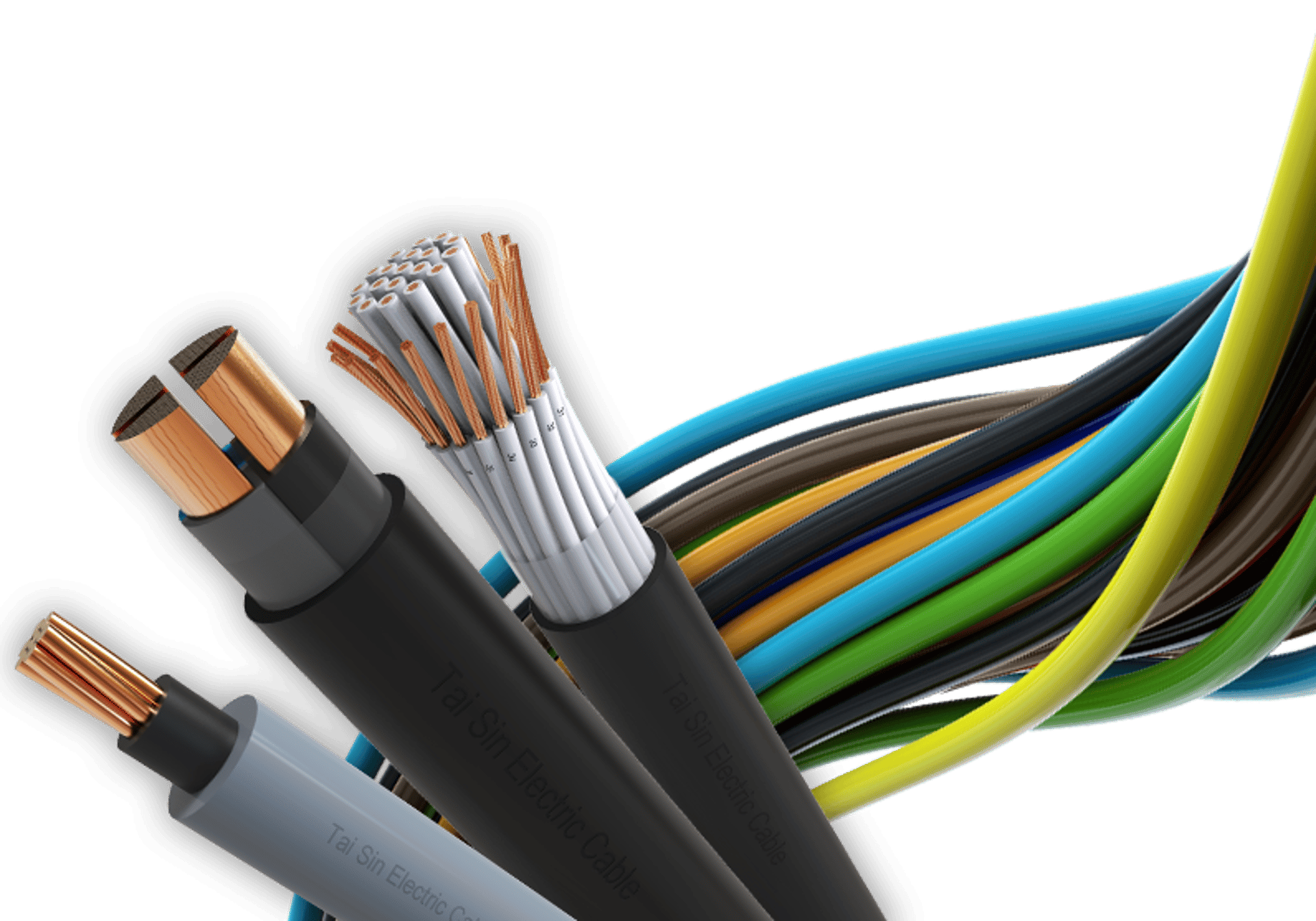
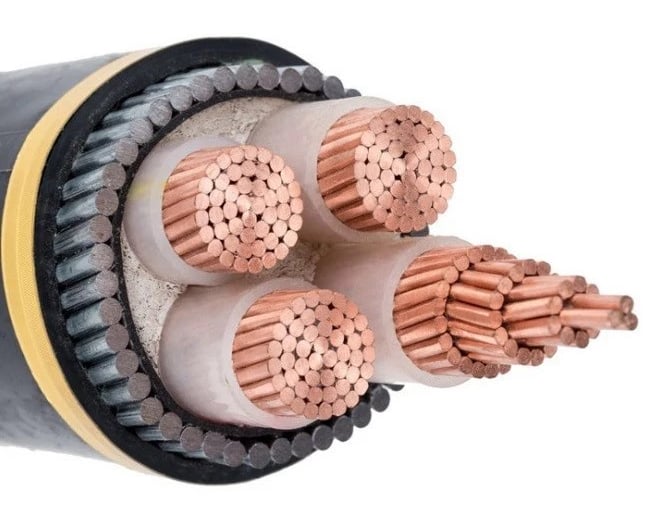
The N2XSY XLPE PVC‑18/30(36)kV cable has a construction designed to endure tropical climate challenges. Here are the key components and their functions:
Voltage Rating: U₀/U (Uₘ) 18/30(36)kV
This rating means the cable is designed for medium voltage distribution networks common in Indonesia (around 20–24 kV). The Um = 36 kV limit also provides a safety margin against overvoltages and transient surges.
Copper Conductor — Class 2 (Stranded Copper)
Stranded conductors provide high flexibility during installation
Low resistance reduces electrical losses
High‑quality copper resists corrosion
Conductor & Insulation Screen
Two layers of semi‑conductive screening play an important role to:
Maintain uniform electric field distribution
Reduce hot spots
Facilitate safer field jointing
XLPE Insulation (Cross‑Linked Polyethylene)
XLPE is a superior insulation material because it:
Can withstand conductor operating temperatures up to 90 °C
Has high dielectric strength with low dielectric losses
Does not easily absorb water
In Indonesia’s humid environment, this becomes a key advantage.
Copper Screen (Copper Wire + Helical Tape)
This combination:
Provides a safe return path in fault conditions
Increases short‑circuit current rating for large sizes (e.g., >100 kA/1 s)
UV‑Stabilized PVC Outer Sheath
PVC is selected because it:
Has strong mechanical properties
Offers UV protection through stabilizers
Is resistant to abrasion and impact
Is visible in red or black for easy field identification
Practical Sizes & Weight
These cables are available in sizes ranging from 50 mm² up to 800 mm², making them suitable for a wide variety of distribution needs in grid systems, industry, and power plants.
Compliance with Indonesian National Standard: SNI IEC 60502‑2
Compliance with standards is essential in Indonesia, especially for public and industrial distribution installations.
Legal Basis: SNI IEC 60502‑2
This standard is the mandatory adoption of IEC 60502‑2 and governs:
Conductor and insulation materials
Minimum insulation thickness
High voltage withstand testing
Screen construction and testing
N2XSY cables meet and even exceed key requirements of this standard.
Additional certifications relevant to these cables include:
IEC/EN 60332‑1‑2 (flame retardant — important for fire safety)
UV resistance — protects against equatorial sunlight degradation
With these certifications, N2XSY cable can:
Be accepted by PLN (Indonesian electric utility)
Be installed legally in infrastructure projects
Comply with insurance requirements
Material Science: Why XLPE & PVC Are Superior in Tropical Conditions
XLPE Insulation Advantages
XLPE excels because:
Cross‑linking improves thermal stability
It does not soften easily at 90 °C
It resists high humidity better than traditional PVC insulation (which peaks around ~70 °C)
Moisture Resistance & Electrical Treeing
XLPE is naturally hydrophobic, which means lower risk of water‑induced degradation. Strippable screening also reduces issues during jointing in wet environments.
PVC Sheath & UV Protection
UV‑stabilized PVC outer sheath means:
Less cracking under direct sunlight
Long‑term mechanical integrity against abrasion and impacts
Resistance to acidic soil conditions
Copper Screen & Fault Current Capability
The copper screen helps the cable handle:
High short‑circuit currents
Lightning surges
Safe grounding requirements
Real‑World Performance: Outdoor Installation in Indonesia
Direct Burial Without Ducting
These cables can be installed directly in the ground without protective conduits, ideal for both rural and urban distribution networks.
UV & Weather Resistance
UV‑stabilized PVC ensures the cable does not quickly crack even after decades of direct sun exposure.
Flame Retardancy
Critical in densely populated or industrial areas that are at risk of fire hazards.
Short‑Circuit & Overload Safety
With a 250 °C thermal rating under short‑circuit conditions, the cable remains safe even during high current stress.
Engineering Guidelines & Best Practices for Indonesian Engineers
To achieve peak performance, here are key considerations:
Cable Sizing
Use technical tables to calculate:
Resistance
Capacitance
Reactance
Charging current
Also apply derating factors for high ambient temperatures.
Minimum Bending Radius & Pulling
Minimum bending radius: ~15 × outer diameter
Avoid excessive pulling tension during installation
Screen Grounding & Bonding
Good practices include:
Single‑point grounding to control induced voltages
Cross‑bonding on long runs
Joints & Terminations
Strippable screens help:
Safer connections even in wet conditions
Faster field joint installations
Additional Protection
In coastal or marine areas, consider:
HDPE ducts
Bitumen coatings for extra protection
Post‑Installation Verification
Use:
Thermal imaging
Partial discharge testing
to ensure no hidden damage exists.
Regulatory Checklist
Make sure the cable:
Has SNI marking
Follows PLN technical specifications
Is certified for the intended environment
Designed for Indonesia’s Future
The N2XSY XLPE PVC‑18/30(36)kV cable is not just an ordinary MV cable. It is:
✅ Compliant with national standards (SNI IEC 60502‑2)
✅ Engineered for maximum performance in tropical climates
✅ Resistant to heat, humidity, UV, and extreme soil conditions
✅ Highly reliable with service life > 30 years
✅ Supports Indonesia’s electrification and renewable energy goals
For cable distributors, engineers, and decision‑makers in the power sector:
Specify N2XSY XLPE PVC‑18/30(36)kV as the standard for outdoor applications. Follow best installation practices and technical standards. Choose cables that are not only compliant but designed for Indonesia’s harsh climate.
With the right cable choice, you can reduce network failures, improve power reliability, and support sustainable infrastructure development across Indonesia.
Feichun Cable
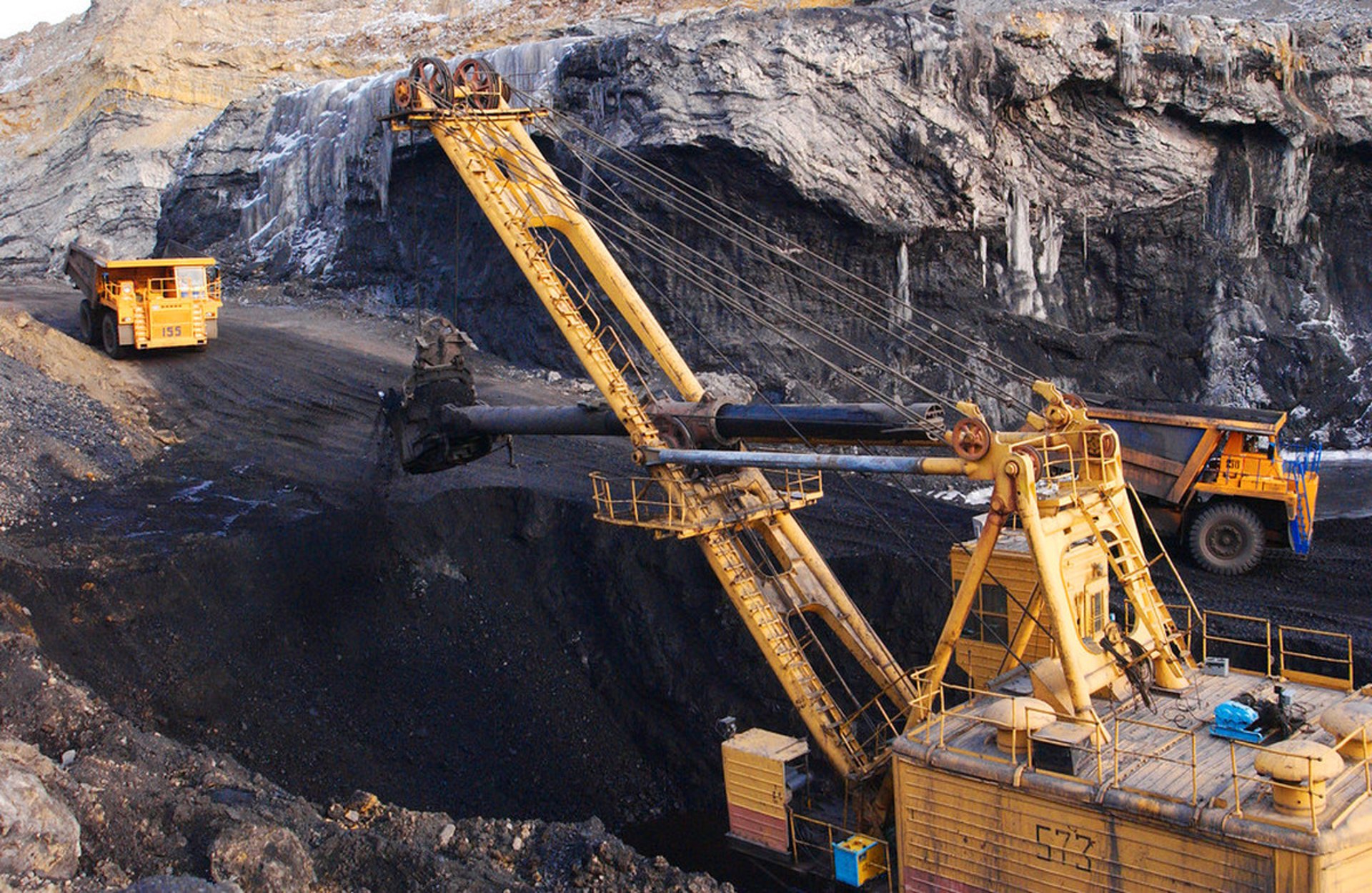
Durable mining cables for tough environments and operations
Email: Li.wang@feichuncables.com
© 2025. All rights reserved.
Company
Products
Contact
WhatsApp: +86 17333223430