Anhui Feichun Special Cable Co.,Ltd


Why Mines in Indonesia Are Switching from PVC Cable to LSZH Mining Cable
Why Indonesian mines are replacing traditional PVC cable with LSZH mining cable? This article discusses the advantages of LSZH cable in Indonesia, safety benefits, equipment protection, and guidance for selecting mining cable for operations at Weda Bay, Kaltim Prima, and Grasberg.
Li Wang
3/24/20264 min read
Introduction: Safety Challenges in Indonesian Mining
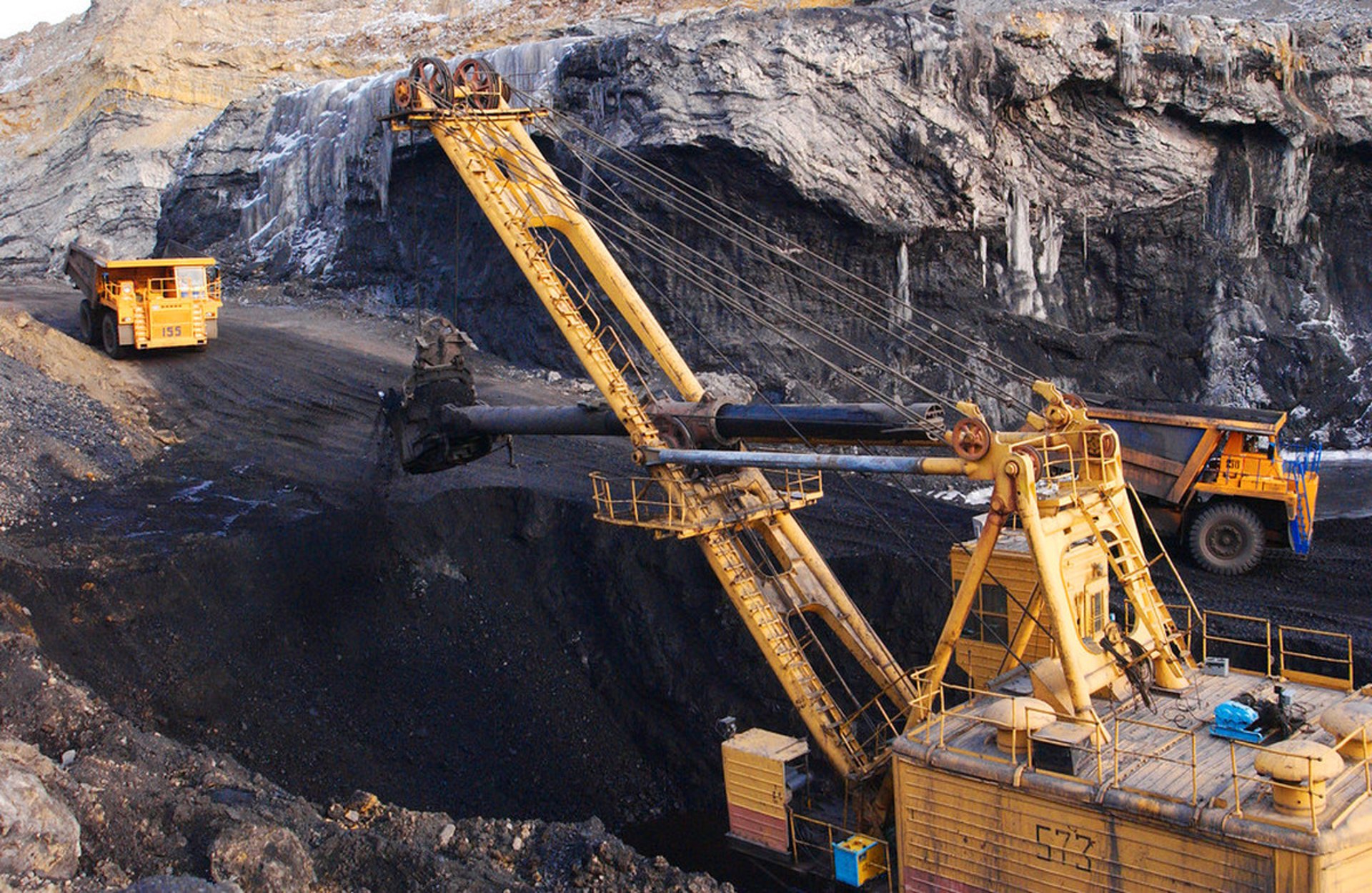
The mining industry in Indonesia, including nickel, coal, copper, and gold, is a backbone of the national economy. Some iconic mines that attract attention include:
Weda Bay Nickel Mine (Halmahera) – a large-scale nickel mine with high-mobility equipment.
Kaltim Prima Coal Mine (East Kalimantan) – a coal mine with long conveyor networks.
Grasberg Mine (Papua) – a large and complex copper and gold mining operation.
Rapid growth in electrical systems, automation, and high-voltage power distribution in tropical, dusty, and humid environments makes cables a crucial element for safety and production continuity.
The question:
“Why are Indonesian mines now replacing traditional PVC cable with low smoke zero halogen mining cable (LSZH cable Indonesia)?”
The answer lies in fire safety, equipment protection, and regulatory trends pushing new standards for mining cable in Indonesia.
What Is LSZH Cable?
LSZH stands for Low Smoke Zero Halogen, or in Indonesian: low smoke, halogen‑free cable.
Key Technical Features:
Low smoke emission: ≥80% light transmittance in fire test (BS EN 61034‑2).
Zero halogen: does not produce corrosive HCl (hydrogen chloride) gas when burned.
Low toxicity & non‑corrosive: ensures safety for personnel and electronic equipment.
Flame retardant properties: cable does not accelerate flame spread (BS EN 60332‑1‑2).
Comparison with PVC: Traditional PVC cable generates thick black smoke, toxic gases, and corrosive acid, while low smoke zero halogen mining cable provides a safer environment in both underground and open‑pit mines.
Why Traditional PVC Cable Is Risky in Mining
When PVC cable burns, it produces:
Corrosive HCl gas (>20% of emissions).
Toxic smoke that reduces visibility and threatens personnel safety.
Hydrochloric acid that damages sensitive electronic equipment even after the fire is extinguished.
Real impacts:
Risk of asphyxiation for workers and obstruction of evacuation routes.
Burns to skin and eyes.
Corrosion on control panels, sensors, and PLCs, potentially causing long production downtime.
In the confined spaces of underground mines, these hazards become even more severe.
Fire Risks in Indonesian Mining Operations
Indonesian mines have unique environmental conditions:
High tropical temperatures: >35°C.
High humidity and heavy dust.
Corrosive mud and heavy‑duty equipment (conveyors, crushers, electric shovels).
Fire risk amplification:
Long conveyor systems and mobile crushers are prone to insulation damage.
Open‑pit and underground operations at Weda Bay, Kaltim Prima, and Grasberg increase the probability of sparks and cable damage.
Automation in Modern Mines and the Need for Safer Cables
Modern Indonesian mines rely heavily on:
PLC systems
Monitoring systems
Remote‑control drives
SCADA networks
Example: Weda Bay Nickel Mine uses full automation for conveyors and processing.
PVC problem: Corrosive gas damages PLCs, VFD drives, control panels, sensors → downtime and lost production.
LSZH advantage: Does not produce corrosive gases → full protection for automation infrastructure.
Equipment Protection: How LSZH Cable Reduces Downtime
Mining equipment worth billions of Rupiah includes:
Crushing plants
Conveyor systems
Processing plants (e.g., Grasberg Mine)
PVC issue: Corrosion leads to expensive repairs and halted production.
LSZH advantage:
Does not damage copper conductors or electronics
Reduces maintenance cost
Increases uptime and ROI for high‑value equipment
Common Applications of LSZH Cable in Indonesian Mines
Practically used for mining cable needs in Indonesia:
Conveyor systems & long‑distance power supply – flexible trailing cable for moving equipment.
Processing plants & crushing stations – stable power supply for processing plants.
Underground cable tunnels & galleries – high safety in confined spaces.
Automation control rooms & monitoring stations – LSZH control and signal cable maintain system stability.
Technical features: flexible, abrasion‑resistant, chemical‑resistant, suitable for tropical conditions.
The Future of Mining Cable in Indonesia
Emerging trends:
LSZH cable + flame retardant + smart monitoring
Drivers: stricter safety regulations, automation expansion, ESG/environmental requirements
Prediction: LSZH cable Indonesia will become the standard mining cable in all modern mines.
Guide to Selecting LSZH Cable in Indonesian Mines (Feichun Table)
Nickel Mine Zones (Weda Bay & Sulawesi)
In nickel mining zones like Weda Bay and some mines in Sulawesi, large mobile equipment frequently used includes conveyors, mobile crushers, and electric shovels.
To ensure stable power supply and operational safety, it is recommended to use AS/NZS 1802 Type 260 LSZH Trailing Cable, which has high flexibility, abrasion resistance, and a safe LSZH sheath against smoke and corrosive gases.
Meanwhile, for equipment requiring repeated winding and unwrapping, such as stacker‑reclaimers and port ship loaders, the recommended cable is NTSWOEU LSZH Reeling Cable. This cable can be wound and pulled repeatedly, and is resistant to torque and abrasion, making it suitable for long‑distance and high‑frequency operations.
Coal Mine Zones (Kaltim Prima Coal Mine)
In coal mines such as Kaltim Prima Coal Mine, LSZH cable is widely used for PLC control and monitoring systems because the cable must maintain signal stability in humid and dusty environments.
The recommended cable is (N)GRDGÖU LSZH Control Cable, a multi‑core cable with moisture resistance and low smoke zero halogen properties, making it safe for personnel and electronic devices in case of fire.
For high‑power feeders and large power equipment, it is recommended to use N2XSY LSZH Power Cable with a 0.6/1 kV rating. This cable is resistant to heat, dust, and mud, ensuring stable power supply for conveyors and coal processing facilities.
Copper/Gold Mine Zones (Grasberg Mine)
In the Grasberg mine, moving equipment such as mobile crushers and processing plants require flexible and wear‑resistant cables.
For this, AS/NZS 1802 Type 275 LSZH Reeling Cable is used, which can follow the movement of heavy equipment while providing protection against hazardous smoke and gases.
Meanwhile, for medium‑voltage systems and electric shovels, the recommended cable is N2XSY XLPE LSZH Medium Voltage Cable with a 6/10 kV rating. This cable is resistant to chemicals and high temperatures, making it ideal for HV equipment and critical infrastructure in copper and gold mines.
Summary of Indonesian Mining LSZH Cables
Trailing Cable (AS/NZS 1802 Type 260/275): conveyor, shovels, mobile plants
Reeling Cable (NTSWOEU): stackers, ship loaders
Control/Signal Cable ((N)GRDGÖU, (N)SSHCÖU): PLC & automation
Power Cable (N2XSY, N2XRY): crushing & processing plants
Medium‑Voltage Cable (N2XSY XLPE LSZH 6/10 kV): HV equipment
Benefits: personnel safety, fire & corrosion resistance, high‑value asset protection, compliance with international standards
Conclusion
Three main reasons Indonesian mines choose LSZH cable:
Superior fire safety – low smoke + zero halogen.
Automation system protection – avoidance of corrosive gas.
Reduced downtime and maintenance costs – increased ROI for equipment.
Choose LSZH cable Indonesia now for a safer and more efficient future in mining.
Feichun Cable
Durable mining cables for tough environments and operations
Email: Li.wang@feichuncables.com
© 2025. All rights reserved.
Company
Products
Contact
WhatsApp: +86 17333223430