Anhui Feichun Special Cable Co.,Ltd


Why Cables That Only Comply with IEC Are Not Enough in Indonesia: Analysis of the Mining Industry and Cable Standardization
Learn why cables that only meet IEC standards in Indonesia are not always sufficient for mining operations. This article discusses the difference between IEC‑compliant cables and Indonesian mining cable standards, the challenging mining environments in Indonesia, and a practical guide for engineers, buyers, and distributors to choose mining cables in Indonesia that are safe, durable, and locally compliant.
Li Wang
3/23/20265 min read
Introduction: Cable Challenges in Indonesia’s Mining Environments
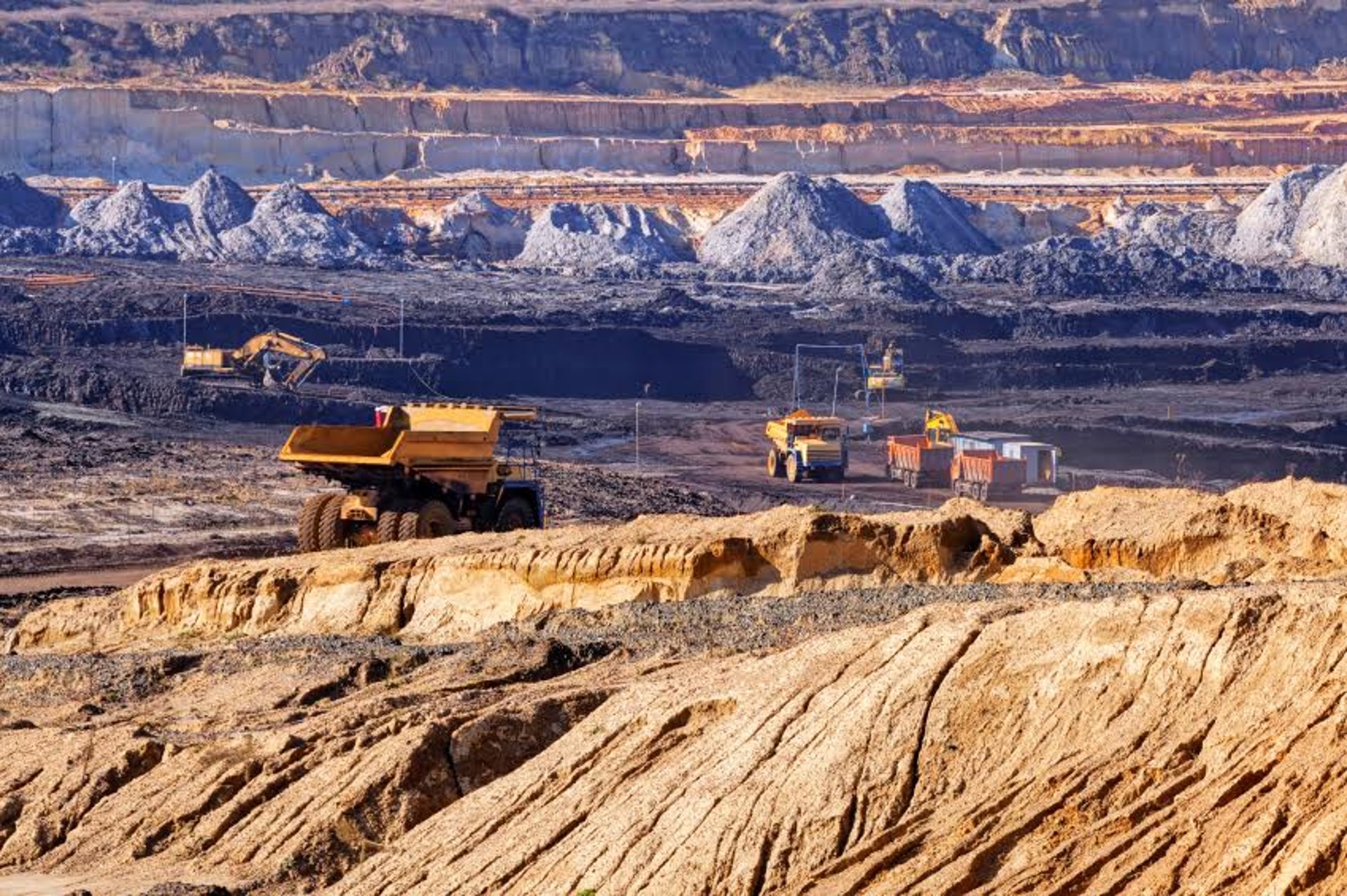
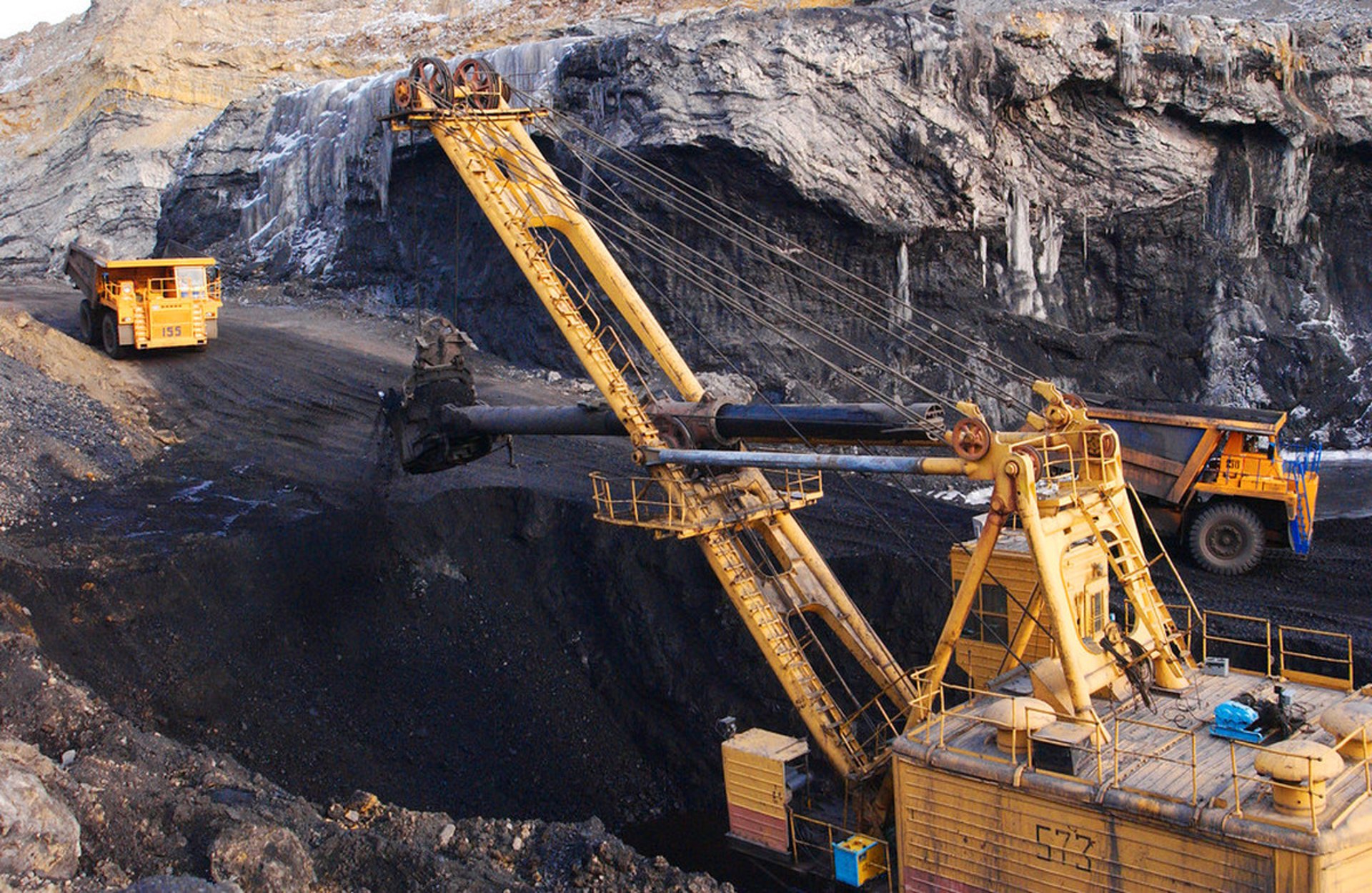
Indonesia is known for its large and diverse mining industry, from coal in Kalimantan and Sumatra to metal minerals in Papua. Yet, the country’s tropical geography and climate bring unique challenges for mining cables used in the field.
Mining cables in Indonesia often face high humidity, heavy rainfall, acidic soil, and varied terrain — all of which can accelerate cable degradation if technical specifications are inadequate.
Electrical cables in mining operations are not just conductors of electricity — they are vital components for worker safety, production continuity, and long‑term cost efficiency. This raises the central question: why cables that only meet IEC (International Electrotechnical Commission) standards are not always strong and reliable enough for mining applications in Indonesia?
This article explains the differences between IEC standards, real field requirements, and the role of Indonesia’s national standards like SNI in the context of mining operations. It provides important insights for mining engineers, electrical system designers, buyers, and cable distributors.
A Brief Overview of IEC Standards and Their Global Application
The IEC (International Electrotechnical Commission) is an international organization that sets global standards for electrical and electronic technologies. IEC standards cover key aspects such as operating voltage, heat resistance, insulation, and basic fire safety performance.
In many global markets, including Indonesia, cable products that comply with or are certified to IEC standards serve as a fundamental basis to ensure the product is safe and globally compatible.
The advantages of IEC standards include:
International consistency — a reference standard recognized across many countries.
Basic electrical safety — preventing insulation failures and fire risks.
Support for global trade — IEC‑compliant products can be more easily accepted across borders.
In practice, many mining cables in Indonesia are designed according to certain IEC standards (for example IEC 60502, IEC 60331, IEC 60811), ensuring the cable has passed the basic electrical tests needed for general industrial electrical operation. These standards are commonly used as reference points by cable manufacturers both in Indonesia and abroad.
However, it should be noted that IEC standards are generic and do not always take into account the extreme environmental conditions or specific operational needs encountered in many Indonesian mining sites.
Mining Environments in Indonesia: Challenging Conditions for Cables
Geographical and Climate Characteristics
Indonesia has a tropical climate with heavy rainfall, consistently hot temperatures year‑round, and very high humidity in many mining regions. For example:
Sumatra: Many coal mines are located in wet climatic zones with acidic soil.
Kalimantan: This region experiences high rainfall and seasonal flooding, increasing cable damage due to water exposure, mud, and corrosion.
Papua: Tropical humidity and uneven terrain increase the need for cables with excellent resistance to moisture and abrasion.
These conditions force cables to operate under much more severe environmental stress compared to typical industrial use.
Characteristics of Mining Equipment
Heavy equipment used in mining — both surface and underground — is often in motion, rubbing, pulling, or mechanically stressed. Cables must be flexible, wear‑resistant, and capable of withstanding tension, pressure, and temperature changes — not just meeting basic IEC voltage ratings.
Mining operations also commonly require cables that withstand constant vibration and high mechanical pressure in consistent use.
Cable Problems in the Field
Based on practice in many Indonesian mines, cables that only comply with IEC can fail due to:
Rapid abrasion and wear, especially in areas with sharp rocks or mobile equipment.
Water and moisture infiltration, causing insulation degradation.
Corrosion from soil and salinity, particularly near coastal areas like Kalimantan, accelerating outer layer breakdown.
Accelerated material aging due to constant heat and strong UV exposure in open fields.
Excessive mechanical stress from long cable runs that are frequently pulled or bent.
Concrete use cases show that mining cables need superior outer materials and special constructions — such as jackets made from abrasion‑, water‑, and corrosion‑resistant materials like PUR rubber — capable of functioning even when submerged in water at certain depths for long durations.
Limitations of IEC Standards for Mining Applications
Incomplete Environmental Adaptation
IEC standards generally define test criteria based on controlled laboratory conditions, such as temperature tests, insulation tests, or basic fire resistance tests. However, they do not specifically simulate extreme field conditions such as tropical heavy rainfall, mechanical abrasion in real terrain, or continuous water infiltration.
This means a cable that is IEC‑compliant may pass lab tests but fail when exposed to the real conditions in mining environments.
Limited Mechanical Durability Specifications
IEC standards focus on electrical parameters and basic safety, but mechanical durability — resistance against friction, pulling, or repeated flexing — often receives less emphasis in generic IEC testing.
In mining operations, cables frequently experience much higher mechanical loads that general IEC testing protocols do not fully cover.
Lack of Adaptation to Local Regulation
In Indonesia, there is strong demand for local regulation and certification that IEC alone does not completely cover. An important example is SNI — the Indonesian National Standard — which is currently mandatory for cable products sold within Indonesia, whether locally manufactured or imported.
The SNI mark shows that a cable has been tested and approved according to Indonesian national standards, specifically including material standards, testing methods, and certification required in the local market. SNI ratings often incorporate compatibility with IEC, but also consider consumer protection and broader product quality within the Indonesian context.
Role of SNI and Local Regulation in Ensuring Cable Quality
What Is SNI?
SNI is a national standard set by the Indonesian government through the National Standardization Agency (BSN). SNI certification for cables has been mandated for various cable types, including multiple voltage ranges. Under the latest regulation (PERMENPERIN No. 56 of 2024), cables sold in Indonesia must have SNI certification, whether locally produced or imported.
SNI not only requires alignment with IEC standards but also mandates local testing and compliance with local safety standards — collectively providing higher assurance for end users in Indonesia.
SNI vs IEC in Mining Applications
The main difference between pure IEC standards and SNI (which includes IEC) is:
IEC provides technical guidance and baseline testing, but not specific regional adaptation.
SNI combines IEC with local requirements, including material, certification, and testing tailored to provide resistance to Indonesian environmental conditions.
Thus, cables certified under SNI standards for mining are generally more reliable for use in Indonesian mining operations than cables that are only IEC compliant.
Practical Guidance for Cable Application and Procurement in Mining
For Mining Engineers and System Designers
As an engineer, it is important not to treat IEC cables merely as a technical reference, but also to:
Select cables with SNI certification, especially for working voltage and insulation needs relevant to your design.
Ensure cables have additional features such as abrasion resistance, water resistance, corrosion resistance, and adequate mechanical flexibility.
Consider the installation environment, including wet areas or submerged conditions, in line with Indonesia’s challenging landscapes.
For Cable Buyers and Distributors
Recommendations for buyers and distributors include:
Prioritize SNI‑certified cables that also reference IEC standards for international compatibility.
Avoid products that only meet IEC standards without local certification for mining use.
Request material test reports and certificates from suppliers to verify product quality.
Choose cables with proper material designs, such as robust outer jackets (e.g., PUR), proven effective in wet mining environments.
Total Cost of Ownership and Lifespan Evaluation
Beyond purchase price, other factors must be considered, including:
Repair and replacement costs due to cable failures.
Operational downtime caused by cable breakdowns.
Safety risks and potential workplace accidents.
Choosing cables with a combination of IEC + SNI compliance and appropriate environmental resistance will extend service life, reduce risk, and provide long‑term benefits.
IEC Is Important, But Not Enough on Its Own
IEC remains an important technical standard and a key reference in global cable specifications. However, when faced with Indonesia’s mining environmental challenges — such as high rainfall, acidic soil, high temperatures, and tough terrain — cables that only comply with IEC are not always sufficient to ensure safety and operational reliability.
Local standards like SNI for mining cables provide crucial added value through local certification that considers Indonesia’s environmental needs and consumer protection. To ensure optimal performance, engineers, buyers, and distributors should combine knowledge of IEC, SNI, and field requirements to select cables that are truly ready for the real challenges of Indonesia’s mining industry.
Feichun Cable
Durable mining cables for tough environments and operations
Email: Li.wang@feichuncables.com
© 2025. All rights reserved.
Company
Products
Contact
WhatsApp: +86 17333223430