Anhui Feichun Special Cable Co.,Ltd


Why AS/NZS 1802 Type 275 3.3/3.3kV 3×50mm² Reeling Cable Is Important for Mines in Indonesia (Case Study: Kaltim Prima Coal)
In‑depth guide to the AS/NZS 1802 Type 275 3.3/3.3kV 3×50mm² Reeling Cable — its functions, technical advantages, and why this cable is the primary choice for heavy mining operations in Indonesia, especially in extreme environments such as East Kalimantan. Focuses on practical industry needs, selection criteria, and relevance to modern mining practices and international standards.
Li Wang
3/19/20263 min read
What Is the AS/NZS 1802 Type 275 3.3/3.3kV Reeling Cable?
AS/NZS 1802 is the Australian/New Zealand standard specified for trailing and reeling cables used in mining environments. Type 275 is the classification within this standard designed for flexible reeling cables with high medium‑voltage and strong mechanical resistance, suitable for connections from power sources to mobile equipment in mines.
The “3.3/3.3kV” voltage rating indicates that this cable is designed for operation in isolated or IT earthing systems, where the voltage from phase to earth equals the phase‑to‑phase voltage throughout operation, without voltage rise upon a first earth fault.
Mine Profile: Kaltim Prima Coal
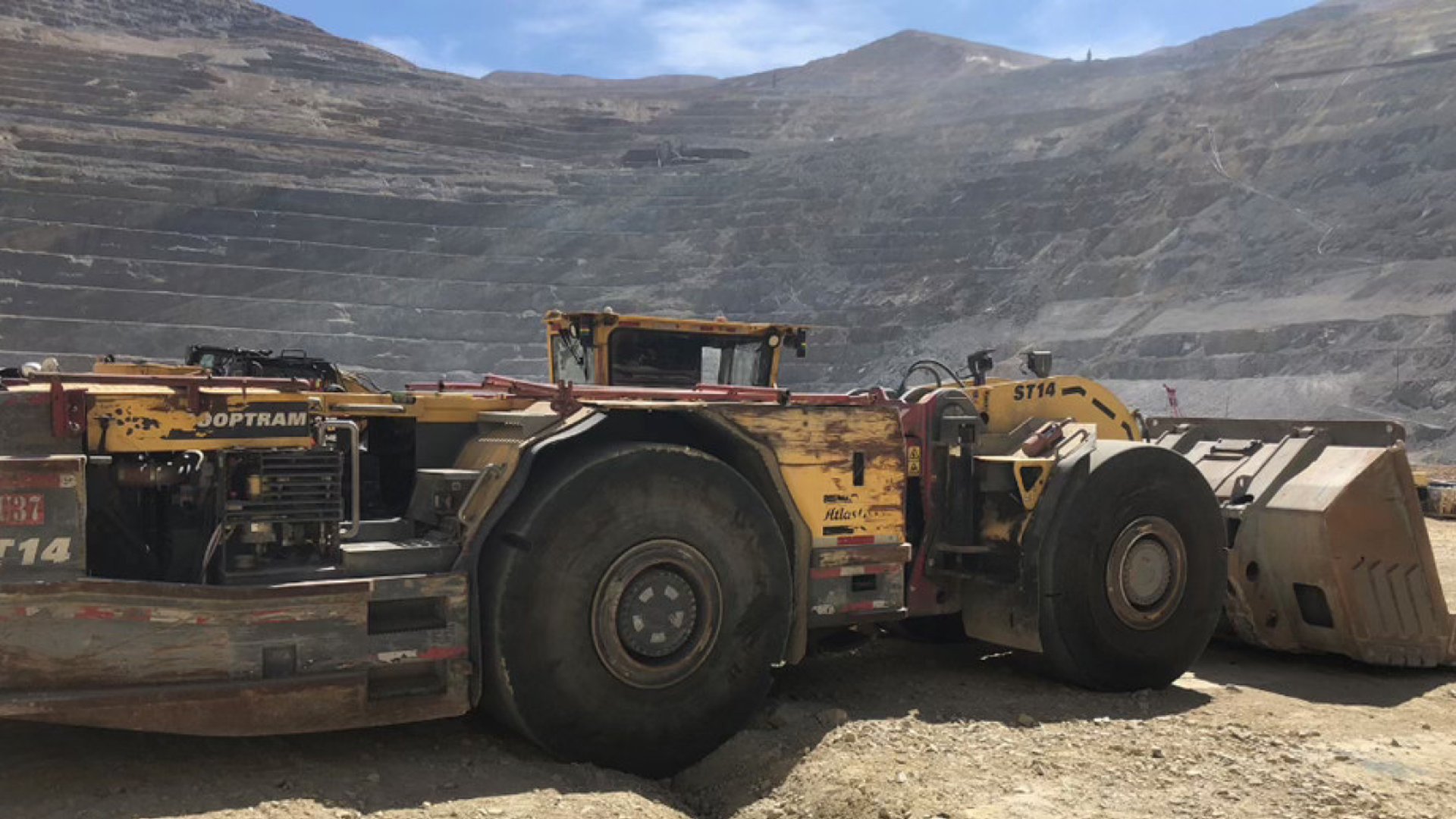
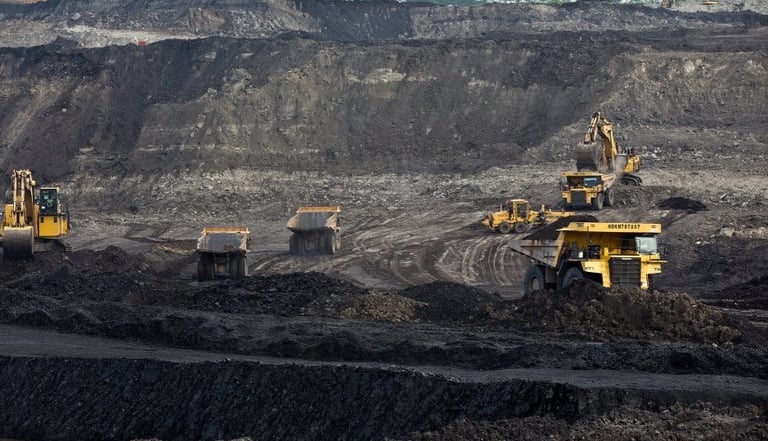
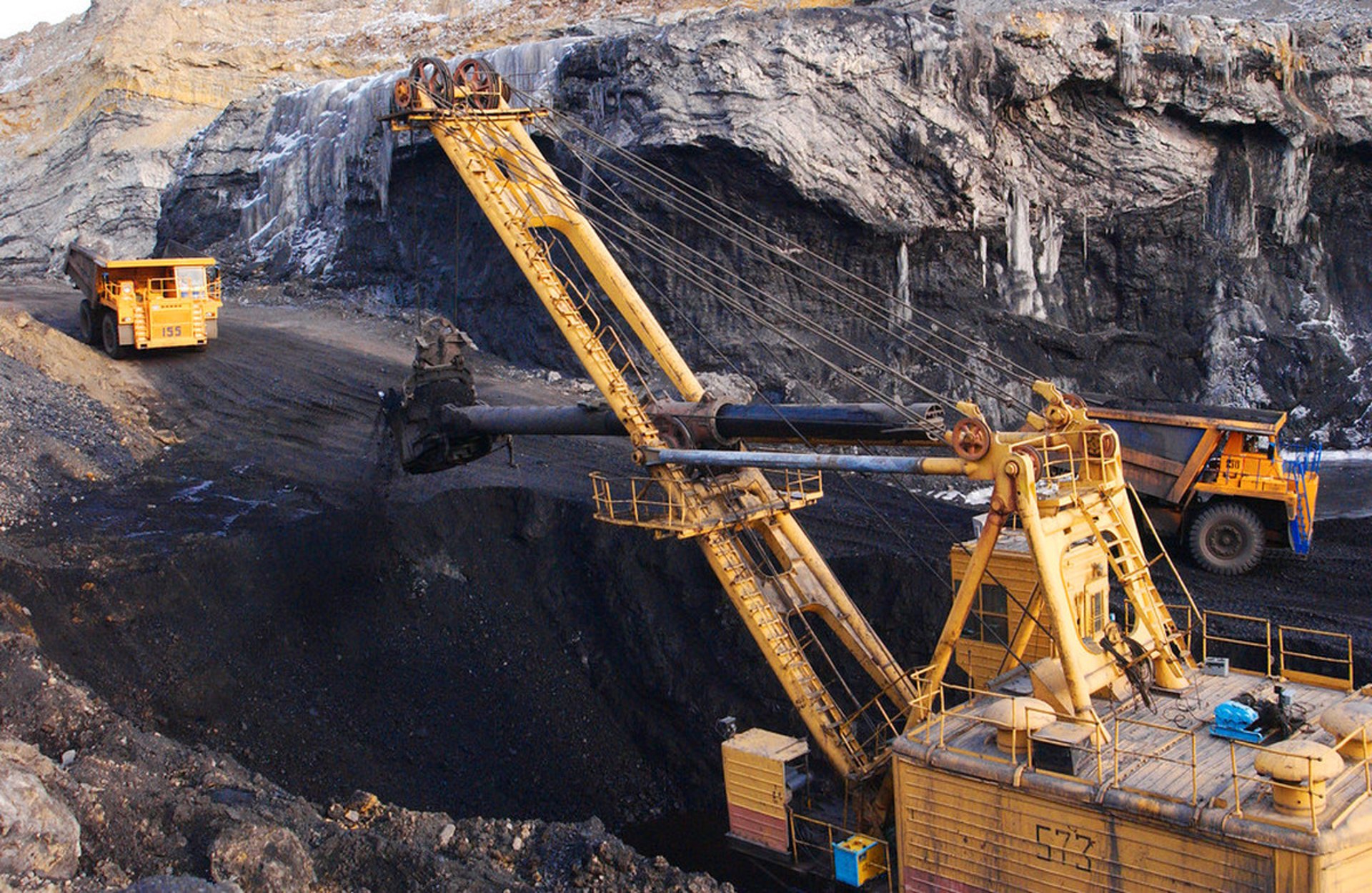
Kaltim Prima Coal is one of Indonesia’s largest coal mines, operating in Kutai Timur Regency, East Kalimantan, with a concession area of tens of thousands of hectares and intensive mining activity. The mine deploys significant heavy machinery — such as draglines, shovels, and haul trucks — which require flexible and reliable power cable connections.
Operating conditions at KPC are characterized by:
Tropical climate with high humidity (>80%) and temperatures exceeding 30°C;
Heavy rain events leading to standing water and saturated ground;
Continuous operational cycles demanding high electrical reliability.
These conditions make high‑performance cables essential to minimize downtime and production disruptions. Additionally, KPC’s environmental management practices — such as post‑mining reclamation and ecosystem conservation — mean that choosing cables resistant to moisture and with long service life also supports environmental sustainability.
Electrical System Challenges and Criteria
Extreme Tropical Environment
In mines like KPC, cables frequently experience:
Exposure to high humidity that accelerates insulation degradation;
Contact with rainwater, mud, chemicals, and corrosive media;
Mechanical abrasion against rough surfaces and repetitive tensile stress.
These conditions accelerate the failure of conventional cables if they are not engineered for such extremes.
IT Earthing System
Modern mines — particularly those adopting Australian/New Zealand practices — use an IT Neutral Earthing System. In such systems, phase‑to‑earth voltage can reach full phase potential without immediate automatic disconnection on the first earth fault to prevent sudden operational interruptions.
In this scenario, cables must have continuous insulation rated for full phase‑to‑earth voltage, making the 3.3/3.3kV rating essential. A cable with a lower insulation rating will fail insulation earlier and risk operational faults.
Key Features of the AS/NZS 1802 Type 275 Cable That Differentiate It
Flexible Tinned Copper Conductors
The cable uses flexible tinned copper conductors that:
Resist oxidation, corrosion, and chemical degradation in high‑humidity environments;
Provide high flexibility for repeated reeling and deployment;
Support intensive reeling operations under continuous mining production.
This construction is crucial in applications where the cable is continuously wound and unwound on drums during production cycles.
Hydrolysis‑Resistant EPR Insulation
The Ethylene Propylene Rubber (EPR) insulation in Type 275 is formulated to resist hydrolysis — degradation caused by moisture. This ensures that the insulation:
Maintains high dielectric strength even under prolonged water contact;
Reduces water treeing — the insulation degradation caused by moisture ingress;
Extends cable service life in wet conditions.
Anti‑Capillary and Water‑Resistant Structural Fillers
Type 275 cables often incorporate fillers that expand upon contact with water, blocking capillary water migration within the cable. These design features help:
Reduce the risk of internal water ingress through physical sheath damage;
Keep the cable core dry for longer periods;
Lower the risk of insulation failure caused by moisture.
CPE Outer Sheath with Water and Abrasion Resistance
The chlorinated polyethylene (CPE) outer sheath provides:
Resistance to high humidity, mining chemicals, and soil moisture;
Mechanical durability against abrasion and impact;
Low water absorption, helping maintain cable performance even when exposed to wet conditions for extended periods.
Practical Benefits in Indonesian Mine Operations
Reduced Cable Failures: Type 275 cables have a longer service life compared to conventional cables due to their tropicalized design.
Reduced Production Downtime: The combination of robust insulation and conductor construction reduces the frequency of electrical disruptions.
Compliance with Safety Standards: The 3.3/3.3kV rating aligns with international mining electrical system requirements.
Adaptation to Tropical Environment: High flexibility and long insulation life reduce maintenance and cable replacement costs.
Conclusion
Cable selection is a critical technical decision in large mines like Kaltim Prima Coal. The AS/NZS 1802 Type 275 3.3/3.3kV 3×50mm² Reeling Cable is not just an ordinary cable; it is a purpose‑designed solution for the challenging tropical environment of Indonesian mining — supporting electrical reliability, operational safety, and production efficiency. The AS/NZ standard ensures this cable meets the electrical behavior requirements of IT earthing systems and extreme mining conditions, while its tropicalized construction provides strong resistance to humidity, corrosion, and insulation degradation.
For electrical engineers, industrial cable purchasers, and mining logistics decision‑makers, understanding these technical features is key to building safer, more efficient, and more economical mine power systems.
Introduction
Modern mines require reliable, safe electrical systems that withstand extreme environmental conditions. For coal and mineral mines in Indonesia — especially in tropical regions like East Kalimantan — high humidity, elevated temperatures, and continuous heavy machinery use cause ordinary power cables to fail rapidly. It is in these conditions that the AS/NZS 1802 Type 275 3.3/3.3kV 3×50mm² Reeling Cable becomes a critical solution.
This article discusses the technical necessity of using this cable in Indonesian mines, specifically highlighting operating conditions at Kaltim Prima Coal (KPC), along with the material and construction features that make this cable superior and aligned with modern mining best practices.
Feichun Cable
Durable mining cables for tough environments and operations
Email: Li.wang@feichuncables.com
© 2025. All rights reserved.
Company
Products
Contact
WhatsApp: +86 17333223430
Social Media: