Anhui Feichun Special Cable Co.,Ltd


How the Electric Shovels at Grasberg Mine in Indonesia Keep Operating in the “Acid Hell”: The Secret of Corrosion‑Resistant Trailing Cable Technology in Acid Drainage pH < 3
Learn the corrosion‑resistant trailing cable technology for electric shovels at the Grasberg Mine in Papua. From EPR insulation + CPE/PCP outer sheath to real‑time pilot core monitoring, how this 11 kV cable withstands thousands of hours in acid mine drainage (AMD) with pH < 3 while supporting PT Freeport Indonesia operations. A practical guide for cable dealers, technicians, and decision‑makers in the Indonesian mining industry.
Li Wang
3/24/20265 min read
The 2025 Mud Incident That Reminded Us of Cable Risks
On September 8, 2025, at around 22:00 WIT, the Grasberg Block Cave Mine in Papua experienced a disaster that shocked the global mining industry. About 800,000 tons of wet material (a mud rush) suddenly surged from the old open pit into underground tunnels. Seven workers went missing, operations across the entire Grasberg district were temporarily halted, and PT Freeport Indonesia (PTFI) declared force majeure. The investigation was completed at the end of 2025, and a phased restart plan began in 2026.
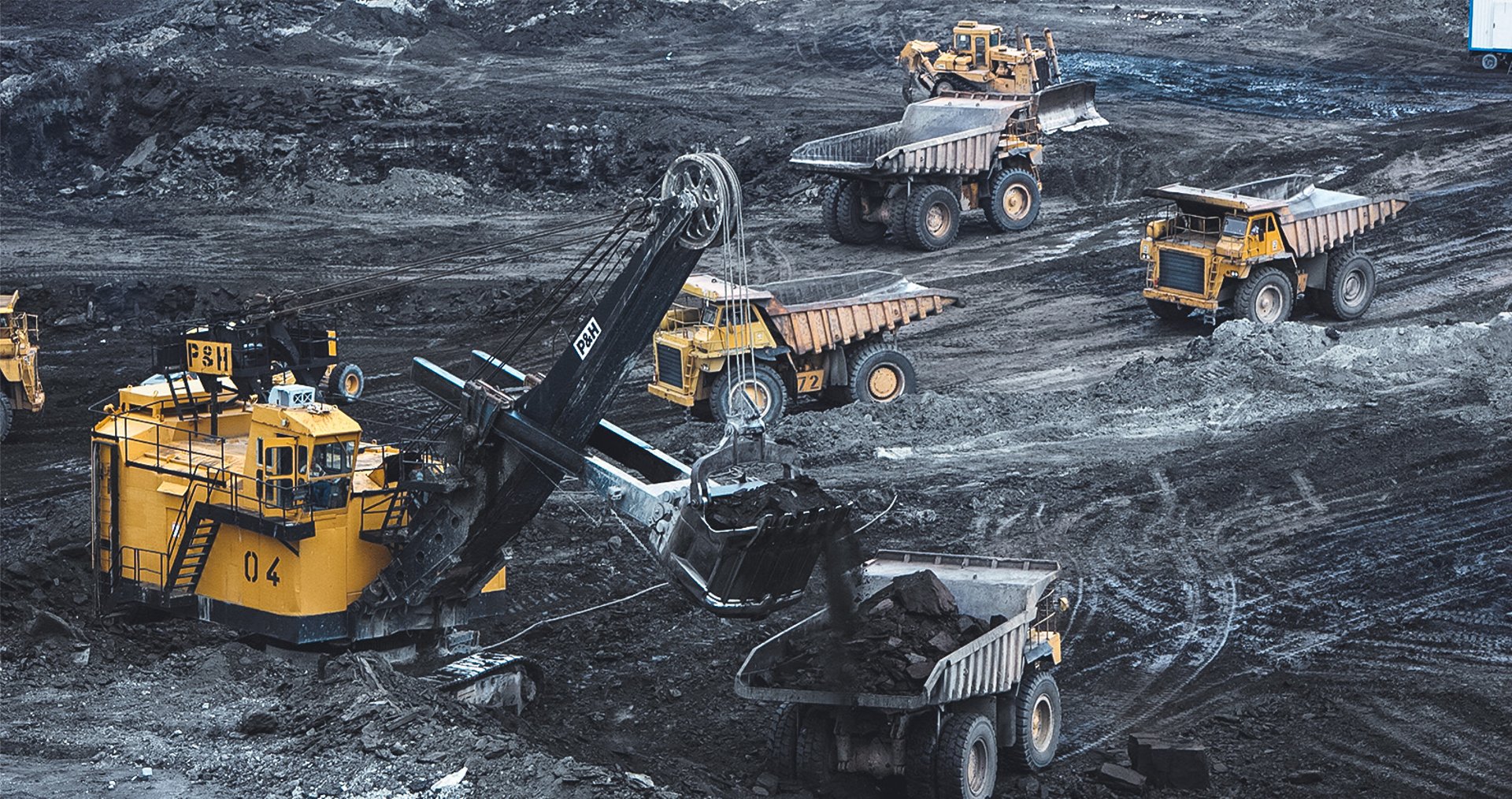
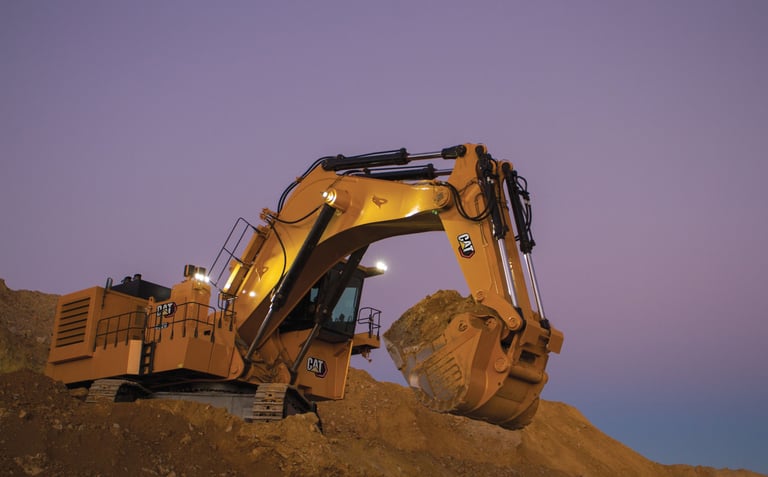
This event was not just about geology. It reminded us of one crucial component that is often “unseen” but is the lifeline of operations: the trailing cable for electric shovels. Although rope electric shovels (P&H 4100 and Bucyrus 495) were no longer used in the open pit since 2019, the trailing cable technology remains a primary reference for movable electrical systems in Grasberg’s extreme environment.
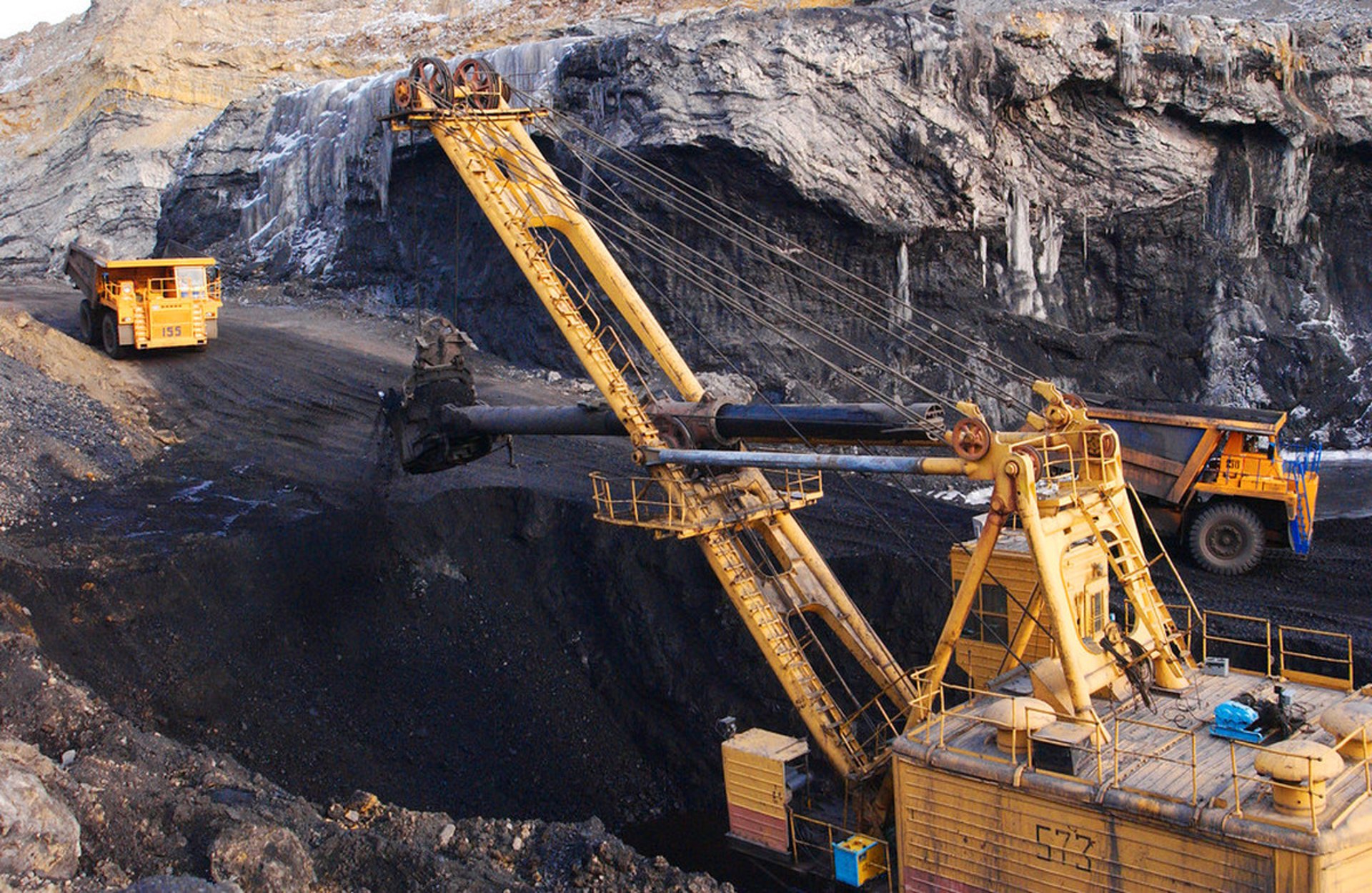
Imagine this: at an altitude of 4,200 meters in the middle of the Papua rainforest, tunnel walls drip sulfuric acid (pH 2.5–3.5). Heavy year‑round rainfall, humidity > 90 %, strong UV radiation, and sharp volcanic rocks. In all of that, a cable the size of a human thigh carries 11 kV of electricity to an electric shovel weighing hundreds of tons.
That cable must be dragged, wound, and moved hundreds of meters every day — while continuously exposed to acidic mud, hydraulic oil, and mechanical load from 400‑ton heavy equipment.
Regular cables would fail in a matter of weeks: insulation cracking, sheath swelling, water ingress, and ultimately short circuits or ground faults that could trigger explosions. But the specialized trailing cables at Grasberg withstand thousands of hours. The secret? A brilliant three‑layer defense: material chemistry, multi‑layer structure, and real‑time pilot core monitoring.
In this article, we will dissect that technology in depth. If you are involved in selling mining cables, equipment procurement, electrical technicians, or mining engineers, this is a practical guide you can apply directly on your own site. Let’s begin the journey from Grasberg’s “acid hell” to understanding the technology now setting global standards.
Surprising fact: one kilometer of this cable weighs 11.5–12.5 tons — heavier than a school bus — and its minimum bending radius is 970 mm. Yet it remains flexible and able to survive acid that can dissolve steel!
Grasberg’s Brutal Environment: Why Regular Cables Last Only Weeks
The Grasberg Mine is located in the Sudirman Mountains of Papua and is one of the largest sulfide copper‑gold deposits in the world. Its primary ore (chalcopyrite), when oxidized with oxygen and water, produces acid mine drainage (AMD). The simple chemical reaction is:
4FeS₂ + 15O₂ + 14H₂O → 4Fe(OH)₃ + 8H₂SO₄.
The result? Groundwater with pH dropping drastically to 2.5–3.5, even approaching the equivalent of 50 % sulfuric acid concentration.
Air humidity is almost always above 90 %, extreme annual rainfall, plus intense UV due to elevation. Sharp volcanic rocks and vibration from 400‑ton machinery add mechanical damage. Four main threats to cables are:
Chemical attack — acid “eats” plasticizers like termites. Sheath swells, insulation becomes brittle.
Mechanical attack — sharp rocks act like super‑abrasive sandpaper. Cables are dragged hundreds of meters each shift.
Environmental attack — tropical fungi + UV cause surface cracking.
Electrical attack — water ingress creates “water treeing” and partial discharge within insulation.
Compared with diesel haul trucks — which don’t need a main cable — electric shovels require continuous power of 600–800 kW. Without a flexible trailing cable, such giant machines cannot move. In the open pit era (before 2019) this was the hardest test. Now in the underground block cave phase, fixed and auxiliary cables still use the same technological DNA to face acid mud risks like the 2025 incident.
So how do engineers design a cable that “laughs at acid”? The answer lies in the three‑layer defense we explain next.
Three‑Tier Protective Layers: Material Chemistry, Advanced Structure, and Smart Monitoring
Material Chemistry — The Invisible Shield
The core of corrosion resistance lies in choosing chemically inert polymers. Ethylene Propylene Rubber (EPR) is the primary insulation choice. Its molecular structure is saturated (no double bonds), so it does not react with acids, alkalis, salts, or water. It withstands continuous temperatures of 90 °C and short circuit temperatures up to 250 °C. After 168 hours of acid immersion (50 % H₂SO₄ at 23 °C), insulation resistance remains ≥ 1 MΩ·km and tensile strength retains ≥ 80 % of original. Compared to XLPE, EPR is far superior in resisting water treeing in Grasberg’s wet environment.
The outer sheath uses two top materials:
CPE (Chlorinated Polyethylene) — a modern choice for Indonesia’s tropical mines. Low water absorption (0.5–1.5 %), acid resistance down to pH 2.5, oil/mechanical/abrasion resistance, and flame‑retardant properties from chlorine content. Added anti‑fungal properties, ideal for Papua’s acidic groundwater.
PCP (Polychloroprene/Neoprene) — still widely used on Grasberg shovels due to high tear strength. Although water absorption is higher (2–4 %), it remains the backbone of AS/NZS 1802 Type 241 cables.
Conductors use tinned copper, as the tin plating prevents acid oxidation and copper ion migration that accelerates corrosion.
Multi‑Layer Structure — Defense Like Russian Nesting Dolls
Material alone is not enough. The AS/NZS 1802 Type 241 structure is layered as follows:
Central pilot core (EPR‑insulated, 50–100 Hz signal):
Grasberg’s “heart of safety.” If the sheath is even slightly damaged, this signal interrupts and power is cut — preventing electric shock or explosion. This is the “last line of defense” in Freeport’s safety regulations.
Phase cores & earth cores:
Flexible conductors + EPR insulation + semiconductor screen (reduces electrical stress and ensures first ground contact).
Water‑blocking swellable yarns:
Expand when contacting water, stopping acid capillary movement.
Textile reinforcement (nylon/Kevlar/polyester braid):
Distributes tensile and impact loads.
Outer sheath XHD (3.5–6 mm thick CPE/PCP):
The outermost layer resisting everything.
Imagine this cable like an armored submarine being dragged through a shark pool. Each layer has a specific task: semiconductor + pilot core = early warning; yarns + thick sheath = acid blockade; braid = mechanical load distribution.
Practical specifications: minimum bending radius 970 mm (like bending a garden hose without kinking), weight 11.5–12.5 tons/km, yet still flexible enough for brutal shovel motion.
Additional Enhancements and Field Customization
Nano‑fillers, UV stabilizers, anti‑fungal additives for Papua rainforest, and low‑smoke halogen‑free (LSHF) compounds reduce corrosive smoke in confined underground spaces. Prefabricated terminations cut field failure risk by up to 80 %. Routine testing (quarterly visual + annual megger tests) is mandatory at Freeport.
Field Evidence: International Standards and Freeport Testing
Main standards:
AS/NZS 1802 Type 241 — the “Bible” of Australian/Indonesian mining cables.
IEC 60811‑501 (tensile retention after acid immersion), IEC 60332 (flame retardant), NEK 606 (chemical mud resistance).
Freeport conducts quarterly testing: visual inspection + insulation resistance measurement. Real outcomes: cable life 3–5 times longer than standard cables, and near‑zero incidents of electric shock thanks to the pilot core. After the 2025 mud event, even fixed underground cables were upgraded with the same acid‑resistant sheath.
This technology is now adopted in Chile, Australia, and Canada for new electric shovels and electric haul trucks.
The corrosion‑resistant trailing cable technology for Grasberg’s electric shovels has proven itself as a mature solution for extreme AMD environments in Indonesia. For cable dealers, procurement managers, and mining engineers: apply this knowledge to reduce downtime and enhance safety.
Share your site’s AMD pH — I’ll help recommend the right specifications for your needs. Let’s improve Indonesia’s mining electrical infrastructure reliability together!
Feichun Cable
Durable mining cables for tough environments and operations
Email: Li.wang@feichuncables.com
© 2025. All rights reserved.
Company
Products
Contact
WhatsApp: +86 17333223430