Anhui Feichun Special Cable Co.,Ltd


How Overland Conveyor Systems Support Indonesia’s Coal Supply Chain: Cable Selection for the 13 km Conveyor at KPC Sangatta Using Type 7S 3.3 kV 3×70 mm²
The conveyor belt system becomes the backbone of the coal supply chain in Indonesia, especially at PT Kaltim Prima Coal (KPC) Sangatta with a 13 km overland conveyor. This article analyzes the application of conveyor belt systems in the Indonesian mining industry and the selection of Type 7S 3.3 kV 3×70 mm² cable for reliable power supply under extreme tropical conditions—an optimal solution for mining engineers and cable procurement.
Li Wang
3/25/20264 min read
Table of Contents
Introduction: Indonesian Mining Industry and Role of Conveyor Belts
Overview of Conveyor Belt Systems in Indonesian Mining
Specific Applications in Coal, Copper-Gold, and Nickel Sectors
Case Study: 13 km Overland Conveyor System at PT Kaltim Prima Coal (KPC) Sangatta
Power Supply Challenges on Long‑Distance Overland Conveyors
Cable Design Requirements for Conveyors in Indonesia’s Tropical Environment
Why Type 7S 3.3 kV 3×70 mm² Is the Optimal Choice
Comparison with Other Cable Alternatives
Lessons Learned and Best Recommendations
Conclusion
References and Further Reading
Introduction: Indonesian Mining Industry and Role of Conveyor Belts
Indonesia is one of the world’s largest producers of coal, nickel, and copper‑gold. In recent years, annual coal production has reached hundreds of millions of tons, with exports dominating to Asia and Europe. However, mining terrain in Indonesia is highly challenging: tropical rainforests, mountainous areas, high rainfall, humidity > 70 %, mud, unstable ground, and intense UV and ozone exposure.
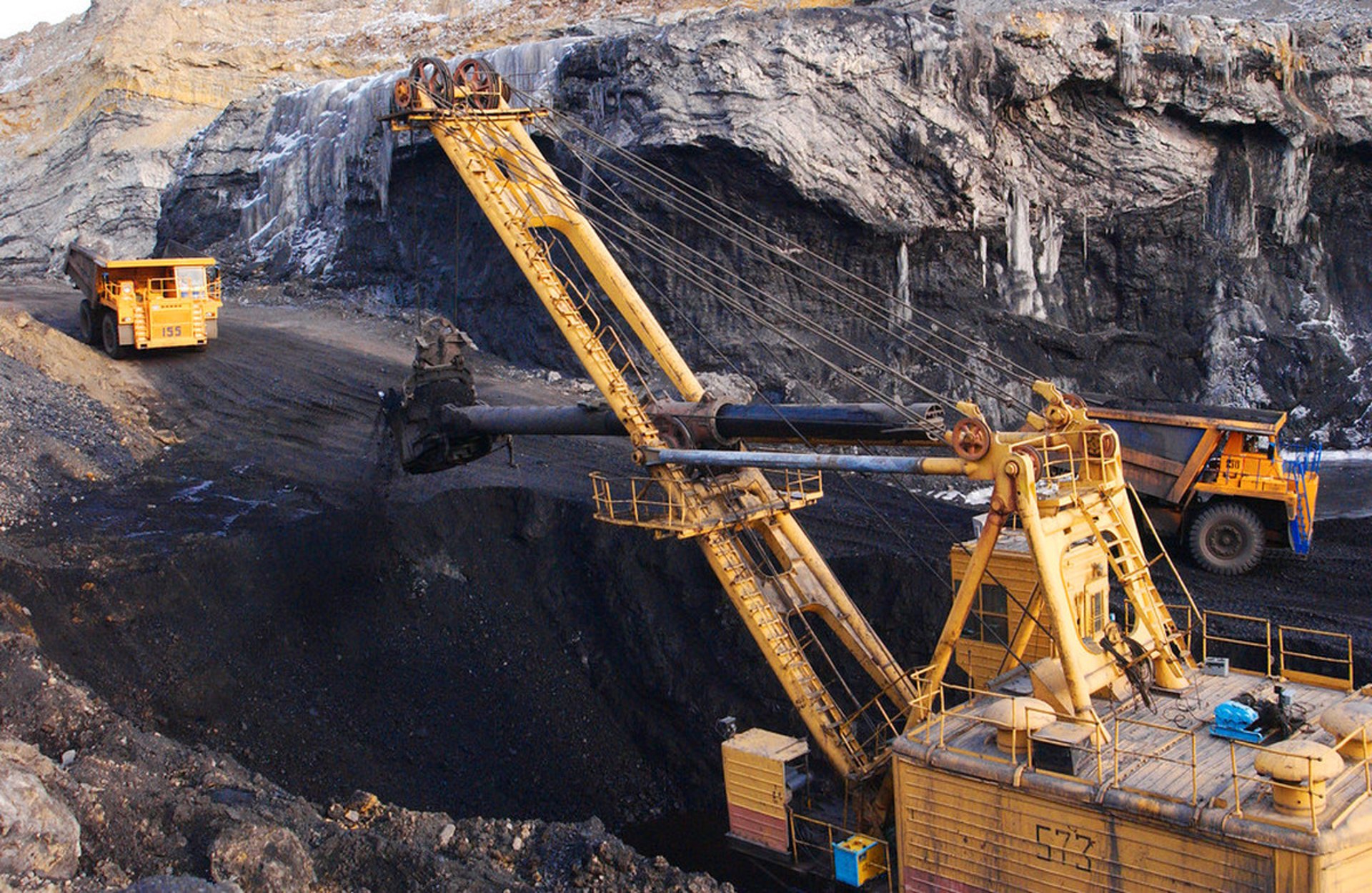
Under these conditions, conventional material transportation systems such as dump trucks are often inefficient due to high diesel consumption, large greenhouse gas emissions, accident risks, and road damage caused by heavy rain. Therefore, conveyor belt systems have become core infrastructure for long‑distance bulk material transport (kilometers), ensuring continuous operation 20+ h/day with high reliability.
A key question in this article: “What cable design type guarantees a reliable power supply for long‑distance conveyor systems under Indonesia’s tropical conditions?” The answer focuses on the case of PT Kaltim Prima Coal (KPC) in Sangatta, East Kalimantan, with a 13 km overland conveyor (OLC).
Overview of Conveyor Belt Systems in Indonesian Mining
Conveyor belt systems are widely used in Indonesia’s mining sector to replace traditional haulage trucks. Their major advantages include:
Continuous material transportation without interruption.
Diesel fuel savings up to tens of percent.
Lower CO₂ emissions and reduced environmental impact.
Adaptation to slopes, curves, and uneven terrain.
High capacity: thousands of tons per hour.
Automation integration: alignment sensors, temperature, wear detection, and predictive maintenance.
In Indonesia, conveyor belts typically use heavy‑duty rubber belts (steel cord or fabric core), abrasion resistant, designed for extreme temperatures, and covered to protect from rain and coal dust.
Specific Applications in Coal, Copper‑Gold, and Nickel Sectors
Coal (Mainly in Kalimantan)
The Kalimantan region is a central area for thermal coal production. Conveyor belts transport coal from the mine to the Coal Preparation Plant, and then to the port.
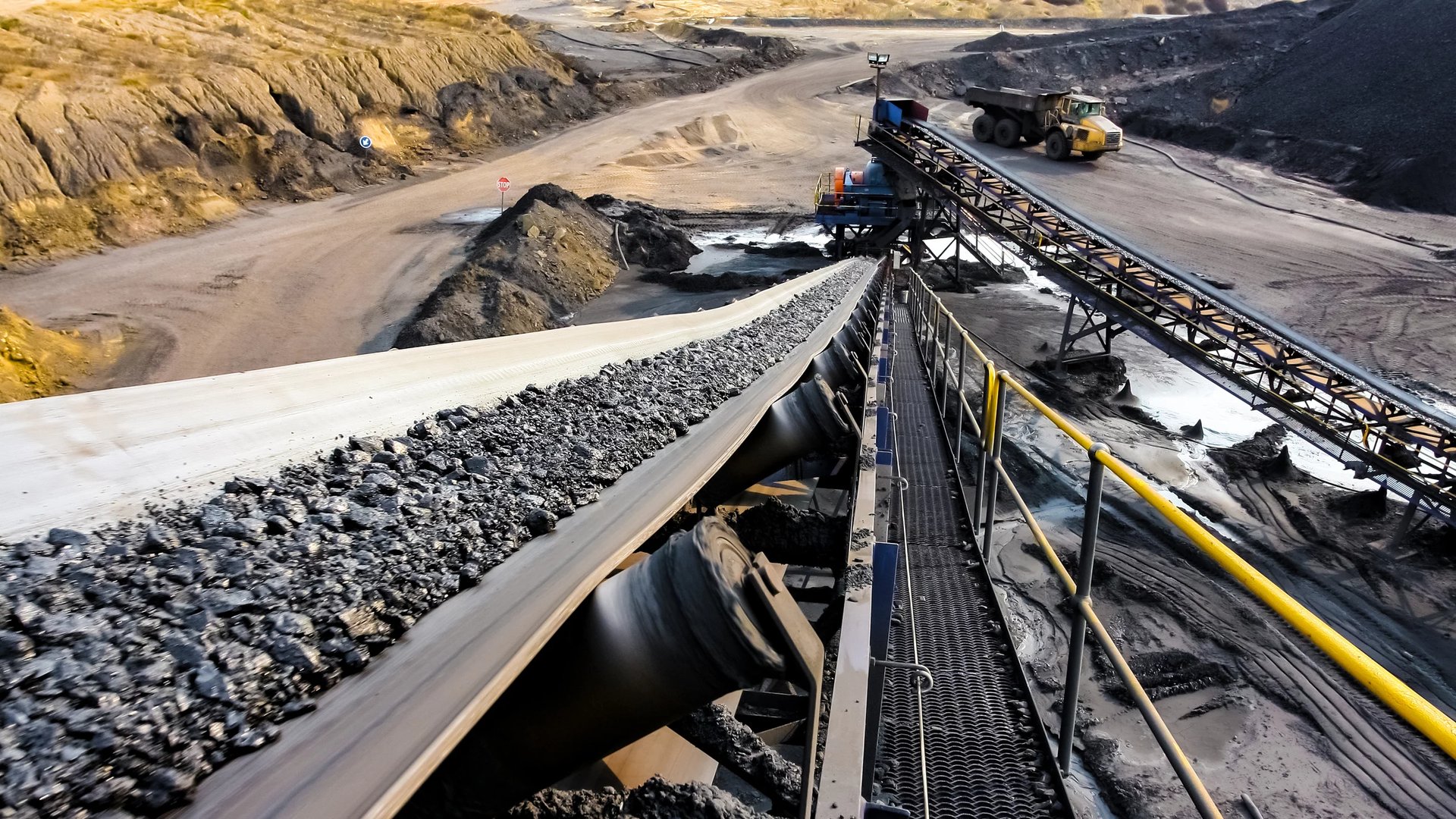
An iconic case: PT Kaltim Prima Coal (KPC) Sangatta — the coal supply chain from pit → Coal Preparation Plant → 13 km double‑tier covered overland conveyor → Tanjung Bara Coal Terminal. Capacity: 2 × 4,200 t/h. This system integrates mechanical sampling, metal detectors, belt scales, and temperature sensors.
Other conveyors in Kalimantan (e.g., Bukit Asam) reach lengths of over 20 km and often incorporate Siemens automation for high speed.
Advantages: operation 20+ h/day, ability to adapt to steep slopes and curves in tropical terrain.
Copper/Gold (Papua – PT Freeport Indonesia)
At the Grasberg Block Cave, underground conveyors transport crushed ore to the surface through ore passes and crushers. Conveyors remain vital in crushing, screening, and transport to processing plants.
Nickel and Other Ore (Sulawesi, etc.)
Heavy‑duty rubber belts handle large volumes of ore/slag, resistant to UV, heavy rain, and high temperatures.
Overall, conveyor belt systems have become the logistics backbone of Indonesia’s mining industry — from hundreds of meters to tens of kilometers, with capacities of thousands of tons per hour.
13 km Overland Conveyor System at PT Kaltim Prima Coal (KPC) Sangatta
KPC Sangatta operates one of the longest and fastest overland conveyor systems in the world (speeds up to ~8.5 m/s with Siemens). System configuration:
Double‑tier covered belts to protect from rain and UV.
Route: Coal Preparation Plant → Tanjung Bara port.
Features: slope/decline adaptation, curve navigation, integration with stacker‑reclaimers and loading conveyors.
Capacity: 2 × 4,200 t/h, supporting tens of millions of tons annually.
Electrical components:
Main drives: high‑power induction motors.
Auxiliary: transfer points, tensioners, tail pulleys.
Controls: PLC, SCADA, real‑time sensors.
Power distribution: 3.3 kV medium‑voltage feeding motor control centers along the route.
Power Supply Challenges on Long‑Distance Overland Conveyors
The 13 km distance presents:
Significant voltage drop → requiring high MV rating.
Tropical environment: high humidity, temperature, coal dust, mud, mechanical abrasion.
Downtime consequences: lost production, disrupted logistics.
Mechanical hazards: rockfalls, impact from equipment, cable drag.
Cables must endure extreme conditions while maintaining uninterrupted power.
Cable Design Requirements for Conveyors in Indonesia’s Tropical Environment
Mechanical Requirements
Outer sheath with high abrasion resistance.
Impact/crush protection.
Flexibility for dynamic sections/maintenance.
Environmental Requirements
UV and ozone resistance, tropical rain tolerance.
Water/mud barriers (radial + longitudinal).
Temperature range –40 °C to +90 °C, oil/hydraulic resistance.
Anti‑termite and corrosion resistance.
Electrical & Safety Requirements
MV rating 3.3 kV to minimize voltage drop.
Tinned copper conductors (corrosion protection).
XLPE/EPR insulation rated to 90 °C.
Steel wire armor (SWA) / steel tape armor (STA) for fixed/buried runs.
Flame retardant (ISO 340/EN 14973).
LSZH where applicable in confined areas.
Maintenance Requirements
Easy installation/repair in remote area.
Cable tray/bridge/conduit compatibility.
Long service life for continuous operation.
Why Type 7S 3.3 kV 3×70 mm² Is the Optimal Choice
Type 7S 3.3 kV 3×70 mm² (often single‑core in trefoil configuration) from Feichun or equivalent is designed for mining conveyors:
3.3 kV rating: ideal for long‑distance MV feed.
3×70 mm² tinned copper: balanced current capacity and voltage drop control.
XLPE insulation: thermal stability, low loss.
Steel wire armor with PVC/CPE sheath: abrasion, impact, and mud resistance.
Tinned copper + barriers: anti‑corrosion in > 70 % humidity.
Flame retardant & abrasion resistant: compliant with mining standards.
Adaptation for KPC Sangatta:
Fixed installation for 13 km: durable armored design.
Tropical climate + coal dust resistance.
Compatibility with MCC, PLC, monitoring.
Meets international and Indonesian standards.
Comparison with Other Cable Alternatives
Unarmored/low‑rated: high failure risk, voltage drop, short service life.
Other MV cables: more expensive but less abrasion/impact resistance.
Trailing/reeling cables: only for mobile use, not suitable for fixed overland conveyors.
Type 7S stands out in mechanical and electrical robustness for fixed long‑distance tropical applications.
Recommendations
Prioritize cables with both electrical and mechanical robustness.
Integrate with conveyor automation.
Mitigate risks: fire, damage, corrosion, voltage drop.
Recommended: routine inspections + thermography, sacrificial protection layers, protective trays in high‑impact zones, and documented specifications for similar projects.
Conclusion
Overland conveyors are vital to the efficiency of Indonesia’s coal supply chain. Under extreme tropical conditions, cables must combine MV capability, mechanical robustness, and environmental resistance. Type 7S 3.3 kV 3×70 mm² has proven reliable for fixed power supply, increasing uptime, reducing maintenance costs, and enhancing safety. The KPC Sangatta case sets a benchmark in engineering conveyor cables in tropical environments. Future directions include integrating predictive sensors and smart cable monitoring.
References and Further Reading
Feichun Cables: “Conveyor Belt Power: Specifying Type 7S 3.3 kV 3×70 mm² for Underground Coal Conveyors”
Technical reports from PT Kaltim Prima Coal (KPC).
Standards: IEC 60502, ISO 340, EN 14973.
Academic articles on overland conveyor in tropical mining.
Feichun Cable
Durable mining cables for tough environments and operations
Email: Li.wang@feichuncables.com
© 2025. All rights reserved.
Company
Products
Contact
WhatsApp: +86 17333223430