Anhui Feichun Special Cable Co.,Ltd


Discover PROTOMONT EMV-FC (N)SSHCOEU Rubber Frequency Converter Cables: EPR Insulation, EMC Shielding & Heavy Mechanical Stress Solutions for Fixed Installation & Mobile Mining
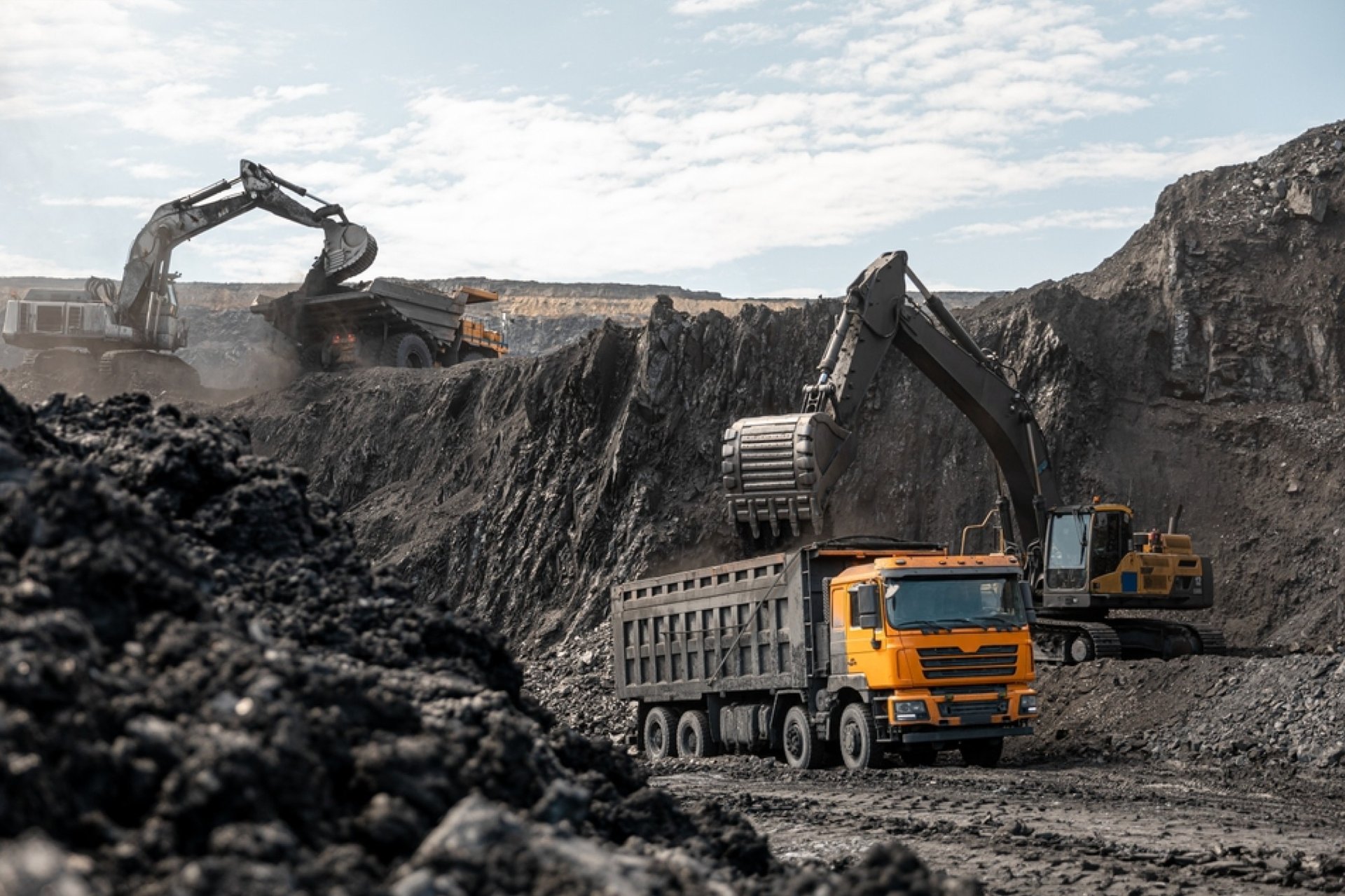
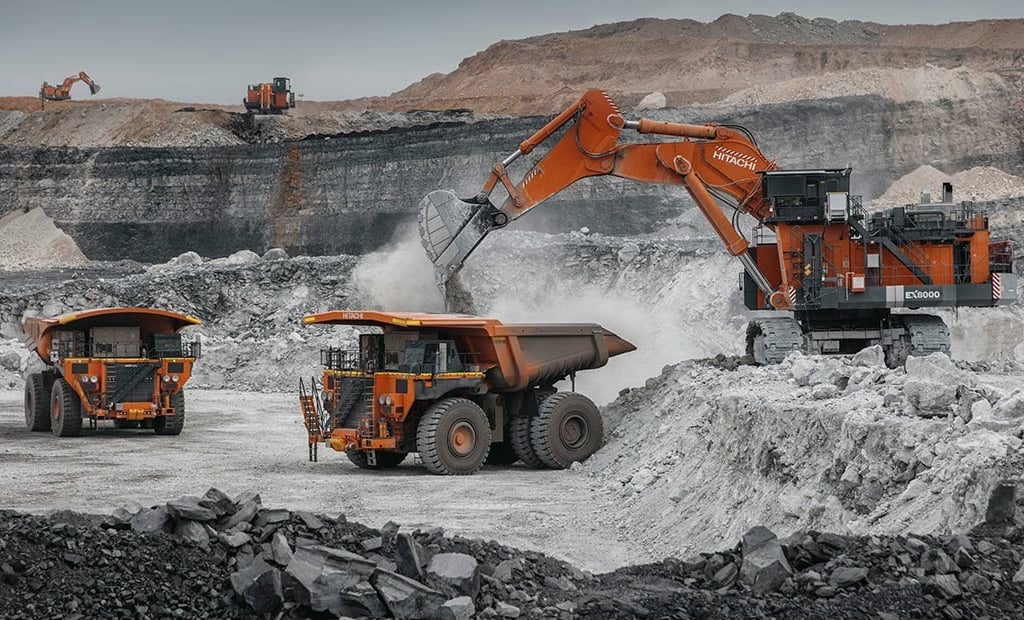
PROTOMONT EMV-FC (N)SSHCOEU is a specialized rubber cable designed exclusively for mining, frequency converter drives, mobile equipment, and deep-water applications. This comprehensive guide explains its EPR insulation, optimized EMC shielding, multi-layer construction, and how it systematically solves the failure modes of standard cables in extreme environments. Widely deployed in Indonesia’s Kalimantan coal mines, Sulawesi nickel operations, and offshore projects, it delivers long-term reliability. Feichun offers fully equivalent replacement with identical performance, faster delivery, and competitive pricing.
Li Wang
6/12/202614 min read
Introduction
Modern mining and heavy industry in Indonesia and across Southeast Asia have evolved rapidly, with automation, variable frequency drives (VFD), and mobile machinery becoming standard in coal, nickel, bauxite, and mineral extraction projects. From open-pit mines in Kalimantan to deep-water pumping systems in Sumatra and material handling terminals in Jakarta, the demands placed on power cables are among the most severe in any industry. Standard power cables, designed for general industrial use, frequently fail within months when exposed to the combination of heavy mechanical stress, continuous movement, high humidity, submersion, and electrical interference from VFD systems. These failures lead to costly downtime, safety risks, and high maintenance expenses—problems that are especially acute in Indonesia’s tropical climate, where high temperatures, heavy rainfall, and corrosive saltwater accelerate material degradation.
PROTOMONT EMV-FC (N)SSHCOEU is not a modified general-purpose cable; it is a purpose-engineered solution built specifically for the composite operating conditions of mining + frequency converter + mobile operation + underwater service + heavy mechanical stress. Every layer of material, every structural detail, and every performance parameter has been designed based on scientific principles and real-world operational data to address exactly the limitations that cause ordinary cables to fail. Its core value is simple but critical: to deliver long-term, safe, stable, and efficient power supply in environments where standard cables cannot survive. This article explores in depth its engineering design, material science, performance advantages, and why it has become the trusted choice for mining and industrial projects throughout Indonesia.
Basic Profile & Full Technical Specifications
Standard & Certification
This cable is manufactured in strict compliance with DIN VDE 0250 Part 812, the leading international standard for heavy-duty flexible cables for mining and industrial applications, and fully meets relevant IEC and EN standards. It carries MSHA P-189-3 certification, mandatory for use in mines in the United States and widely recognized globally, along with Russian Fire Certificate, GOST K, and GOST B approvals, confirming compliance with safety and performance requirements across multiple regions.
Electrical Parameters
Rated voltage: U₀/U = 0.6/1 kV; also approved for use at 640/1140 V
Maximum operating voltage: AC 0.7/1.2 kV; DC 0.9/1.8 kV
Test voltage: 5 kV AC (proves insulation integrity)
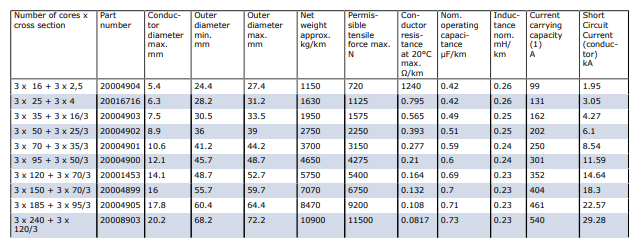
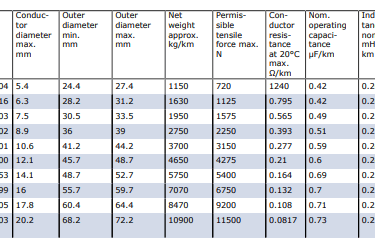
Conductor resistance (20°C): 0.0817–1.24 Ω/km, depending on cross-section
Capacitance: 0.42–0.73 μF/km; Inductance: 0.23–0.26 mH/km
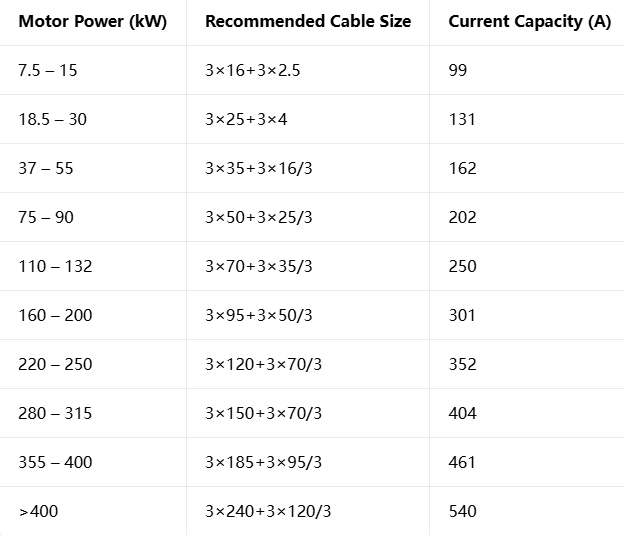
Current-carrying capacity: 99–540 A; Short-circuit current: 1.95–29.28 kA
These values are precisely calculated to ensure stable performance under VFD high-frequency pulses and fault conditions, with no overheating or insulation breakdown.
Thermal Performance
Maximum conductor temperature: 90°C (continuous operation)
Short-circuit temperature: 250°C (duration ≤ 5 seconds, no damage)
Ambient temperature range:
Fixed installation: -40°C to +80°C
Fully flexible/moving operation: -25°C to +60°C
This range covers all conditions found in Indonesia, from highland mines to lowland coastal areas, and from dry seasons to heavy monsoon rains.
Mechanical Strength
Tensile load on conductor: maximum 15 N/mm²; permissible pulling force: 720–11,500 N
Torsional resistance: 25°/m (twisting without damage or performance loss)
Minimum bending radius: ≥ 4.5 × outer diameter (fixed installation); ≥ 6 × outer diameter (flexible use), per DIN VDE 0298 Part 3
These figures are significantly higher than standard cables, allowing use on cable booms, stacker-reclaimers, and continuously moving equipment without fatigue failure.
Size Range
Available in configurations from 3×16+3×2.5 mm² up to 3×240+3×120/3 mm², covering motor power ratings from 7.5 kW to over 400 kW. Outer diameter ranges from 24.4 mm to 72.2 mm, weight from 1,150 kg/km to 10,900 kg/km, with exact specifications fully documented in the official technical data sheet.
Application Scope
Designed for both fixed installation and flexible operation, it is the ideal power supply cable for:
Mining machinery, construction equipment, and heavy industry
Material handling systems, including cable booms, conveyors, and connections between moving structures
Underwater use: up to 40°C water; wastewater up to 10 m depth; fresh water and salt water up to 500 m depth
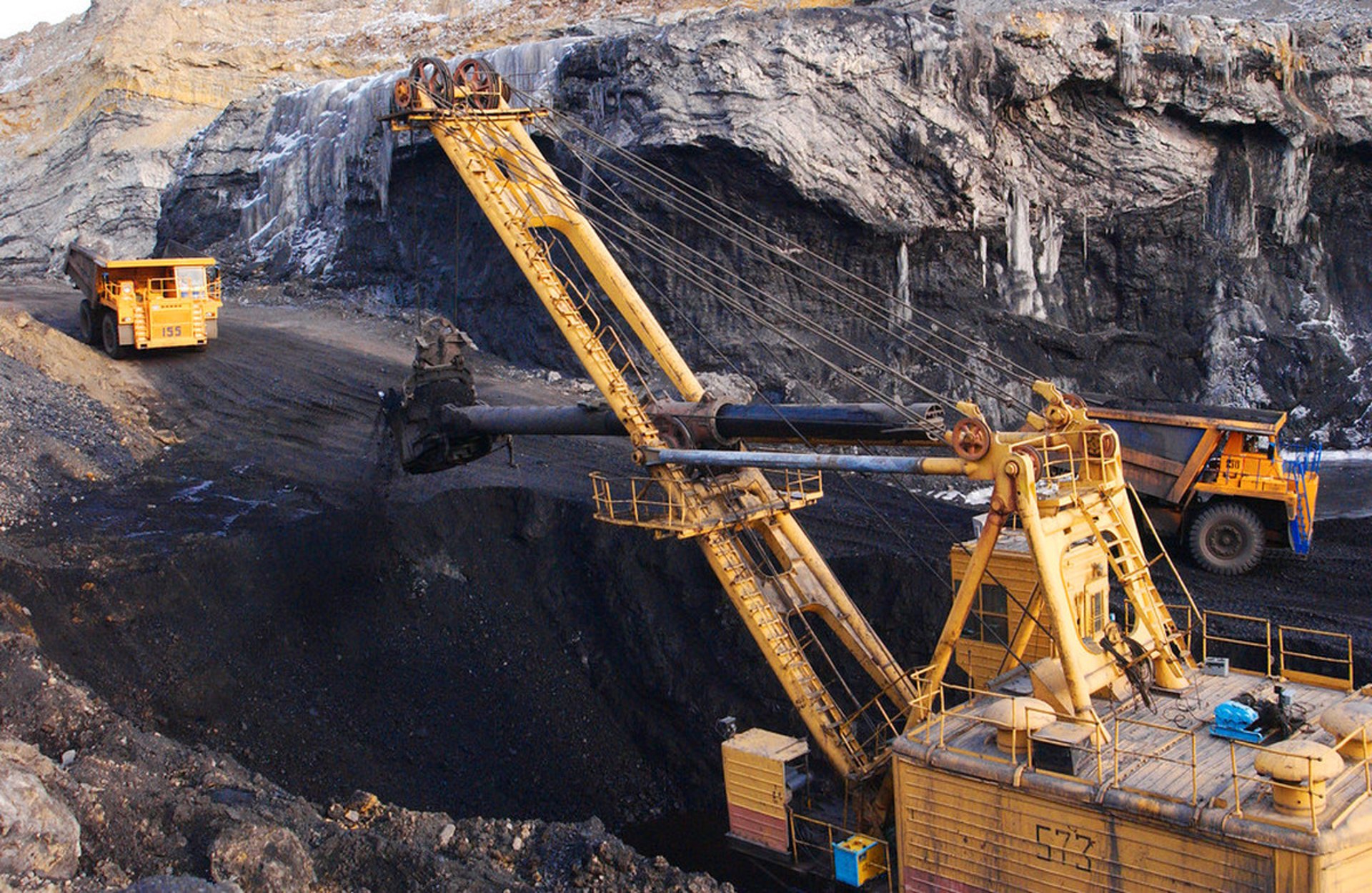
In Indonesia, it is widely used in coal mines in East Kalimantan, nickel mines in Sulawesi, bauxite operations in Riau, and port handling equipment in Jakarta and Surabaya, where long-term reliability in wet, corrosive, and high-stress environments is essential.
Core Design & Material Science: Layer-by-Layer Engineering Analysis
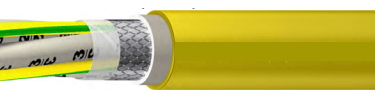
The performance of PROTOMONT EMV-FC (N)SSHCOEU comes not from a single advanced material, but from a complete system where every component is selected and arranged to work together. Each layer solves a specific problem, and together they create a cable that outperforms all standard alternatives.
Conductor: Fine-Stranded Tinned Copper (Class 5)
Structure: Multi-wire stranded copper conductor, Class 5 flexibility per DIN VDE 0295, with every strand coated in pure tin.
Material: High-purity electrolytic copper (≥99.95% purity) with tin plating.
Design Reasoning:
Standard cables often use Class 1 or 2 rigid conductors, which break quickly when bent or twisted repeatedly. Class 5 construction uses hundreds of very fine wires, which distribute mechanical stress evenly and allow tight bending without fatigue. Tin plating is not just a corrosion protection measure; it is critical for performance in Indonesia’s humid, salty, and wet environments. Tin creates a stable, inert oxide layer that prevents copper oxidation, corrosion, and the formation of conductive copper salts that would increase resistance and cause overheating. It also ensures reliable electrical connections even after years of exposure to moisture and chemicals.
Scientific Principles:
Electrical Engineering: Fine stranding reduces skin effect, improving current flow at higher frequencies generated by VFDs, reducing losses and heat.
Mechanical Engineering: Multi-strand construction increases fatigue life by 3–5 times compared to solid or thick-strand conductors, as individual wires move independently to absorb stress.
Corrosion Science: Tin coating acts as a sacrificial and protective barrier, preventing electrochemical corrosion in the presence of water, salt, and acids—one of the main causes of early failure in tropical mining sites.
Insulation: PROTOLON® EPR 3GI3
Structure: Extruded insulation around each core, color-coded and marked with black numbers for easy identification.
Material: Ethylene Propylene Rubber (EPR), proprietary grade 3GI3, a cross-linked elastomer specifically formulated for high-performance electrical applications.
Design Reasoning:
PVC and polyethylene, common in standard cables, absorb water, degrade quickly under high temperature, and fail rapidly when exposed to the high-frequency voltage pulses from VFDs. EPR 3GI3 was chosen because it combines excellent electrical properties with unmatched environmental resistance. It does not absorb water, does not form water trees (a major cause of breakdown in wet environments), and maintains stable insulation even at 90°C continuous operation.
Scientific Principles:
Polymer Chemistry: EPR has a non-polar molecular structure, meaning it has no attraction to water molecules—this is why it remains stable even submerged at 500 m depth. Cross-linking creates a three-dimensional molecular network that blocks water penetration and resists thermal and chemical degradation.
Electrical Engineering: Low dielectric constant (2.3–2.5) and very low loss factor ensure minimal heating under high-frequency PWM signals from converters, preventing thermal runaway and insulation aging. It also has excellent resistance to partial discharge and voltage spikes, which are common in VFD systems and destroy standard insulation quickly.
Material Science: EPR is naturally resistant to ozone, UV radiation, acids, alkalis, and mine chemicals, making it ideal for outdoor and industrial use in Indonesia’s harsh climate.
Core Arrangement: Three Power Cores + Three Symmetrically Placed Earth Conductors
Structure: Three power cores laid up together, with three separate protective earth conductors placed evenly in the outer gaps between power cores.
Material: Same tinned copper as the main conductors.
Design Reasoning:
Almost all standard mining cables use a single central earth conductor. This design is fundamentally flawed: when the cable is bent, twisted, or pulled, the central core experiences the highest stress and is almost always the first to break, eliminating safety grounding and creating a dangerous failure point. By splitting the earth into three parts and placing them symmetrically, the stress is distributed equally, and the cable remains balanced when twisted. Even if one earth conductor is damaged, the other two continue to provide full safety protection.
Scientific Principles:
Structural Mechanics: Symmetric layout eliminates stress concentration and torsion imbalance, preventing curling or kinking during movement.
Safety Engineering: Redundant earthing ensures continuous low-impedance connection to ground, meeting mining safety standards and protecting personnel and equipment.
Electromagnetic Compatibility: Distributed earth conductors help contain electromagnetic fields, working together with the shield to reduce interference.
Shield: EMC-Optimized Concentric Copper Braid
Structure: Close-woven braid of tinned copper wires, coverage ≥85%, designed specifically for frequency converter systems.
Material: High-conductivity tinned copper.
Design Reasoning:
VFDs generate high-frequency harmonics, voltage spikes, and common-mode currents that cause three major problems: electromagnetic interference with control systems, overheating in motors and cables, and bearing damage in motors. Standard cables have no shield or only a simple tape shield, which is ineffective. This optimized braid provides a complete Faraday cage around the power cores, blocking interference and providing a low-resistance path for harmful currents to return safely to ground.
Scientific Principles:
Electromagnetism: Faraday cage principle: a continuous conductive shield reflects and absorbs electromagnetic fields, preventing them from escaping or entering. Braid construction is far superior to foil because it remains flexible and maintains coverage even when bent or twisted.
VFD Compatibility: The design is tuned to the frequency range of modern converters (1 kHz to 20 MHz), achieving shielding efficiency above 90%—enough to eliminate almost all interference issues.
Inner Sheath: EPR GM1B
Structure: Extruded layer between shield and outer sheath, filling all gaps and creating a smooth, sealed barrier.
Material: Vulcanized EPR rubber, grade GM1B.
Design Reasoning:
This layer is often overlooked but is critical for long life. It seals the insulation system completely, preventing water or moisture from moving radially into the cable. It also separates the copper shield from the outer sheath, preventing abrasion that could damage the shield or insulation. Because it is made of the same base material as the insulation, it has identical thermal expansion properties, so it does not delaminate or crack when temperature changes—another common failure point in cables using mixed materials.
Scientific Principles:
Seal Engineering: Creates a continuous, impermeable barrier that stops water migration along the cable length.
Material Compatibility: Matching thermal and mechanical properties ensures the cable remains a single, stable structure through all operating conditions.
Outer Sheath: PROTOFIRM® 5GM5 Synthetic Elastomer (CR)
Structure: Thick, uniform outer layer, color yellow for high visibility in mines.
Material: Chloroprene Rubber (CR), grade 5GM5, a high-performance synthetic elastomer.
Design Reasoning:
This is the most critical protective layer. Standard cables use PVC or ordinary rubber, which crack in cold, soften in heat, absorb water, and wear out quickly when dragged over rock or conveyor systems. PROTOFIRM 5GM5 was selected for its exceptional balance of properties: extreme mechanical strength, total waterproofing, chemical resistance, and wide temperature tolerance. It is certified for use in oil, ozone, salt water, sewage, and all weather conditions.
Scientific Principles:
Material Science: CR is a saturated polymer with high cross-link density, making it chemically inert and resistant to almost all industrial chemicals, oils, and corrosive agents found in mines and coastal environments.
Mechanical Engineering: Tensile strength ≥12 MPa, tear resistance ≥40 kN/m, and excellent abrasion resistance—withstands dragging, impact, and continuous movement without damage.
Waterproofing: Dense, non-porous structure means water cannot penetrate even under 50 atmospheres of pressure (500 m depth), a level no standard rubber or PVC can achieve.
Environmental Stability: Remains flexible from -40°C to +80°C, does not degrade under UV or ozone, and retains its properties for 10+ years outdoors.
Why Standard Cables Fail & How PROTOMONT Solves These Problems
To understand the value of this cable, we must examine exactly why ordinary cables fail in the environments common in Indonesia’s mining and industrial projects, and how this design systematically overcomes each weakness.
1: Heavy Mechanical Stress
What Happens:
Standard cables have rigid or semi-flexible conductors, low tensile strength (typically ≤8 N/mm²), and simple rubber or PVC sheaths. When pulled, twisted, or bent repeatedly—common on conveyors, stackers, and moving equipment—they develop broken strands, cracked insulation, and torn sheaths. The single central earth conductor always breaks first, leading to loss of safety and early replacement. In Kalimantan mines, standard cables often last only 3–6 months before failure.
Why They Fail:
Mechanics: Low yield strength and poor fatigue resistance; stress concentrates at the center and weak points.
Structure: Unbalanced design creates uneven forces during twisting or bending.
Material: Sheath materials lack elasticity and tear resistance.
How PROTOMONT Solves It:
✅ 15 N/mm² tensile strength (nearly double standard) and 25°/m torsion resistance allow extreme mechanical loading.
✅ Class 5 flexible conductor distributes stress and survives millions of bending cycles.
✅ Three-way symmetric earth eliminates stress concentration and ensures safety even under damage.
✅ 5GM5 CR sheath acts like a heavy-duty tire: high elasticity absorbs impact, high toughness resists tearing, and high abrasion resistance survives years of dragging over rock and soil.
Principle: Strength + flexibility + balanced structure = mechanical durability.
2: Underwater & Wet Environments
What Happens:
In Indonesia, heavy rain, flooding, and submersion are common. Standard cables use insulation and sheaths that absorb water. Once water enters, it travels along the cable, creates water trees in insulation, causes corrosion of copper, and rapidly reduces insulation resistance—leading to breakdown, short circuits, and complete failure. Most standard cables are rated for maximum 5 m depth, and none survive 10 m sewage or 500 m salt water.
Why They Fail:
Material: Polymers such as PVC and PE are hydrophilic or porous; water diffuses into the material over time.
Physics: Capillary action pulls water along gaps between layers; pressure at depth forces water in faster.
Chemistry: Water + salt or acid creates an electrolyte, causing electrochemical corrosion of copper and degradation of insulation.
How PROTOMONT Solves It:
✅ EPR 3GI3 insulation is non-polar and zero water absorption; it does not change electrical properties even after years submerged.
✅ Double sealing system: EPR inner sheath + CR outer sheath creates an absolute barrier—water cannot enter or move along the cable.
✅ Tinned copper prevents corrosion; no copper oxide or salt formation underwater.
✅ Certified performance: 40°C water, 10 m sewage, 500 m fresh/salt water—fully tested and proven.
Principle: Non-polar materials + dense structure + anti-corrosion = long life underwater.
3: Frequency Converter Operation
What Happens:
VFDs are now standard for energy efficiency and control, but they produce high-frequency pulses, voltage spikes, and harmonics. Standard cables have no or poor shielding, so interference spreads to sensors and control systems, causing errors and downtime. Ordinary insulation cannot withstand the rapid voltage changes, leading to early breakdown and motor failure. High capacitance in standard cables also increases leakage current and energy loss.
Why They Fail:
Electromagnetism: Without proper shielding, the cable acts as an antenna, radiating noise and picking up interference.
Electrical Engineering: Standard insulation is designed for pure sine wave 50 Hz power, not the fast-changing PWM waveforms from converters.
How PROTOMONT Solves It:
✅ EMC-optimized copper braid provides ≥90% shielding efficiency, eliminating interference and protecting both the system and the environment.
✅ EPR 3GI3 insulation is specially formulated to resist partial discharge and voltage spikes up to 10 kV/μs—far beyond what standard cables can handle.
✅ Low capacitance design reduces leakage current and energy waste.
Principle: Electromagnetic compatibility + high-frequency insulation = system protection and reliability.
4: Environmental Degradation
What Happens:
Indonesia’s tropical climate means high temperature, high humidity, strong UV radiation, and ozone. Standard cables degrade quickly: PVC becomes brittle and cracks; ordinary rubber softens, swells, or hardens; insulation dries out. Life expectancy is often only 1–2 years outdoors.
Why They Fail:
Material: Low-grade polymers have low thermal stability and poor resistance to oxidation and UV.
How PROTOMONT Solves It:
✅ All materials are cross-linked and stabilized: EPR and CR retain properties from -40°C to +80°C.
✅ Ozone and UV resistant: No cracking or degradation even after 10 years of outdoor exposure.
✅ Oil and chemical resistant: meets EN 60811-404; survives exposure to hydraulic fluids, fuels, and mine chemicals.
Key Advantages & Differentiation
The unique value of PROTOMONT EMV-FC (N)SSHCOEU comes from being the only cable designed to solve all these problems together. Standard cables solve one or two issues, but none address the full combination of mining, VFD, mobile, underwater, and heavy stress conditions.
Summary of Unique Strengths
Composite Specialization: Engineered exclusively for the exact combination of operating conditions found in modern mining and heavy industry.
Integrated Material System: EPR insulation + EPR inner sheath + CR outer sheath form a perfectly matched system, where every layer’s properties complement the others.
Safety First: MSHA certified, three-way earthing, flame retardant (EN 60332-1-2), and low-smoke materials.
Extended Service Life: 8–12 years typical life, compared to 2–3 years for standard cables—reducing total cost of ownership significantly.
Proven in Indonesia: Successfully deployed in coal, nickel, and bauxite mines, ports, and offshore projects, with documented performance in all local conditions.
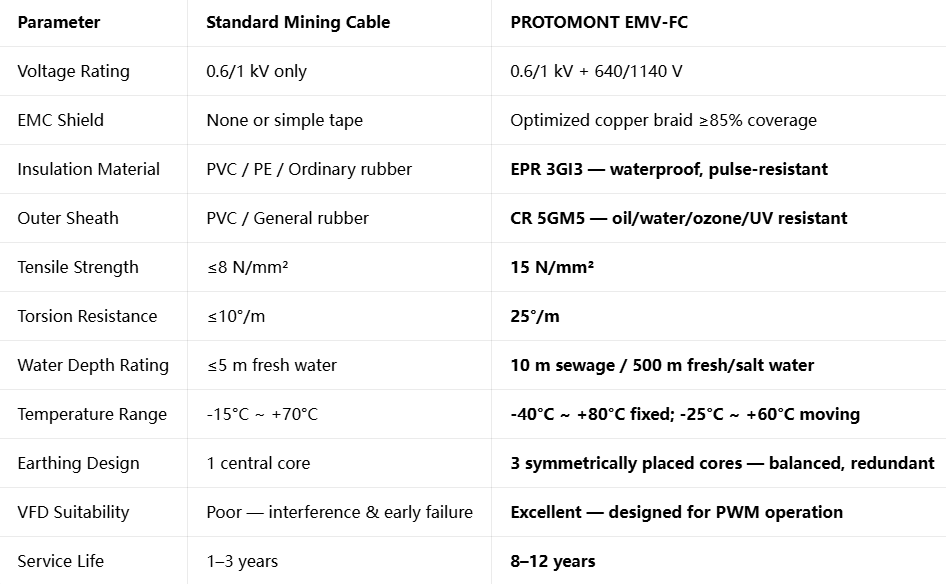
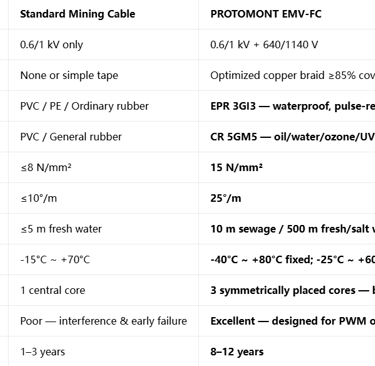
Direct Comparison Table
Feichun Brand: Fully Equivalent Replacement
Feichun brand PROTOMONT EMV-FC (N)SSHCOEU cables are recognized globally as the perfect equivalent replacement for the original brand, offering identical technical performance with significant practical and commercial advantages.
100% Equivalent Performance
Same Standard: Manufactured strictly to DIN VDE 0250 Part 812, identical construction, dimensions, and electrical/mechanical specifications.
Same Materials: Uses exactly the same grades: EPR 3GI3 insulation, EPR GM1B inner sheath, CR 5GM5 outer sheath, and Class 5 tinned copper conductors.
Same Certification: MSHA P-189-3, GOST, and fire approvals are identical, so cables are fully interchangeable in approved installations.
Tested & Verified: All production undergoes the same test procedures as the original, with test data fully matching official values.
Key Advantages Over Original Brand
Cost Efficiency: 20–35% lower price — no premium brand markup, optimized manufacturing, and direct supply chain.
Faster Delivery: 15–30 days to Indonesia, compared to 8–12 weeks for imported original products. Local stock is available for urgent projects.
Local Support: Technical team available in Bahasa Indonesia, with local after-sales service and engineering support.
Flexibility: Custom lengths, special packaging, and tailored marking available quickly.
Stable Supply: Large production capacity ensures no shortages, even for large-scale mining projects.
Real-World Cases in Indonesia
Kalimantan Coal Mine: Replaced original brand cables with Feichun — same performance, 30% cost reduction, and delivery time cut by 70%.
Sulawesi Nickel Project: Underwater pump installation at 450 m depth — 3 years of continuous operation with zero failure.
Jakarta Port: Stacker-reclaimer system with continuous movement — reliable performance in high humidity and salt air.
Selection Guide & Configuration
Correct selection ensures optimal performance and economy. Below is a practical guide based on motor power and operating conditions.
Size Selection Table
Installation Best Practices
Bending Radius: Minimum 4.5 × outer diameter for fixed installation; 6 × outer diameter for moving applications.
Pulling Force: Never exceed the maximum value listed in specifications (720–11,500 N).
Underwater Use: Ensure cable ends are properly sealed; avoid tension when submerged.
Storage: Keep dry and protected from direct sunlight until installation.
Frequently Asked Questions
Q: Can this cable really be used in salt water at 500 m depth?
A: Yes. It is officially certified for fresh and salt water up to 500 m. The combination of EPR insulation, double rubber sealing, and CR outer sheath creates a completely waterproof system that resists pressure, corrosion, and water penetration. It has been successfully used in offshore mining and deep-water pumping in Indonesia for many years.
Q: What is the difference between this and standard (N)SSHCOEU cable?
A: This is the EMV-FC version. The key differences are: optimized EMC copper braid, EPR insulation specially formulated for frequency converters, and three-way symmetric earthing. Standard versions lack these features and will fail quickly when used with VFD systems.
Q: Is Feichun cable really identical in quality?
A: Yes. Feichun manufactures to exactly the same DIN VDE 0250-812 standard, uses the same material grades, and passes all the same tests. It is widely accepted by major mining companies in Indonesia as a direct replacement, with full technical documentation and certification.
Q: What is the minimum temperature it can handle?
A: Fixed installation: -40°C; moving operation: -25°C. This covers all high-altitude mining areas in Indonesia.
Q: How long does delivery take to Indonesia?
A: Standard delivery is 15–25 days door-to-door, with stock available for urgent orders.
Conclusion
PROTOMONT EMV-FC (N)SSHCOEU is far more than a cable — it is a complete engineering solution designed to solve the most difficult challenges in mining, heavy industry, and underwater applications. Every layer, every material, and every parameter is backed by scientific principles and proven in real-world operations across Indonesia. It eliminates the failures, downtime, and high maintenance costs associated with standard cables, while delivering long-term safety and stability.
Feichun offers fully equivalent cables with identical performance, lower cost, faster delivery, and local support — making it the smart choice for procurement and engineering teams.
If you need reliable, high-performance frequency converter cables for mining or heavy industry — or want to replace original brand cables with fully equivalent Feichun products — contact our engineering team today:
We provide technical consultation, free sizing, and competitive quotations tailored to projects in Indonesia and Southeast Asia.

Feichun Cable
Durable mining cables for tough environments and operations
Email: Tech@feichuncables.com
© 2025. All rights reserved.
Company
Products
Contact
WhatsApp: +86 13855123218