


BS 6724 1.9/3.3kV SWA Multi-Core Copper Cable – XLPE Insulated, HFFR Sheath, Low Smoke Zero Halogen, Flame Retardant, Underground & Industrial Power Applications
Application | Power and auxiliary control cables for power networks, underground, outdoor and indoor applications, and cable ducting. Suitable for installations where fire, smoke, and toxic fumes pose a risk to life and equipment. |
Characteristics | Voltage Rating Uo/U: 1.9/3.3kV |
Construction | Conductor: Class 2 stranded copper |
Standards | BS 6724, IEC/EN 60228, IEC/EN 60502-1 |
DIMENSIONS | ||||||
|---|---|---|---|---|---|---|
No. of Cores | Nominal Cross Sectional Area (mm²) | Nominal Diameter of Conductor (mm) | Nominal Thickness of Insulation (mm) | Minimum Thickness of Outer Sheath (mm) | Nominal Outer Diameter (mm) | Nominal Weight (kg/km) |
3 | 10 | 3.85 | 2.0 | 1.24 | 23 | 1545 |
3 | 16 | 4.70 | 2.0 | 1.24 | 27 | 1680 |
3 | 25 | 5.85 | 2.0 | 1.24 | 30 | 2100 |
3 | 35 | 6.90 | 2.0 | 1.32 | 32 | 2530 |
ELECTRICAL CHARACTERISTICS | ||||
|---|---|---|---|---|
Nominal Cross Sectional Area (mm²) | Current Carrying Capacity (A) – Clipped Direct | Current Carrying Capacity (A) – In Free Air or on a Perforated Cable Tray (30°C) | Current Carrying Capacity (A) – Direct in Ground or in Ducting (20°C) | Maximum Conductor DC Resistance at 20°C (Ω/km) |
10 | 73 | 78 | 58 | 1.83 |
16 | 94 | 99 | 75 | 1.15 |
25 | 124 | 131 | 96 | 0.727 |
35 | 154 | 162 | 115 | 0.524 |
If you are exploring power and auxiliary control cables for industrial, underground, or outdoor installations, the BS 6724 1.9/3.3kV SWA Multi-Core Copper Cable is a strong candidate. But why is this cable often recommended for high-stress environments, and how does it compare to other options on the market?
What Are the Main Applications of BS 6724 Cable?
BS 6724 SWA cables are versatile and widely used in industrial and underground installations. Typical applications include:
Power Networks: Fixed power supply in industrial plants, warehouses, and factories.
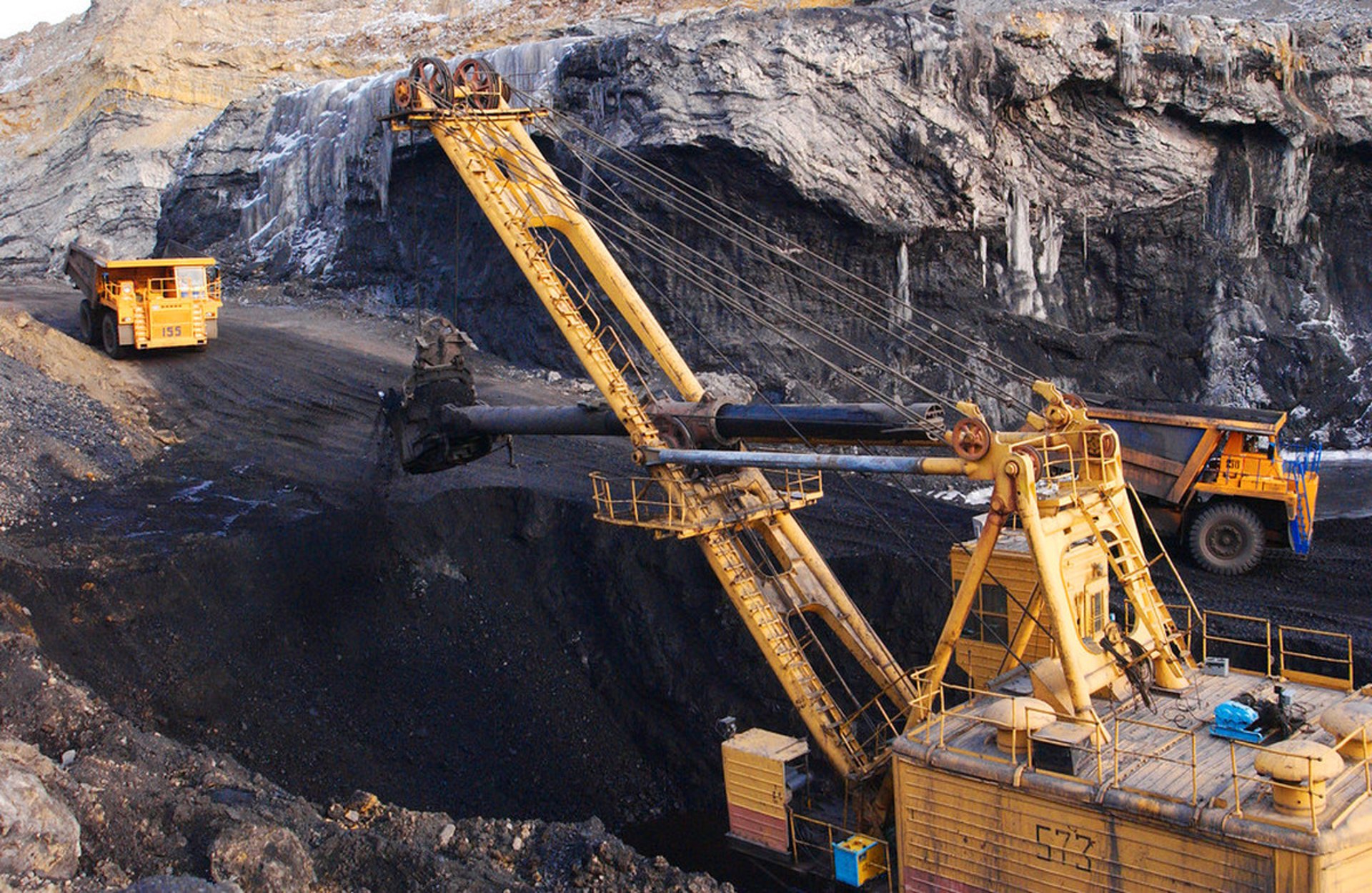
Underground Installations: Tunnels, subways, and underground facilities where mechanical protection and low smoke emission are critical.
Cable Ducting: Indoor and outdoor duct systems in high-density electrical environments.
Safety-Critical Areas: Buildings, industrial facilities, and mines where fire, smoke, or toxic fumes can threaten life and equipment.
Case Study: Indonesia Industrial Use
In Jakarta, Indonesia, several underground industrial projects have implemented BS 6724 1.9/3.3kV SWA cables for power supply in tunnels and heavy machinery plants. The combination of XLPE insulation, HFFR sheath, and SWA armouring allowed operators to reduce downtime due to cable failure and comply with local fire safety regulations.
How Does BS 6724 Compare to Other SWA Cables?
Many engineers ask: “Should I choose BS 6724 or another SWA cable for industrial or underground installations?” A brief comparison helps:
Feature | BS 6724 | Conventional PVC SWA | XLPE PVC SWA |
|---|---|---|---|
Insulation | XLPE | PVC | XLPE |
Outer Sheath | HFFR (LSZH) | PVC | PVC |
Flame Retardant | Yes | Limited | Yes |
Smoke & Toxic Gas | Low Smoke Zero Halogen | High | Moderate |
Temperature Rating | +90°C | +70°C | +90°C |
Mechanical Protection | SWA | SWA | SWA |
Applications | Underground, industrial, high safety | General industrial | Industrial |
Observation: BS 6724 excels in fire safety, toxic fume reduction, and thermal performance, making it ideal for high-risk installations.
FAQ: What Do Professionals Commonly Ask About BS 6724 Cable?
Can BS 6724 Cables Be Buried Directly in Ground?
Yes. The galvanised steel wire armour provides mechanical protection, and the HFFR sheath resists chemical corrosion and moisture ingress. Ensure compliance with local installation codes and maintain recommended bending radius.
What Is the Minimum Bending Radius for Installation?
The minimum bending radius is 12 times the overall diameter. Bending below this can damage insulation and reduce the cable’s lifespan.
How Do I Choose the Correct Size for My Application?
Refer to the current carrying capacity table based on installation conditions—clipped direct, free air, or direct in ground. Oversizing may be unnecessary; undersizing can cause overheating.
Is BS 6724 Suitable for High Fire-Risk Areas?
Yes. The cable is low smoke, zero halogen, and flame retardant, making it suitable for tunnels, underground facilities, and industrial plants.
Can It Be Used Outdoors?
Absolutely. The HFFR sheath is UV resistant, ensuring long-term durability in outdoor installations.
What Are the Typical Failure Causes to Watch For?
Exceeding bending radius during installation
Mechanical damage to armour
Chemical exposure outside sheath resistance
Improper jointing or termination
How Should BS 6724 Cable Be Installed?
Installation Best Practices:
Use Correct Bending Radius: Maintain at least 12x the cable diameter.
Avoid Abrasion: Use cable rollers in long underground runs.
Correct Termination: Use compatible glands and lugs rated for SWA and HFFR cables.
Environmental Considerations: Ensure chemical and moisture compatibility if buried or installed in ducts.
Testing: Verify continuity, insulation resistance, and earth bonding before energising.
Why Should You Consider BS 6724 Cable for Your Project?
Choosing the right cable can reduce downtime, increase safety, and meet regulatory compliance. For underground or industrial applications, BS 6724 1.9/3.3kV SWA Multi-Core Copper Cable offers:
High mechanical strength
Fire safety and low toxic emission
Thermal stability
Compliance with BS 6724 and IEC/EN standards
Professional Recommendation: Contact a certified supplier to discuss your load requirements, installation environment, and regulatory standards. Investing in the right cable ensures long-term reliability and operational safety.