

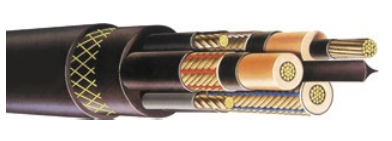
AS/NZS 2802 Type 451 3.3-33 kV
Feichun AS/NZS 2802 Type 451 3.3-33 kV
Cable description:
Class 1 composite screened cable for general use.
Application:
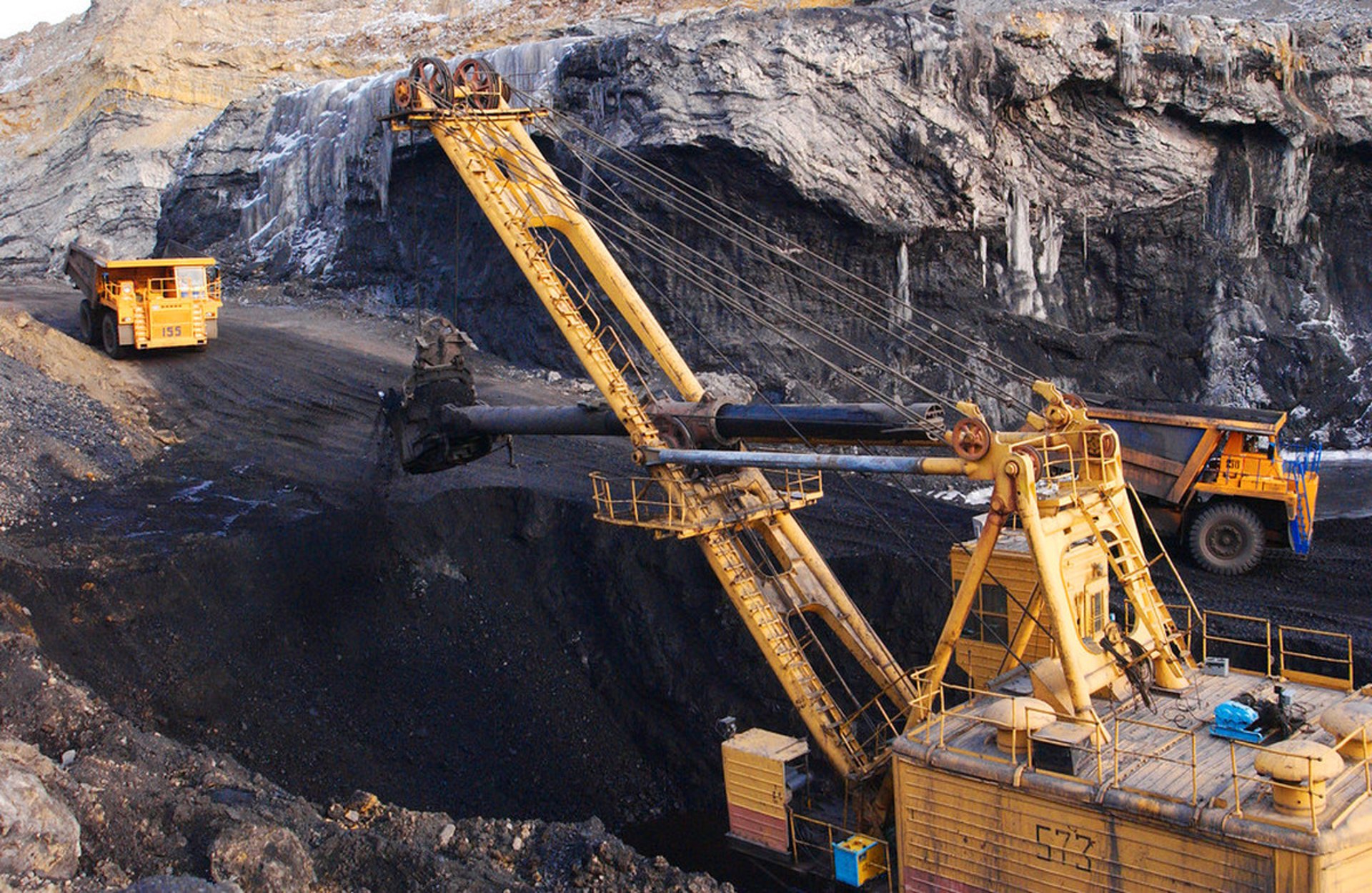
3.3/3.3 kV to 33/33 kV reeling cables similar to Type 450 cables but with reduced pilot size, for use with drag-lines, shovels, excavators, wharf cranes, and materials handling equipment. This cable is suitable for slow reeling and trailing applications.
Approvals:
AS/NZS 2802
Behaviour in flame and fire:
Fire retardant
Temperature range:
Maximum operating temperature: +90°C
Minimum operating temperature: -25 °C
Flexibility: Flexible
Resistance to:
Chemical exposure: Very good/Frequent
Mechanical impact: Heavy
Water exposure: Immersion/Temporary coverage
Solar radiation and
weather exposure: Suitable for direct exposure
Cable design:
Composite screened power cores with two earth and one pilot core.
Core: Metal: tinned copper, three core plus two earths and one pilot.
Semiconductive barrier taped and elastomer screened.
Insulation: EPR (XR-EP-90) semiconductive elastomer screened.
Screen: Composite tinned annealed copper wire and polyester yarn screen, under a semiconductive tape.
Core colours: red, white, blue, braid tracers.
Earth: Two semiconductive elastomer covered, disposed in the cable interstices.
Pilot: One, elastomer covered, disposed in the cable interstices.
Sheath: Extra heavy duty XHD-85-PCP, incorporating a polyaramid Kevlar® braid reinforcement. Installation conditions In free air Mobile equipment
Installation conditions:
In free air
Mobile equipment
What Is the Feichun AS/NZS Type 451 Mining Cable?
The Feichun AS/NZS Type 451 is a Class 1 composite screened cable designed for general mining use. It is a reeling and trailing cable suitable for slow-moving equipment, such as draglines, shovels, excavators, wharf cranes, and materials handling machinery.
Compared to its close relative, the Type 450 cable, the Type 451 has a reduced pilot size, which optimizes flexibility while maintaining safety and performance in heavy-duty mining operations.
Key highlights include:
Voltage rating: 3.3/3.3 kV to 33/33 kV
Flexibility: Suitable for trailing and slow reeling
Temperature range: -25°C to +90°C
Fire behavior: Fire-retardant and suitable for harsh mining conditions
Resistance: Excellent chemical resistance, heavy mechanical impact tolerance, temporary water immersion, and solar/weather exposure suitability
Where Can the Type 451 Mining Cable Be Applied?
The Type 451 is versatile and can be used in multiple mining scenarios:
Which Mining Equipment Is Compatible?
Draglines and Excavators: Ensures reliable power transmission even under continuous motion
Shovels: Maintains safety and performance in heavy-duty material handling
Wharf Cranes: Durable enough for coastal and port-based mining operations
Materials Handling Equipment: Suitable for slow reeling and trailing applications
How Does Type 451 Compare to Other Mining Cables?
Comparison Table: Type 450 vs Type 451
Feature | Type 450 | Type 451 |
|---|---|---|
Pilot Size | Standard | Reduced for flexibility |
Voltage Range | 3.3–33 kV | 3.3–33 kV |
Mechanical Reinforcement | XHD sheath | XHD-85-PCP + Kevlar® braid |
Best For | Slow reeling | Slow reeling + trailing, mobile equipment |
Typical Applications | Draglines, shovels | Draglines, shovels, excavators, cranes |
Summary: Type 451 offers the same power capabilities as Type 450 but with enhanced flexibility and reduced pilot size, making it ideal for mobile or trailing applications.
How Should the Type 451 Cable Be Installed?
Proper installation ensures maximum cable longevity and safety.
What Are Installation Recommendations?
For free-air installation: Ensure minimum bending radius is maintained according to voltage and conductor size
For mobile equipment: Avoid sharp bends; maintain consistent reeling and trailing tension
Environmental precautions: Keep the cable away from corrosive chemicals, extreme heat sources, and mechanical pinch points
Routine inspections: Check sheath integrity, pilot continuity, and screen bonding before full deployment
Pro Tip: Using cable rollers and protective sheaths in high-wear zones significantly increases service life.
Frequently Asked Questions (FAQ) About Type 451 Mining Cable
Can Type 451 Cables Be Used in Underground Mines?
Yes. While originally designed for open-cut mines, the Type 451’s fire-retardant and flexible design make it suitable for underground slow-reeling operations with moderate mechanical stress.
What Is the Maximum Operating Temperature?
The Type 451 operates safely up to +90°C. It can handle extreme South African summer heat, ensuring consistent power transmission.
How Resistant Is It to Mechanical Impact?
The Kevlar® reinforced XHD sheath provides heavy mechanical impact resistance. It can endure dragging over rough surfaces and minor collisions without damage.
What Are the Differences Between Voltage Variants?
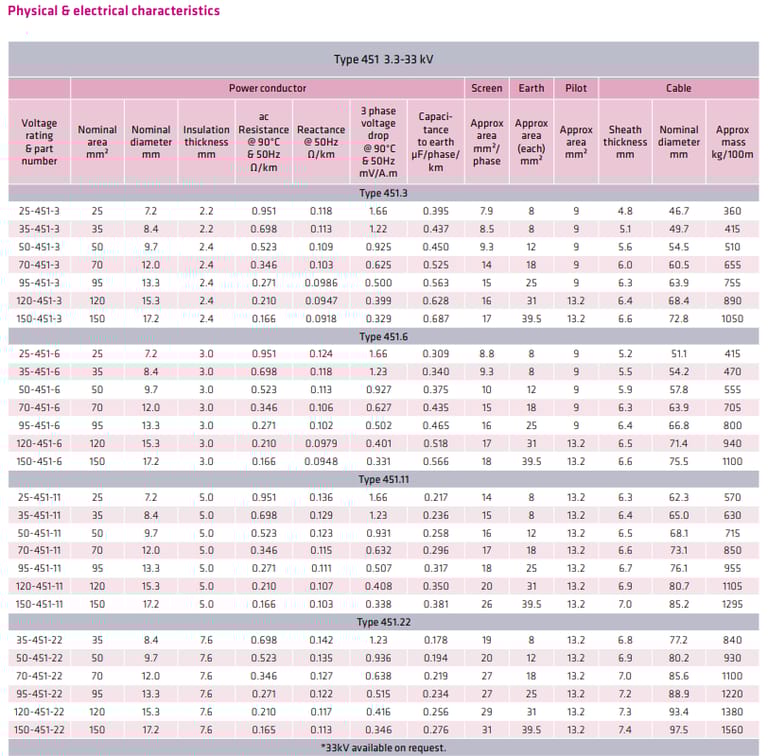
Higher voltage variants (11–33 kV) have:
Thicker insulation for dielectric strength
Heavier sheaths for mechanical protection
Slightly higher mass per 100 m
These design adjustments maintain electrical performance and safety at higher voltages.
Installation Tips for Maximum Longevity
Avoid sharp bends below recommended bending radius
Use proper supports to minimize cable drag on sharp edges
Keep the cable clean and free from chemical spills
Test pilot continuity regularly for operational safety
Document cable deployment to anticipate wear patterns
Why South African Mining Companies Choose Type 451
South African mining operations often demand long-distance, high-voltage power for mobile equipment. The Type 451 is favored because:
Durable in harsh environments: Chemical, mechanical, and thermal resistance
Flexible and adaptable: Ideal for slow reeling and trailing applications
Safety-certified: Meets AS/NZS 2802 standards
Proven in real cases: Increased uptime in platinum and gold belt mines
If you are responsible for mining operations, equipment maintenance, or industrial power distribution, considering Feichun AS/NZS Type 451 mining cables can significantly enhance reliability, safety, and operational efficiency. Contact your Feichun today to discuss custom cable lengths, voltage ratings, and installation support tailored to your mining environment.