


AS/NZS 1972 Type A and Type B 1.1 kV MINE FEEDER CABLE
Feichun AS/NZS 1972 Type A and Type B 1.1 kV MINE FEEDER CABLE
Cable description:
1.1/1.1 kV feeder cables to AS/NZS 1972.
Application:
Individually screened power cores. 1.1/1.1 kV cable suitable for applications where the conductivity of the combined screens must meet the requirements of AS/NZS 1972. Type A cables have three pilot cores. Type B cables have no pilots. For use between transportable substations and associated equipment, where the cable has to be frequently moved.
Approvals: AS/NZS 1972
Behaviour in flame and fire: Fire retardant
Temperature range: Maximum operating temperature: +90°C
Minimum operating temperature: -25 °C
Flexibility: Semi-flexible
Resistance to:
Chemical exposure: Very good/Frequent
Mechanical impact: Heavy
Water exposure: Immersion/Temporary coverage
Solar radiation and
weather exposure: Excellent/Permanent.
Cable design:
EPR insulated, screened, PCP sheathed cable.
Core: Metal: Tinned Copper, three core (plus three symmetrical pilots in Type A).
Conductor tape: Polyester
Insulation: EPR (R-EP-90) Core colours: red, white, blue, under a semiconductive tape.
Earth: Screen (earth) of tinned annealed copper wire.
Pilot: Three elastomer covered in the cable interstices (Type A only).
Sheath: Heavy duty HD-85-PCP.
Installation conditions:
In free air
In duct
Mobile equipment
What Is an AS/NZS 1972 Type A or Type B 1.1 kV Mine Feeder Cable?
AS/NZS 1972 is a dedicated standard for flexible and semi-flexible feeder cables used in mining and heavy industrial environments.
Feichun Type A and Type B 1.1/1.1 kV feeder cables are designed to supply power between transportable substations and associated mining equipment, especially where cables are frequently moved.
Both cable types share the same voltage rating, insulation system, mechanical robustness, and fire-retardant behaviour.
The key distinction lies in pilot cores.
What Is the Main Structural Difference Between Type A and Type B Cables?
Type A vs Type B: Core Configuration Explained
Feature | Type A | Type B |
|---|---|---|
Power cores | 3 | 3 |
Pilot cores | 3 symmetrical pilots | None |
Individual core screening | Yes | Yes |
Combined screen conductivity | Meets AS/NZS 1972 | Meets AS/NZS 1972 |
Typical use | Interlocked or controlled systems | Direct power supply |
Type A cables include three elastomer-insulated pilot cores, located in the interstices between power cores.
Type B cables omit pilot cores, resulting in a slightly simpler and marginally lighter construction.
Where Are AS/NZS 1972 Type A and Type B Cables Typically Used?
What Are the Typical Applications in Mining?
Between transportable substations and load centres
Mobile mining equipment power feeds
Temporary or semi-permanent power circuits
Areas requiring frequent cable relocation
Type A Is Commonly Used When:
Pilot circuits are required for:
Earth-fault monitoring
Interlocking systems
Remote shutdown or signalling
Compliance specifications explicitly require pilot cores
Type B Is Commonly Used When:
Power distribution is straightforward
No control or monitoring via pilot cores is required
Cost and simplicity are priorities
How Are These Cables Installed?
What Installation Conditions Are They Designed For?
Feichun AS/NZS 1972 feeder cables are suitable for:
Free-air installation
Duct installation
Mobile equipment connections
What Installation Best Practices Should Be Followed?
Maintain minimum bending radius during installation
Avoid sharp edges or unprotected steel supports
Use proper cleats for vertical or inclined runs
Inspect sheath regularly in high-traffic areas
How Do These Cables Perform in Harsh Mining Environments?
Environmental and Mechanical Resistance
Property | Performance |
|---|---|
Flame behaviour | Fire-retardant |
Mechanical impact | Heavy duty |
Chemical exposure | Very good (frequent exposure) |
Water exposure | Immersion / temporary coverage |
UV & weather resistance | Excellent (permanent exposure) |
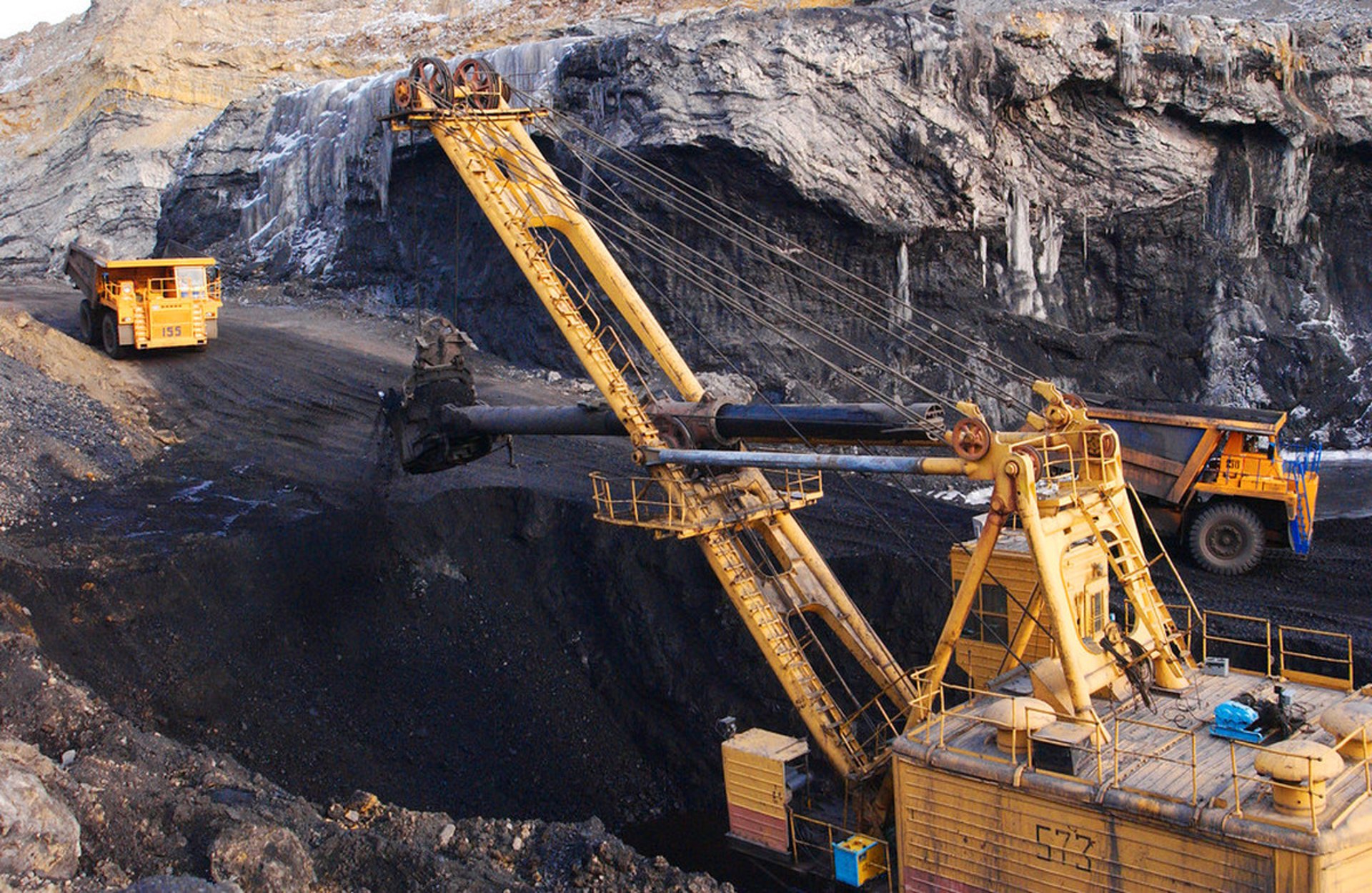
This makes them suitable for open-cast mines, underground haulages, and surface substations in Southern Africa.
FAQ
What Is the Real Difference Between Type A and Type B Feeder Cables?
The only functional difference is the presence of pilot cores in Type A. Electrically and mechanically, both perform the same.
Can Type B Be Used Instead of Type A to Save Cost?
Only if pilot circuits are not required. Substituting Type B where pilots are specified can lead to non-compliance and operational risk.
Are These Cables Suitable for Continuous Movement?
Yes. They are classified as semi-flexible and specifically designed for frequently moved feeder applications.
Are Feichun AS/NZS 1972 Cables Flame Retardant?
Yes. They are fire-retardant and suitable for underground mining environments.
How Do You Choose the Right Size and Type?
Ask the following questions:
Do I need pilot cores for control or monitoring?
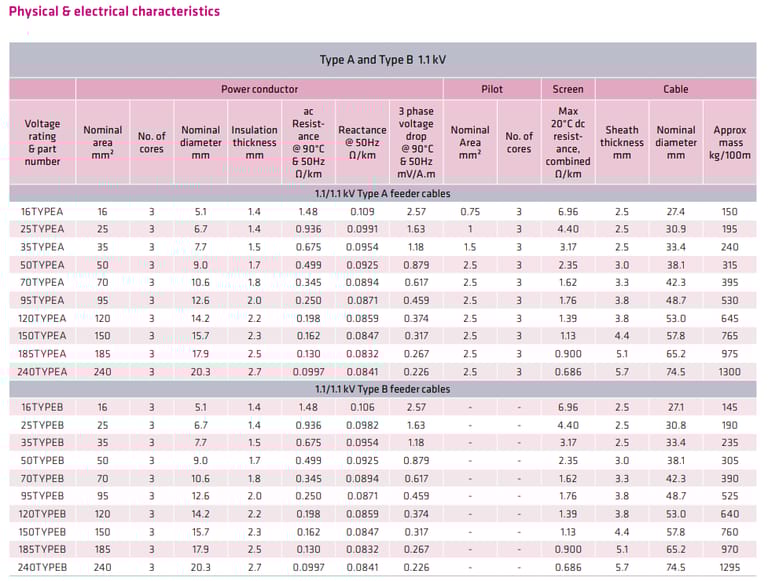
What is the load current and voltage drop limit?
Will the cable be frequently moved?
Is chemical or water exposure expected?
Answering these determines Type A vs Type B and conductor size.
Why Choose Feichun AS/NZS 1972 Mine Feeder Cables?
Proven compliance with AS/NZS 1972
Robust EPR + PCP construction
Designed for real mining abuse
Successfully deployed in South African mining operations
Need Help Selecting the Right Mine Feeder Cable?
If you are planning a mine power upgrade, substation relocation, or equipment expansion, selecting the correct feeder cable is critical for safety, compliance, and long-term reliability.
Contact Feichun technical specialists to:
Compare Type A vs Type B for your application
Calculate voltage drop and conductor size
Ensure compliance with AS/NZS and mining specifications