

AS/NZS 1972 6.35/11 kV Copper Mining Feeder Cable
Cable description:
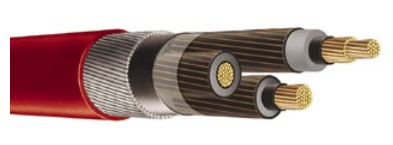
Three core copper wire screened armoured to AS/NZS 1972.
Application:
Suitable as primary supply for mines and industrial networks.
Approvals: AS/NZS 1972
Behaviour in flame and fire:
Flame retardant
Temperature range:
Maximum operating temperature: +90°C
Minimum operating temperature: -25 °C
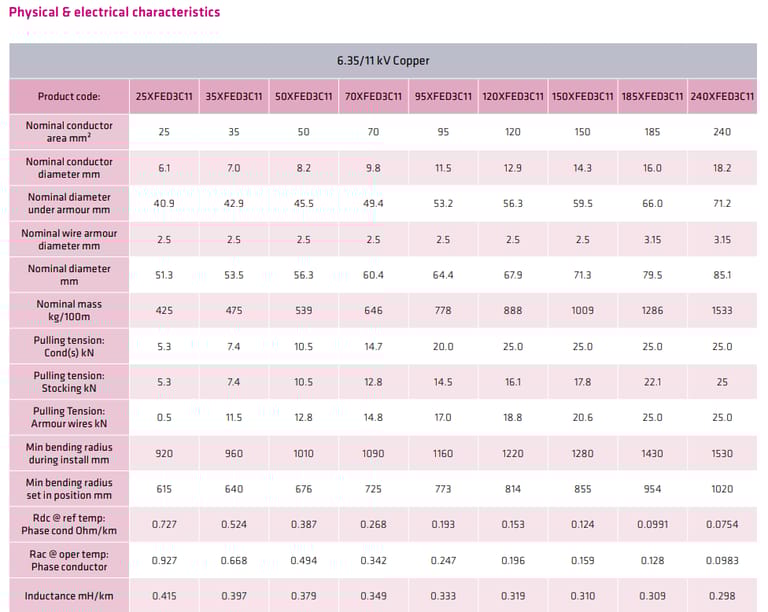
Minimum bending radius Installed cables: 12D
Flexibility: Rigid
Resistance to:
Chemical exposure: Very good/Frequent
Mechanical impact: Very heavy
Water exposure: Water splashes
Solar radiation and
weather exposure: Very good/Frequent
Cable design:
XLPE insulated, screened, GSW armoured, PVC sheathed cable.
Core: Metal: Plain circular compacted copper.
Conductor screen: Extruded semiconducting compound, bonded to the insulation and applied in the same operation as the insulation.
Insulation: Cross Linked Polyethylene (XLPE) - standard.
Insulation screen: Extruded semiconducting compound.
Metallic screen: Plain annealed copper wire. Combined screen area is designed to provide not less than 50% conductance of one associated power conductor.
Armour: Galvanised steel wires.
Outer sheath: Red 5V-90 polyvinyl chloride (PVC). Installation conditions In free air In duct In ground In trench
Installation conditions:
In free air
In duct
In ground
In trench
What standard does the Feichun 6.35/11 kV Mine Feeder Cable comply with?
The cable is fully manufactured and tested in accordance with:
AS/NZS 1972 – Electric Cables for Mining and Industrial Applications
This standard governs:
Medium-voltage insulation systems
Screened and armoured cable design
Mechanical protection for mining conditions
Fire performance and safety requirements
Compliance with AS/NZS 1972 makes this cable widely accepted in:
Australian mining projects
Heavy industrial power networks
Where is Feichun AS/NZS 1972 Mine Feeder Cable typically used?
What mining applications is this cable best suited for?
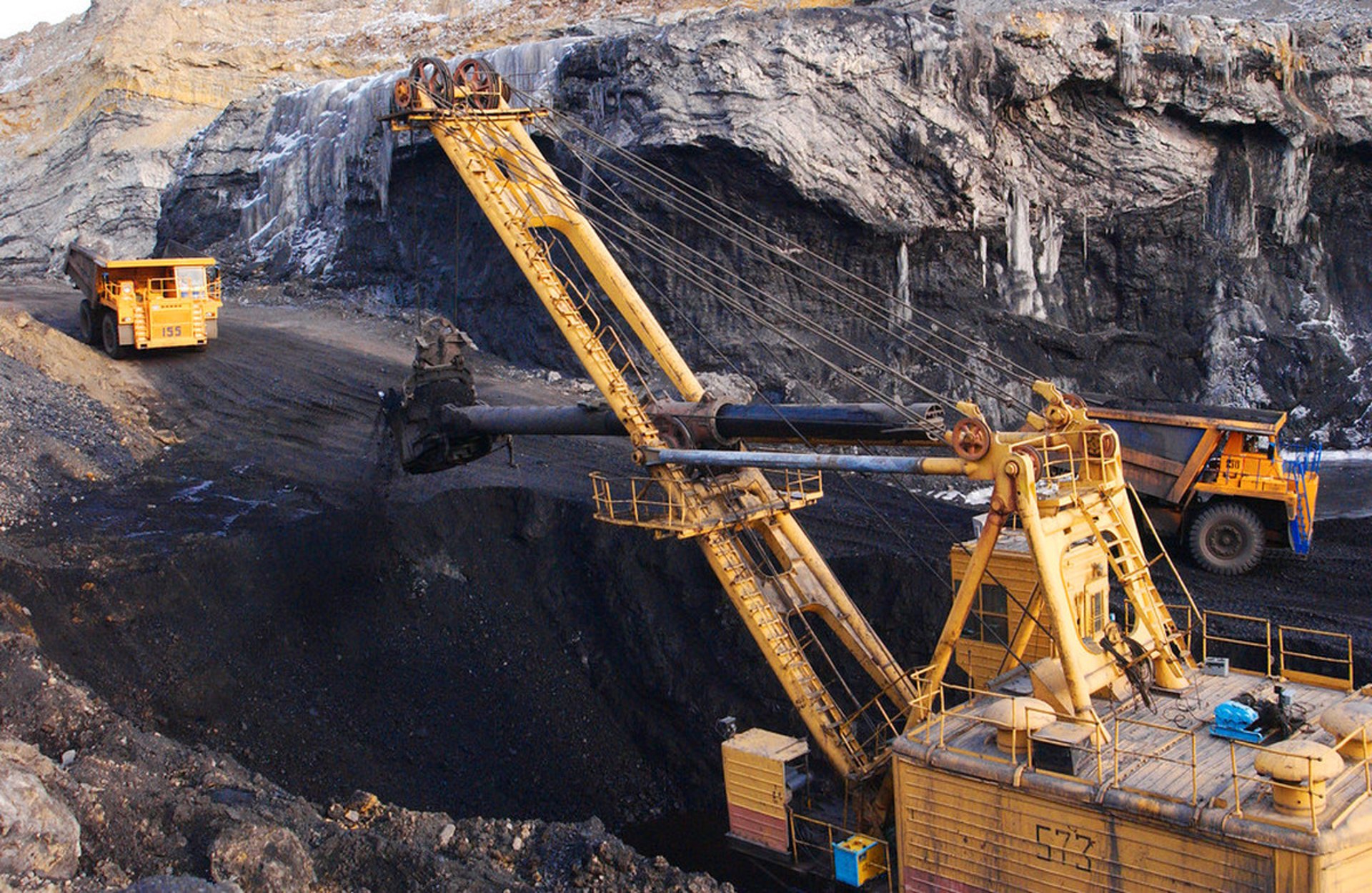
Main power feeders from surface substations
Underground distribution networks
Shaft and decline feeders
Fixed plant supply (crushers, mills, conveyors)
Heavy industrial facilities linked to mining operations
How does this cable compare with other mining feeder cable options?
AS/NZS 1972 vs flexible mining cables
Feature | AS/NZS 1972 Feeder | Flexible MV Mining Cable |
|---|---|---|
Flexibility | Rigid | Flexible |
Installation | Fixed | Reeling / trailing |
Armour | GSW | Often braid or light armour |
Mechanical protection | Very heavy | Medium |
Service life | Long-term | Medium |
Conclusion
AS/NZS 1972 feeder cables are ideal for permanent installations, not mobile equipment.
What should be considered during installation?
What is the minimum bending radius?
During installation: 12 × cable diameter
Installed position: approximately 8 × diameter
Exceeding bending limits may damage:
Insulation screens
Armour integrity
What installation environments are allowed?
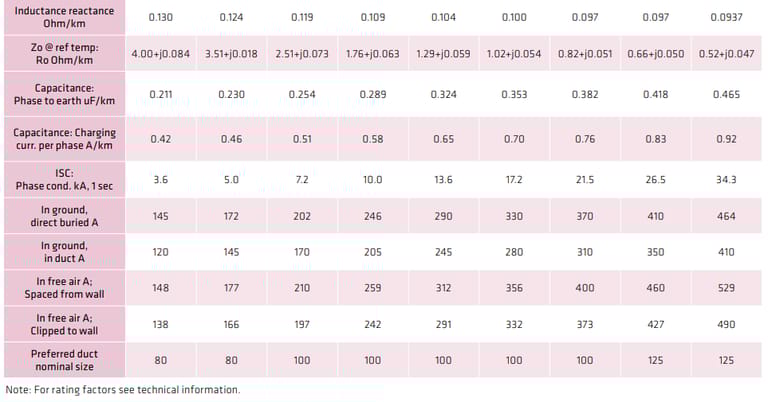
In free air
In duct
Direct buried
In trench
Always consider:
Soil thermal resistivity
Duct spacing
Pulling tension limits
How much pulling tension is allowed?
Pulling tension depends on conductor size:
Up to 25 kN for larger sizes
Armour pulling allowed within specified limits
Use:
Cable rollers
Approved pulling socks
Lubricants where necessary
Frequently Asked Questions (FAQ)
Is this cable suitable for underground mining?
Yes. It is specifically designed for primary underground power supply, with high mechanical and electrical safety margins.
Can this cable be used in chemically aggressive environments?
Yes. It offers very good resistance to chemical exposure and moisture.
Is the cable flame retardant?
Yes. The PVC sheath is flame retardant, enhancing mine safety compliance.
Is this cable suitable for solar-exposed installations?
Yes. The outer sheath has very good resistance to UV and weather exposure.
How do you choose the right size of mine feeder cable?
Consider:
Load current and future expansion
Installation method
Fault level at installation point
Voltage drop limits
Local mining regulations
Engineering calculations should always be performed before final selection.
Why choose Feichun AS/NZS 1972 Mine Feeder Cable?
Proven AS/NZS 1972 compliance
Heavy-duty construction for mining
Wide conductor size range
Suitable for harsh African and Australian conditions
Long service life and reduced maintenance cost
Need help selecting the right mine feeder cable?
Contact Feichun Cable today for:
Technical selection support
Datasheets and drawings
Project-specific cable recommendations
Export documentation for international mining projects