


AS/NZS 1802 Type 260 1.1 to 11KV Armoured Cable Feeder Cable
AS/NZS 1802 Type 260 1.1 to 11KV Armoured Cable Feeder Cable
Applications :
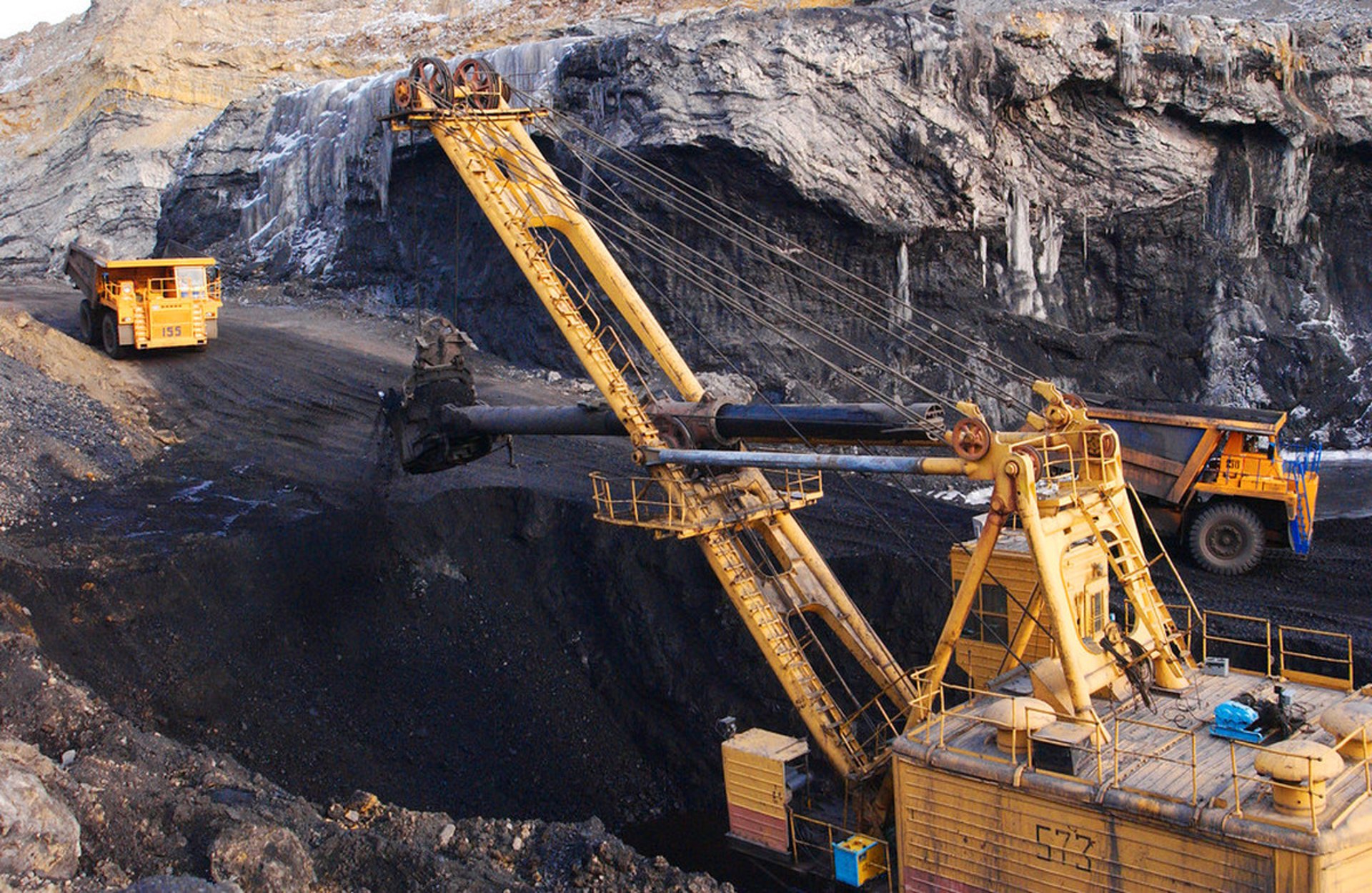
These armoured cables are mainly used as feeder cables for power supply where mechanical protection and strength is required, and also can be the feeder to machinery and i.e. transportable mining substation (sand mining).
Standards :
AS/NZS 1802:2003
AS/NZS 1125
AS/NZS 3808
AS/NZS 5000.1 | 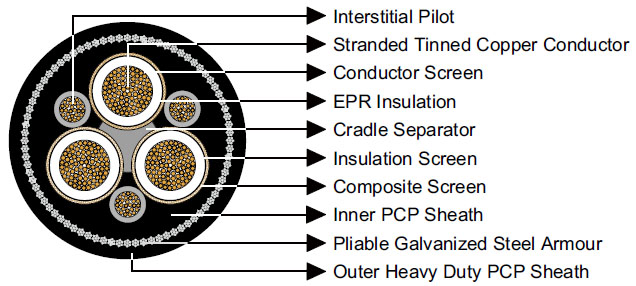 |
Construction :
3×Conductors | Flexible stranded tinned annealed copper conductor. |
Conductor Screen | Semiconductive compound (for cables having a voltage rating of 3.3/3.3kV and above). |
Insulation | EPR. |
Insulation Screen | Semiconductive elastomer. |
Composite Screen (earth conductor) | Tinned annealed copper braiding interwove with polyester yarn. |
Cradle Separator | Semiconductive PCP. |
3×Interstitial Pilot | EPR covered flexible stranded tinned copper conductor. |
Inner Sheath | PCP sheath. CPE/CSP sheath can be offered upon request. |
Pliable Armour | Galvanized low carbon (mild) steel strands. |
Outer Sheath | Heavy duty PCP sheath. Heavy duty CPE/CSP sheath can be offered upon request. |


What Does AS/NZS 1802 Type 260 Actually Mean?
What is AS/NZS 1802?
AS/NZS 1802 is the Australian/New Zealand standard governing reeling, trailing and feeder cables used in mining, industrial plants, and heavy-duty power distribution. It specifies:
Electrical performance
Mechanical strength
Insulation and sheath materials
Armour construction
Testing and safety requirements
What defines “Type 260” within AS/NZS 1802?
Type 260 refers to a medium-voltage armoured feeder cable designed for fixed or semi-fixed power distribution rather than constant reeling. It is optimized for:
High current capacity
Mechanical protection
Long service life in harsh environments
What voltage range does Type 260 support?
Type 260 cables typically cover 1.1kV to 11kV, making them suitable for:
Mine power feeders
Substation interconnections
Industrial plant distribution
Where Are AS/NZS 1802 Type 260 Feeder Cables Commonly Used?
Why are they used in mining power distribution?
Type 260 cables are ideal for:
Supplying power from substations to MCCs
Fixed feeders to crushers, conveyors, and pumps
Underground and open-cast mine infrastructure
How are they applied in industrial plants?
In heavy industry, they are used for:
Steel mills
Cement plants
Processing facilities
Power-hungry rotating equipment
Are Type 260 cables suitable for outdoor installations?
Yes. With proper sheath selection, they perform well in:
UV exposure
Moist environments
High-temperature regions
How Does Type 260 Compare with Other Feeder Cable Types?
Type 260 vs Type 241 (AS/NZS 1802)
Feature | Type 260 | Type 241 |
|---|---|---|
Voltage range | 1.1–11kV | Up to 3.3kV |
Armour | Yes | No |
Mechanical protection | High | Medium |
Typical use | Fixed feeders | Trailing/reeling |
Type 260 vs ICEA MP-GC / SHD-GC
Aspect | Type 260 | MP-GC / SHD-GC |
|---|---|---|
Standard | AS/NZS | ICEA |
Application | Fixed feeders | Portable/trailing |
Armour | Yes | No |
Flexibility | Moderate | High |
What Installation Practices Are Recommended for Type 260 Cables?
What bending radius should be respected?
Minimum bending radius: 12–15 × cable diameter
Avoid repeated tight bends near terminations
How should armour be earthed?
Armour must be properly bonded and earthed
Single-point or multi-point earthing depends on system design
What mistakes should installers avoid?
Over-tension during pulling
Inadequate cable cleating
Poor termination stress control at MV levels
Why Choose AS/NZS 1802 Type 260 for Medium-Voltage Feeders?
AS/NZS 1802 Type 260 1.1 to 11kV armoured feeder cables offer a balanced combination of electrical performance, mechanical protection, and long-term reliability. For mining, industrial, and infrastructure projects—especially those influenced by Australian engineering standards—they remain a trusted and proven solution.
If you are specifying, upgrading, or exporting medium-voltage feeder cables for mining or industrial projects in Australia, New Zealand,,selecting the correct AS/NZS 1802 Type 260 configuration is critical.
👉 Consult with an experienced cable manufacturer or technical supplier to ensure:
Correct conductor sizing
Appropriate insulation and sheath materials
Full compliance with project and safety requirements